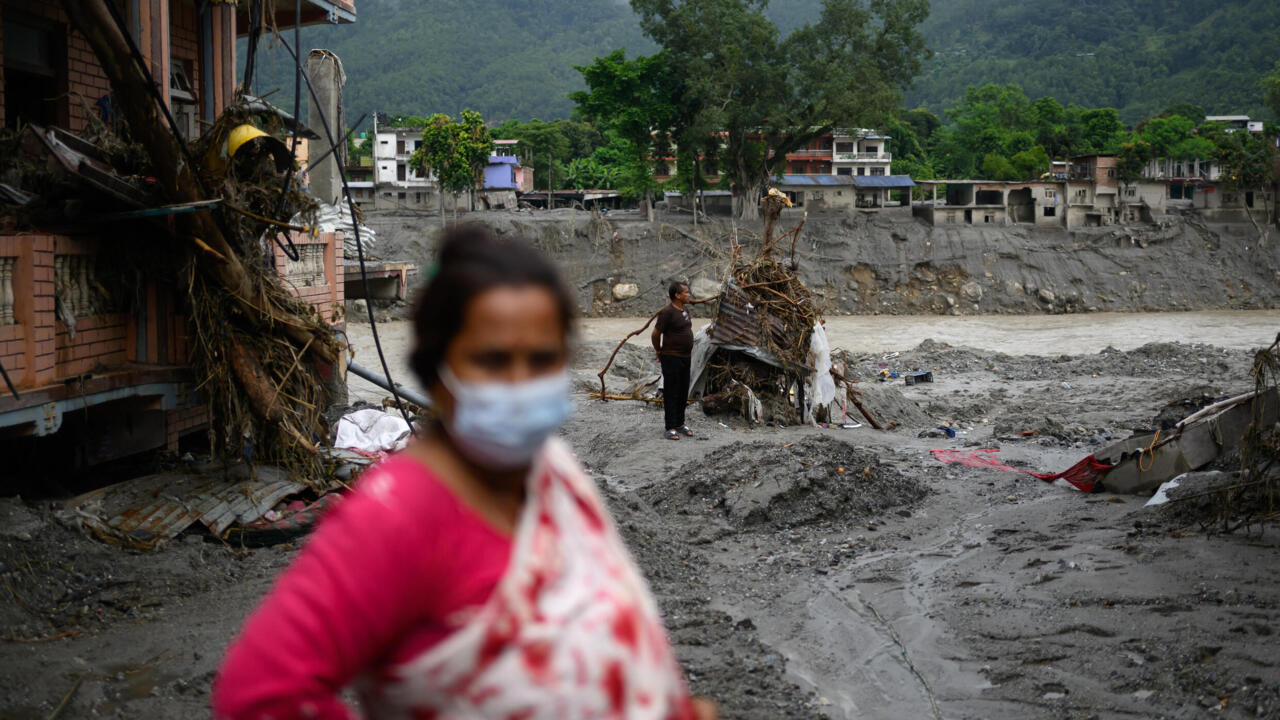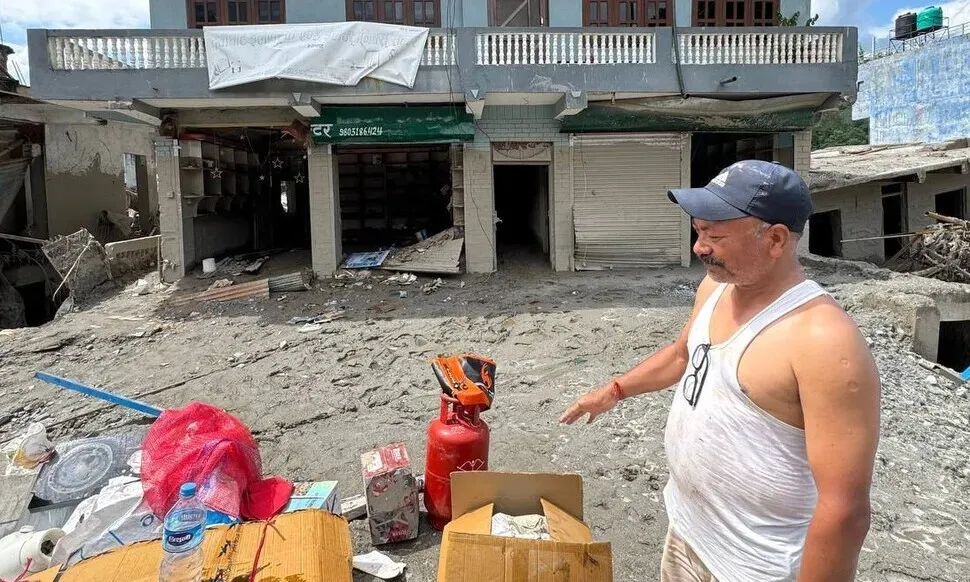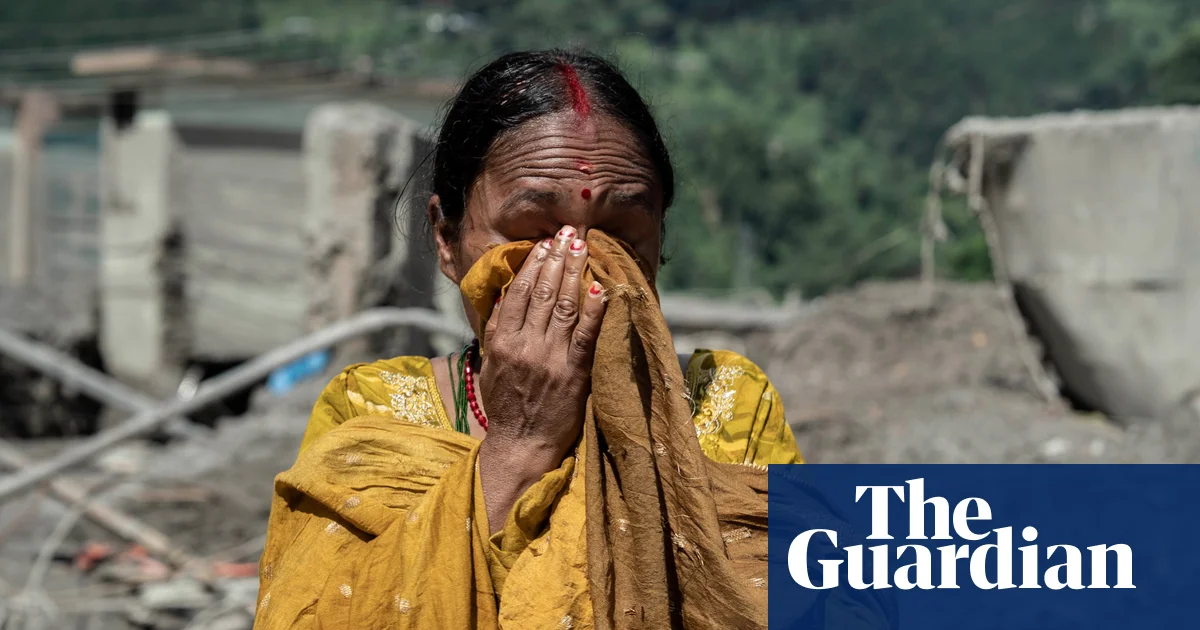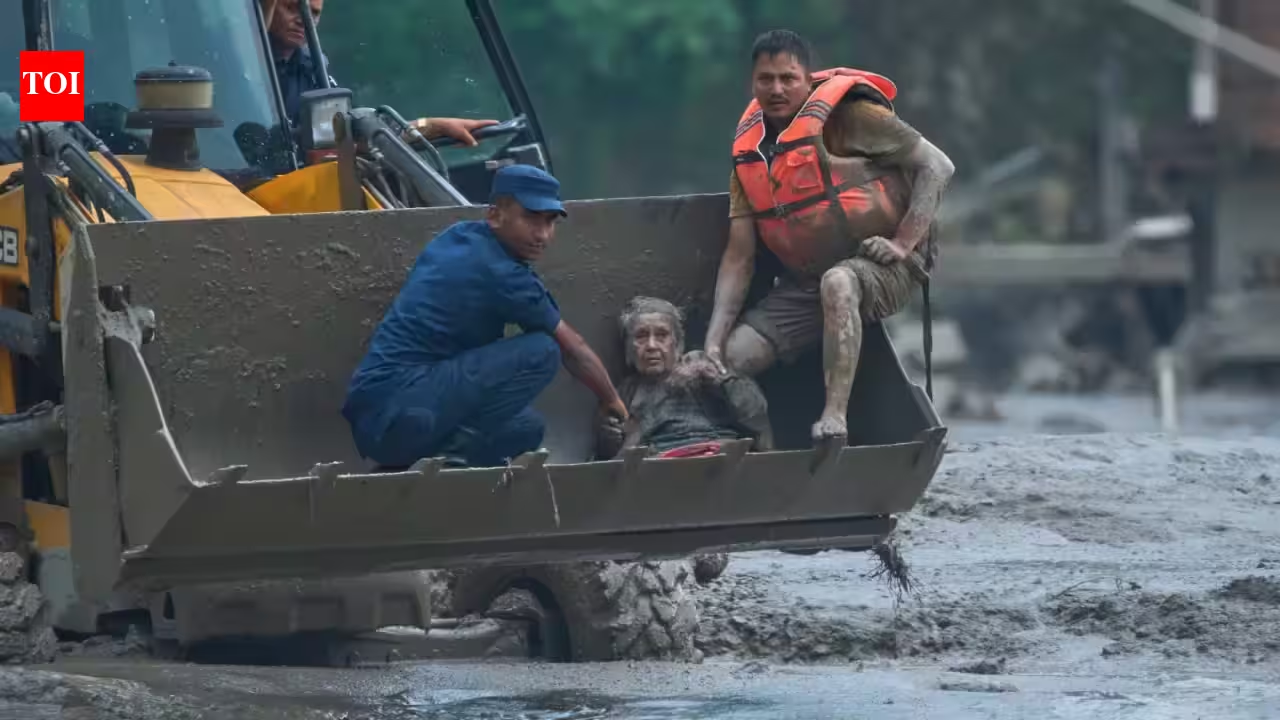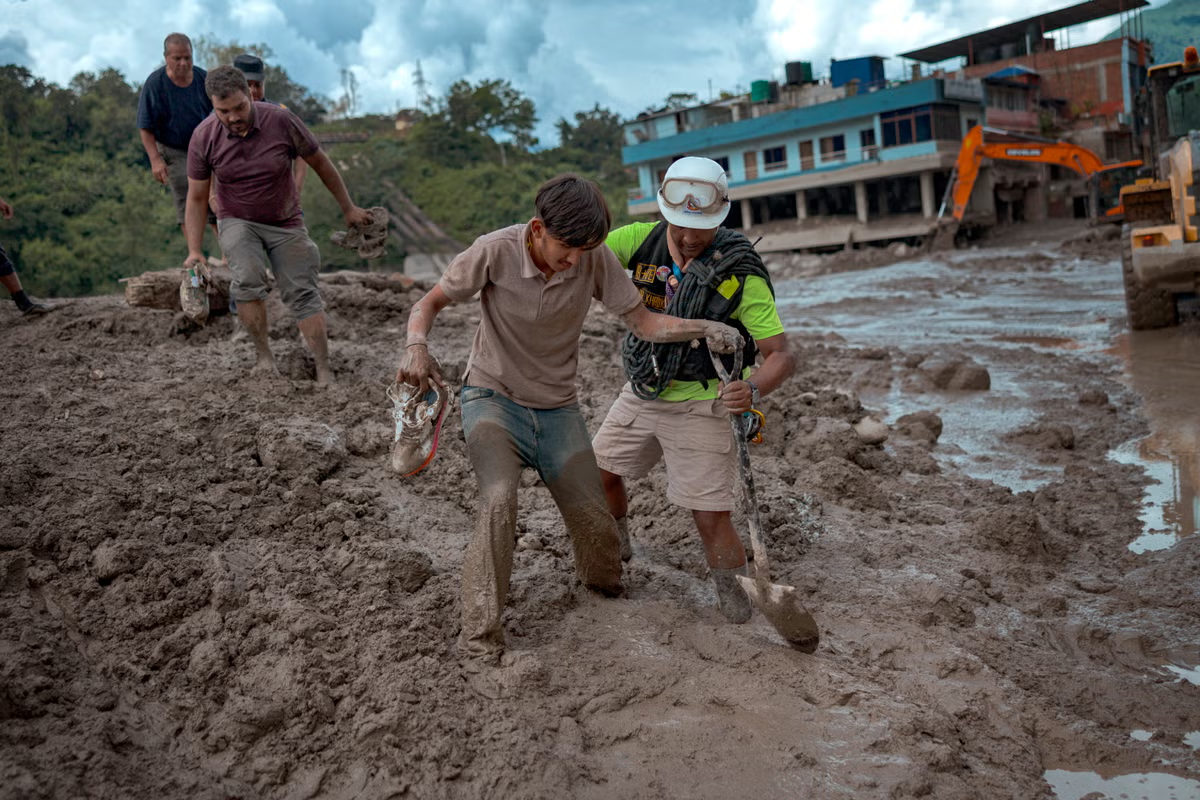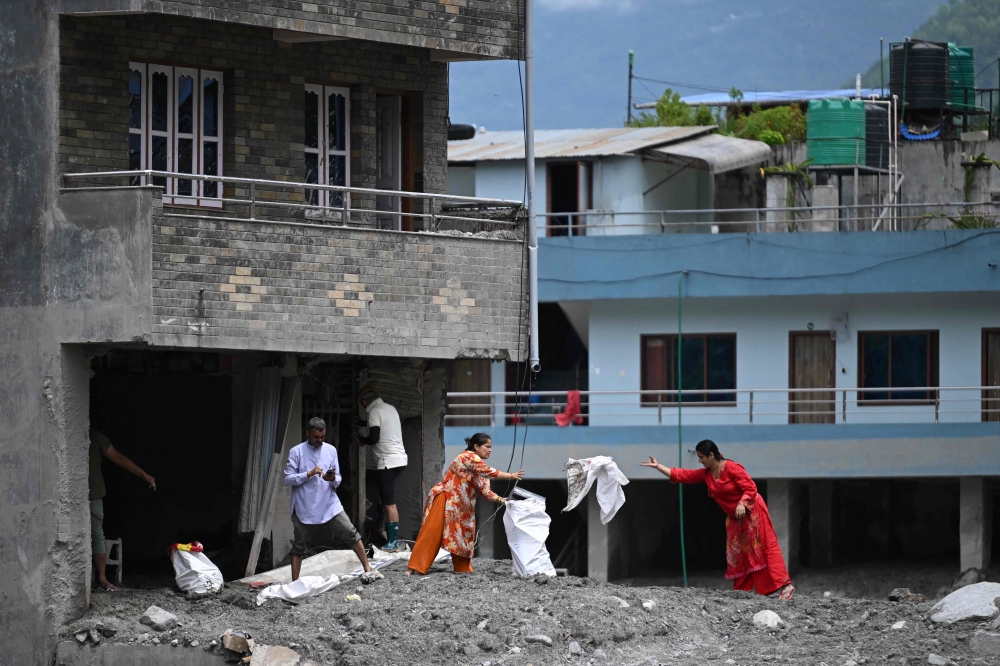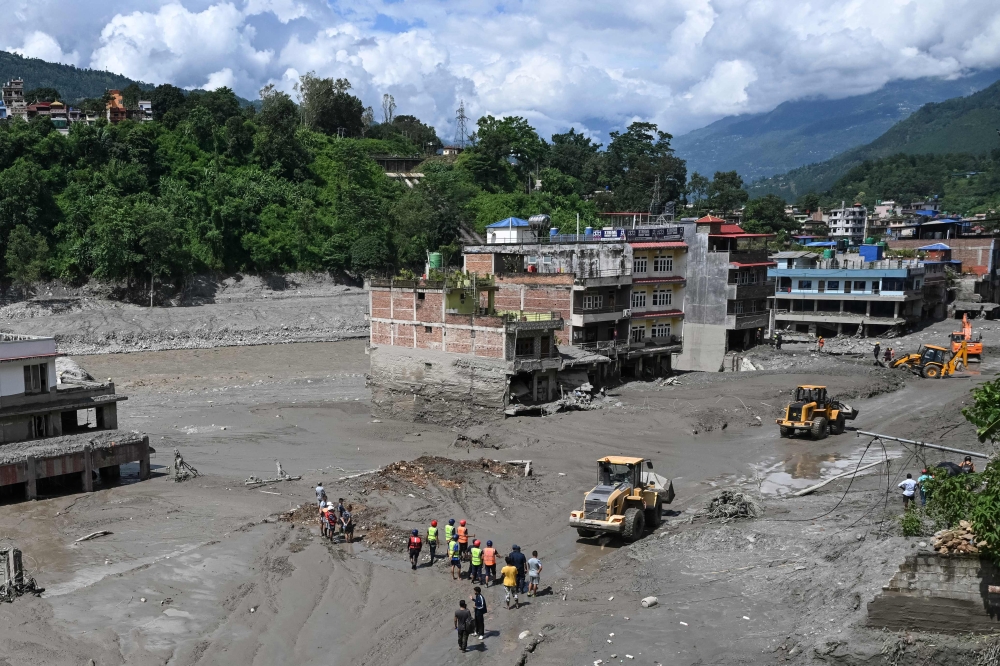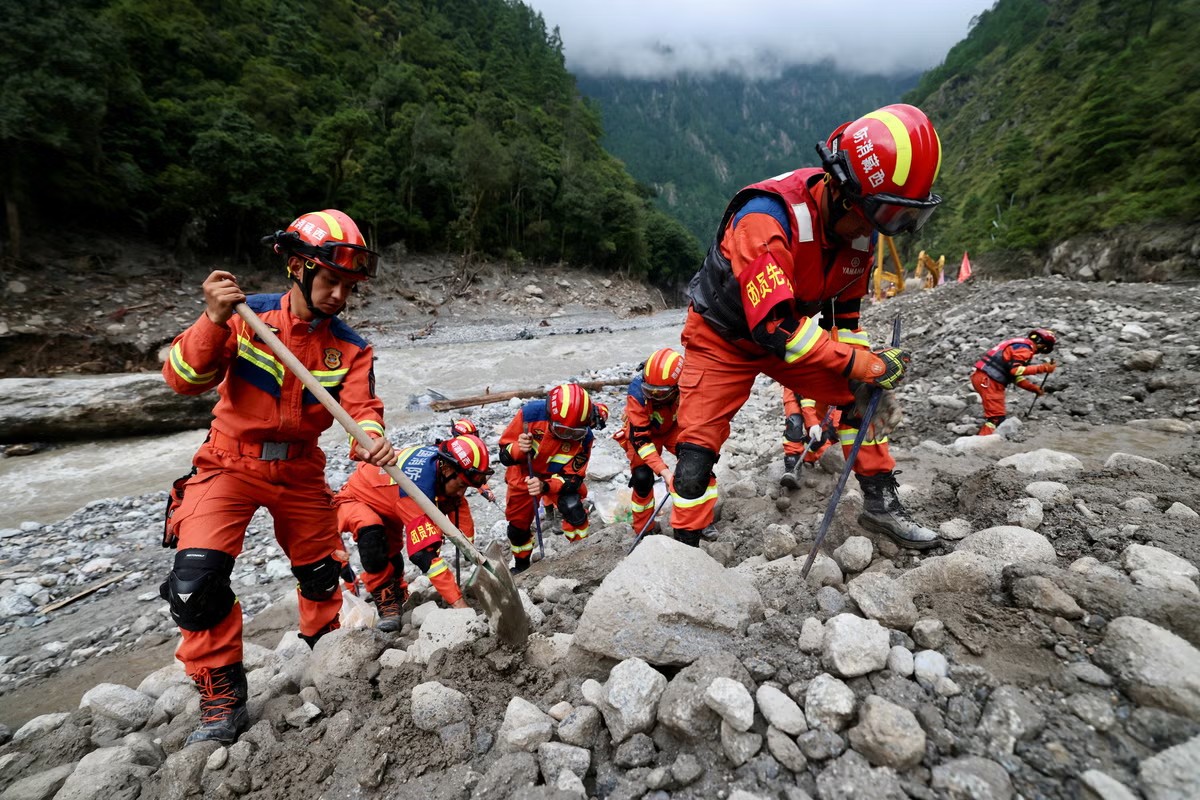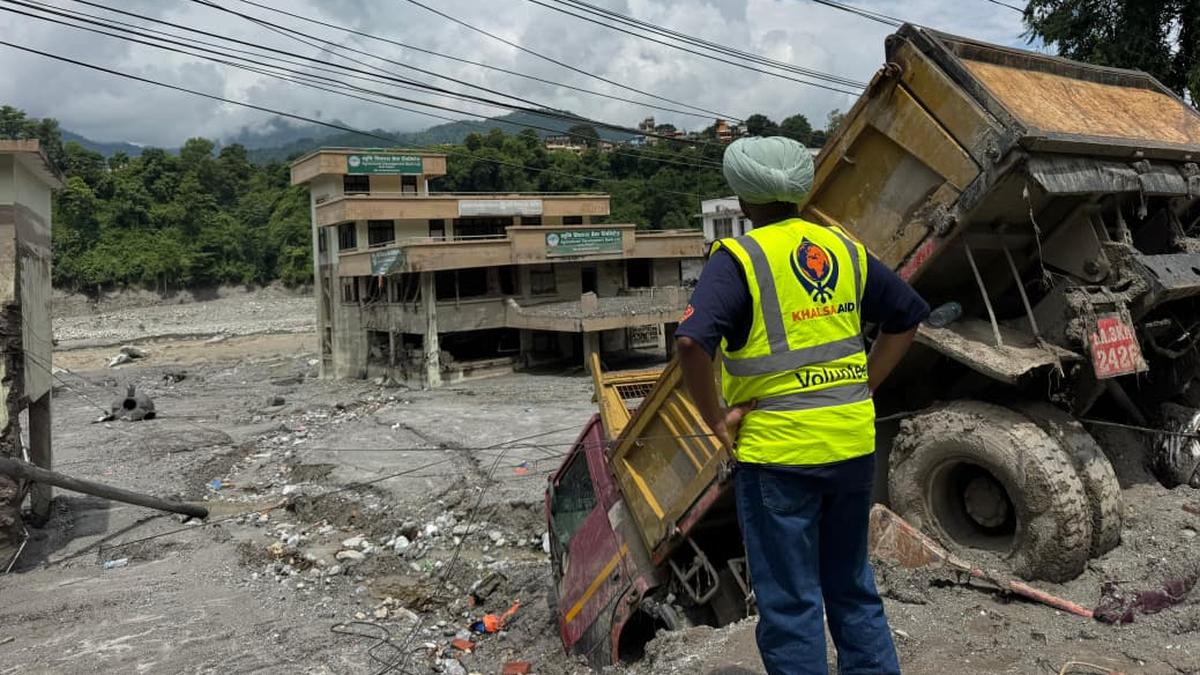
Thick slush swallowing houses, roads turned treacherous, the stench of decomposing bodies of people and animals hanging in the air, and army camps transformed into makeshift mortuaries where ambulances arrive carrying the dead — these are scenes from Nepal’s flood-ravaged valleys, as described by Khalsa Aid volunteers working in the worst-hit areas.For these volunteers who have spent the past three days moving through the affected areas, the devastation along Nepal’s border with Tibet is difficult to comprehend. In Nuwakot, Rasuwa and Dhading, entire stretches of villages and markets have been buried under mud and debris after a sudden flood tore through the mountain valleys.“Today, if you go, you will not see water. But there is a lot of slush. Buildings are fully submerged in it. Many bodies are buried inside this,” said Manohar Naidu, a Bengaluru native who is currently in Nuwakot with Khalsa Aid.“Even when we are trying to walk on the sides, we are slipping into the slush. The entire area is now stinking because of all the dead bodies of humans and animals. The situation on the ground is really bad,” Mr. Naidu said.The disaster began on Wednesday (August 26) when a section of a Himalayan glacier collapsed near the Nepal-China border, sending a mass of ice, rock and debris into the Lhende river system. The resulting surge swept through Nepal’s Rasuwa district before moving downstream into Nuwakot and Dhading.
Nepal floods: ‘Bodies buried in slush, families refusing food’, Khalsa Aid volunteers witness devastation
Khalsa Aid volunteers witness heartbreaking devastation in Nepal floods, providing aid to families amid overwhelming loss and despair.
926 words~4 min read