Florida gets a lot of attention for its sinkholes, especially when they swallow cars and entire houses. But its sinkhole risk has nothing on Alaska’s.
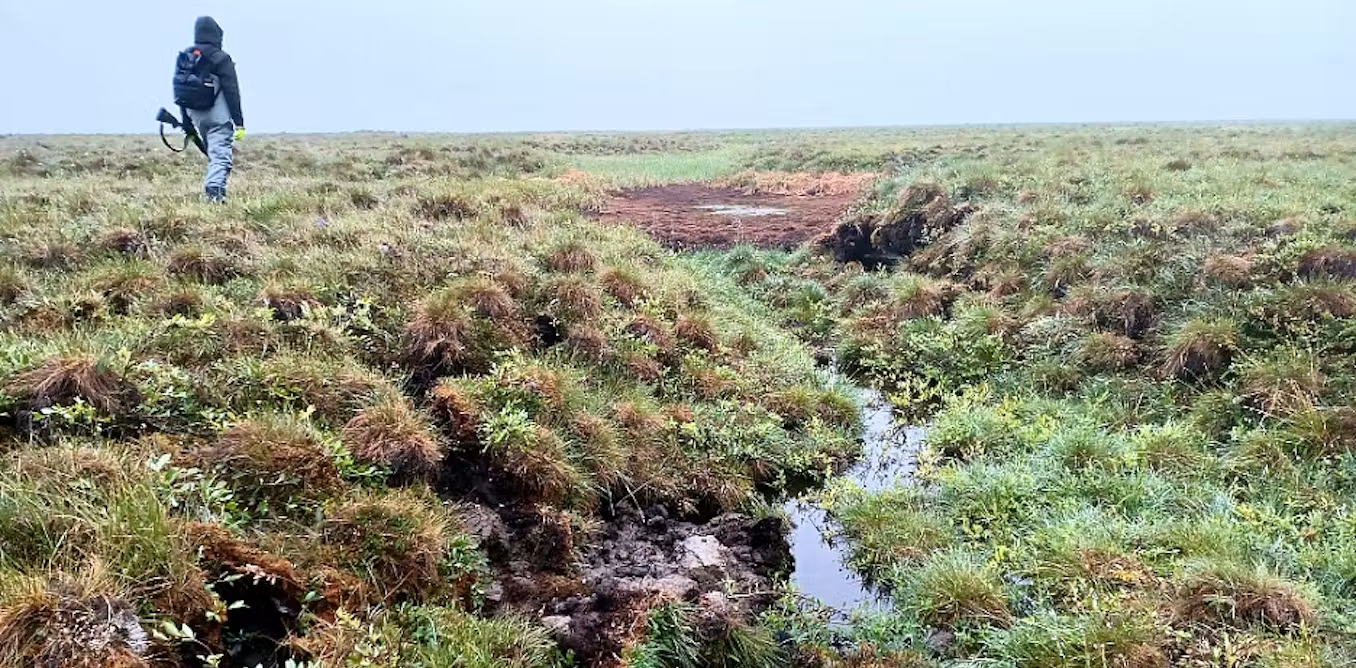
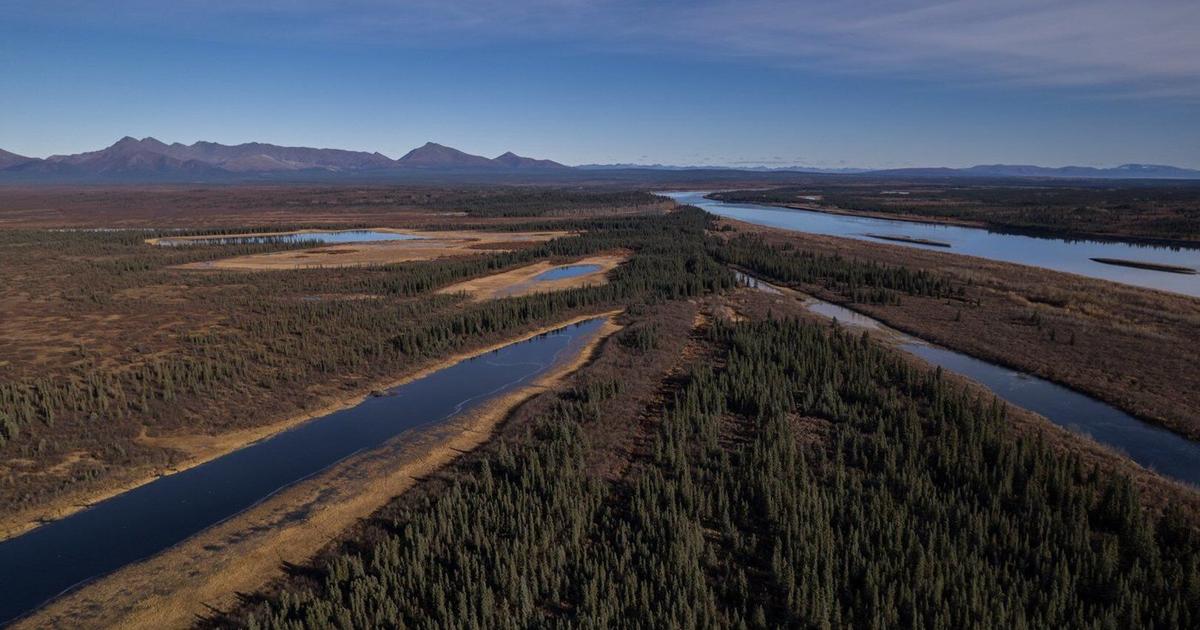
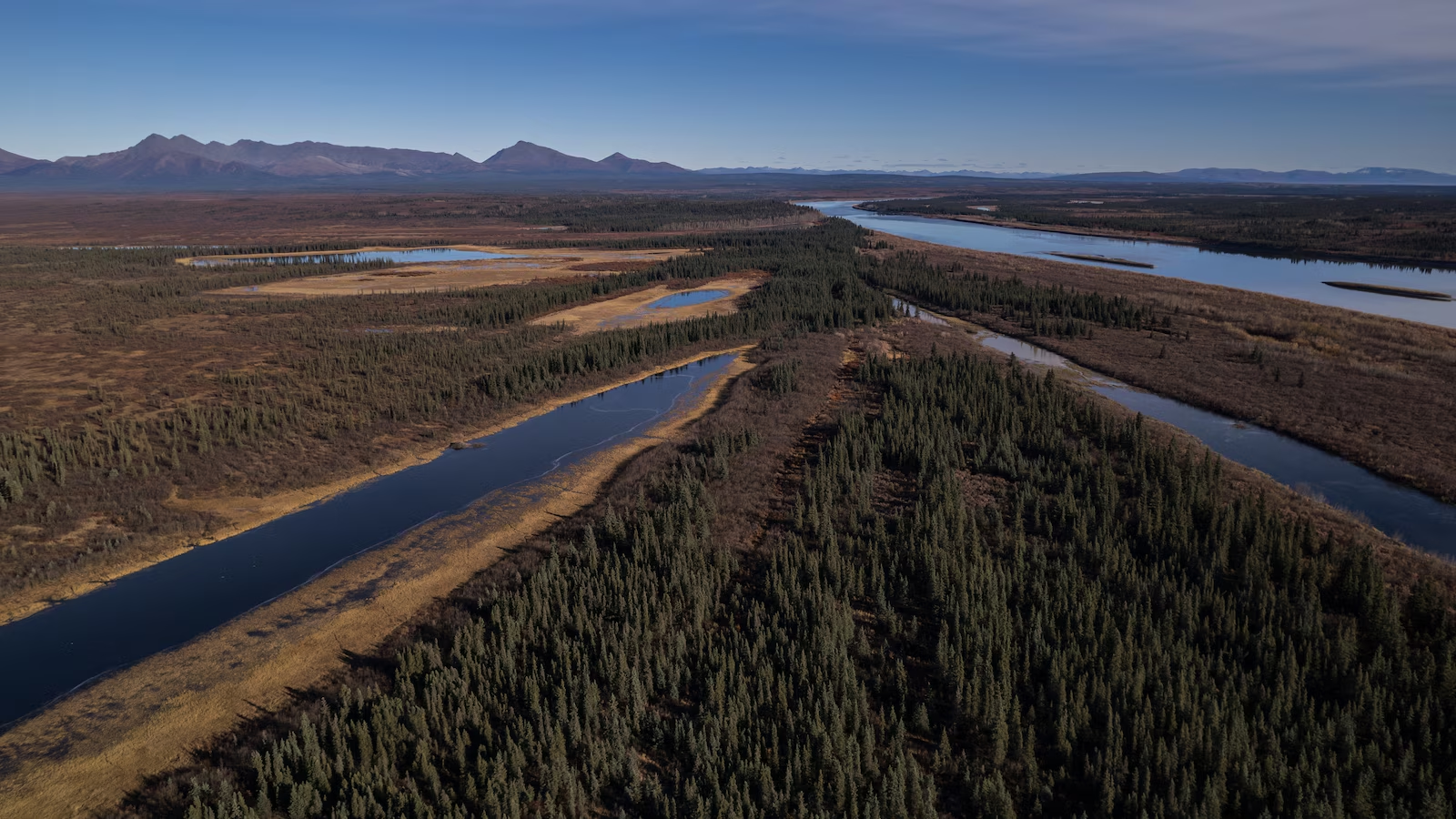
Much of Alaska’s soil is permafrost – ground that remains below 32 degrees Fahrenheit (0 degrees Celsius) for at least two consecutive years. It is often rich with ice, but when that ice melts, the ground can collapse. As temperatures rise, that’s happening more often across the Arctic.
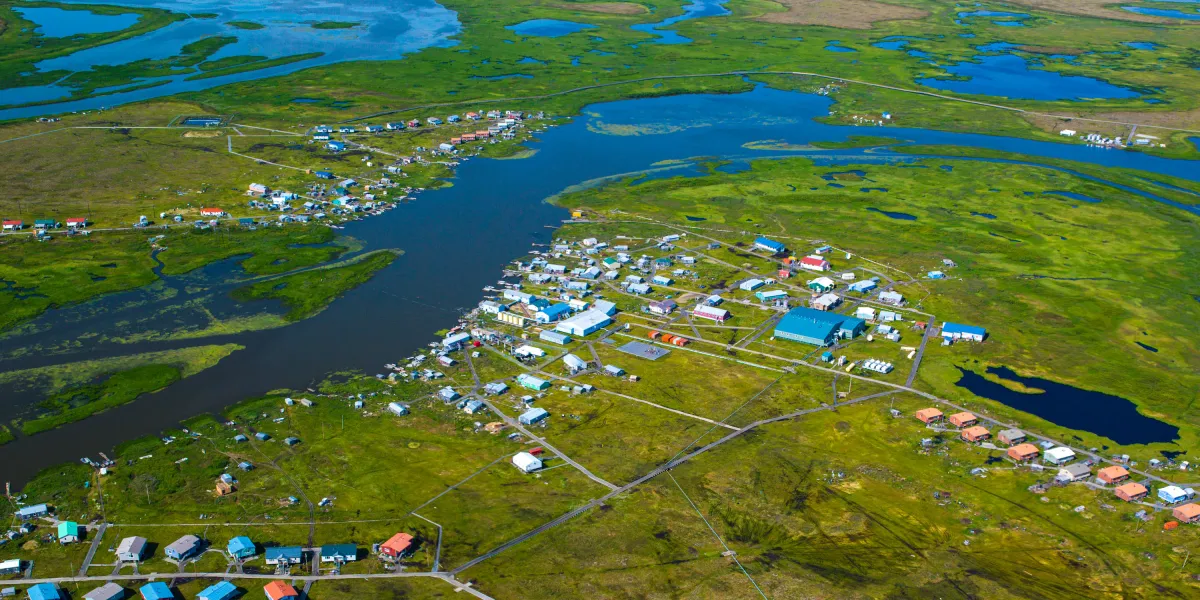
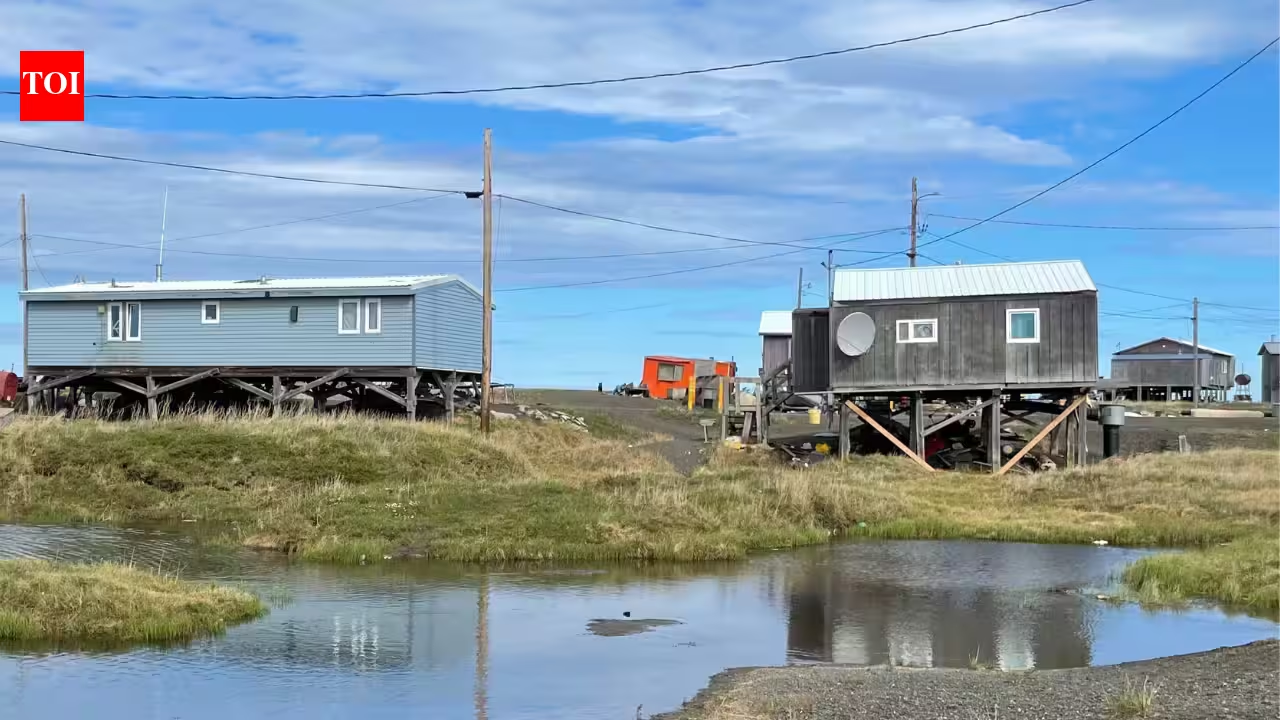
The consequences are the same as in Florida: substantial property damage as the land that buildings, roads and pipes were built on sinks.
Thawing permafrost caused the land to sink and this relatively modern hut in Spitsbergen, Norway, to tip over. Martin Zwick/REDA/Universal Images Group via Getty Images
Yet despite the high potential for damage, up-to-date maps of permafrost thaw that could help Arctic residents and community leaders prepare are often rare. To fill in the gap, our team, led by hydrologists and data scientists, created an interactive website to track permafrost thaw in near-real time across the Arctic, using a unique quality of the Arctic’s version of the sinkhole.