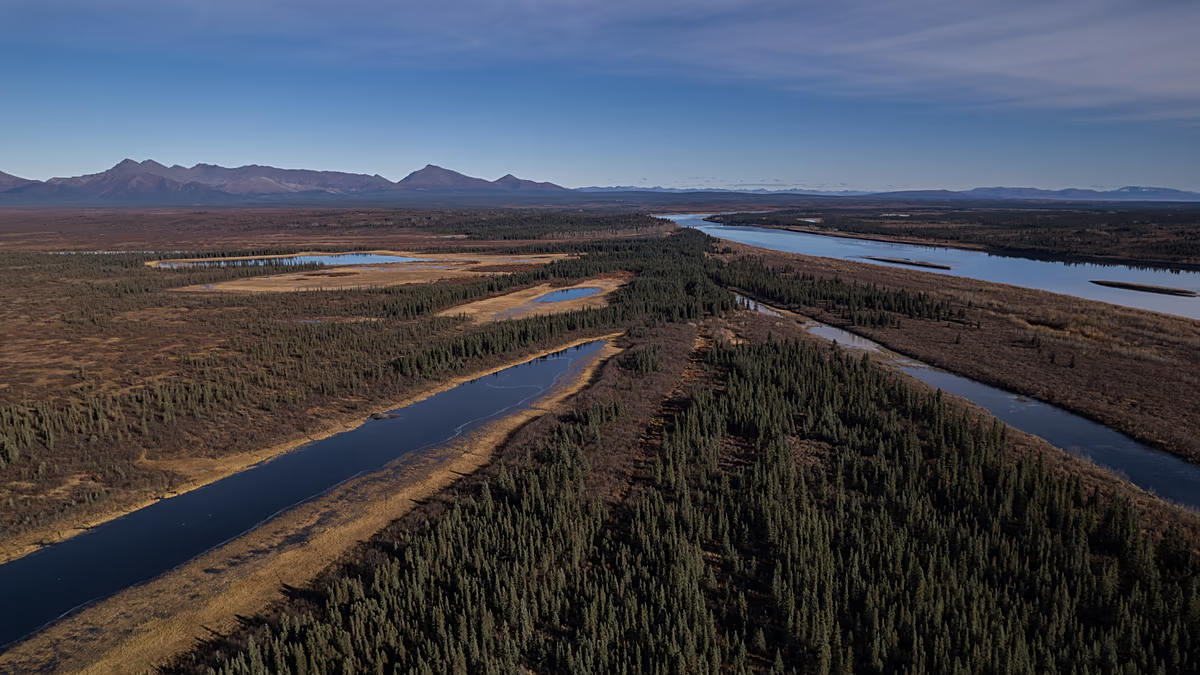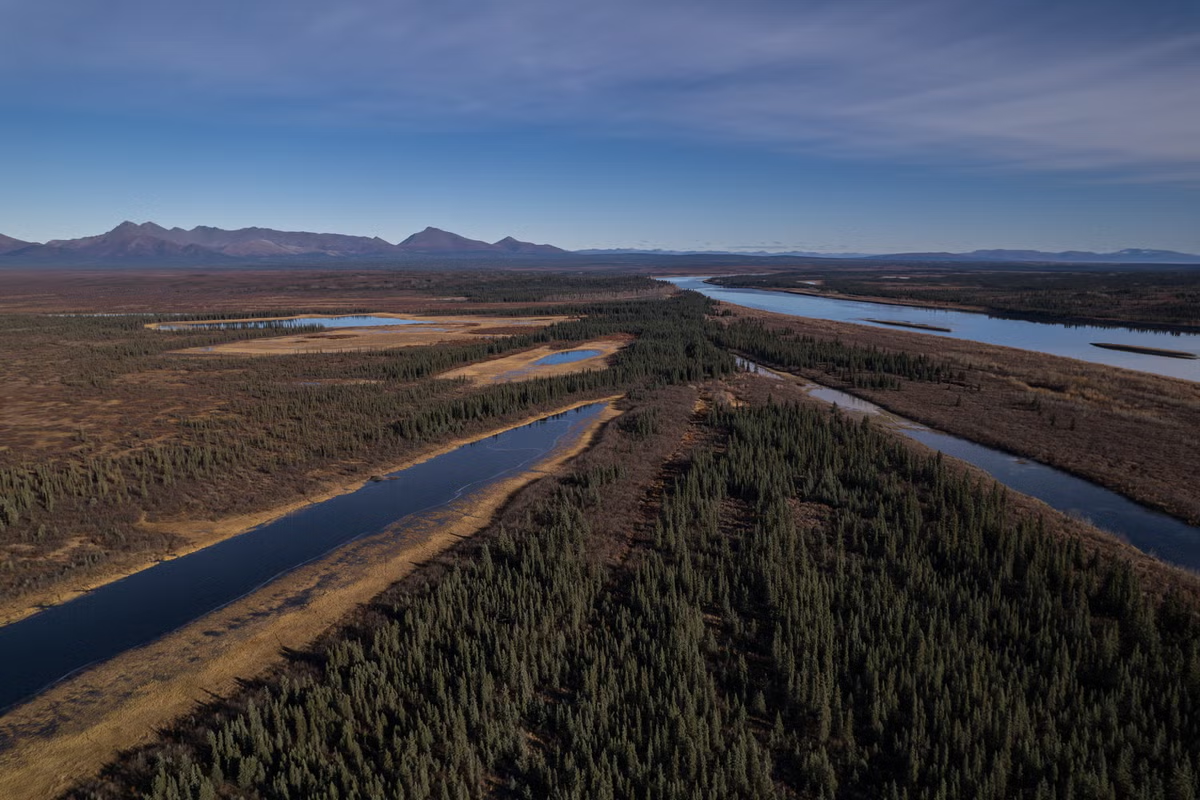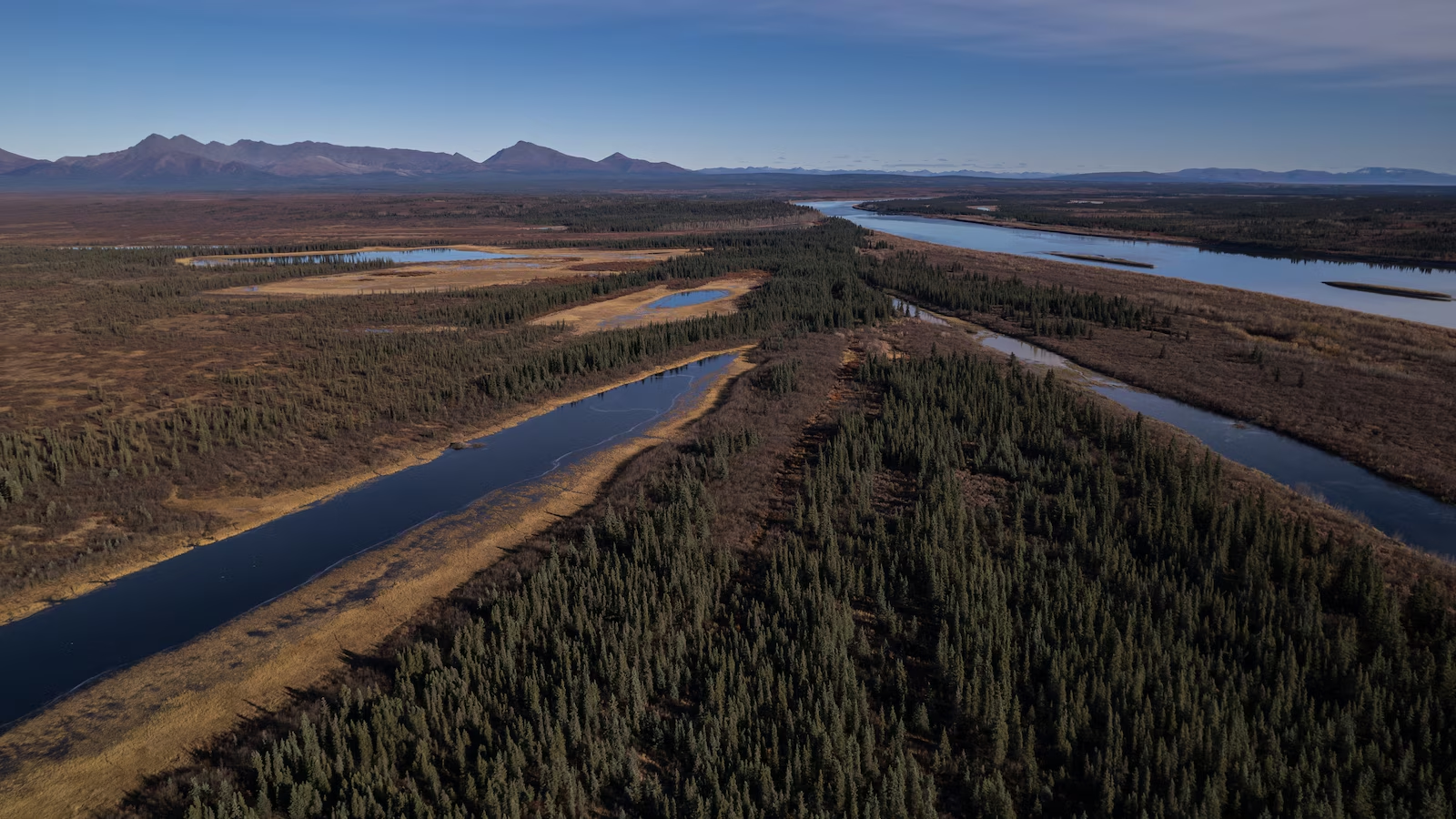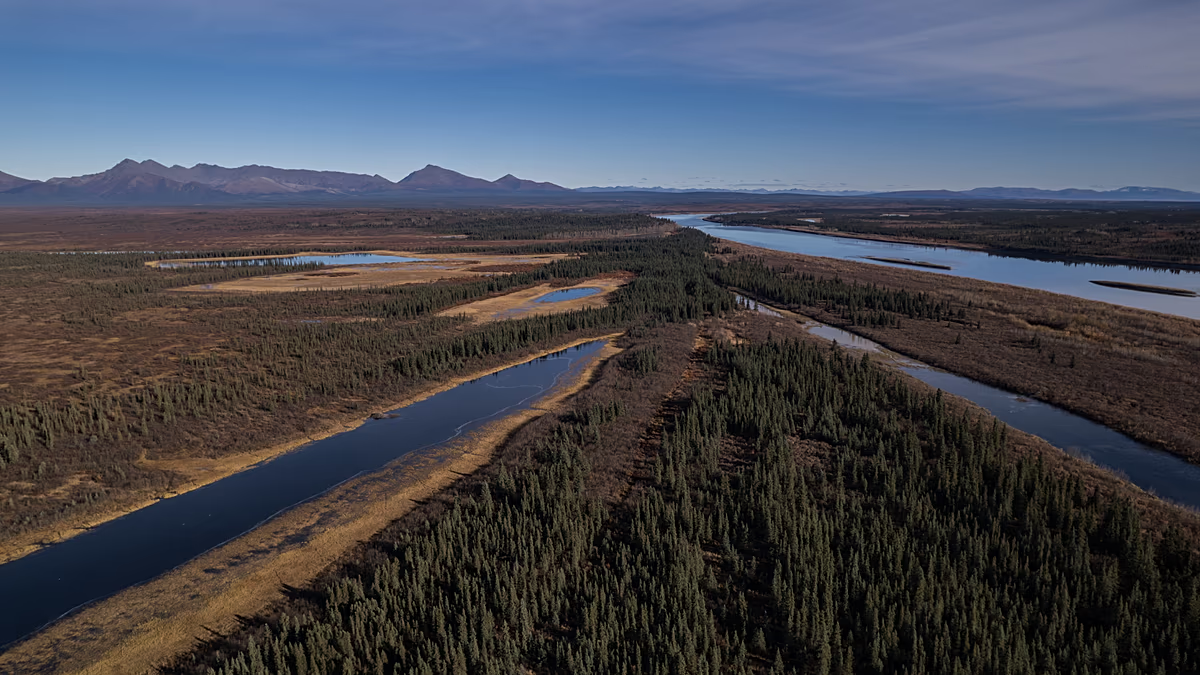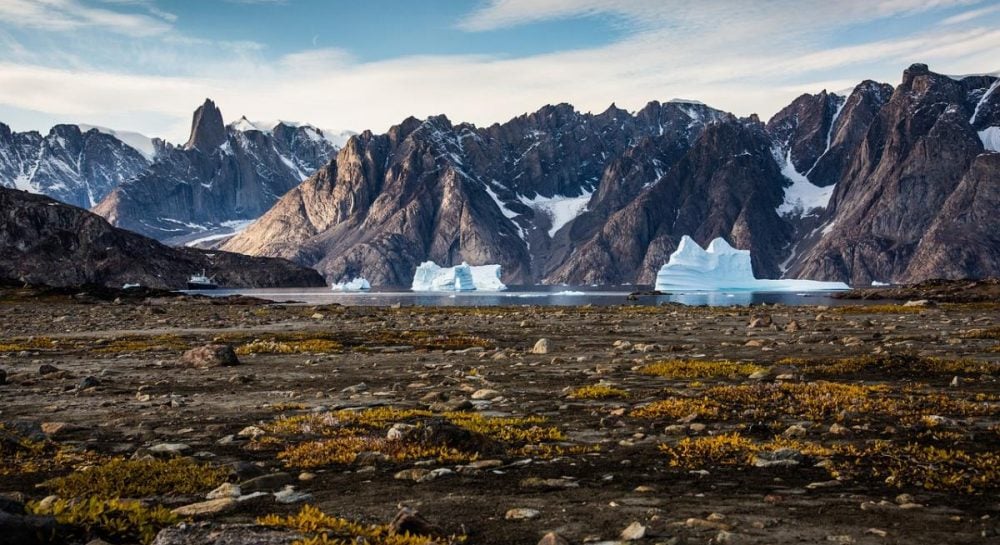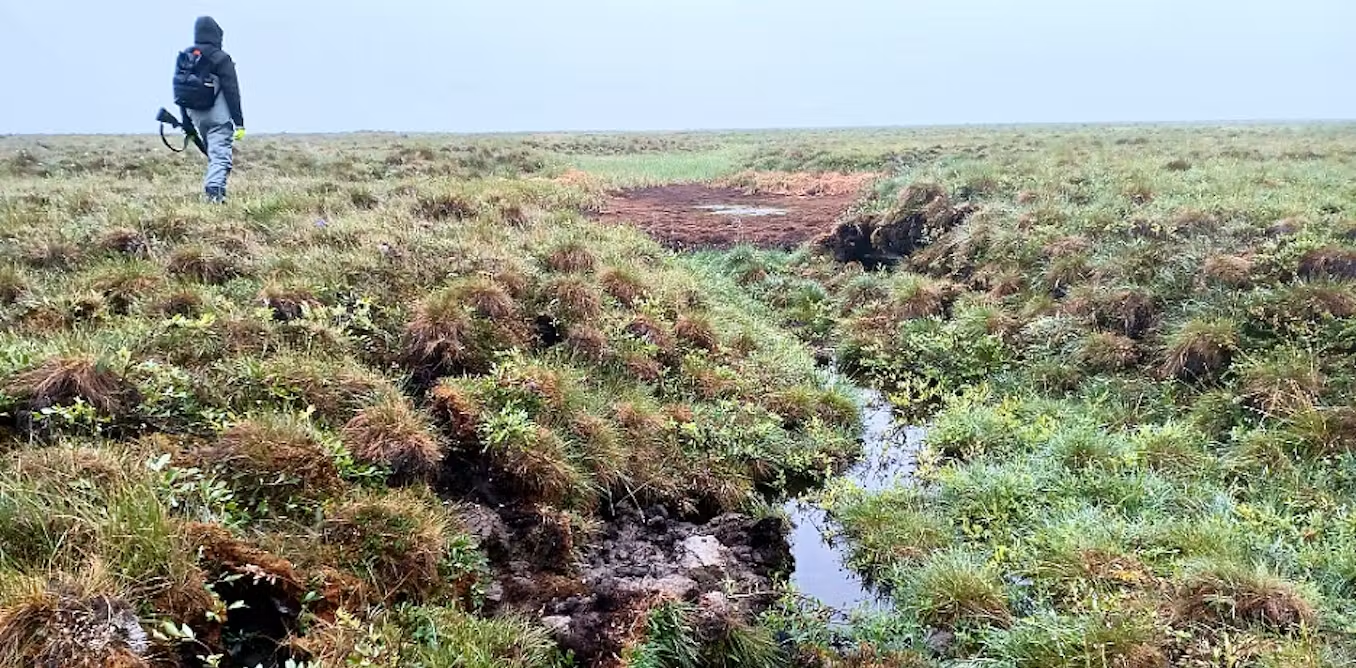
Jump to contentAllNewsSportCultureLifestyleResearchers at Toolik Field Station on Alaska's North Slope are studying how climate change is altering Arctic tundra plant life, which historically remained tiny due to extreme cold, high winds, and frozen permafrost. The region has warmed by approximately 2.7 degrees Celsius over the past 40 years as a result of fossil fuel emissions, causing existing miniature plants to grow significantly taller and greener. A process known as shrubification is occurring as larger plant species move north, creating darker plant canopies that absorb more solar radiation and accelerate climate change through Arctic amplification. The expansion of taller shrubs also traps additional snow, warming the underlying ground and allowing soil microbes to release increased amounts of the heat-trapping gas methane during winter. Scientists from Florida Atlantic University are investigating whether harsh Arctic conditions encourage plant cooperation rather than competition, studying examples such as the parasitic Arctic lousewort which attracts pollinators to benefit neighbouring flora. In fullA lush knee-high jungle grows in the Arctic, but warming is changing Earth's mini-greenhouseMore bulletinsThank you for registeringPlease refresh the page or navigate to another page on the site to be automatically logged inPlease refresh your browser to be logged in
How the climate crisis is changing the Arctic’s ‘mini-jungle’
Jump to contentAllNewsSportCultureLifestyleResearchers at Toolik Field Station on Alaska's North Slope are studying how climate change is altering Arctic tundra plant life, which historically remained tiny due to extreme cold, high winds, and frozen permafrost. The region has warmed by approximately 2.7 degrees Celsius over the past 40 years as a result of fossil fuel emissions, causing existing miniature plants to grow significantly taller and greener. A process known as shrubification is occurring as larger plant species move north, creating darker plant canopies that absorb more solar radiation and accelerate climate change through Arctic amplification. The expansion of taller shrubs also traps additional snow, warming the underlying ground and allowing soil microbes to release increased amounts of the heat-trapping gas methane during winter. Scientists from Florida Atlantic University are investigating whether harsh Arctic conditions encourage plant cooperation rather than competition, studying examples such as the parasitic Arctic lousewort which attracts pollinators to benefit neighbouring flora. In fullA lush knee-high jungle grows in the Arctic, but warming is changing Earth's mini-greenhouseMore bulletinsThank you for registeringPlease refresh the page or navigate to another page on the site to be automatically logged inPlease refresh your browser to be logged in