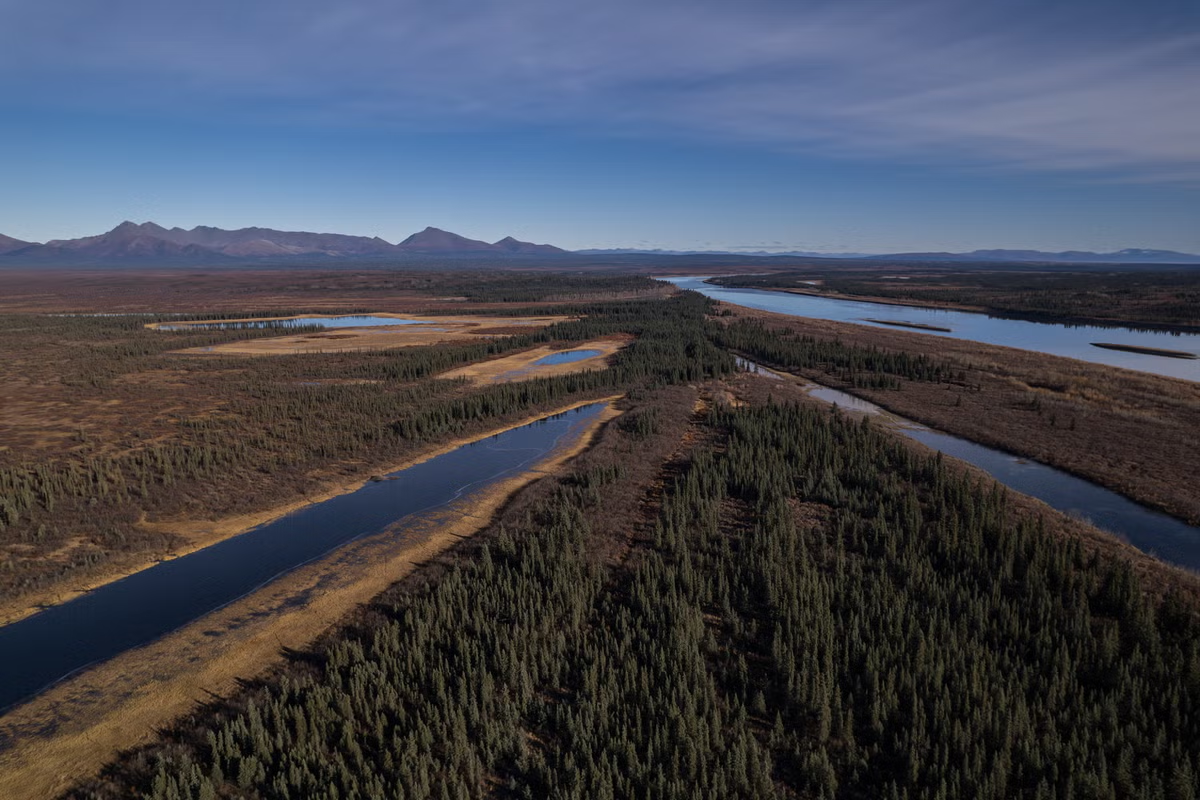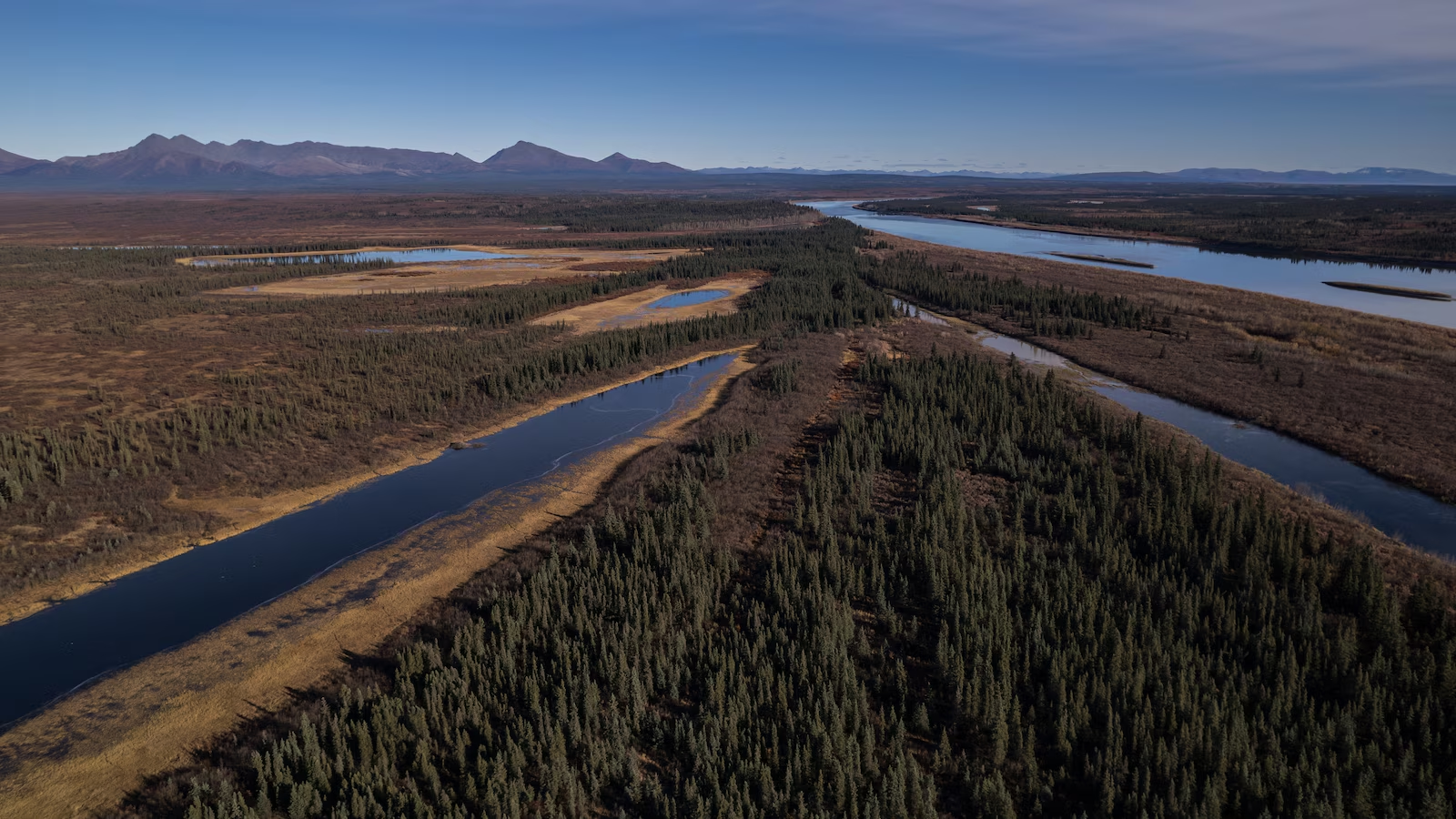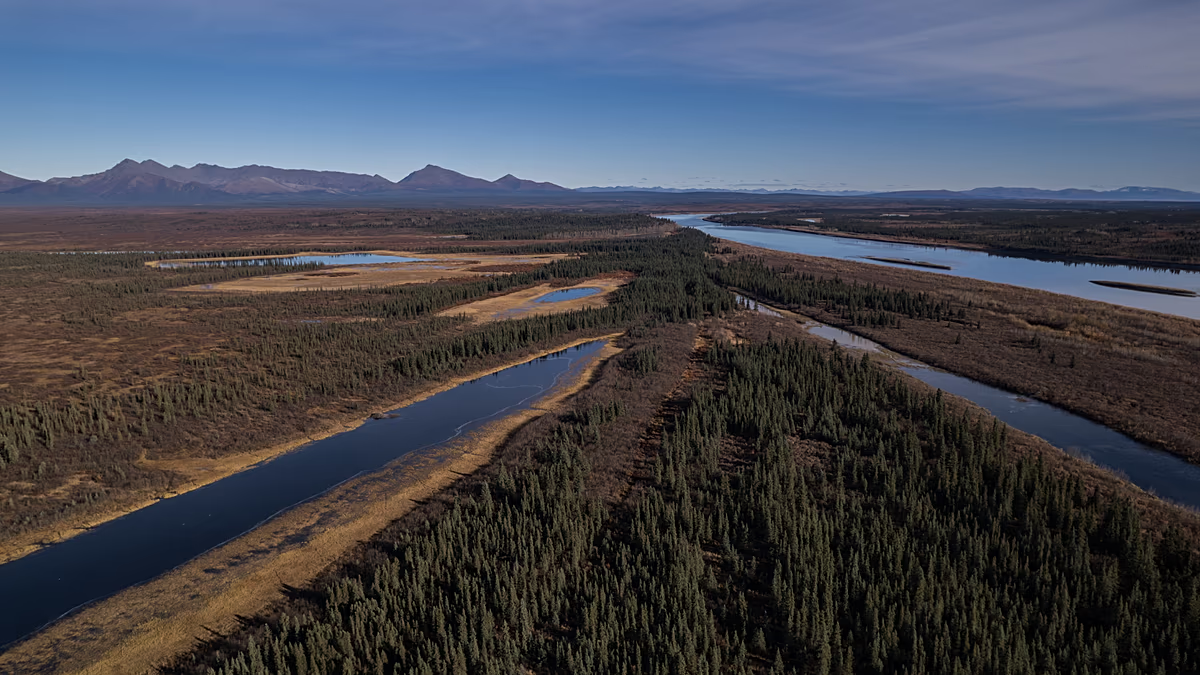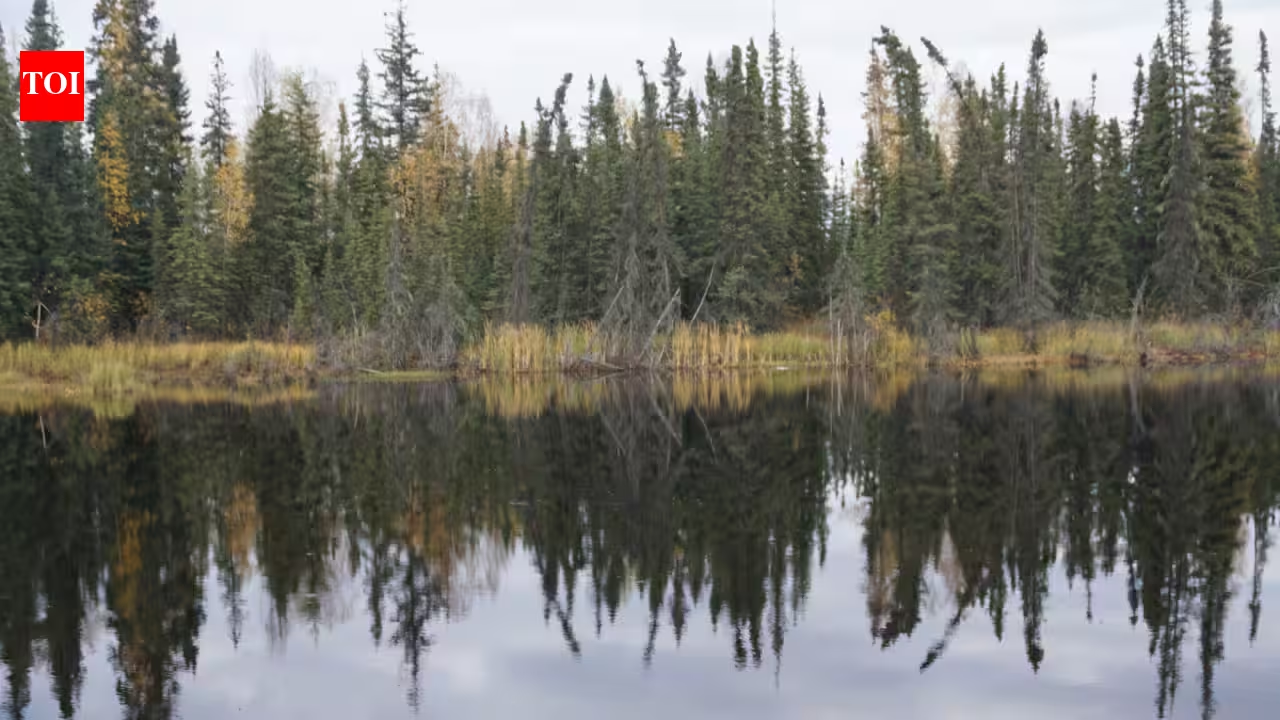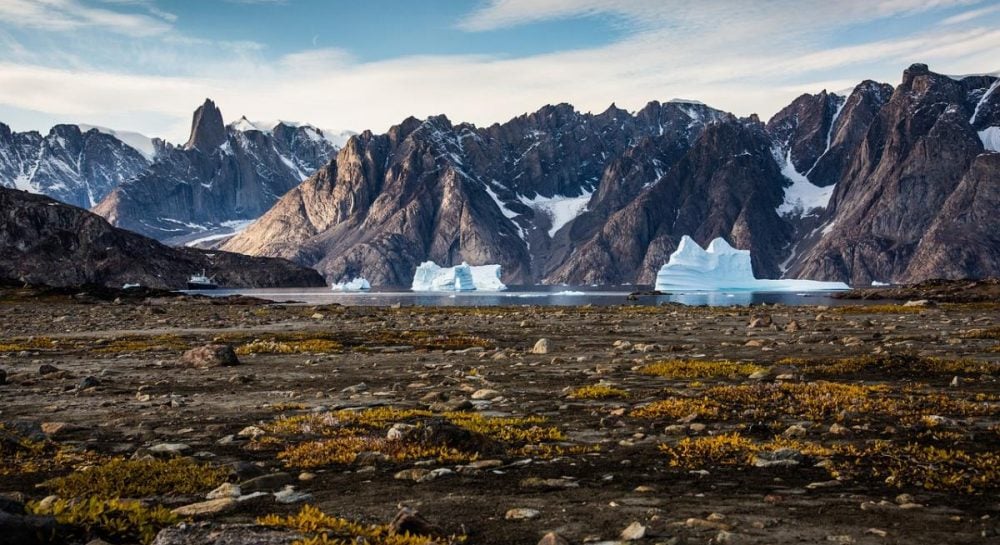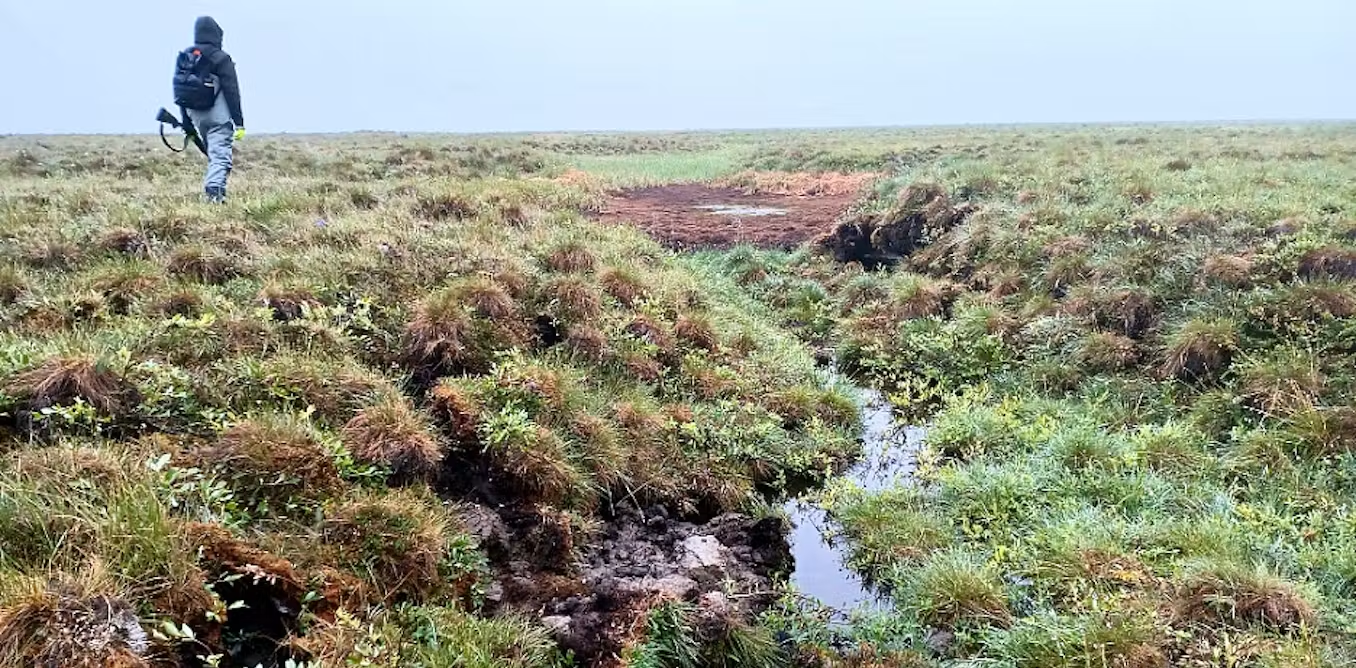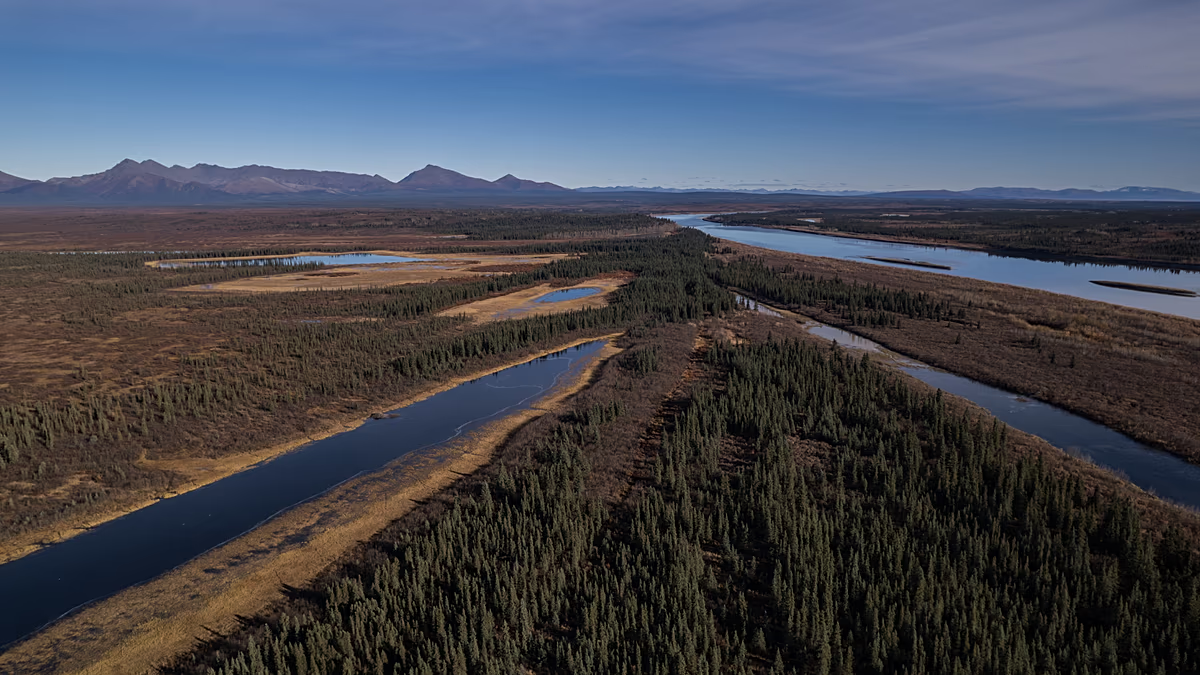
With no tall trees reaching to the sky, Alaska's North Slope tundra can look desolate.
But up close, “the tundra's kind of like the jungle”, says Adam Bloom, a Florida Atlantic University plant biology student. Except this lush Arctic jungle tops out at about 25 centimetres.
The spongy soil was frozen solid a few weeks earlier. Now, knee-high dwarf birch trees and short but showy rhododendrons sprout from the North Slope, a vast and sparsely populated treeless area stretching from the Brooks mountain range to the Arctic Ocean.
For centuries, Arctic cold has kept plant life small, a sort of dollhouse of Earth's miniatures. The extreme environment has long given researchers a unique perspective on what makes plants grow, insight that would be hard to obtain elsewhere.
Now it offers them one of the world’s most useful windows on how climate change affects plant life, with the Arctic warming four times faster than the rest of Earth, especially in the winter.