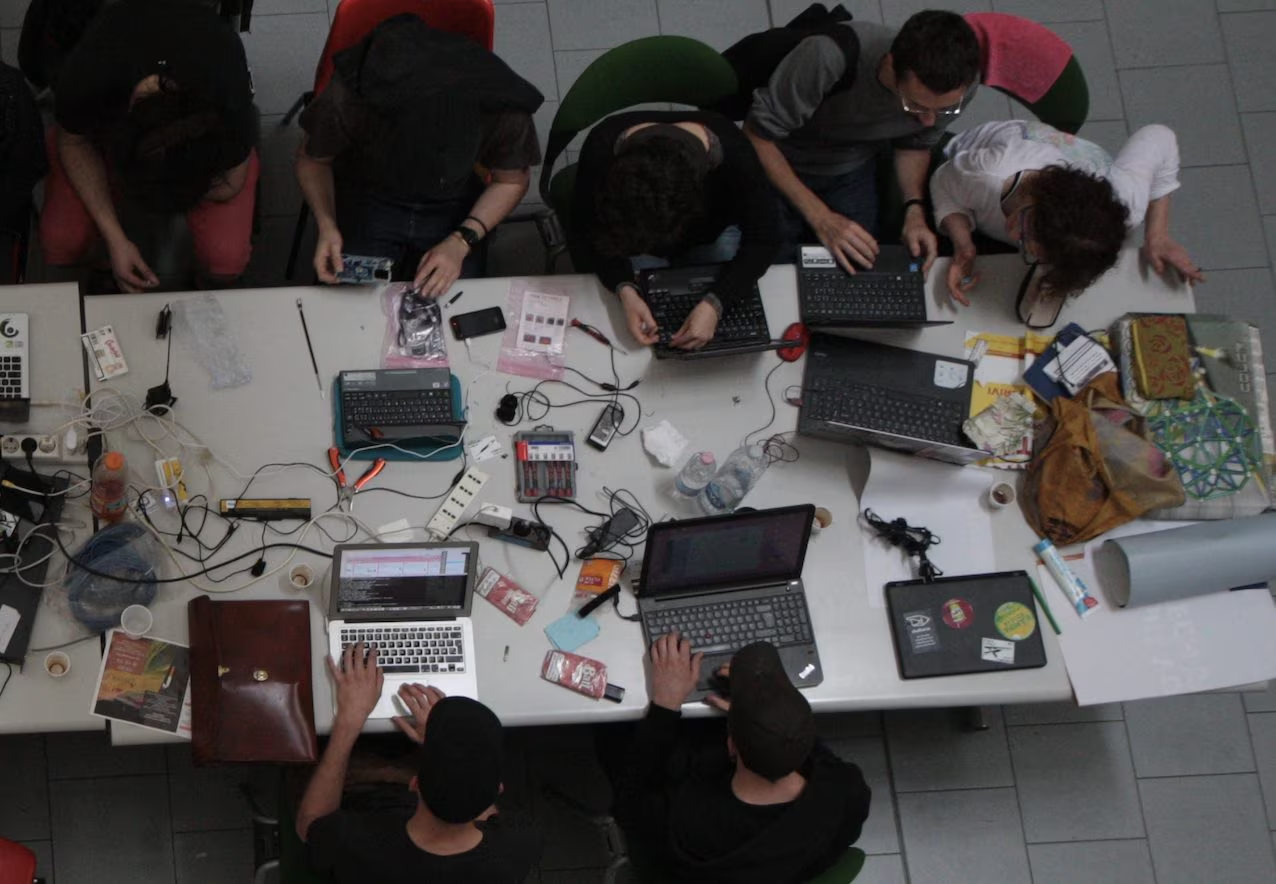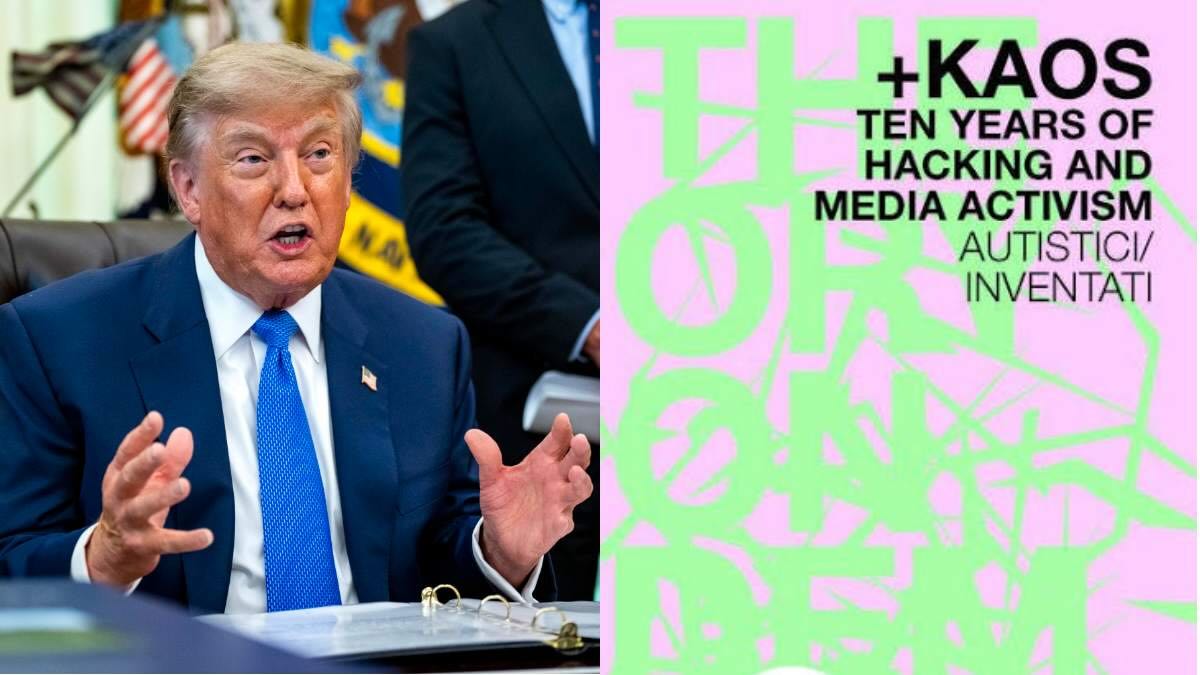
A new David-versus-Goliath battle is being waged on the internet, after the U.S. government’s war against Julian Assange and WikiLeaks. This time, the epicenter is Italy, and David is an Italian volunteer organization – a tiny collective of low-profile individuals who create and distribute encrypted email accounts, blogs, and mailing lists for free.
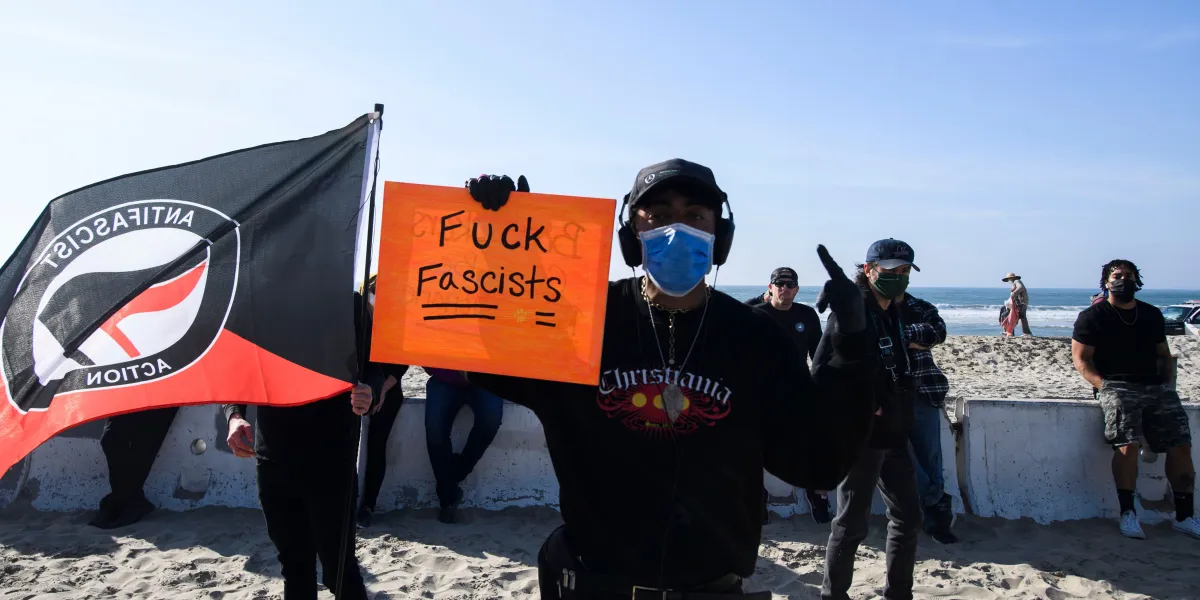
It is pro-privacy, anti-fascist, and anti-capitalist. It emerged twenty-five years ago from the utopian vision of the internet as a tool for liberation and the sharing of knowledge. In this era of Big Tech, of social media and its algorithms designed to keep users glued to their screens while siphoning off their personal data to resell for profit, this collective seems almost out of step with the times. They call themselves Autistici/Inventati and they have just come under fire from the U.S. government. The Trump administration has likened them to the digital arm of al-Qaeda and, in an unprecedented move, just added them to the list of global terrorist organizations, accusing them of providing digital services used by, among others, violent far-left American activists, Iran’s Revolutionary Guards, Hamas, and Hezbollah.
Il Fatto Quotidiano has sought to dig deeper into the allegations by questioning the U.S. State Department and speaking directly with the Autistici/Inventati collective as well as with experts in cryptography and digital rights. The picture that emerges is of a case that risks setting a grave precedent against freedom of expression, internet freedom and, ultimately, against political dissent. That is the view of Chip Gibbons, director of the American organization “Defending Rights and Dissent” and a longtime observer of the U.S. government’s war on press and internet freedom.