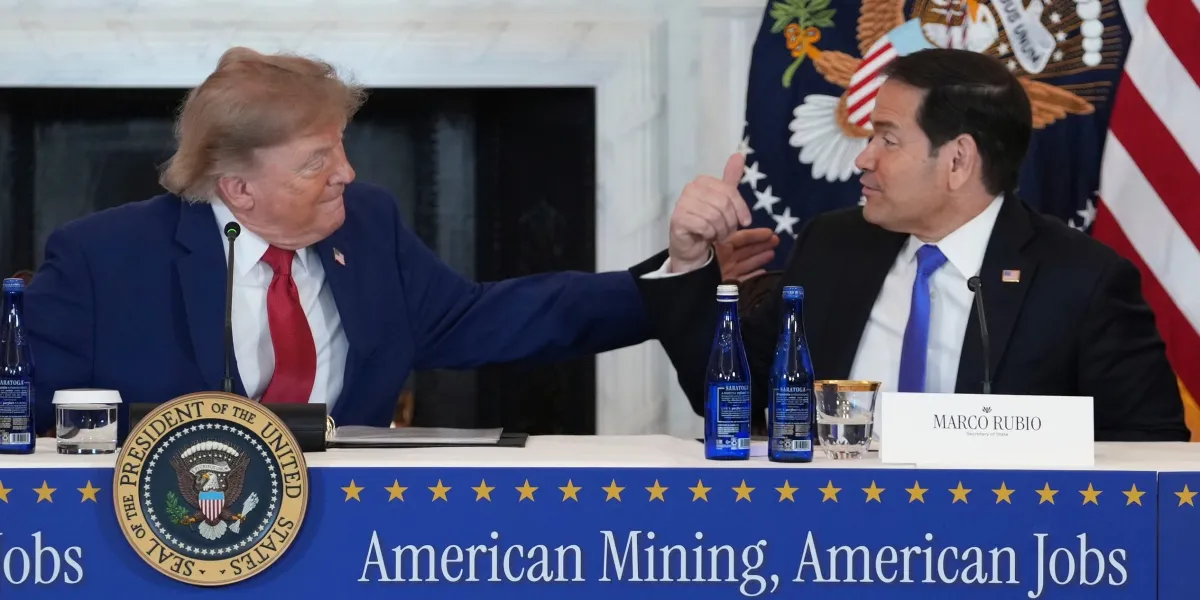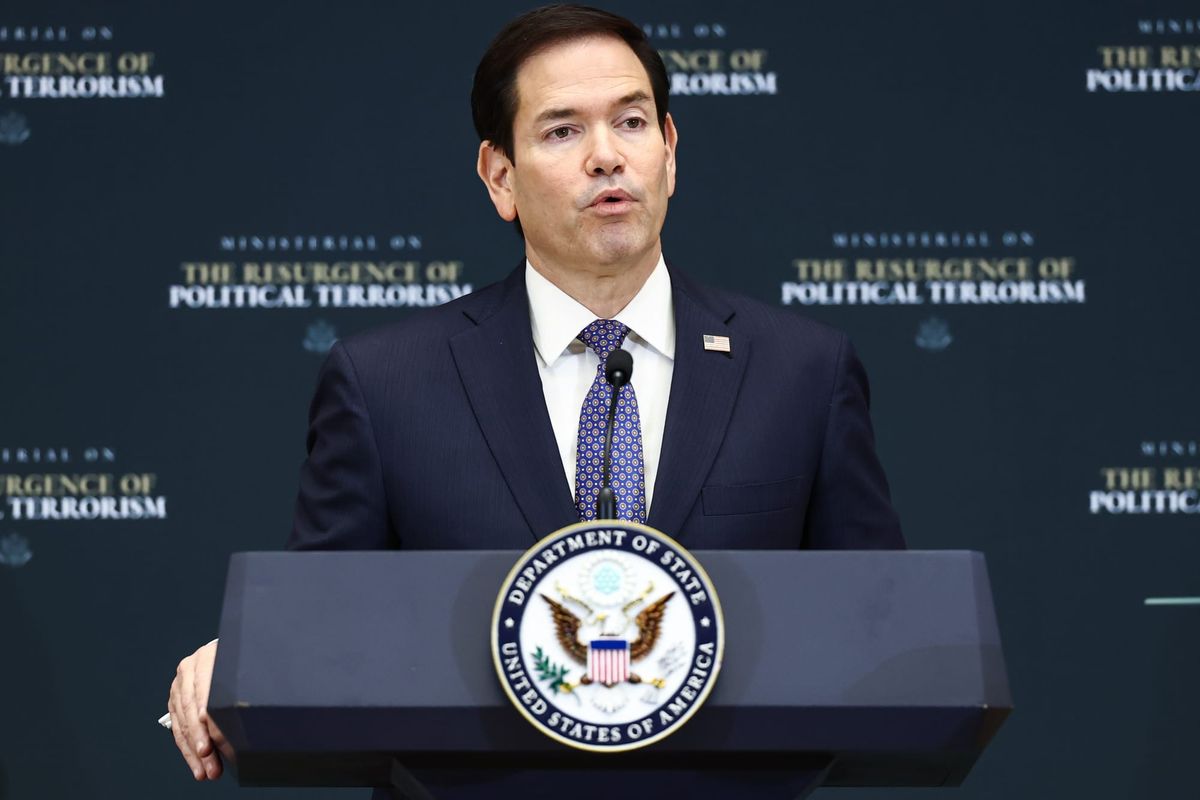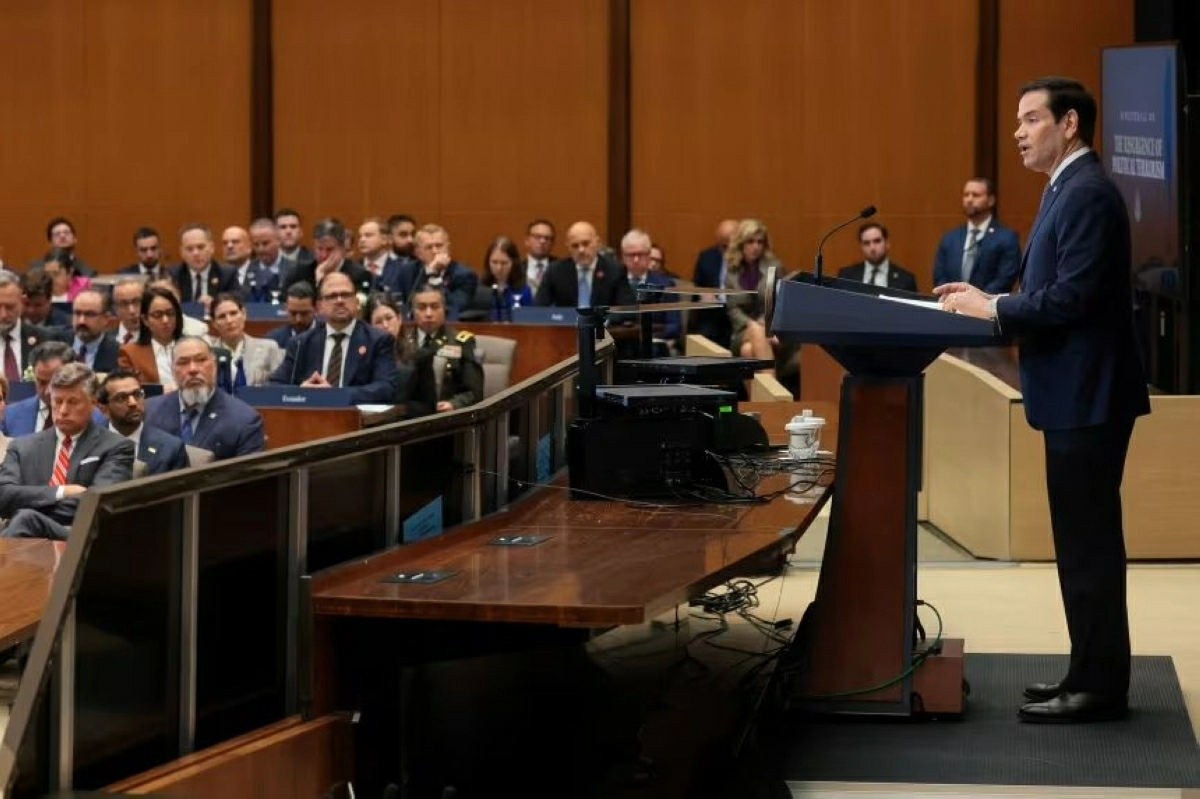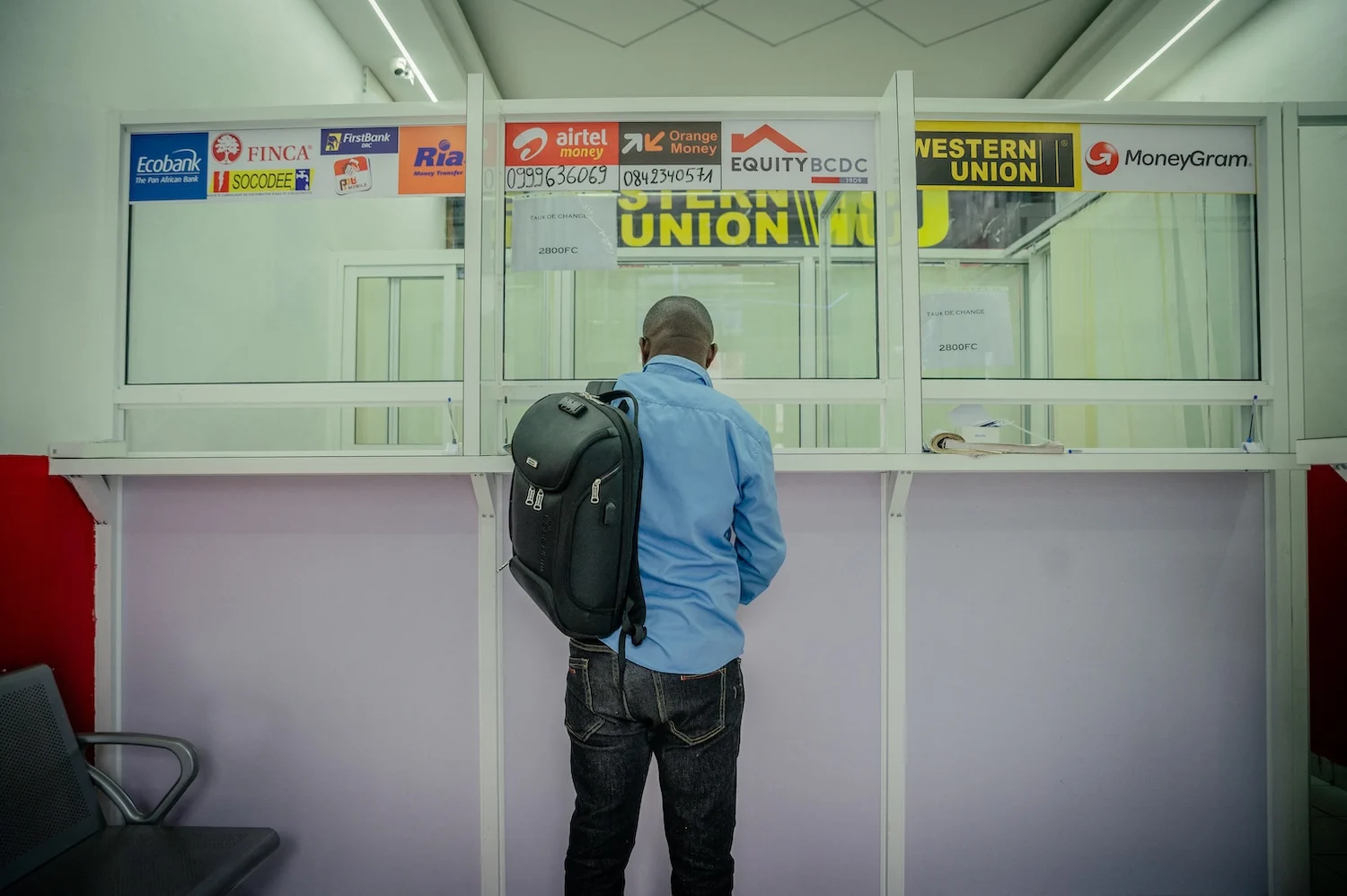
On July 16, U.S. Secretary of State Marco Rubio spoke at a summit bringing together representatives from more than 60 countries to discuss political terrorism. Like the Islamic State and al Qaeda, Rubio said, “Antifa militants and their comrades” now posed a “transnational threat,” and global powers should use the same tools used to fight jihadist groups to stop them. A key part of this strategy, he said, would be keeping these groups from using the global financial system.
This is not the first time that the Trump administration has used financial counterterrorism mechanisms for political purposes. More than a dozen officials from the International Criminal Court (ICC), including judges and prosecutors, and the United Nations’ special rapporteur on the occupied Palestinian territories have been put on a list of sanctioned individuals considered the gold standard for screening out nefarious entities. Those unlucky enough to be put on that list have found themselves cut off from a digital economy that pervades nearly all aspects of life.
“As a sanctioned person, I no longer have access to American products and services, even in Europe,” ICC Judge Beti Hohler told a European Parliament committee earlier this year. “My Apple ID, iCloud, Amazon, Airbnb, PayPal, and other accounts have all been blocked or canceled. These cancellations happened overnight without advance warning.”