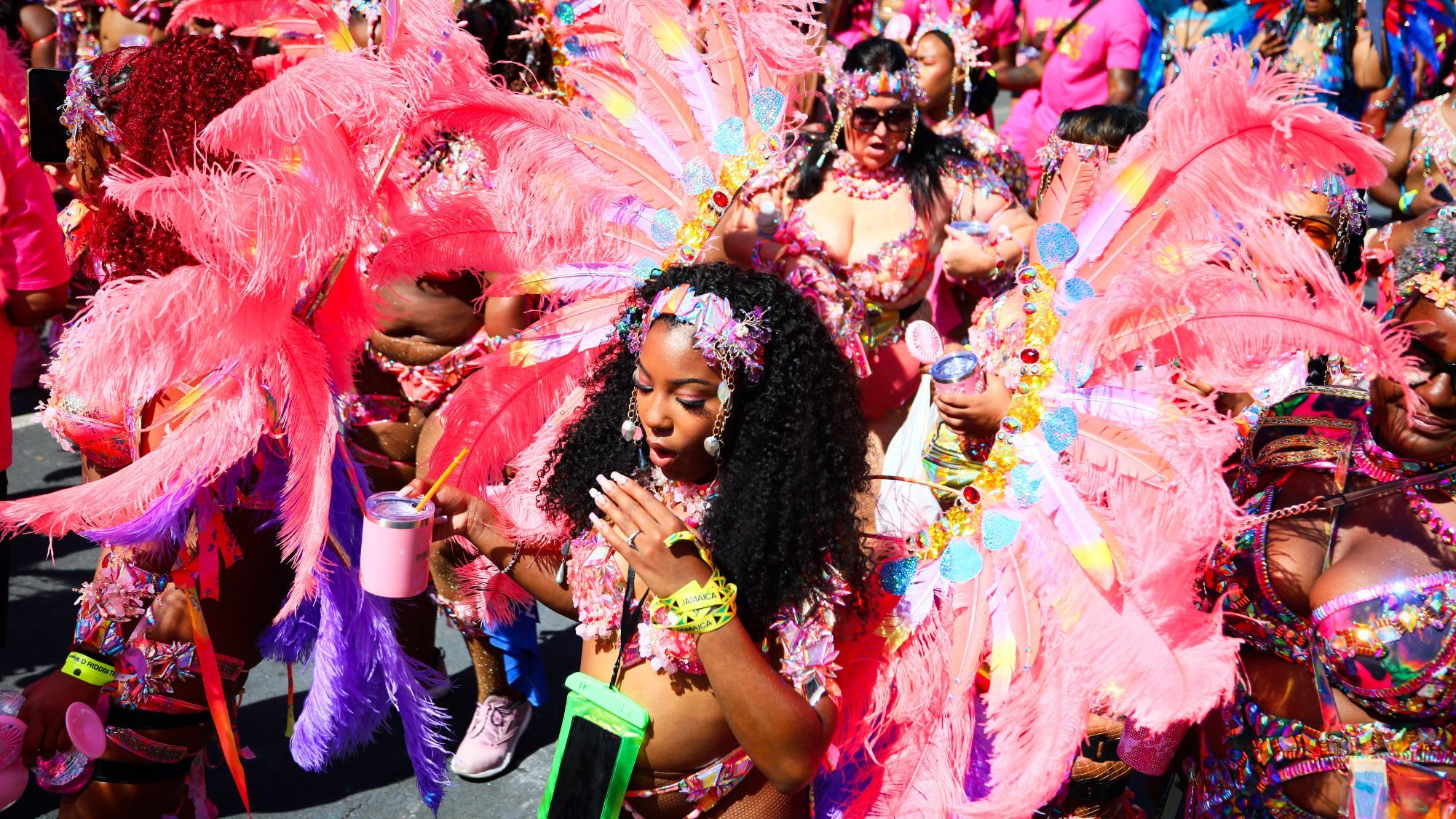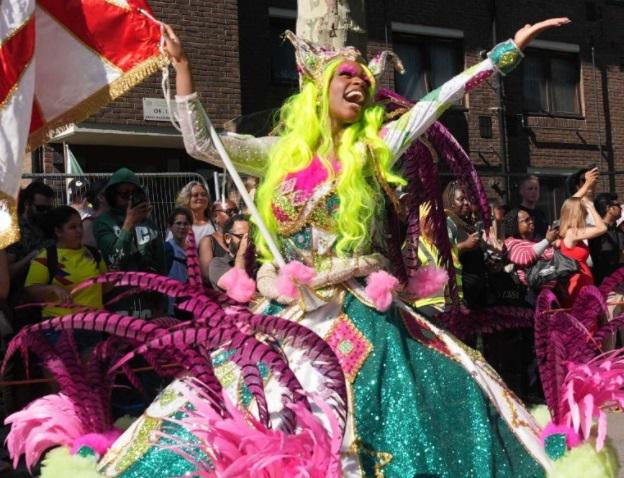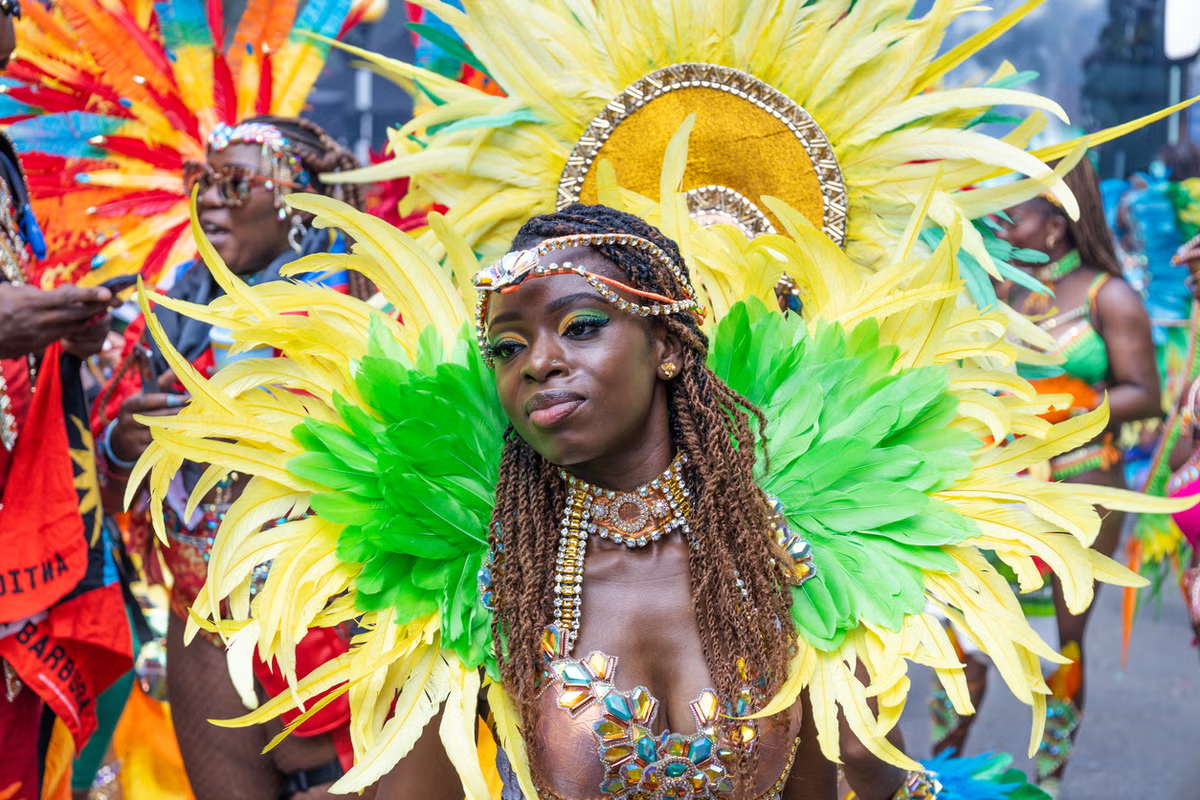
This weekend, Notting Hill Carnival returns to the streets of west London for its 60th anniversary - six decades since a small community celebration grew into one of the world’s biggest street festivals.
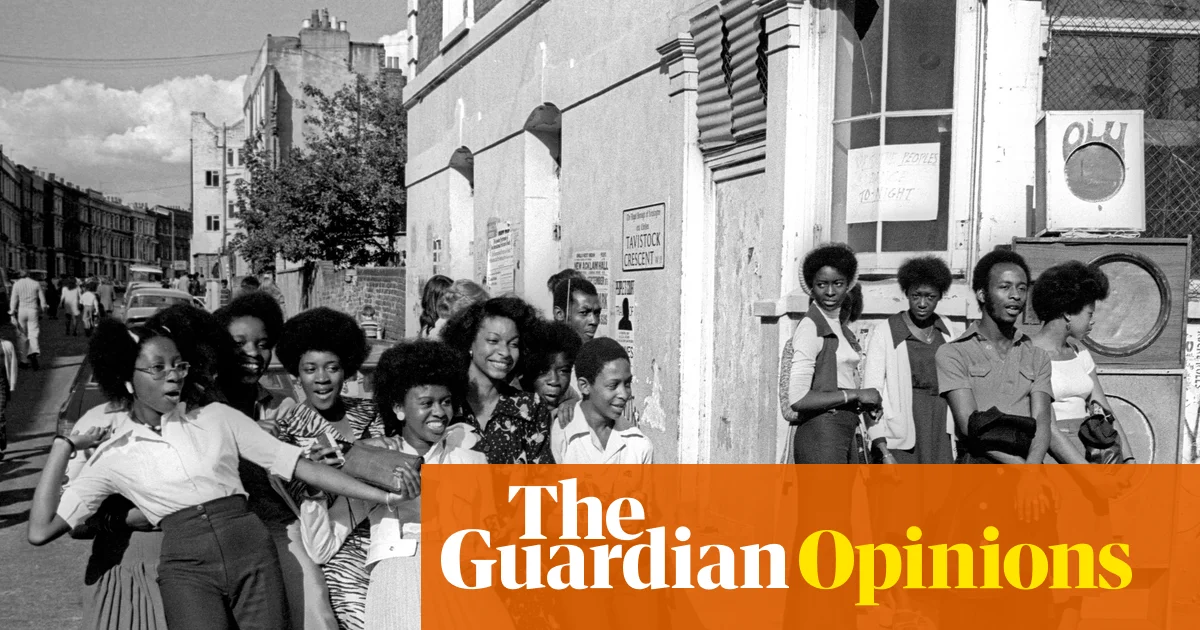
Each year the two-day event is a joyous and physical reminder of the enduring influence of Afro-Caribbean culture on London. Its roots lie in the Windrush generation and the sound system culture brought over from Jamaica, against a backdrop of the racial tensions and violence that gripped Notting Hill in the late 1950s.
Following the 1958 race riots and the 1959 murder of Antiguan carpenter Kelso Cochrane by a gang of white men, local social worker Rhaune Laslett organised a children's street party in 1966 in the hopes of bringing the divided community together. And when Trinidadian steelpan player Russell Henderson and his band took to Portobello Road, the foundations of Carnival were laid.
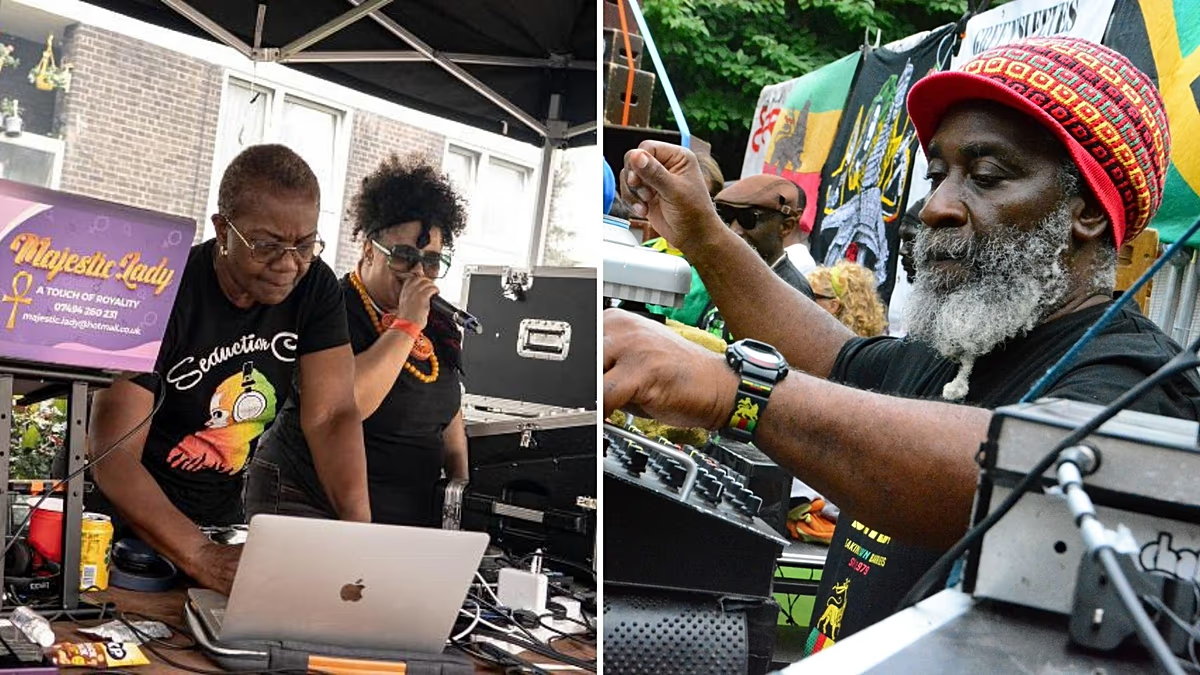
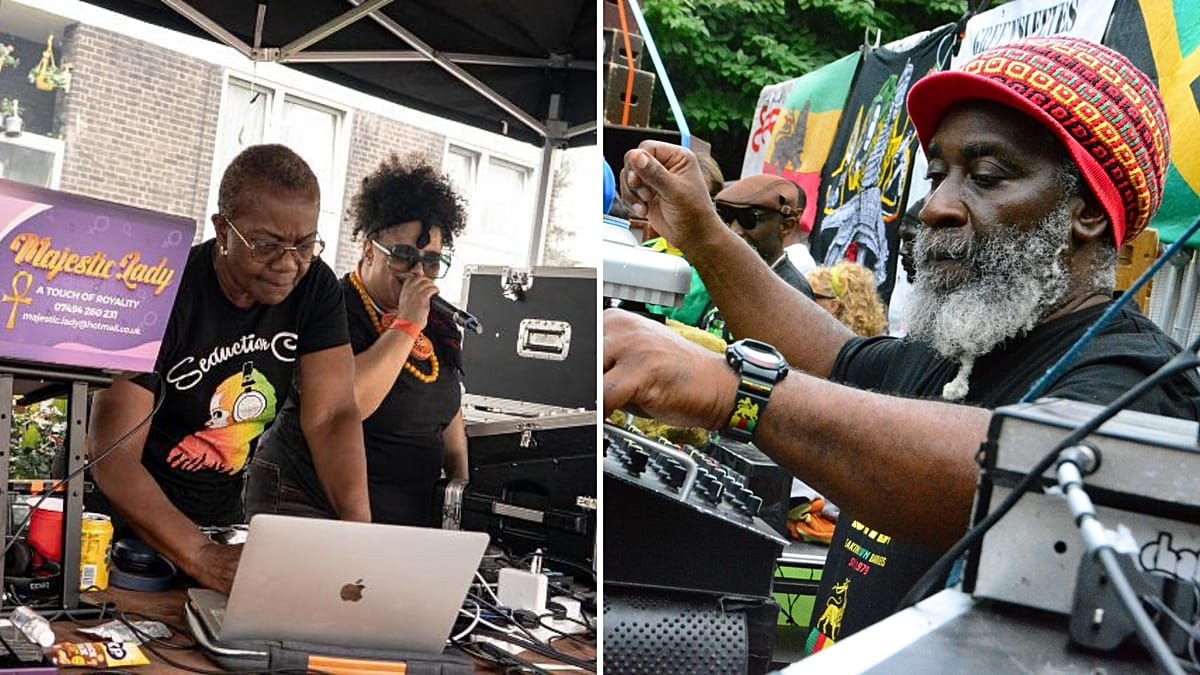
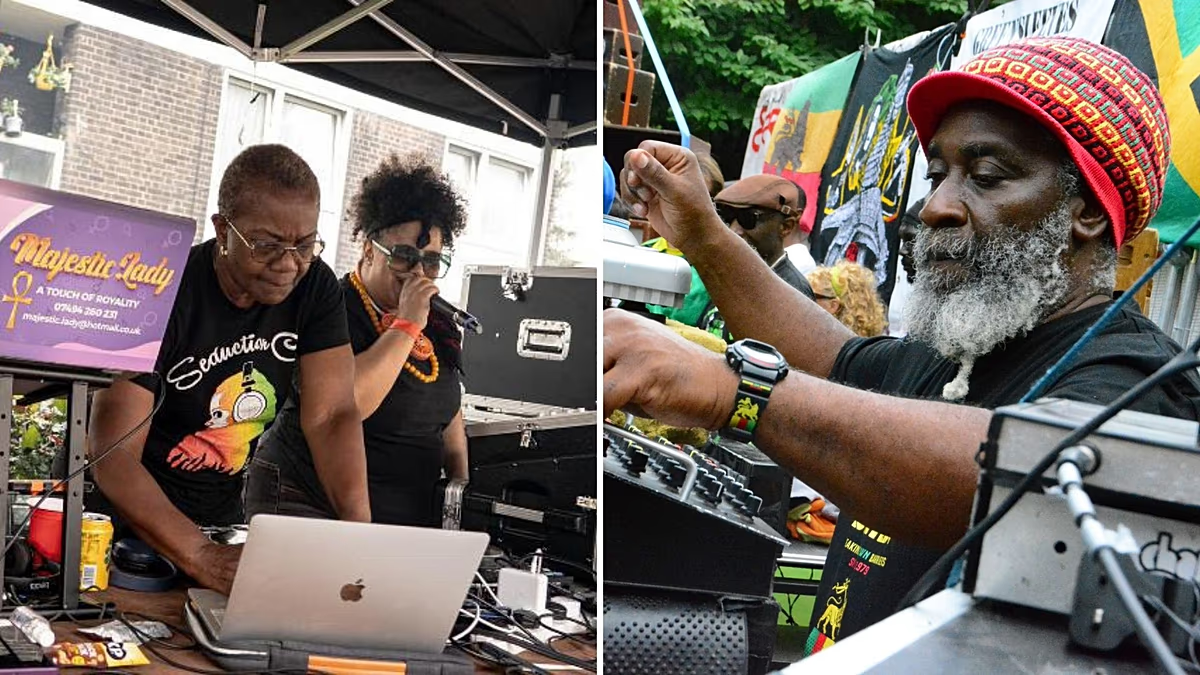
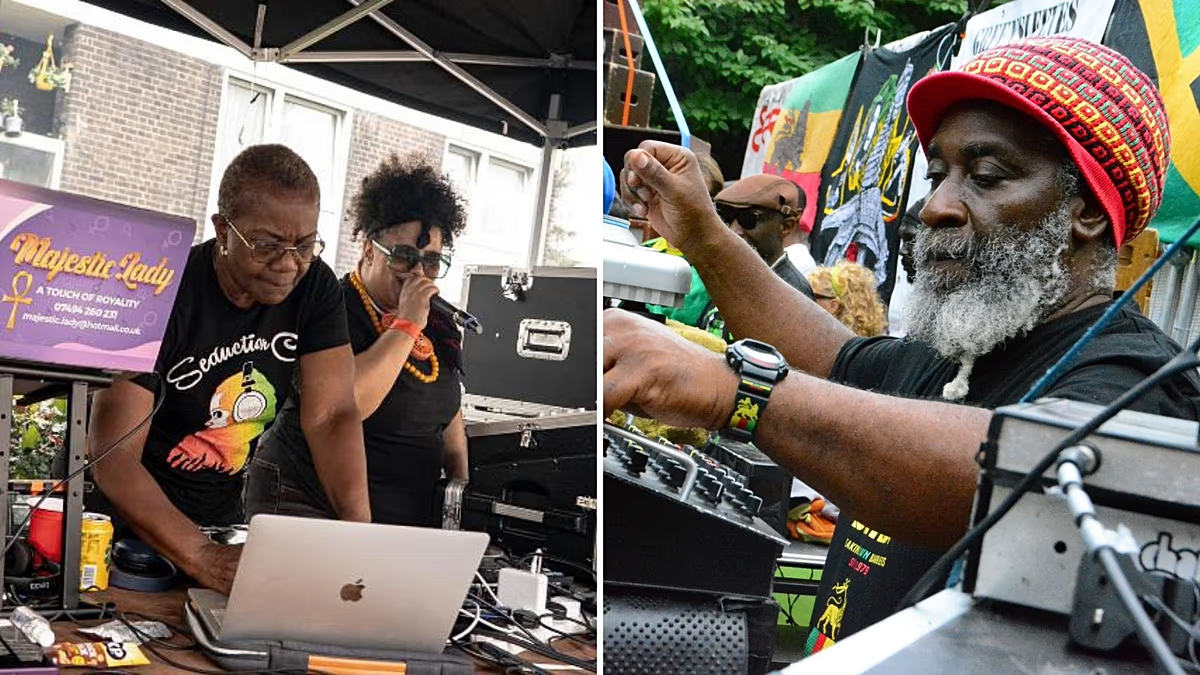
By the 1970s, sound systems had become central to the festival, with organiser Leslie Palmer introducing more Caribbean masquerade and live music. As he put it himself: "The sound systems were the voice of the youth."
Since then the soundtrack of carnival has continually evolved - from calypso, reggae, dub and soca to jungle, drum & bass, hip-hop, grime and UK garage.