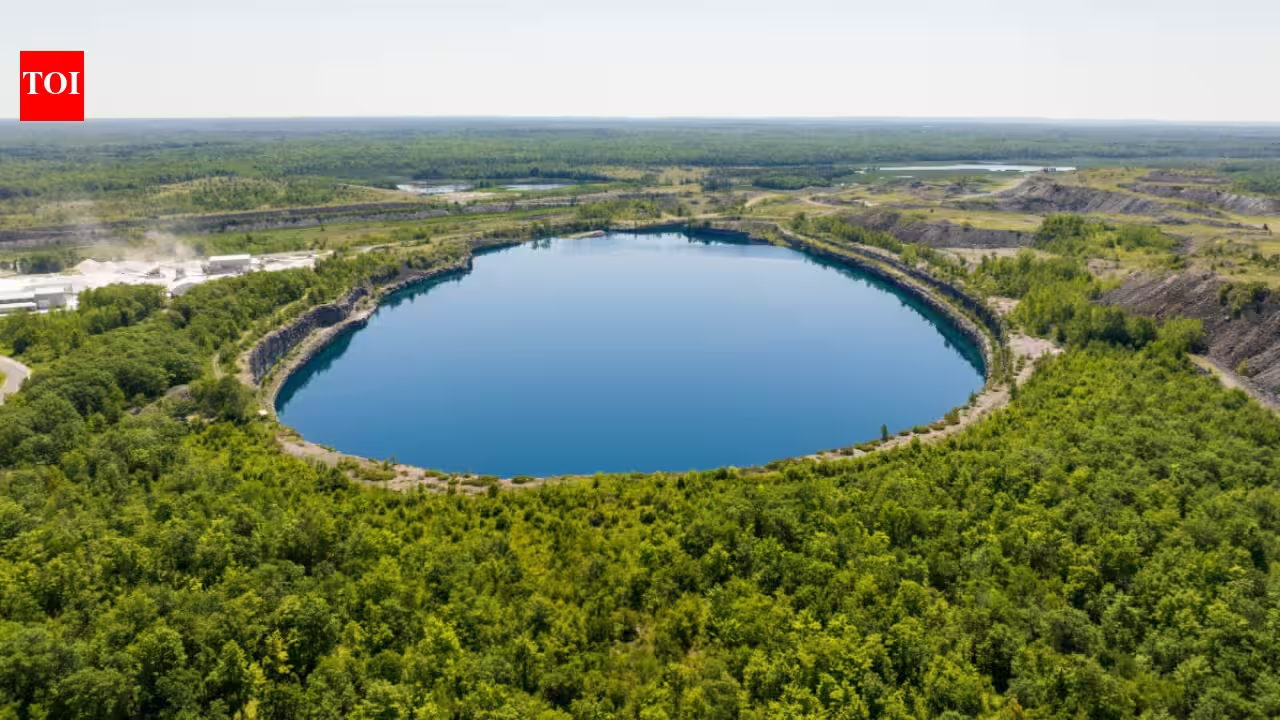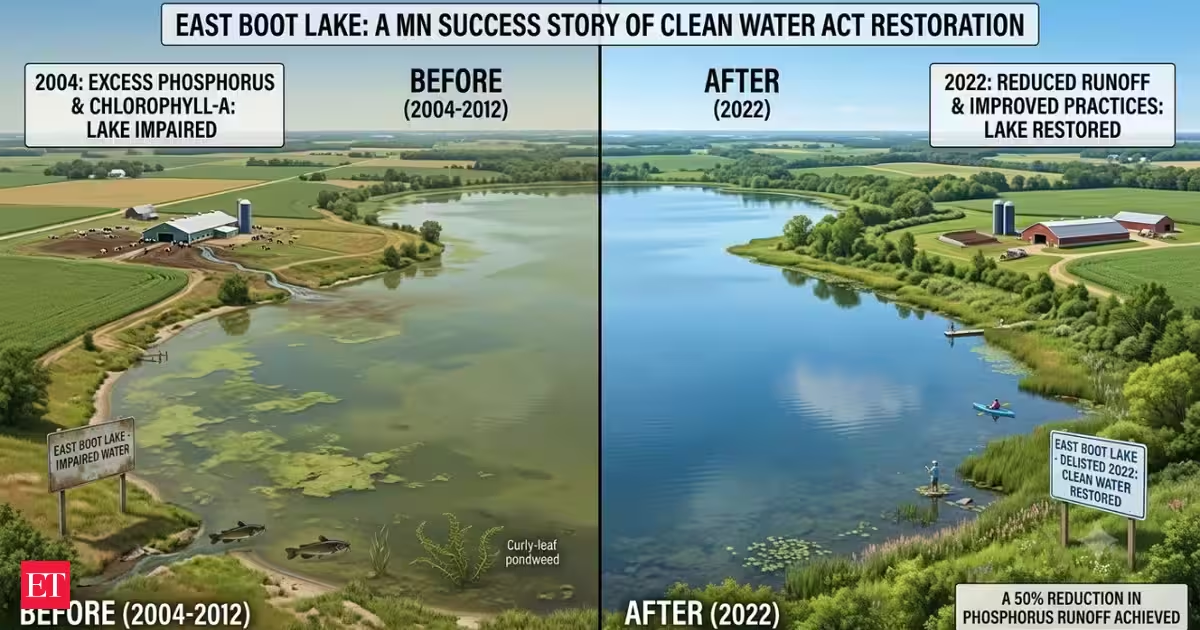
In 2008, Minnesota listed Fish Lake as impaired for nutrients after severe algae blooms. 16 years later, the lake improved enough to be delisted after treatments and restorationSynopsisThe 2008 impairment designation was an important step because it formally recognized that the lake was not meeting the desired water-quality conditions associated with nutrient pollution.Global DeskIn 2008, the lake was classified as impaired because excessive nutrients contributed to severe algae blooms, creating concerns about the health and long-term condition of the waterway. Sixteen years later, monitoring showed enough improvement for Fish Lake to be removed from the impaired waters list. The transformation highlights an important lesson for communities dealing with polluted or degraded lakes: restoration can take years, but targeted treatments, careful monitoring, and consistent environmental management can produce measurable results.Nutrient pollution is one of the most persistent challenges facing freshwater ecosystems. Excess amounts of phosphorus and nitrogen can enter lakes through runoff, wastewater, eroding soil, and other sources. Once these nutrients accumulate, they can stimulate excessive growth of algae. Severe algae blooms can reduce water clarity, disrupt aquatic habitats, consume oxygen as organic material decomposes, and diminish recreational opportunities. In some circumstances, certain algae can also produce toxins that pose risks to people, pets, and wildlife. Fish Lake’s earlier condition illustrates how a nutrient imbalance can affect an entire aquatic ecosystem rather than simply changing the appearance of the water.2008 Impairment DesignationThe 2008 impairment designation was an important step because it formally recognized that the lake was not meeting the desired water-quality conditions associated with nutrient pollution. Such designations can provide the foundation for identifying pollution sources and developing restoration strategies. Rather than treating an algae problem as a temporary inconvenience, watershed managers can use scientific information to determine why excessive nutrients are entering or accumulating in a lake. Understanding those causes is essential because simply removing visible algae does not necessarily address the underlying problem. Long-term recovery requires reducing nutrient pressures and improving the lake’s ecological balance.Over the following years, restoration efforts were implemented to address Fish Lake’s water-quality challenges. Treatments and restoration measures played a role in reducing the conditions that had contributed to excessive algae growth. Lake restoration can involve carefully selected techniques designed to limit nutrient availability, improve ecological conditions, or prevent nutrients stored within sediments from continuing to fuel algae blooms. The appropriate approach depends on the characteristics of each lake and its watershed. Fish Lake’s progress demonstrates why restoration plans must be tailored to local environmental conditions rather than relying on a single solution for every impaired waterbody.You Might Also Like:Lakes can Retain Nutrients in SedimentsOne of the most important aspects of this recovery is the time involved. Sixteen years passed between the initial impairment designation and the lake’s eventual improvement sufficient for delisting. That timeline demonstrates that environmental restoration is rarely an overnight process. Lakes can retain nutrients in sediments, and ecological systems may take years to respond fully after corrective measures are introduced. Weather conditions can also influence water quality from one year to another. Long-term monitoring therefore becomes essential because it allows scientists and environmental managers to distinguish temporary changes from sustained improvement.Fish Lake’s recovery also illustrates the value of combining restoration with measurement. Without monitoring, it would be difficult to determine whether treatments were producing meaningful results or whether water-quality conditions were actually improving. Scientific monitoring can provide information about nutrient levels, algae conditions, water clarity, and other indicators of ecological health. When data demonstrate sustained improvement, officials can make evidence-based decisions about whether a waterbody continues to meet applicable water-quality goals. Delisting is therefore more than a symbolic milestone; it reflects a documented change in environmental condition under the relevant assessment process.Many Lakes Face Nutrient PollutionThe story carries a broader message for communities throughout the United States. Many lakes face nutrient pollution from a combination of sources, and algae blooms have become an increasingly visible environmental concern. Fish Lake shows that an impaired waterbody does not necessarily have to remain impaired permanently. Identifying the causes of pollution, applying appropriate restoration techniques, maintaining watershed protections, and evaluating results over time can create a pathway toward recovery. The process requires patience and cooperation, but successful restoration can protect recreation, wildlife habitat, and the quality of life of communities connected to freshwater resources.Fish Lake’s journey from nutrient impairment in 2008 to delisting 16 years later is a powerful example of what long-term environmental stewardship can accomplish. The lake’s earlier algae problems demonstrated the consequences of excessive nutrients, while its subsequent improvement showed the potential of targeted treatments and restoration. The achievement does not mean that freshwater protection can stop once a lake is delisted. Continued monitoring and responsible watershed management remain important for preserving the gains that have been made. Still, the recovery offers an encouraging reminder: with science, persistence, restoration, and sustained attention, damaged freshwater ecosystems can move toward a healthier future.Read More News on(Catch all the US News, UK News, Canada News, International Breaking News Events, and Latest News Updates on The Economic Times.) Download The Economic Times News App to get Daily International News Updates....moreless
In 2008, Minnesota listed Fish Lake as impaired for nutrients after severe algae blooms. 16 years later, the lake improved enough to be delisted after treatments and restoration
The 2008 impairment designation was an important step because it formally recognized that the lake was not meeting the desired water-quality conditions associated with nutrient pollution.
845 words~4 min read