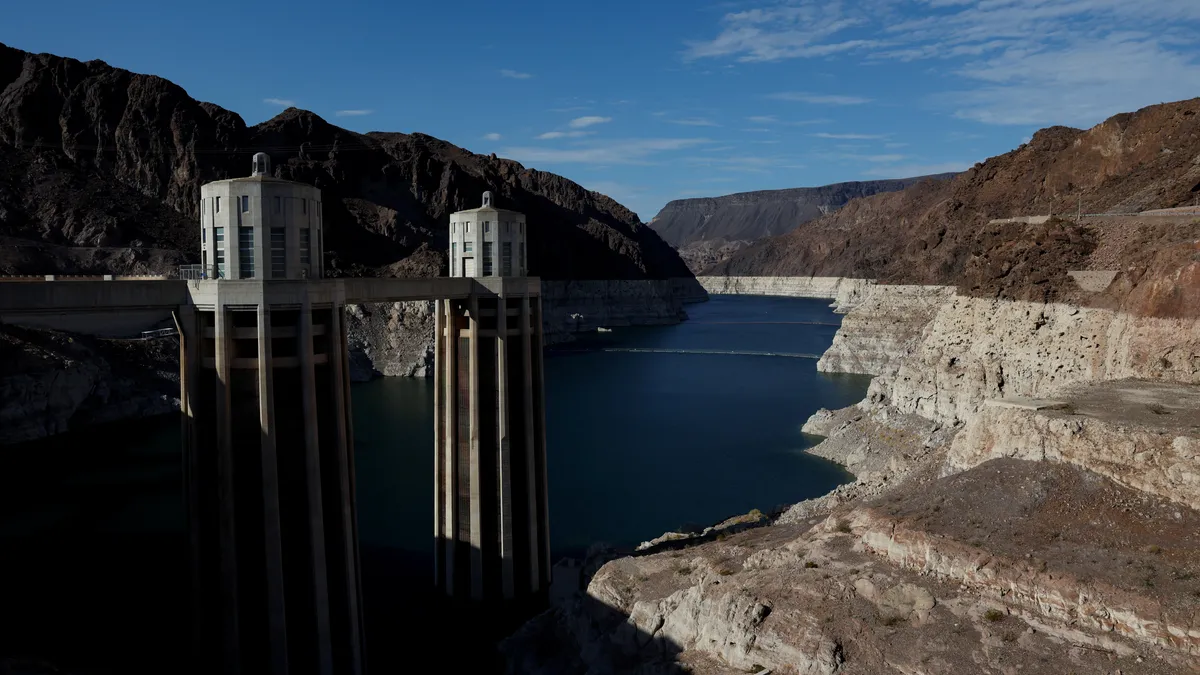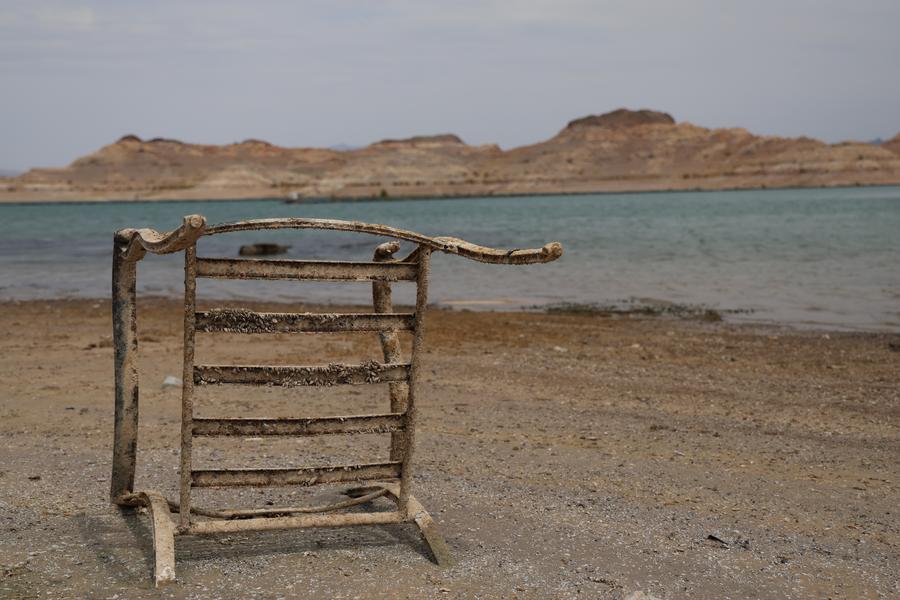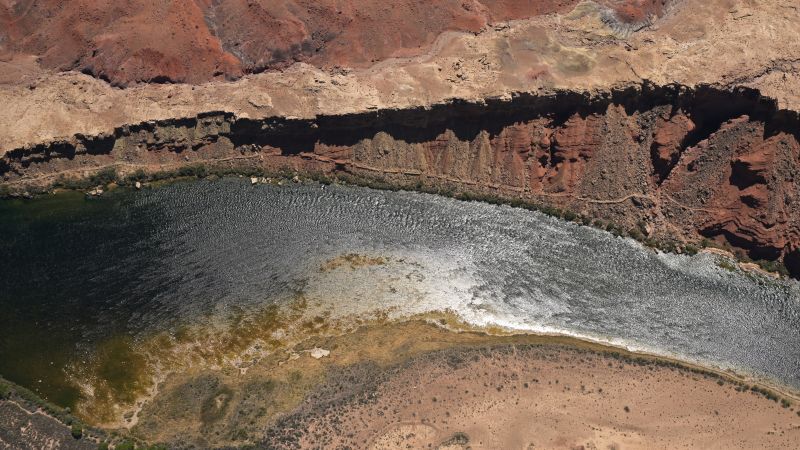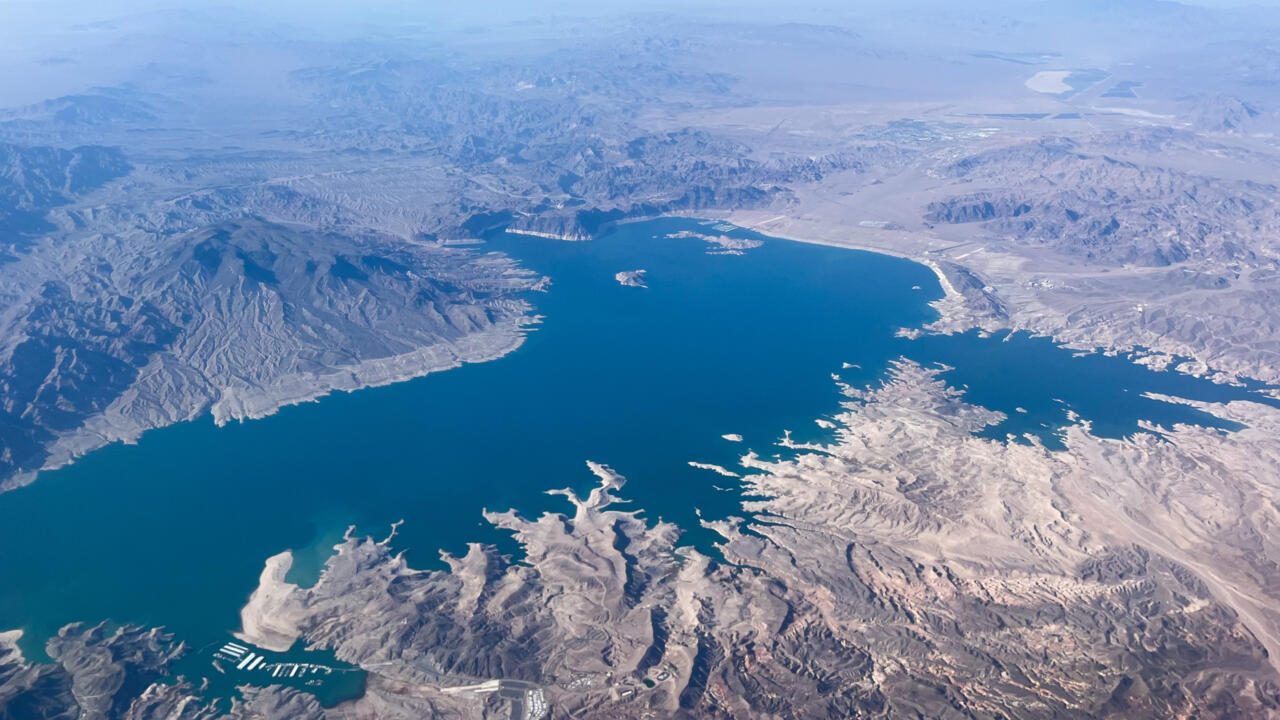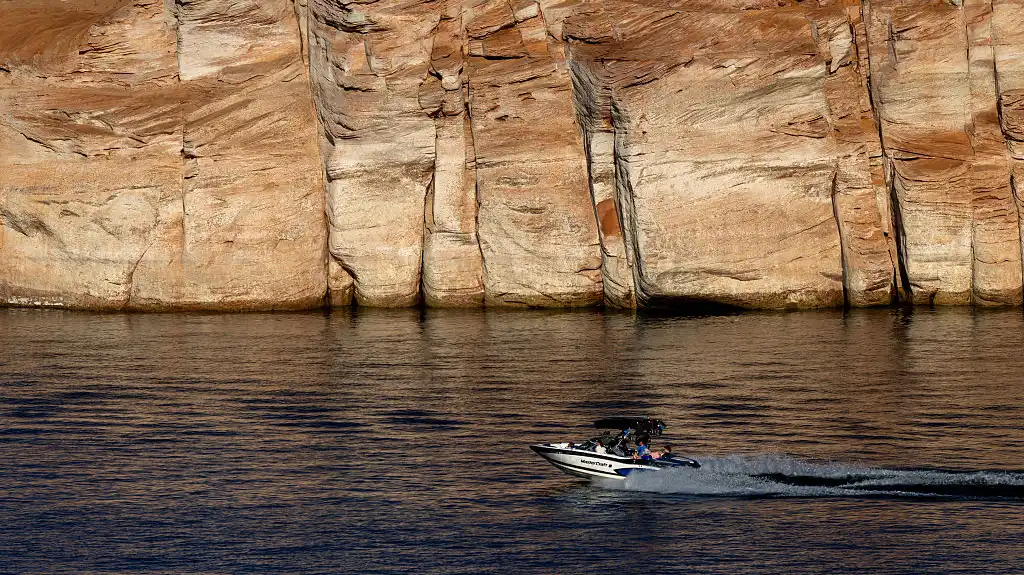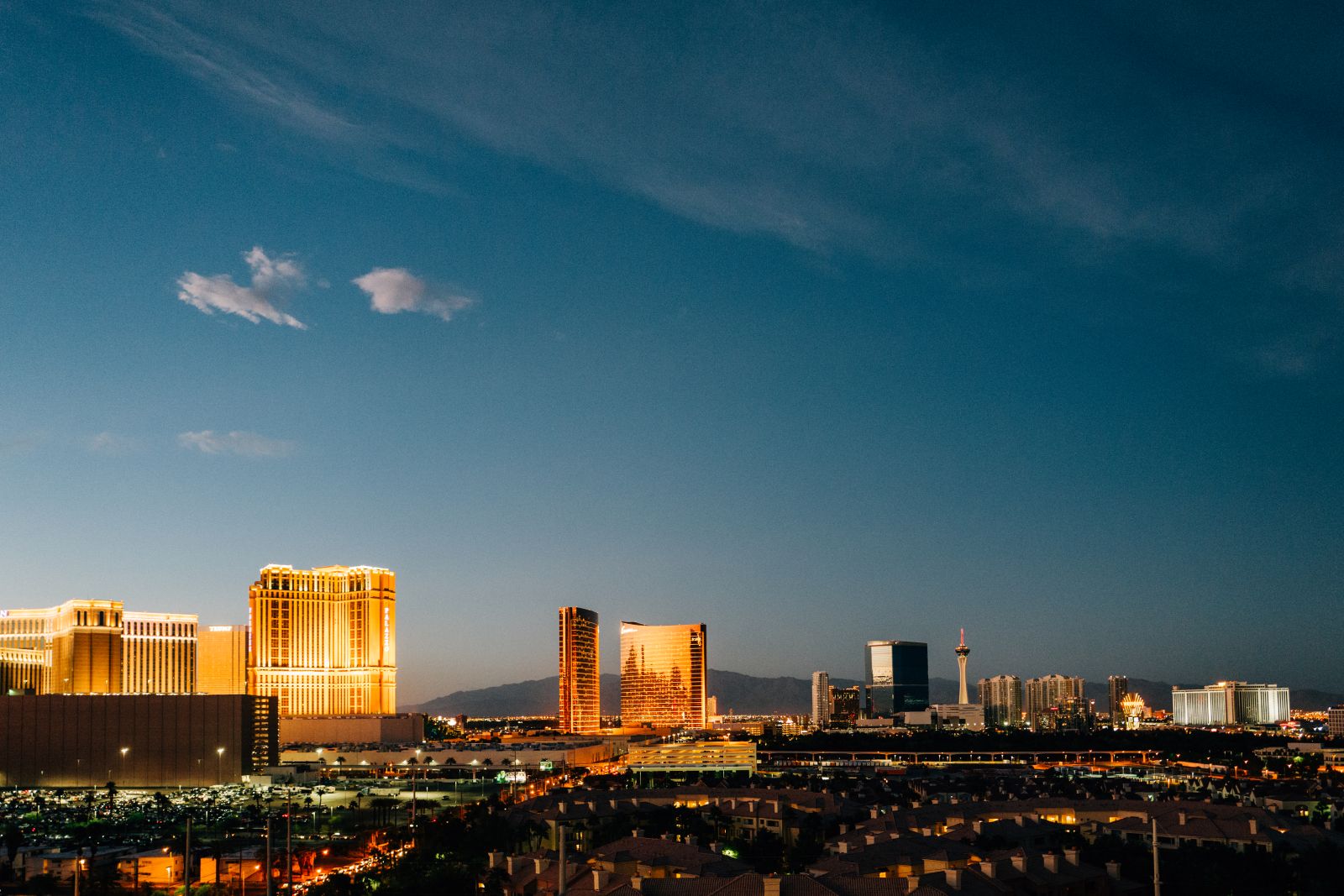
Nevada officials have long presented themselves as a voice for compromise and conservation in debates over the Colorado River. The Las Vegas area, home to two-thirds of the state’s population and most of its economy, has become a model of urban water conservation. As the river has declined from overuse and a decades-long drought exacerbated by climate change, southern Nevada water planners built extensive water reuse facilities and implemented tight restrictions on new turf and fountains, dropping the region’s per capita water use by 58 percent in roughly 20 years. Meanwhile, in interstate negotiations over the management of the Colorado River, state representatives have positioned themselves as bridge-builders, sometimes referring to themselves as the “middle basin” between the river’s divided upper and lower basin states.
When the federal government’s new management plan for the river was announced earlier this month, most observers thought Arizona, which stands to take the largest immediate cuts, would launch the first lawsuit over the plan’s implications for its water supplies. So it came as a surprise to many Colorado River experts when Nevada became the first to sue the federal government over the plan this week.