Last week the Trump administration announced major cuts to the water Arizona, California and Nevada can take from the drought-stricken Colorado River; this week Nevada sued, calling the plan “fundamentally flawed.”
It marks what could be the first of many complex and lengthy legal wrangles over the crucial waterway — and is yet another sign of how fraught water sharing is becoming on a hotter, drier planet.
On Friday, the Department of Interior released its operating guidelines, requiring water cuts of roughly 20% across the three so-called lower basin states over the next two years. Even deeper cuts could follow if the situation on the Colorado River doesn’t improve.
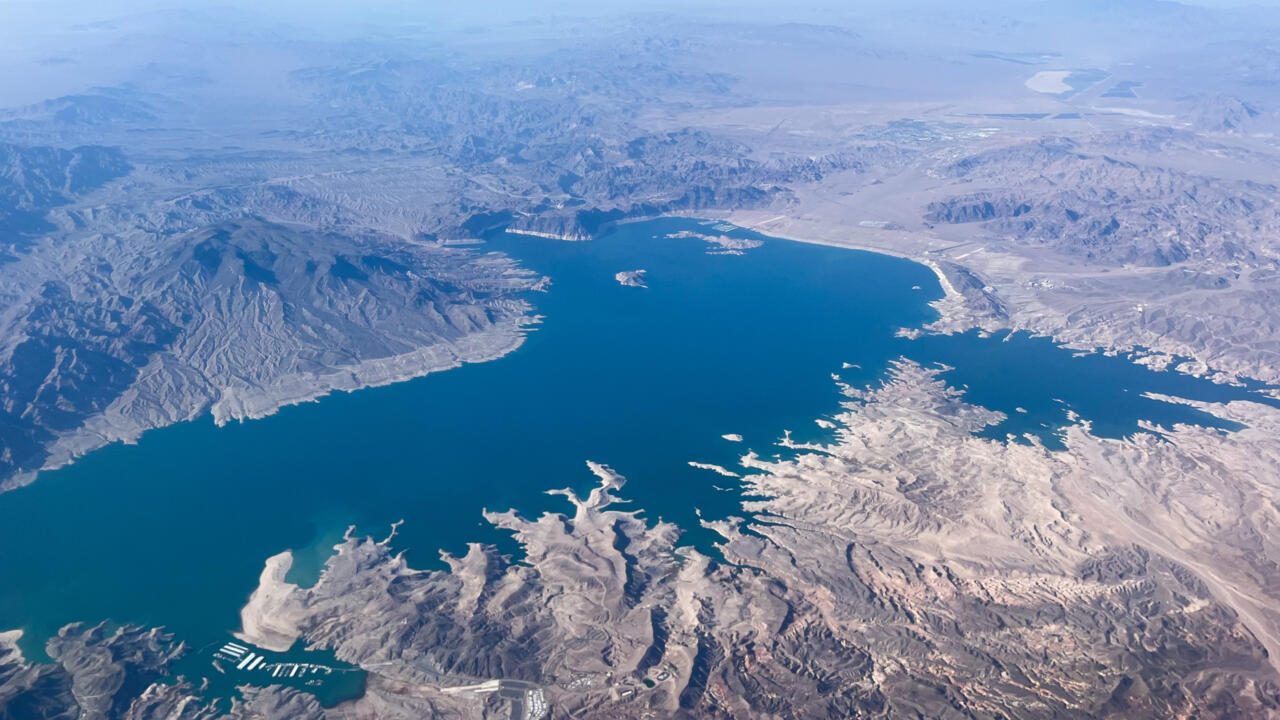
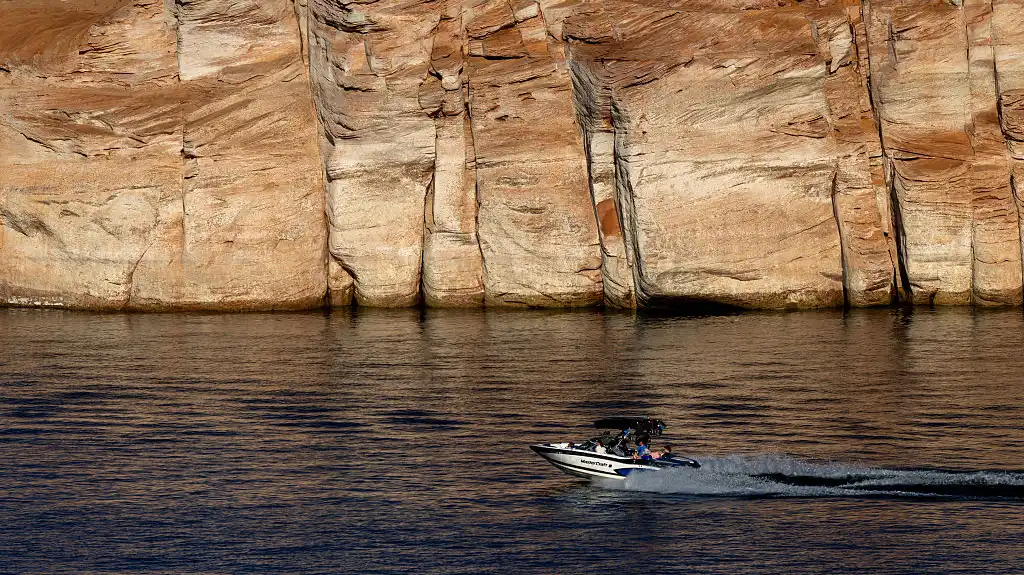
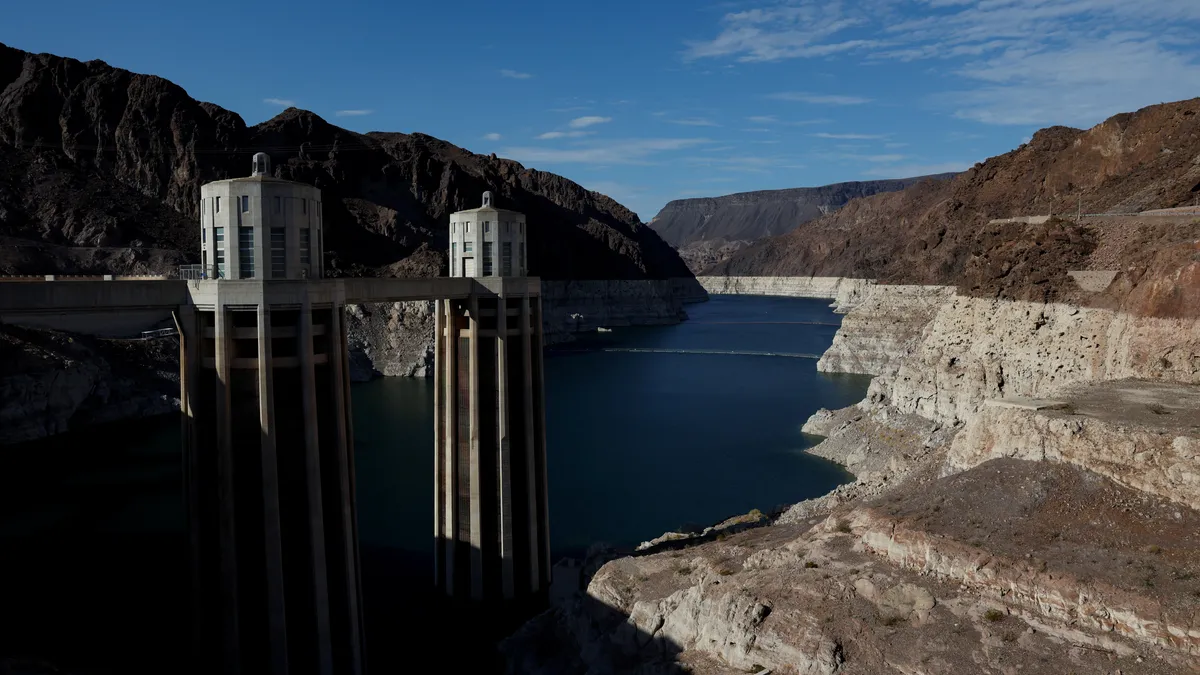
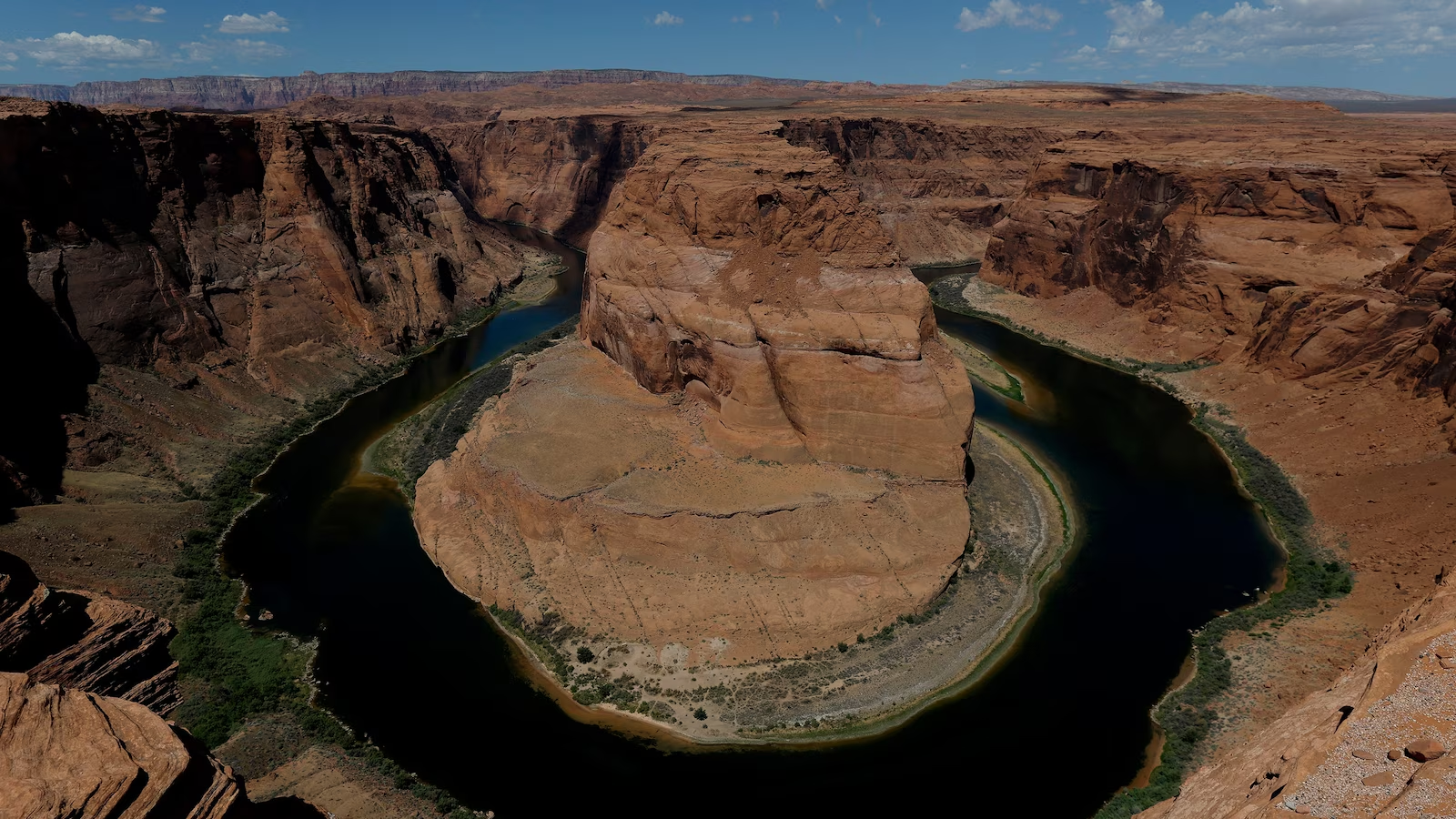
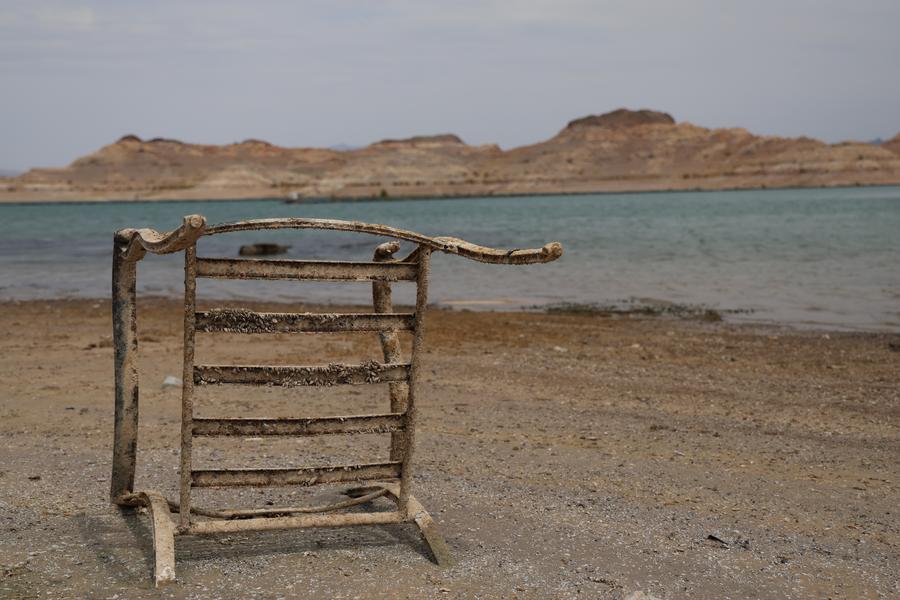
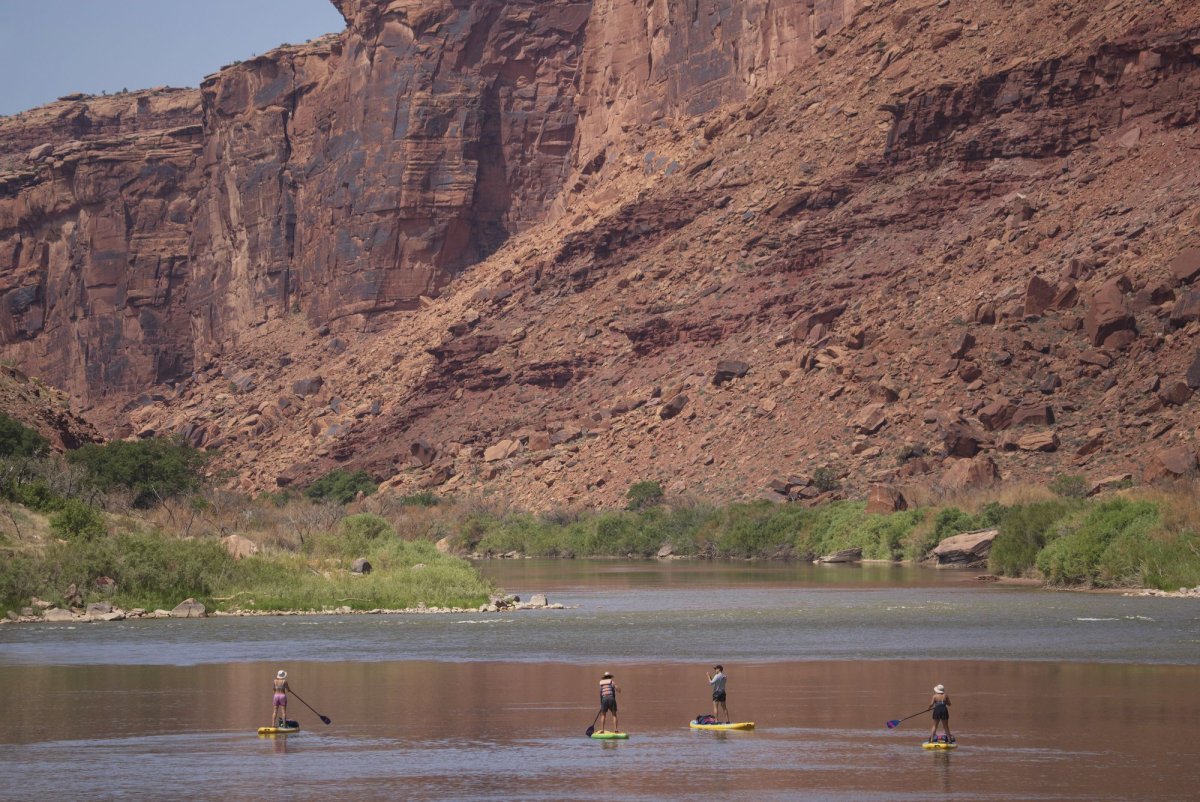
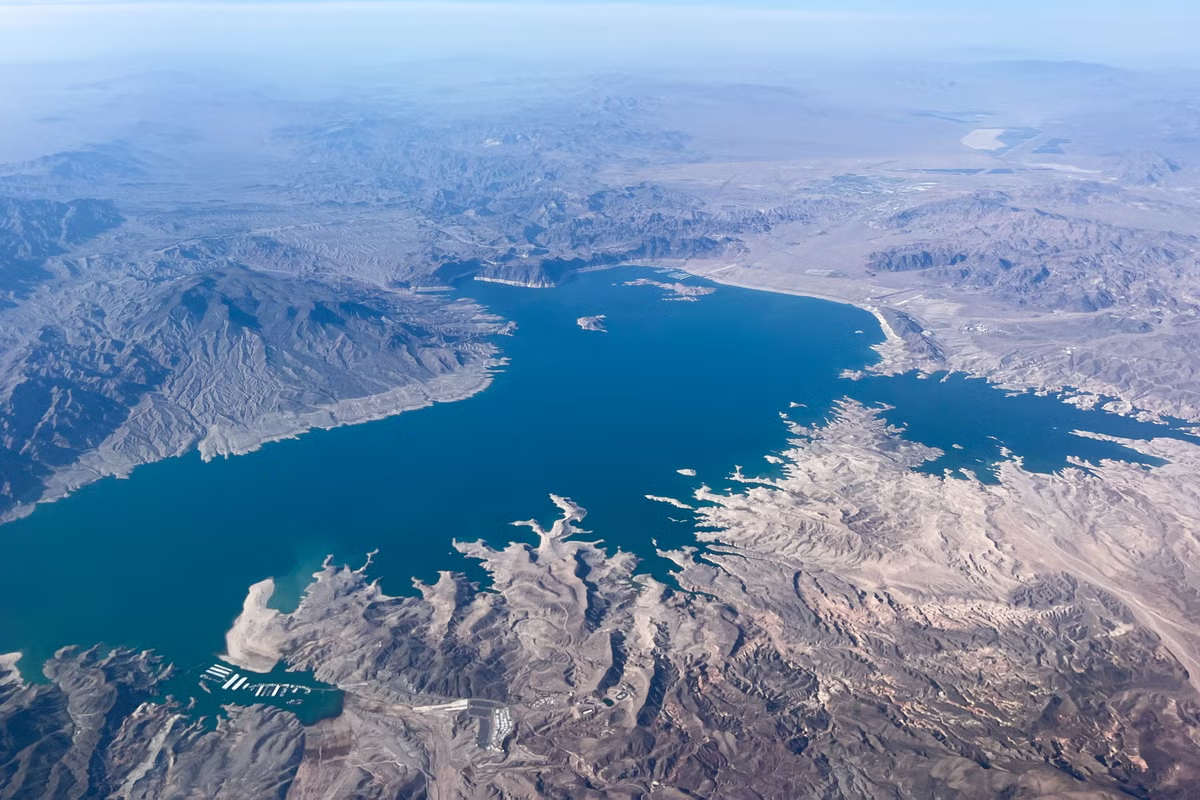
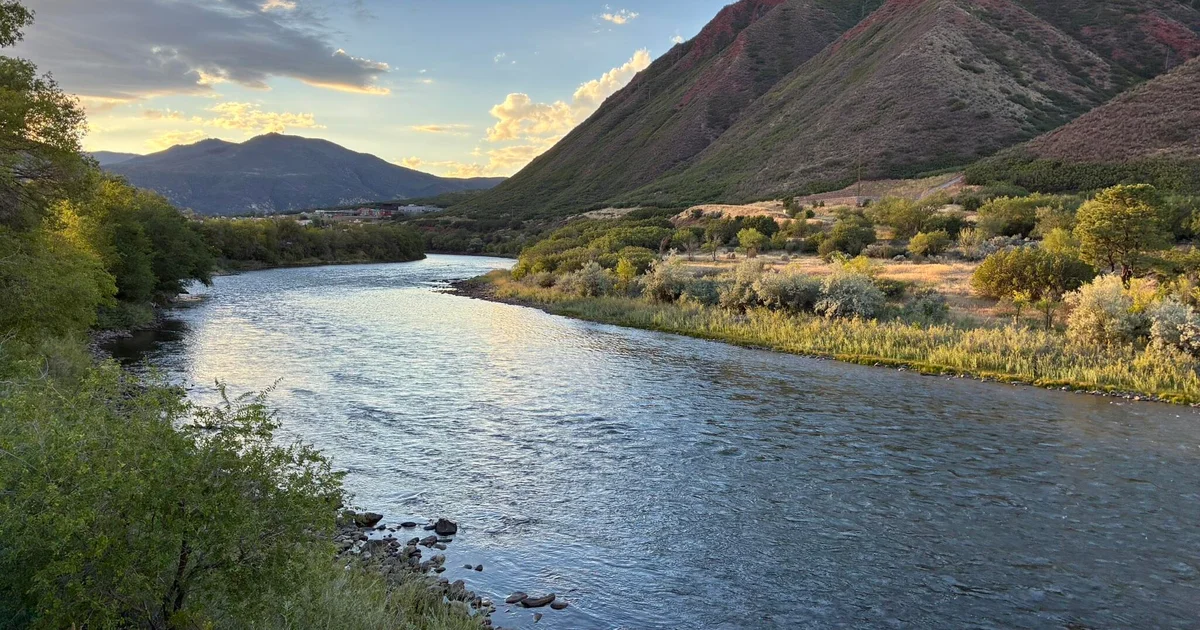
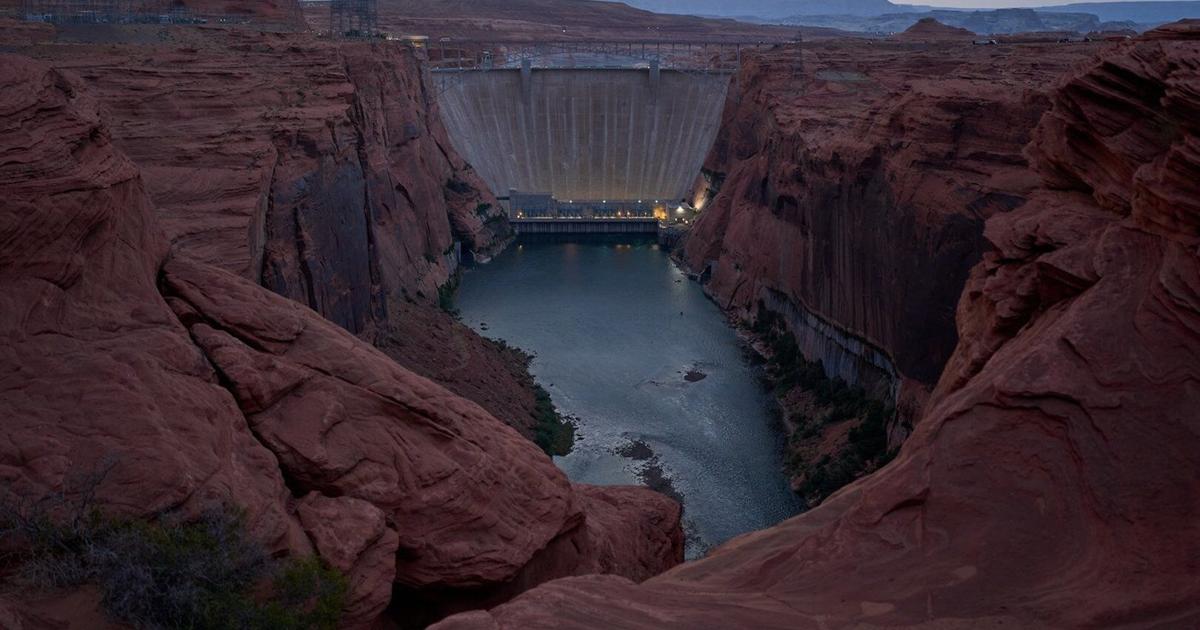
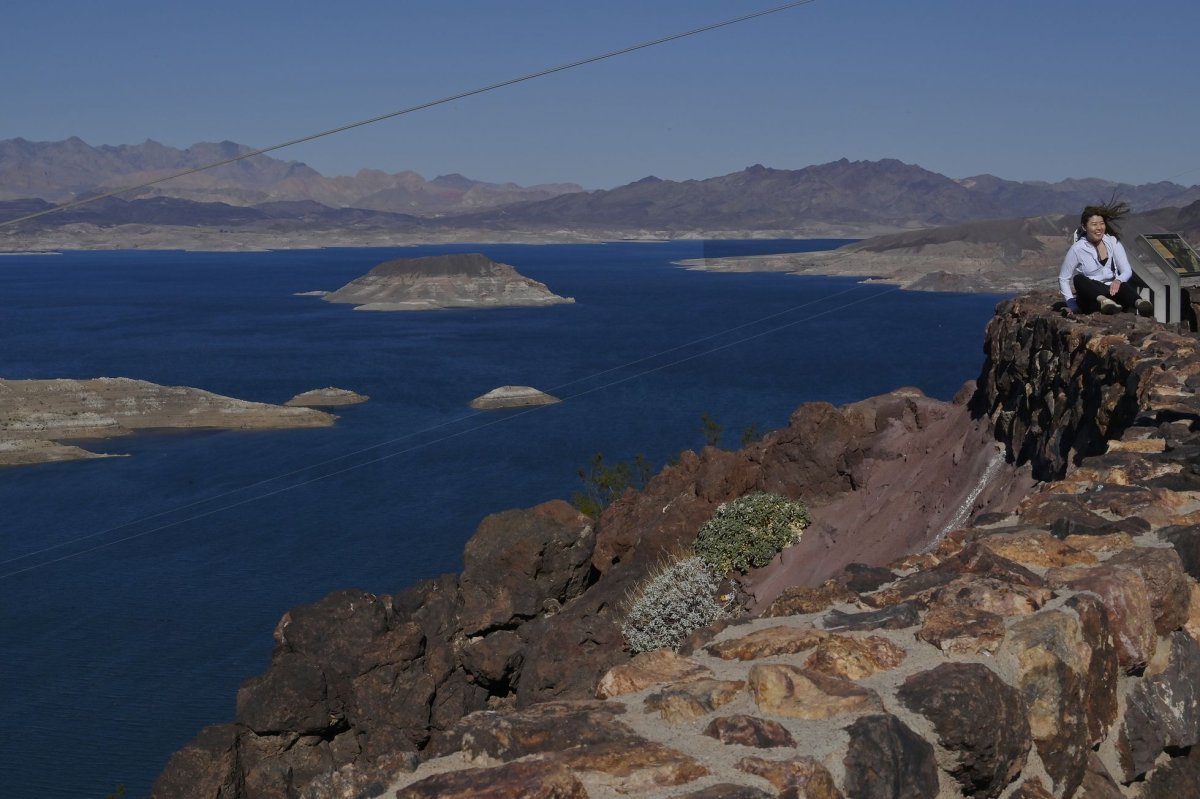
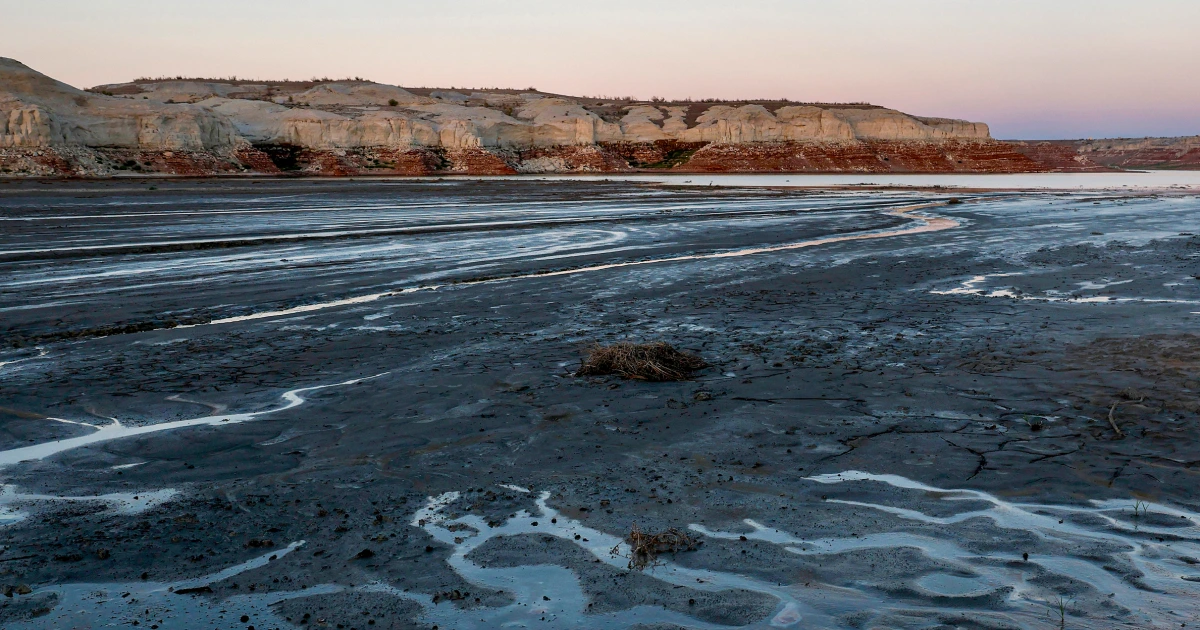
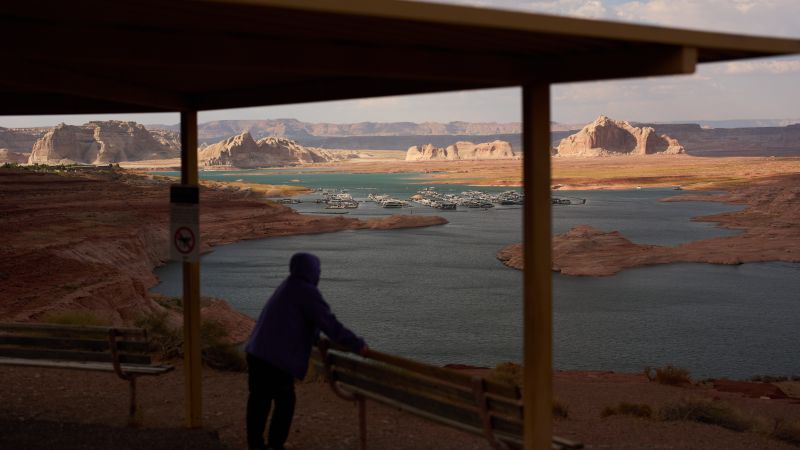
Decades of severe climate-change fueled drought and years of heavy use have hammered the river which irrigates more than 5 million acres of farmland, generates hydropower and provides water to roughly 40 million people. Both of its vast reservoirs — Lake Mead and Lake Powell — have tumbled to record lows over the past few weeks.
The Trump administration plan came after years of negotiations between the seven states that rely on the Colorado River failed to achieve a deal on how to divvy up its shrinking resources. However, the plan imposes no mandatory cuts on the four upper basin states of Colorado, Utah, New Mexico and Wyoming — which, unlike the lower basin, cannot be compelled to cut water by federal authorities. Many experts predicted litigation would follow.