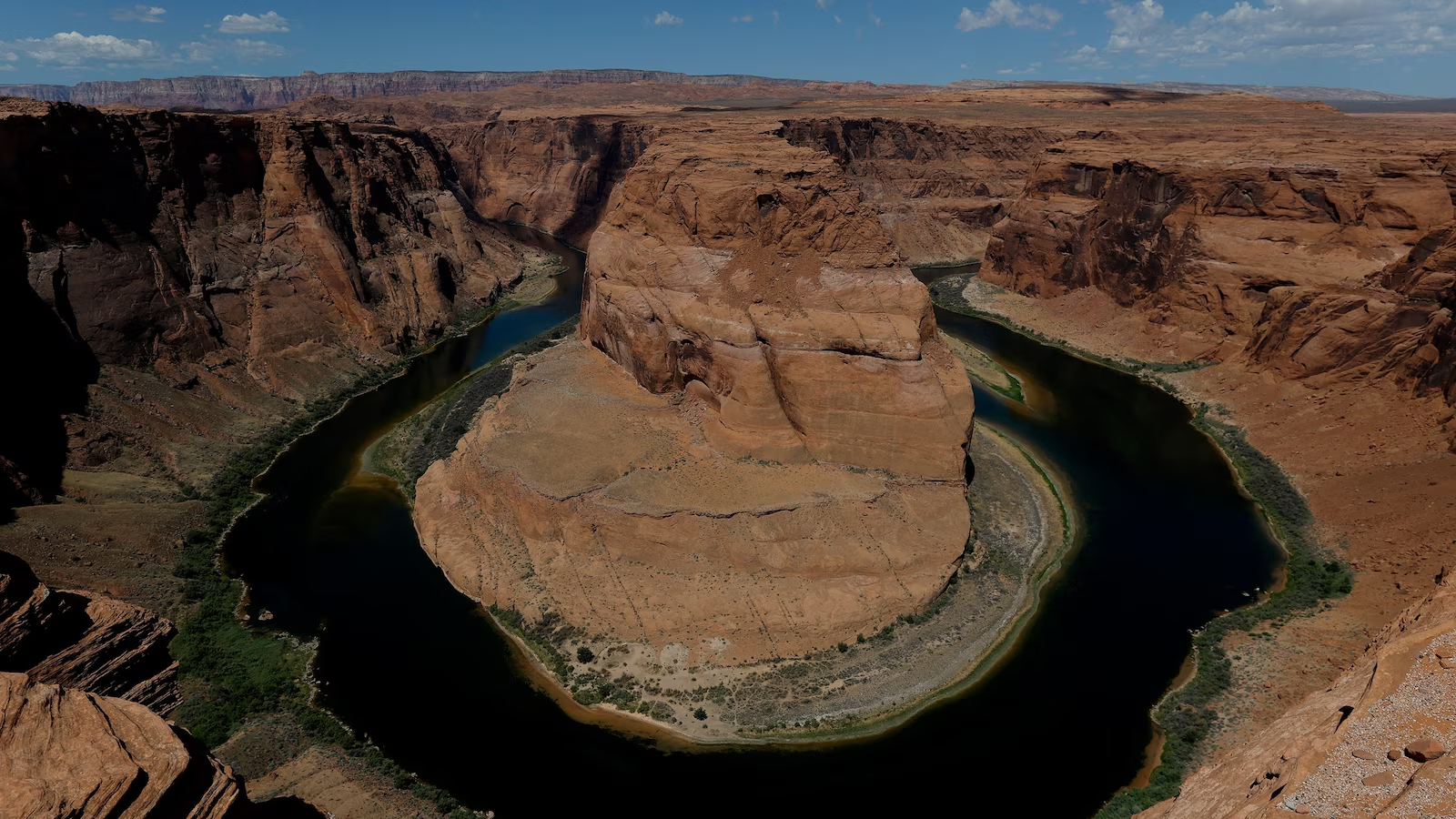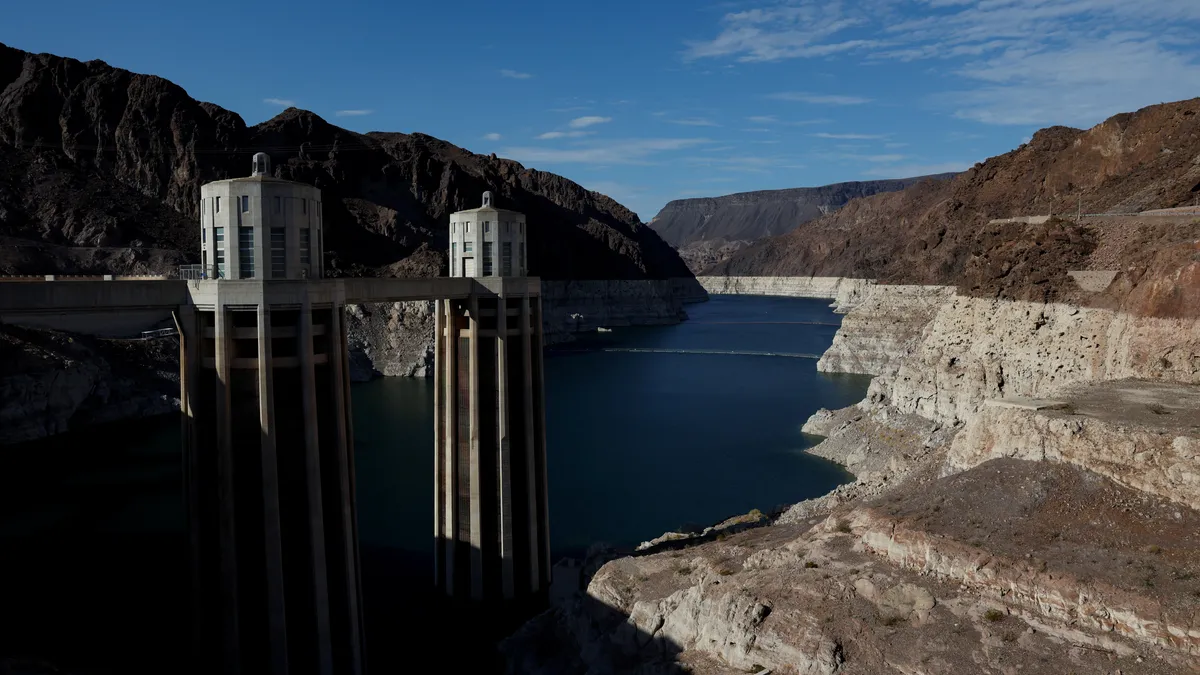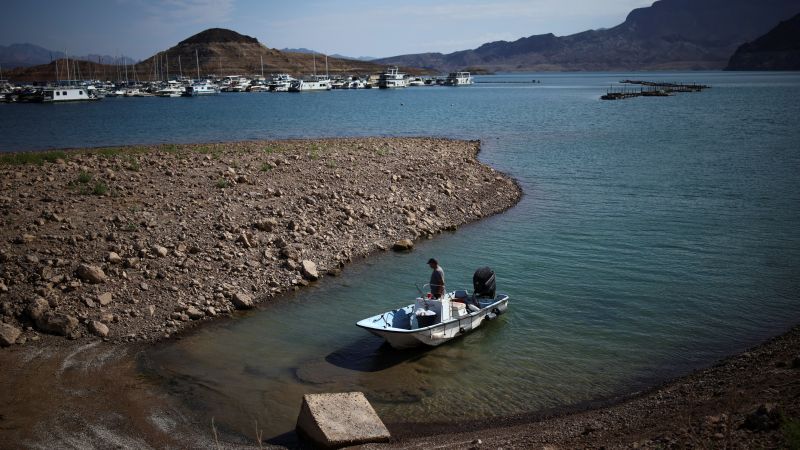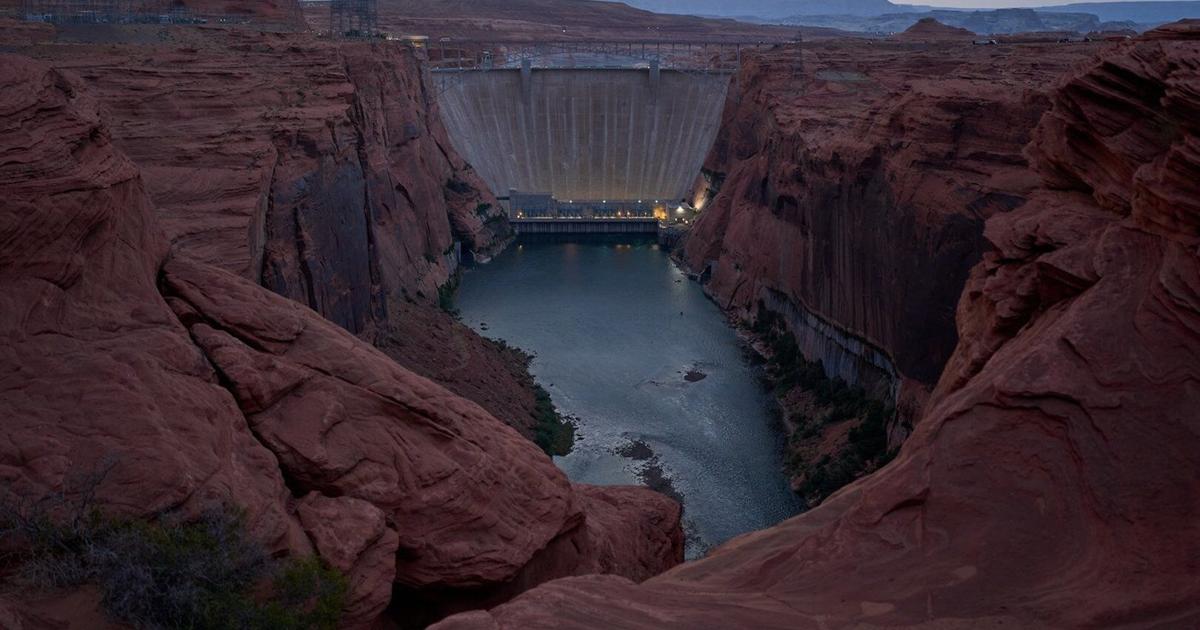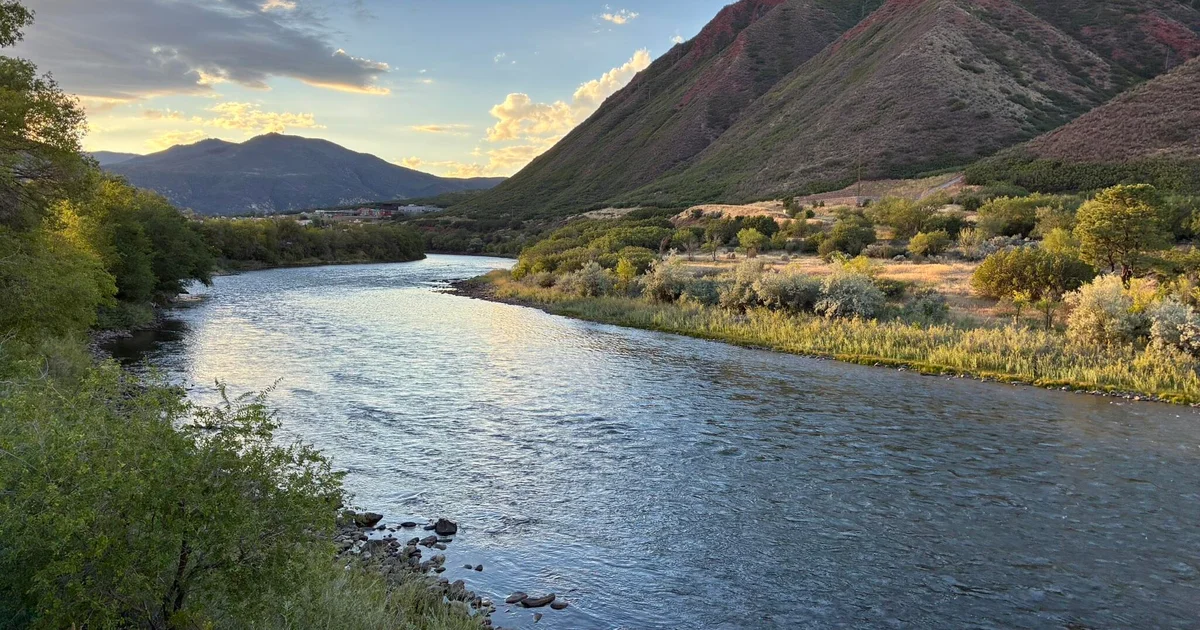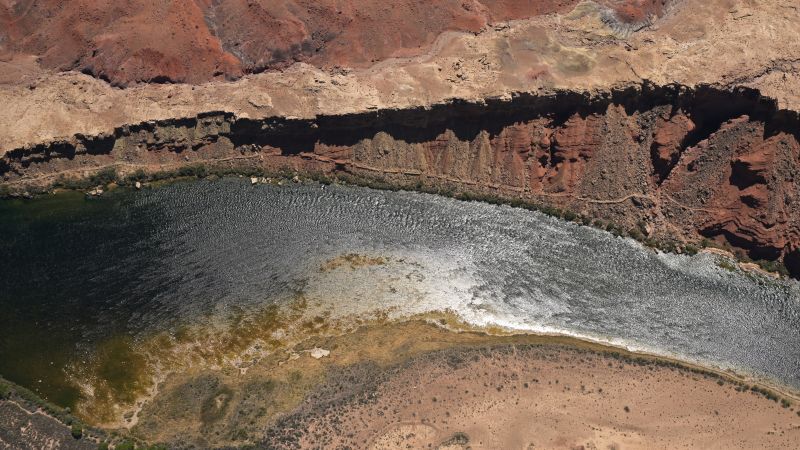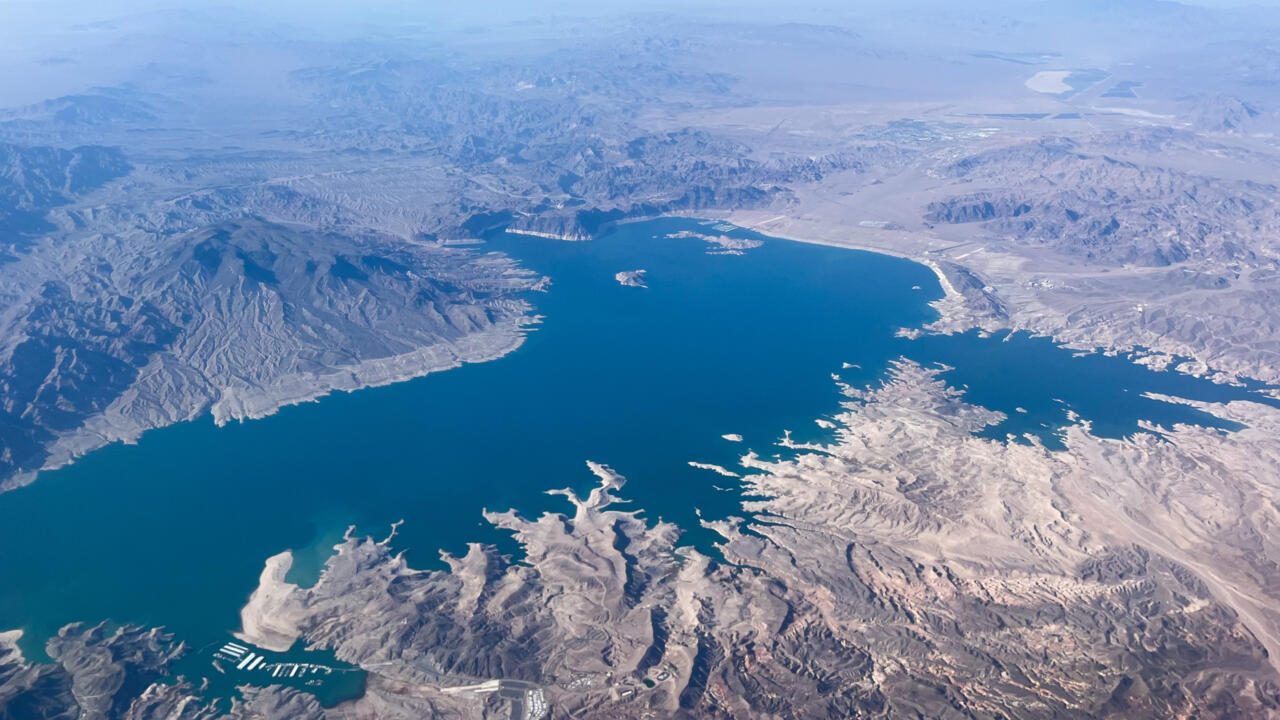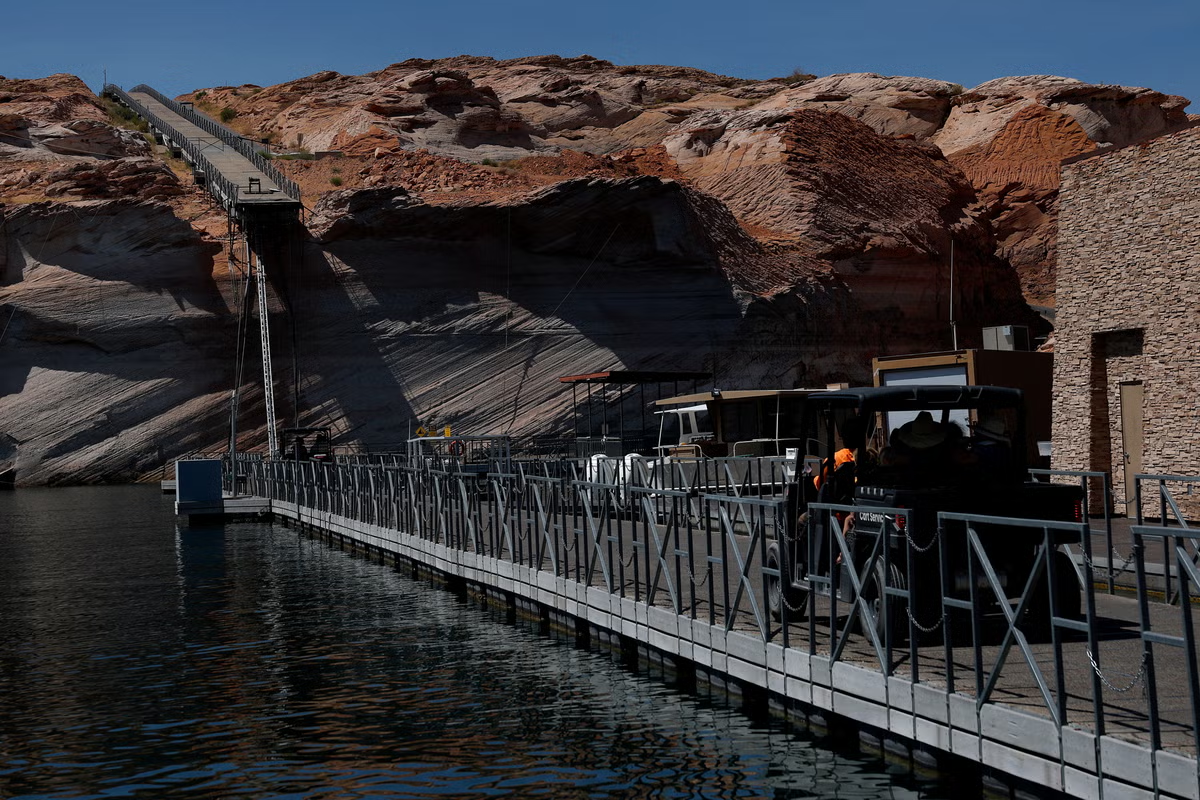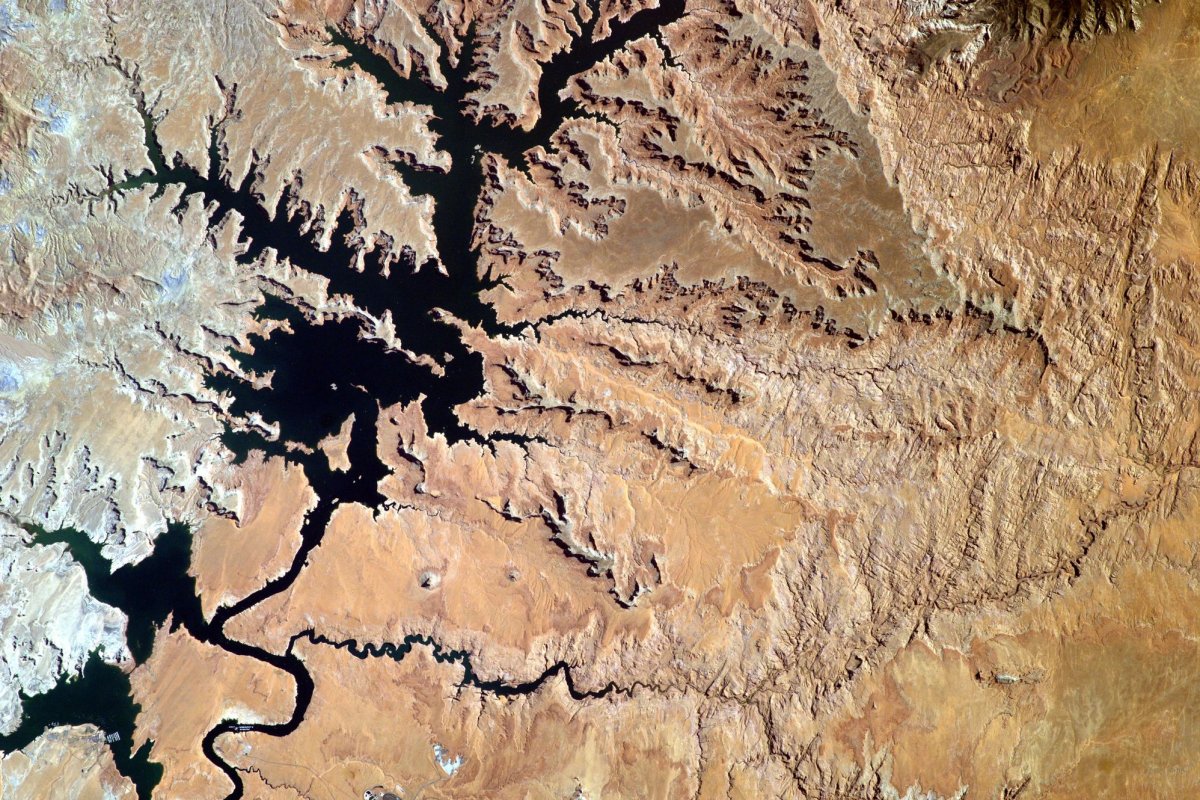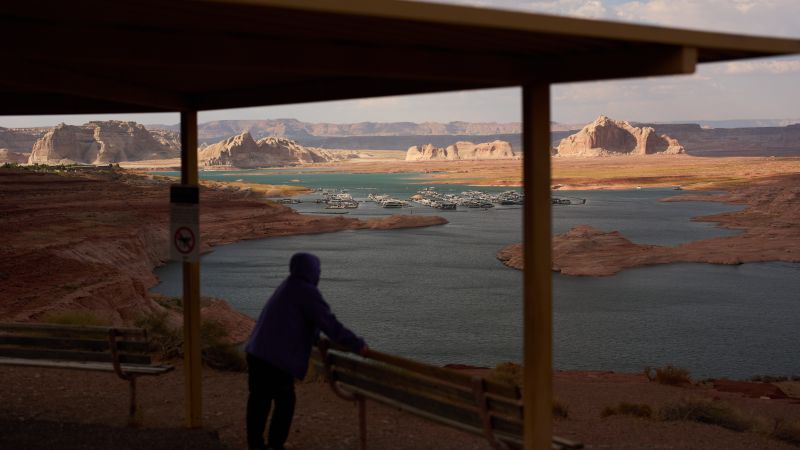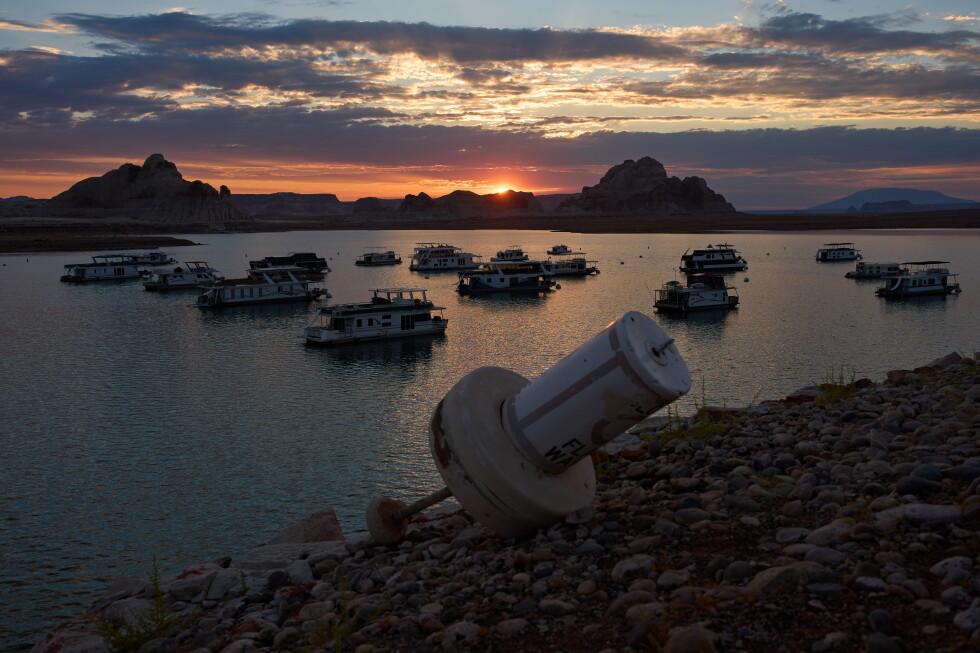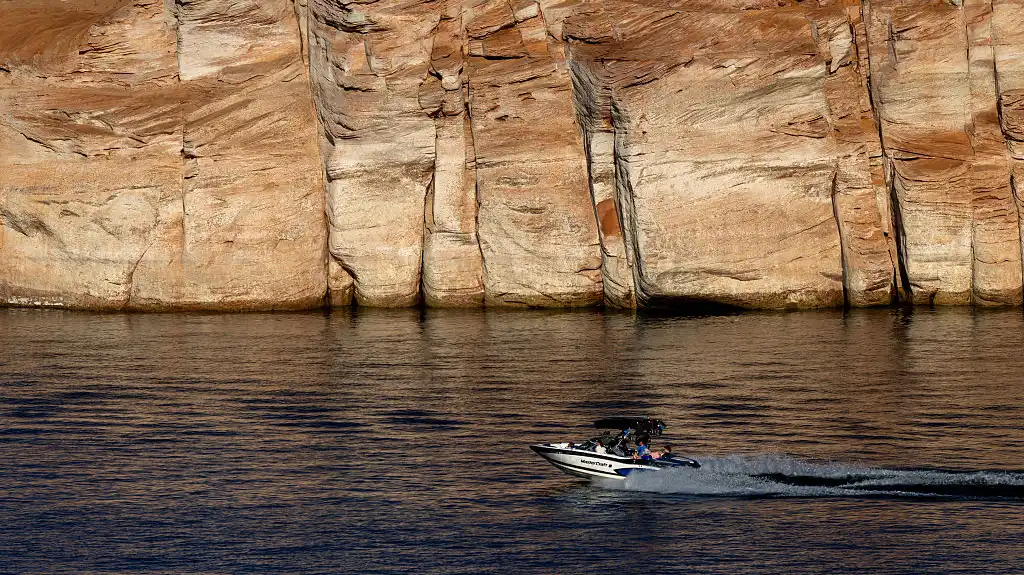
The Colorado River is a vital source of water for seven different states and many tribal nations, but drought conditions have long put that water in jeopardy. The states have been negotiating for years on how to share it— and, more specifically, how to cut back on it— but when they failed to come to an agreement earlier this year, the federal government stepped in. And on Friday, the Department of the Interior issued a plan, cutting water to California, Nevada, and Arizona by 20% with the possibility of more to come. No cuts were mandated to the four states that make up the what’s called the “upper basin,” which includes Wyoming, Colorado, Utah, and New Mexico. In addition, the plan will have to be tweaked again in two years.“I don't think you can go beyond two years at this point,” said Pat Mulroy, the former general manager of the Southern Nevada Water Authority and a consultant on water issues. “There are too many uncertainties.”But on Monday, the state of Nevada filed a lawsuit against the government, where they described the cuts as an unfair unburden upon the states.“Marketplace” host Amy Scott spoke to Mulroy on Monday before news broke of the lawsuit; they discussed the plan, other water conservation and reclamation efforts, and why it’s been so hard to come to an agreement. To listen to the full conversation, use the media player above.
The new Colorado River plan is out, and it's already under fire
Last Friday, the federal government put out a plan forcing some states to cut back on water from the Colorado River. By Monday, the state of Nevada filed a lawsuit describing the cuts as an unfair burden.
235 words~1 min read