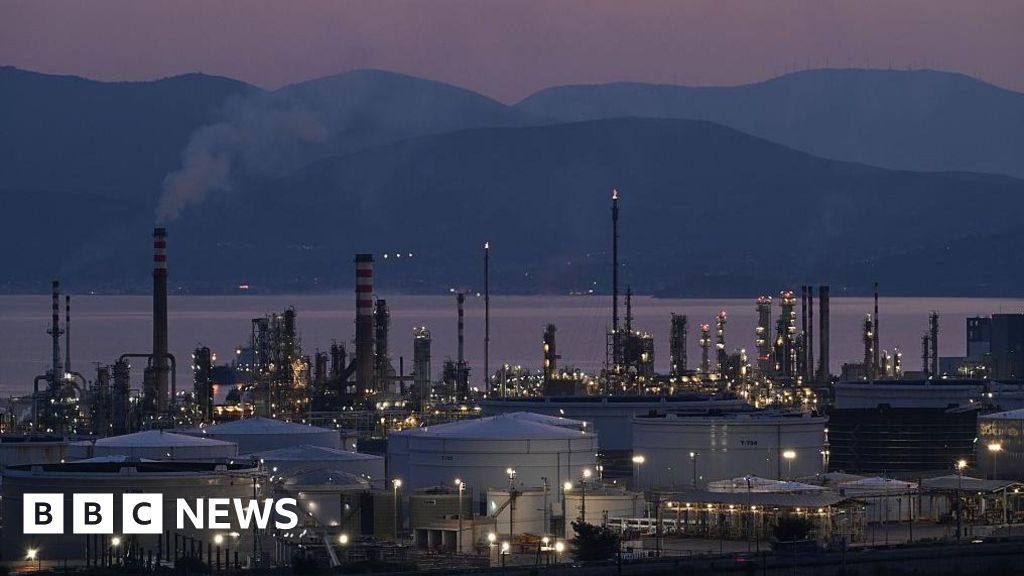
The global energy order has been rewritten in six months. Since US and Israeli forces struck Iran on February 28, 2026, the conflict has cascaded through oil markets with a force that economists had modeled but markets had never quite priced in.
Brent crude now trades at roughly $90 per barrel, about 25% above where it sat before the first strikes landed.
The Hormuz chokepoint in slow motion
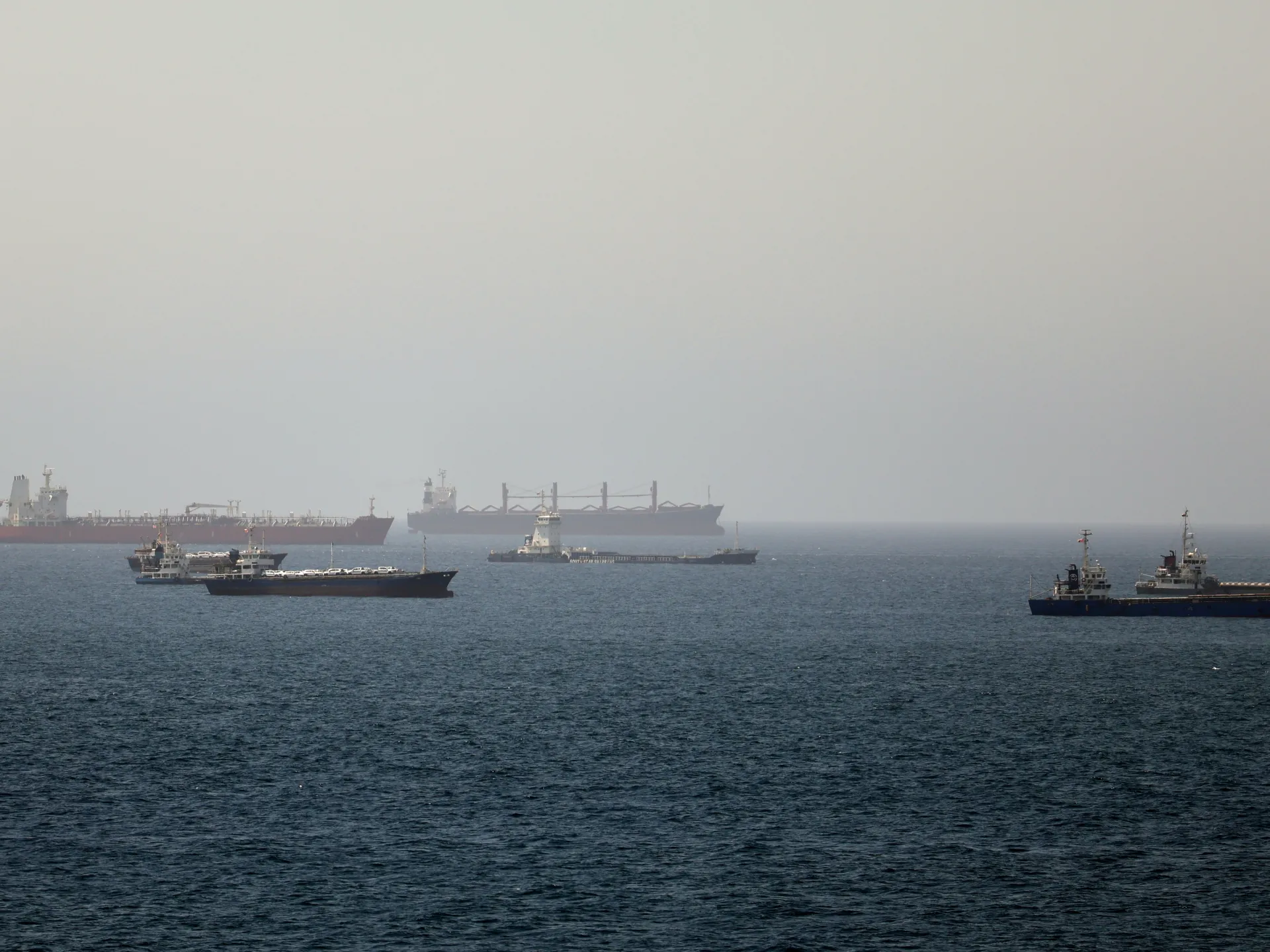
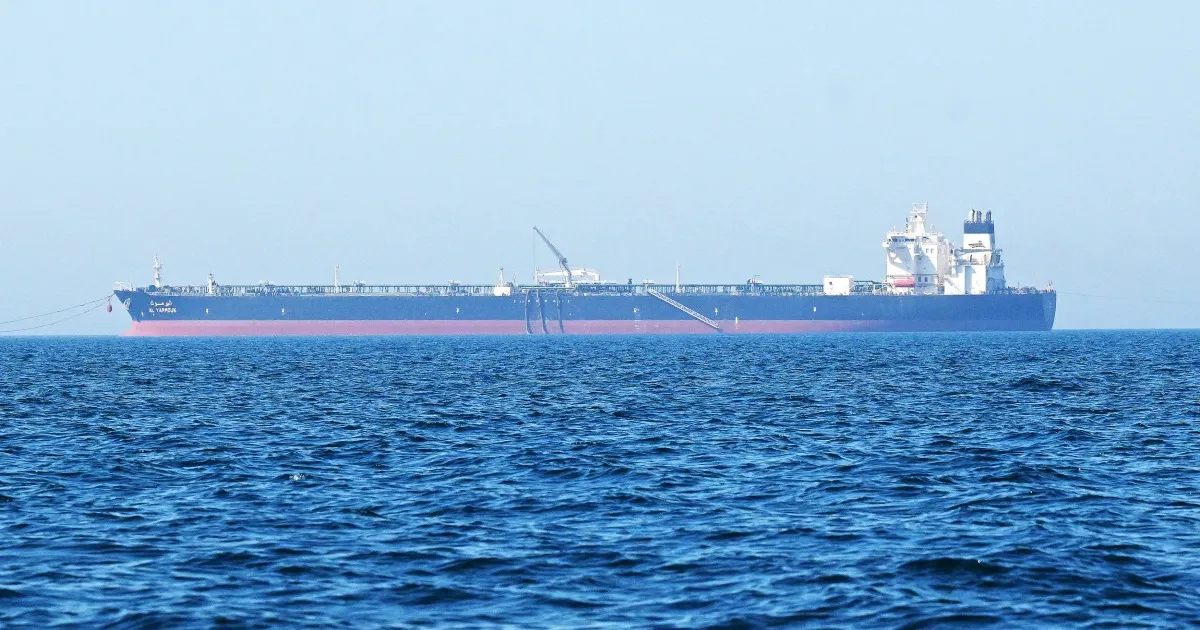
Before the war, somewhere around 20% of global seaborne oil moved through the Strait of Hormuz. Today, tanker traffic has fallen to approximately 2.2 million barrels per day as of August 2026, reflecting both Iranian disruption campaigns and the reluctance of commercial operators to risk their vessels in an active war zone.
Iran’s own oil exports tell an even starker story. Exports have dropped to around 250,000 barrels per day, an 85% reduction from pre-war levels. The revenue collapse has lit a fuse under Iran’s domestic economy, where annual inflation reached 66% in July 2026.