view more
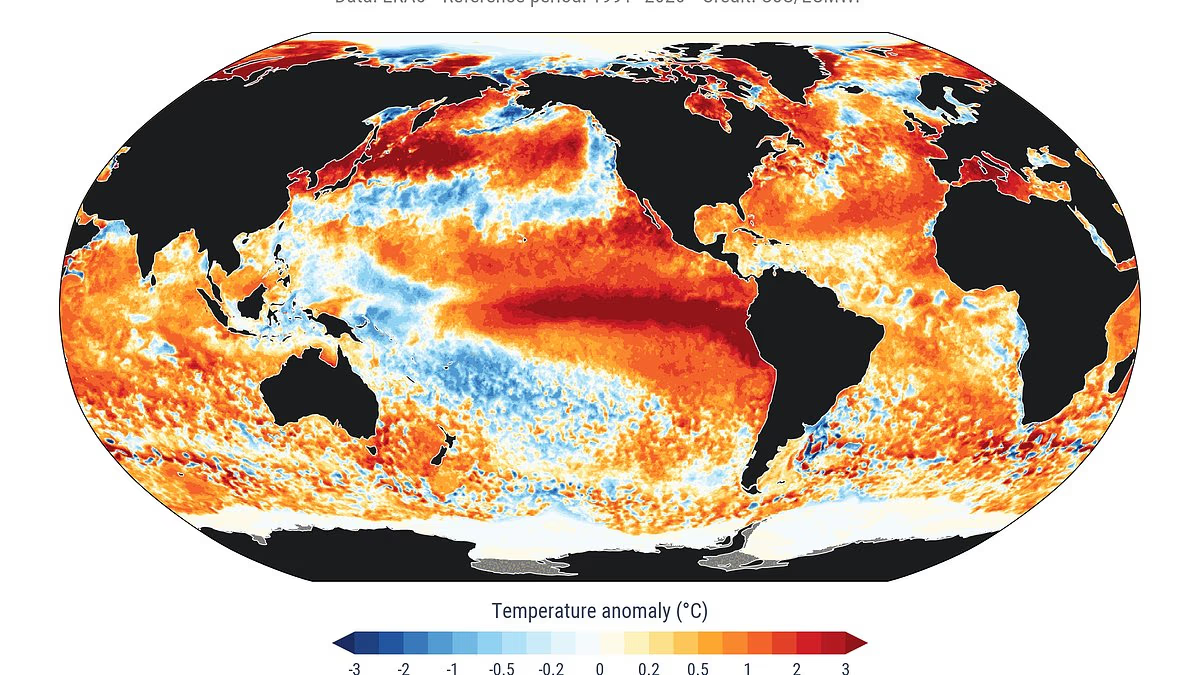
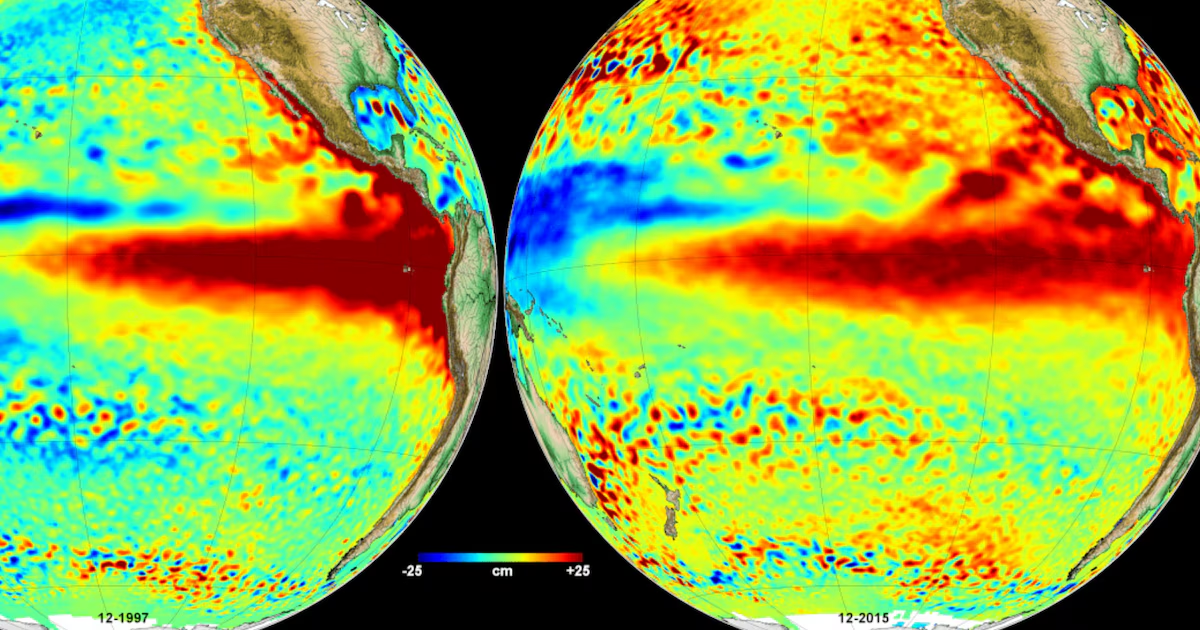
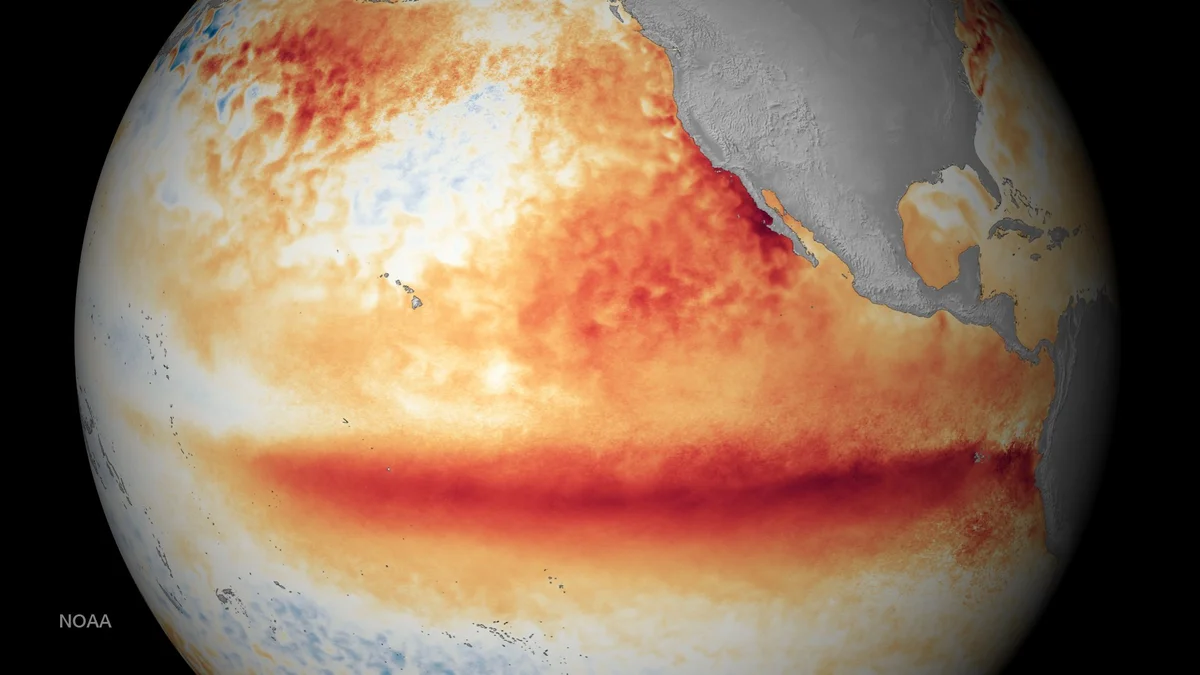
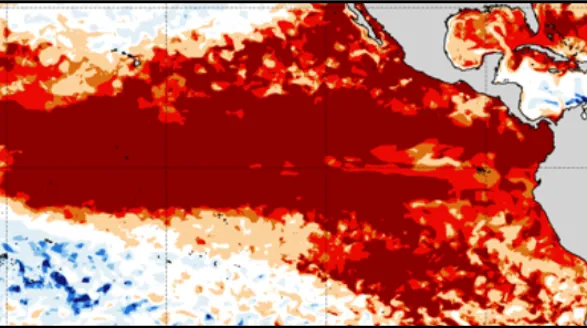
ANN ARBOR—As an El Niño of historic proportions is taking shape in the tropical Pacific, a University of Michigan study has found that El Niño events have become nearly 40% stronger in the last 40 years than they were in the pre-industrial era.
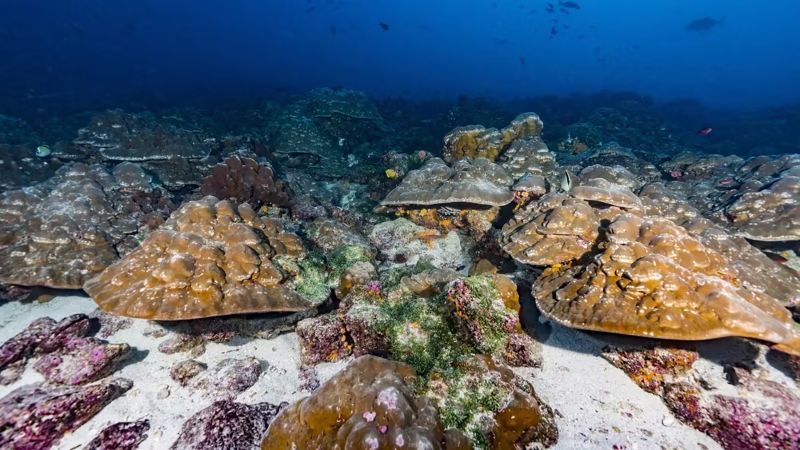
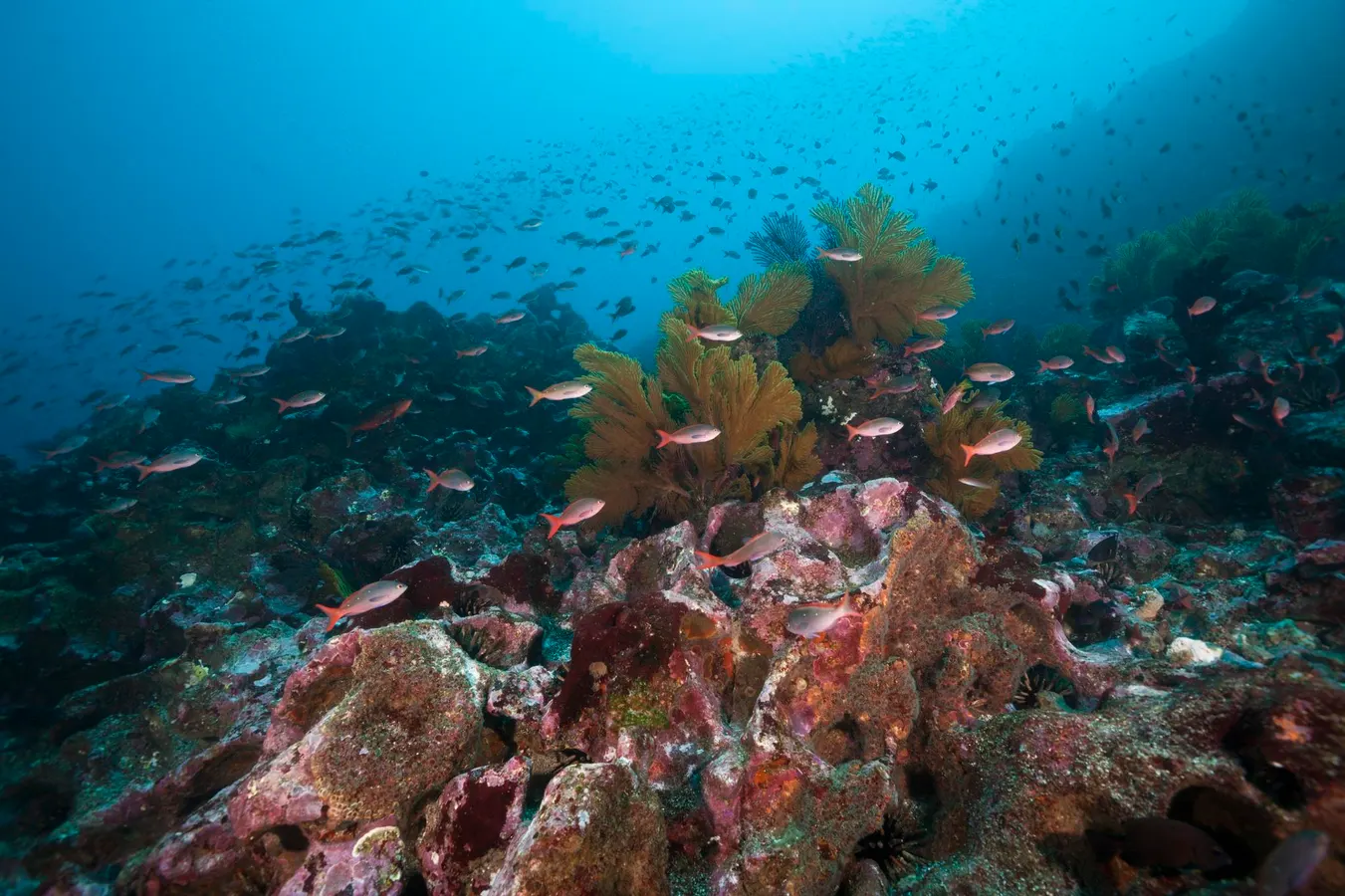
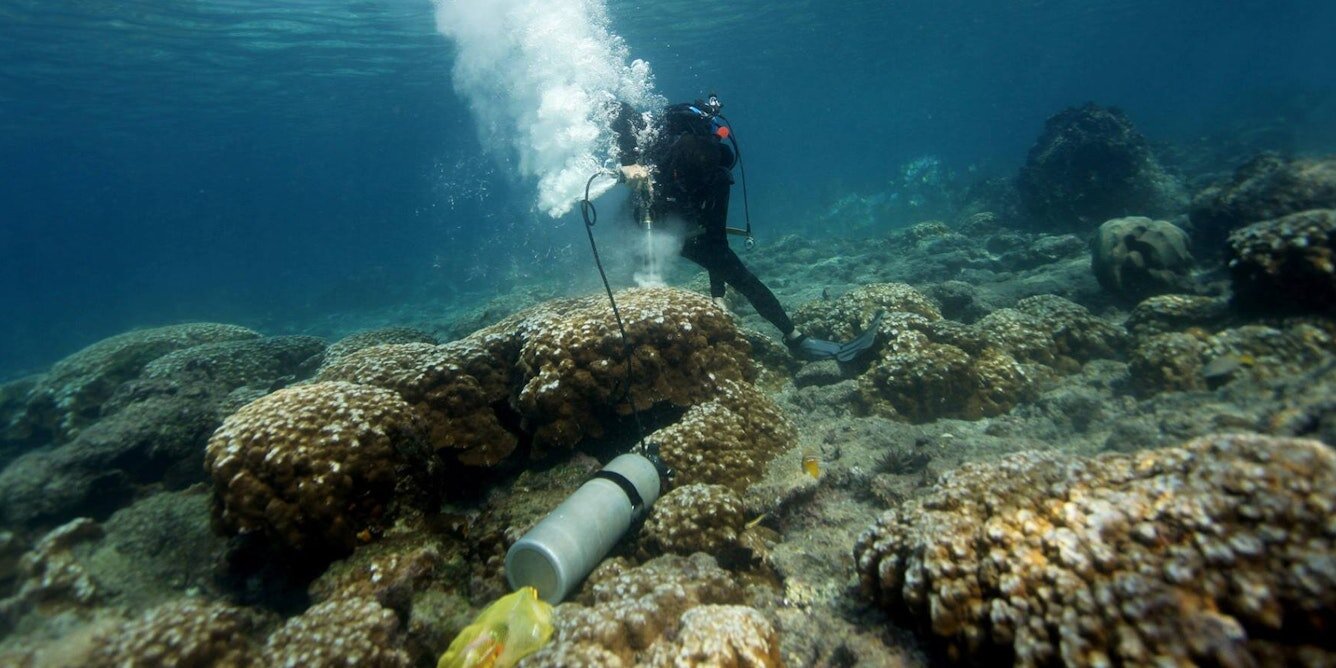
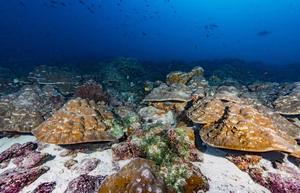
In fact, the study, which examined modern and ancient corals in the Galápagos Islands, found that El Niño events in the last four decades were stronger than any in the 1,000 years prior to about 1850, when humans began impacting the climate with greenhouse gases.
"We don't see a time in the past where El Niños have been as strong as today, and we show that the strength of El Niño changes in parallel with the warming of global temperature," said lead author Julia Cole, professor and chair of the U-M Department of Earth and Environmental Sciences. "Our findings tell us that the big El Niño events of the last 40 years are not normal in the context of the last thousand years."
El Niño is a natural phenomenon that, every few years, causes the tropical Pacific to become warmer than usual. Under normal conditions, trade winds blow along the equator from east to west. This pushes warm water from South America toward Australia. But when the trade winds weaken, warm water spreads eastward, back towards South America, kicking off an El Niño event.