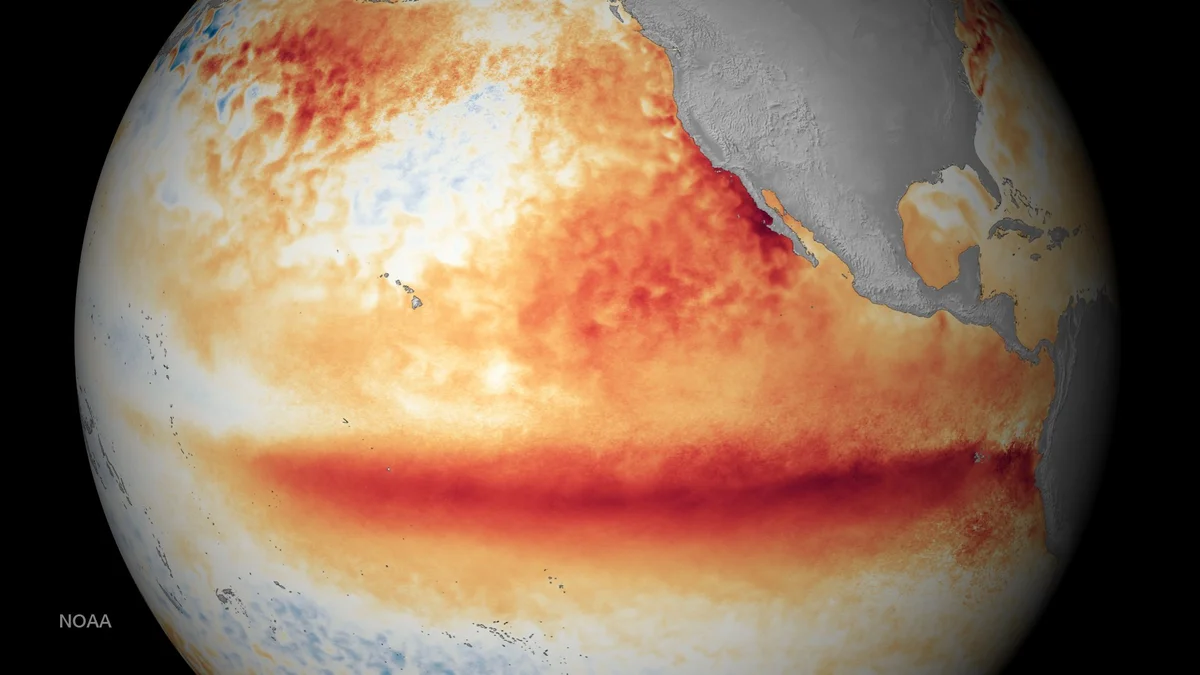
Temperatures have warmed dramatically across the equatorial Pacific Ocean in 2026, signaling the onset of a strong and potentially historic El Niño. These events can affect weather around the world, and the intensity of recent El Niño events is raising alarm that, as global temperatures rise, they are becoming stronger and more destructive.
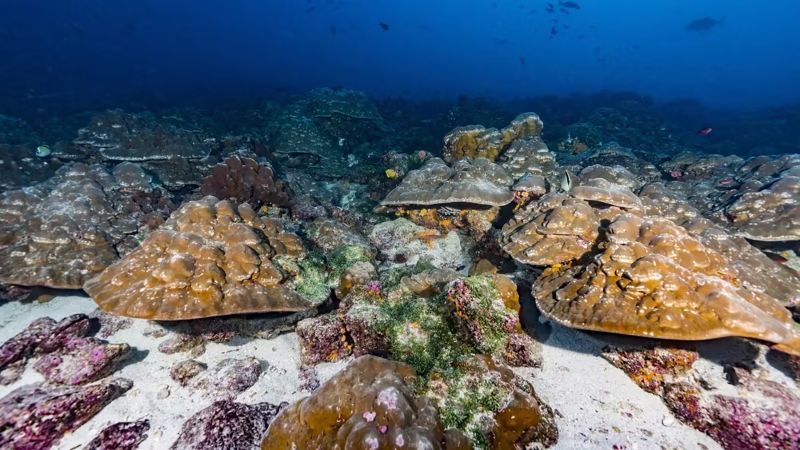
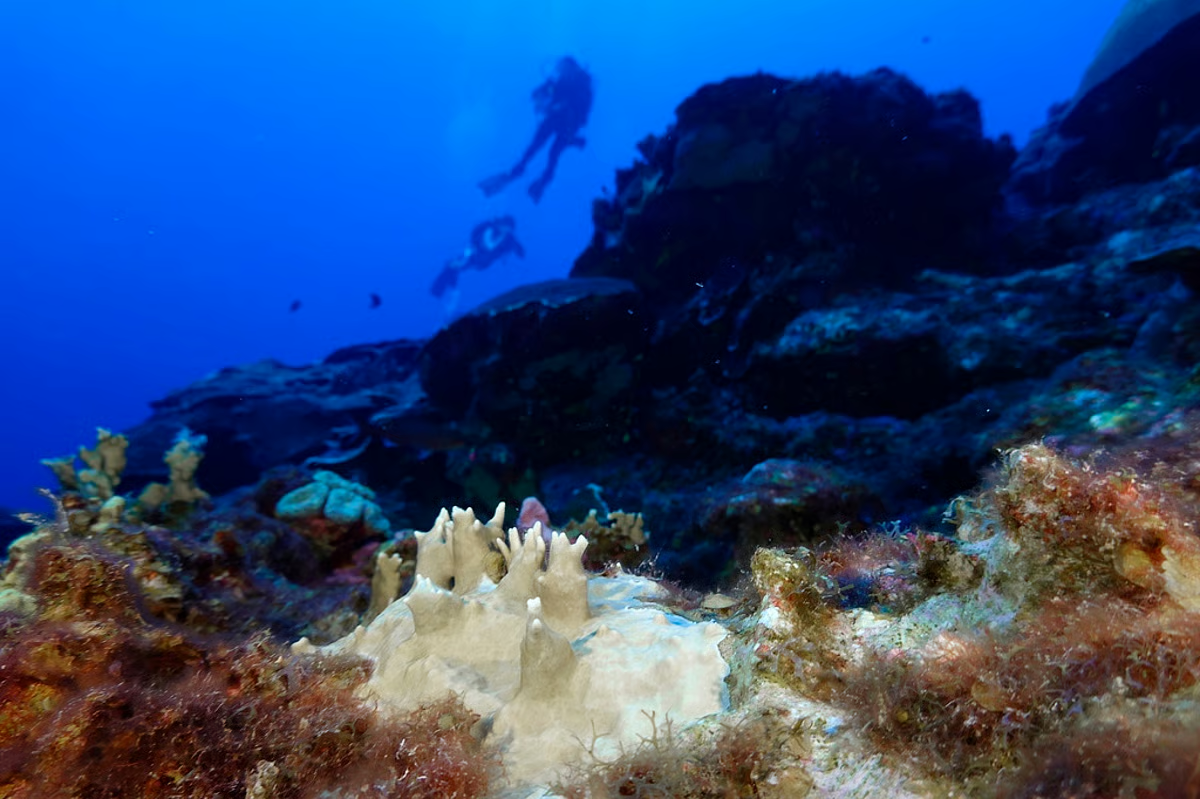
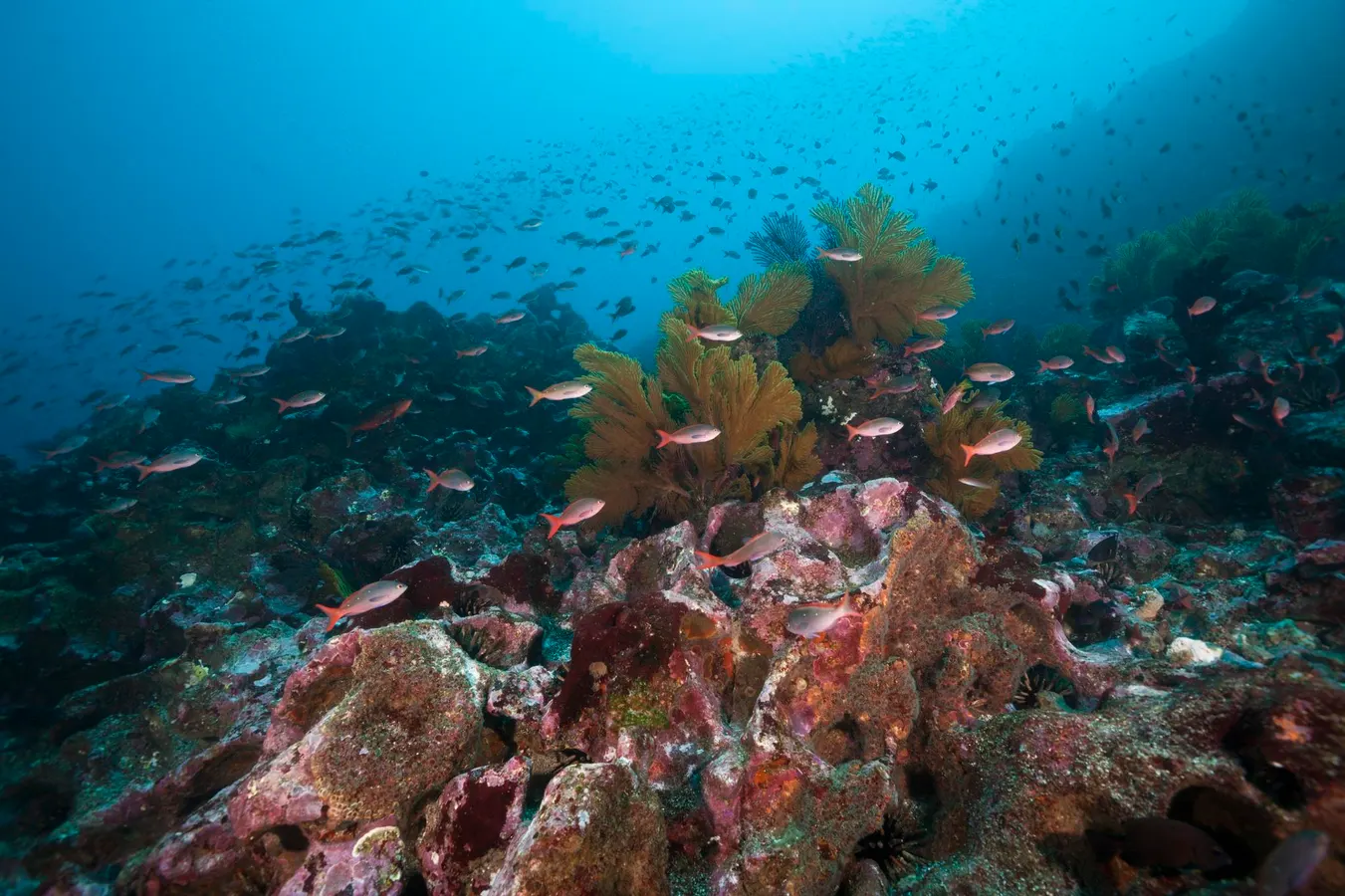
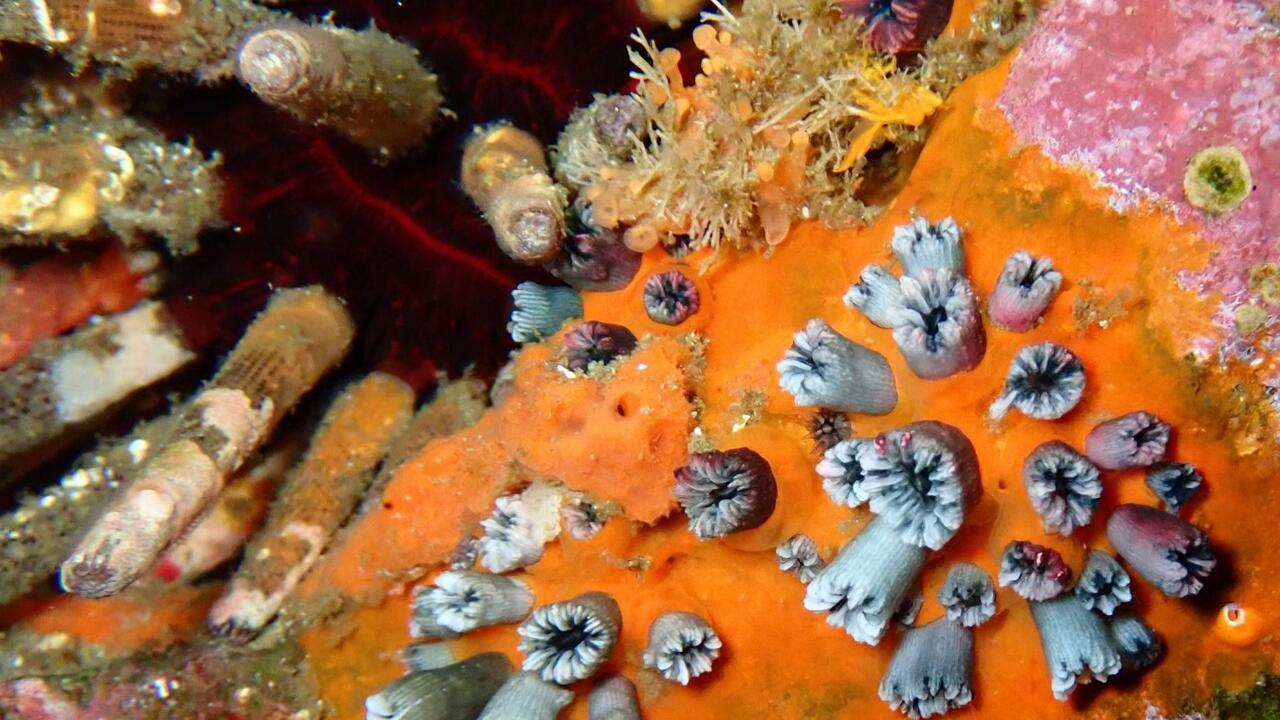
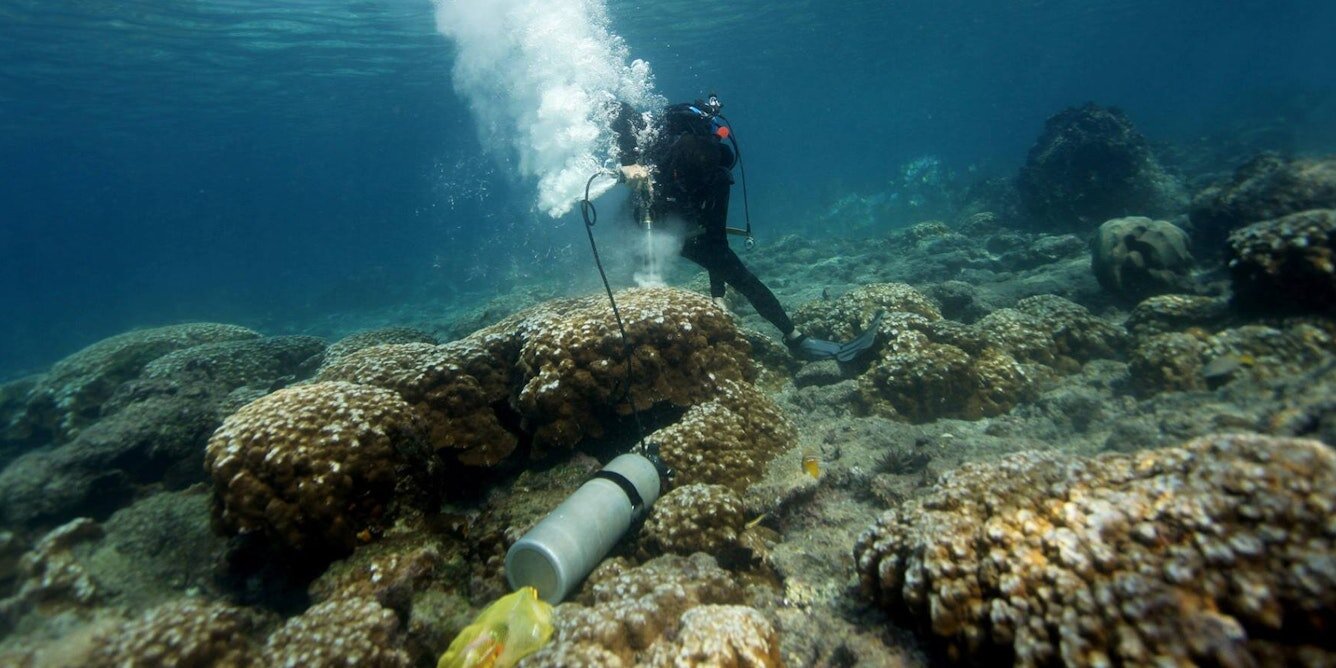
To understand how these climate patterns are changing, we need to understand what happened during El Niño events in the past, but observations go back only a few decades. So, my colleagues and I went to the Galápagos Islands—at the heart of the El Niño pattern—to find answers from some of nature's best record keepers: corals.
In records preserved by living and ancient fossil corals, we found that, on average, El Niño events have been stronger in the past 40 years than at any time in the past millennium, with higher temperatures that lead to more powerful effects on weather.
That intensification also coincides with human-caused global warming.
Our results, just published in the journal Science, suggest that the 1982–83 and 1997–98 El Niños—two of the strongest in recent memory—may be harbingers of more extreme events to come as the planet warms.