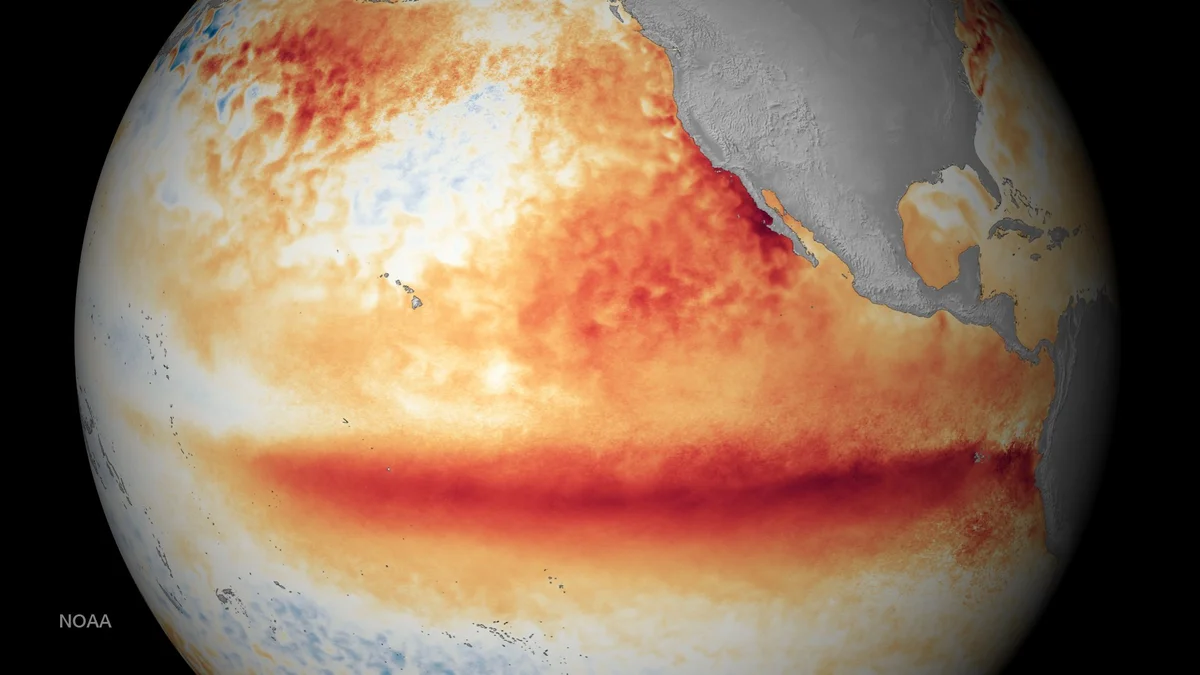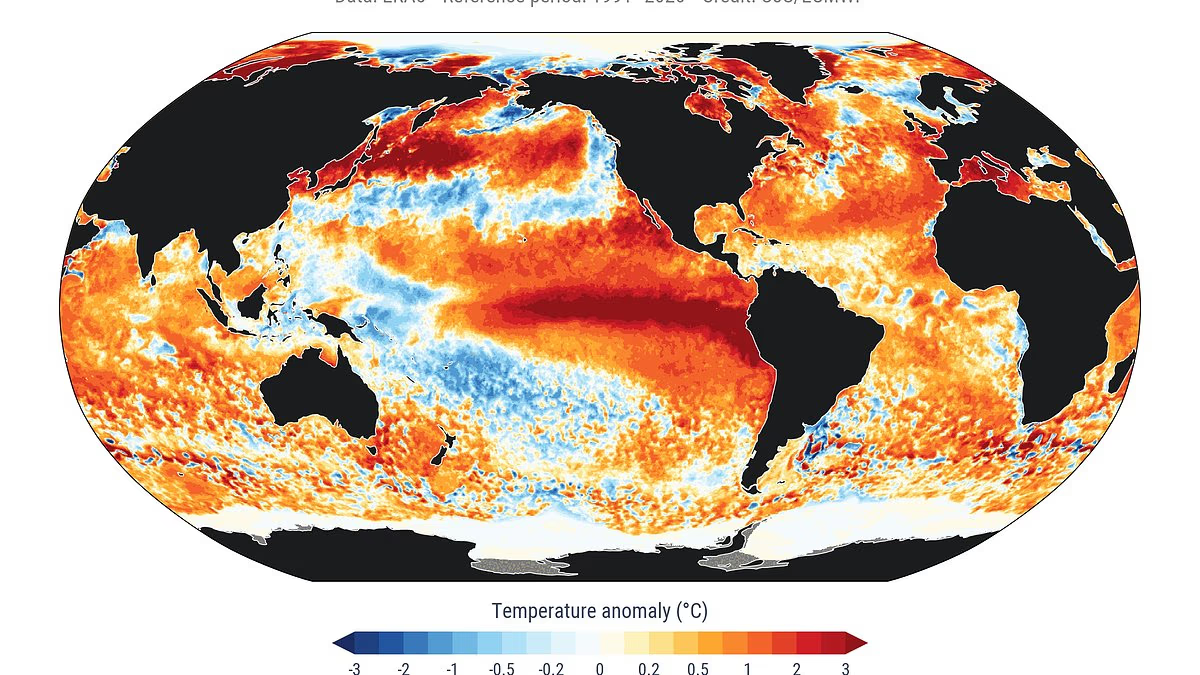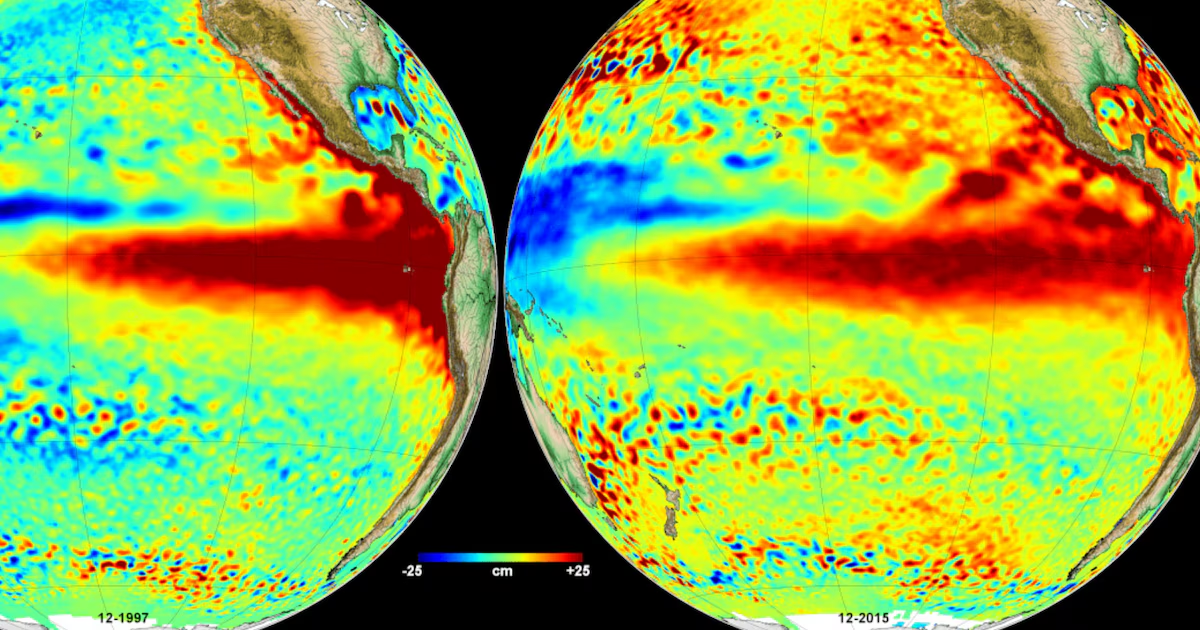
The climate pattern that drives El Niño is becoming more erratic as the planet warms, and El Niño itself is becoming more intense, according to a comprehensive new study published Thursday.
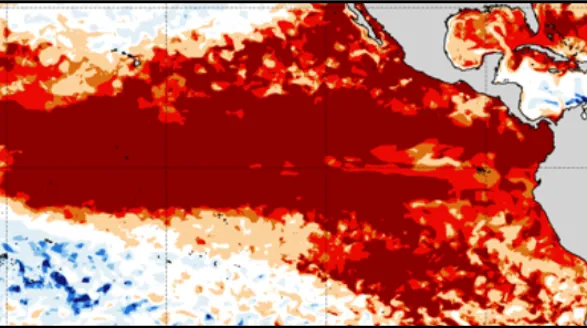
The research sheds new light on the developing Super El Niño gathering strength in the tropical Pacific, which is forecast to become the strongest such event since at least 1950 — and potentially long before that.
The study, published in the journal Science, finds that El Niño events during the past 40 years have become 36% stronger than those before the industrial revolution, when people began to generate large volumes of climate pollution. They were also about 16% stronger than the El Niño events that occurred during the 20th century.
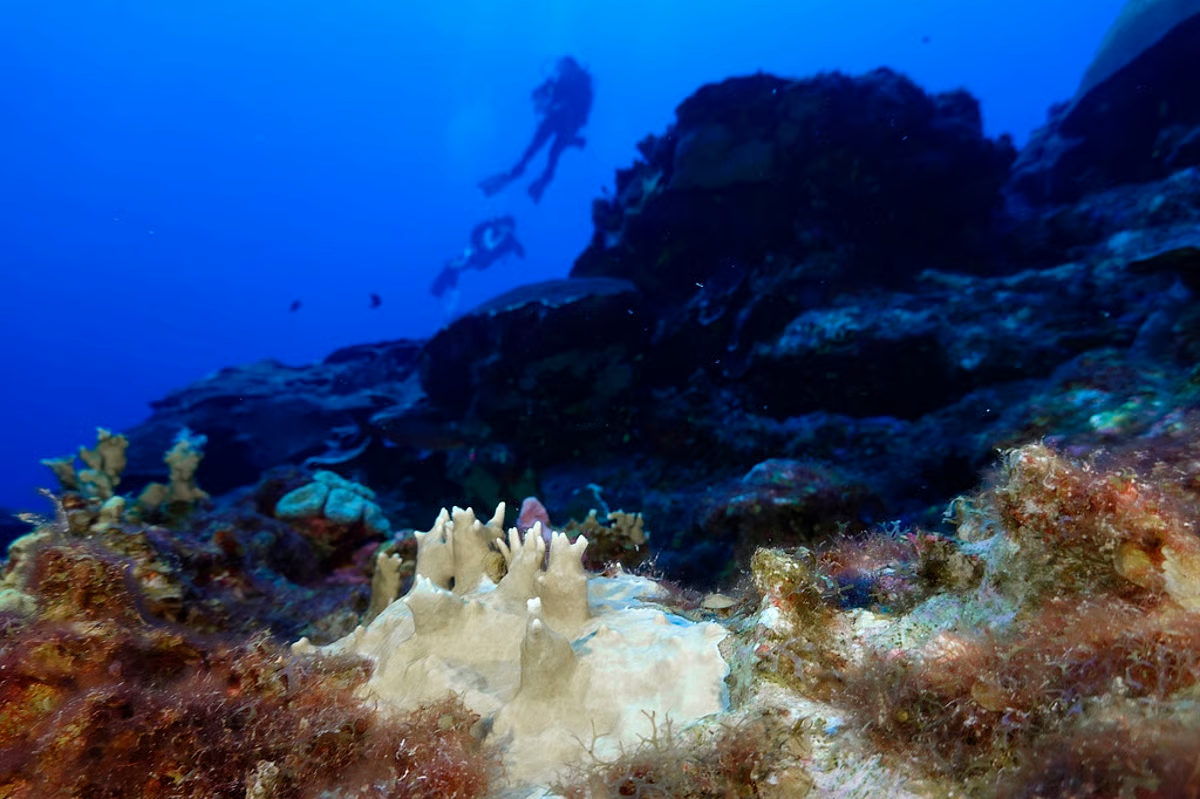
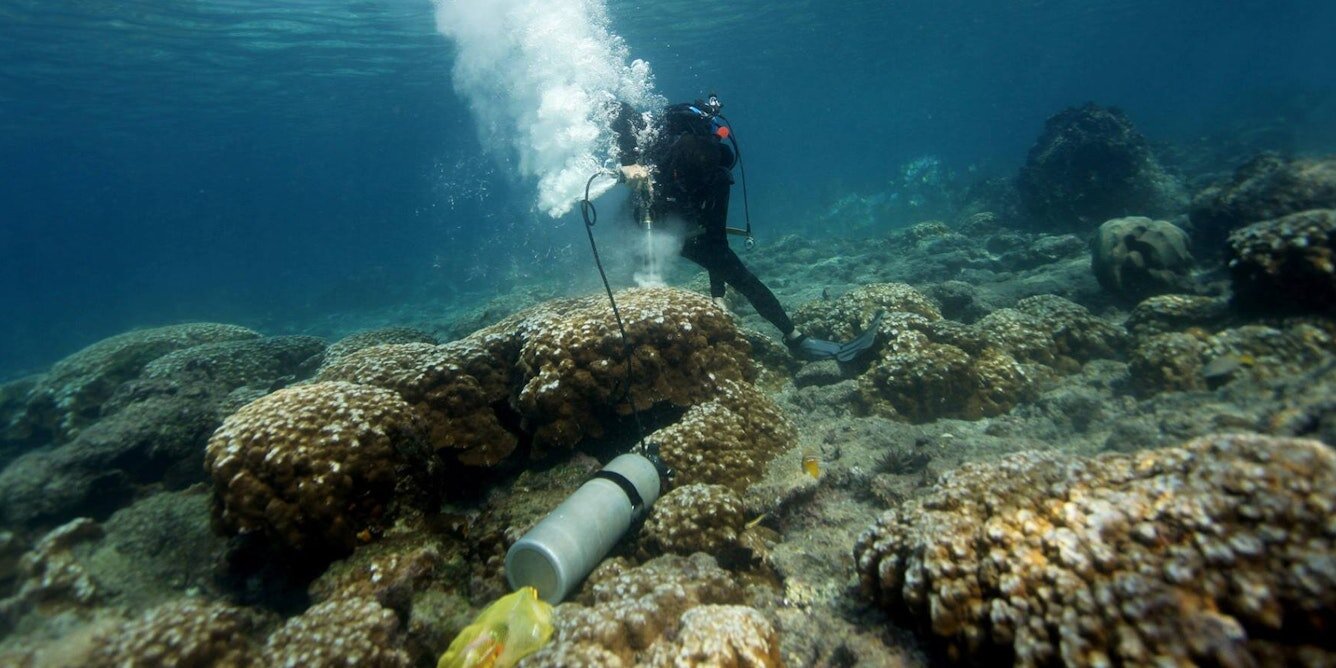
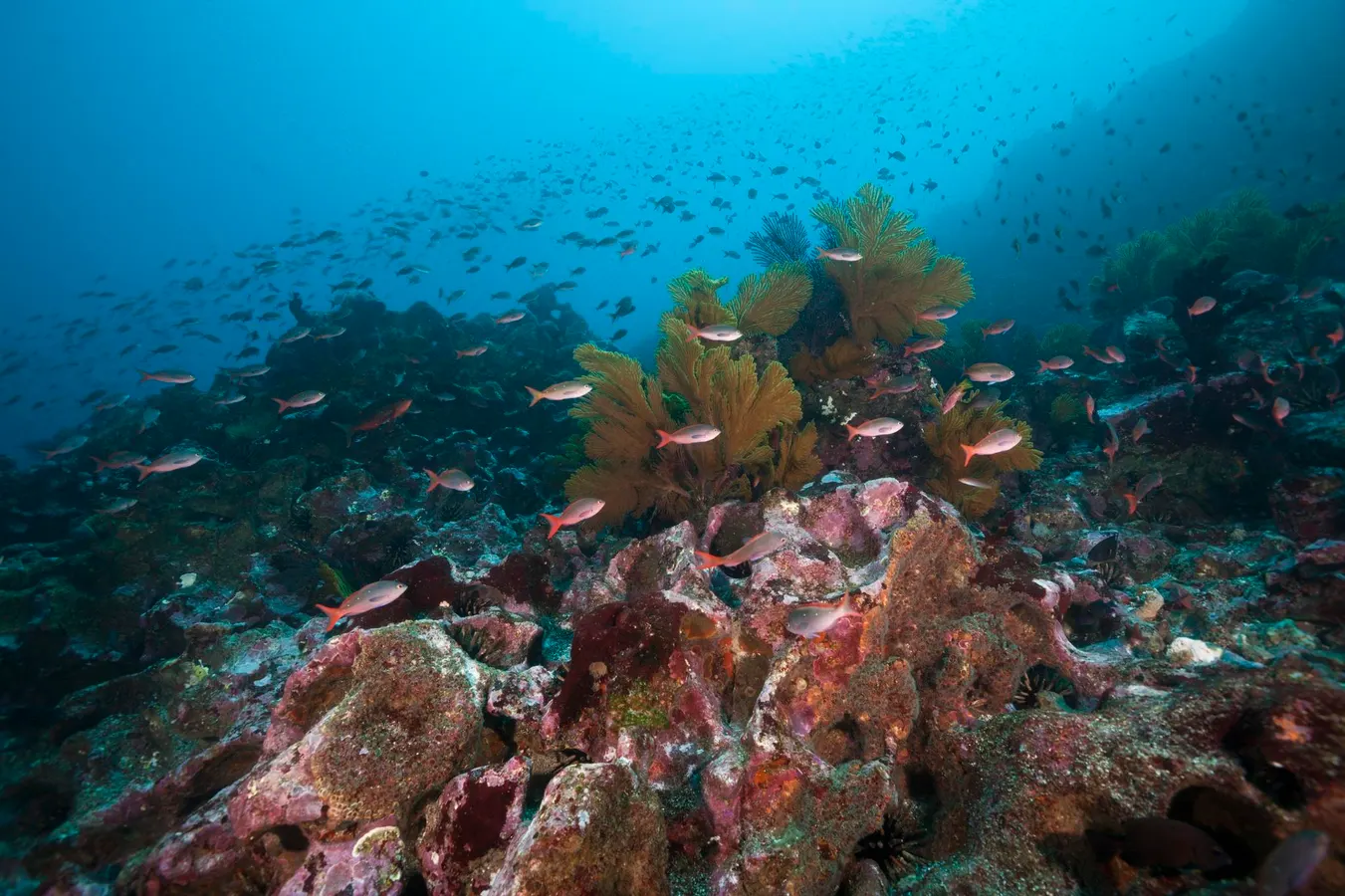
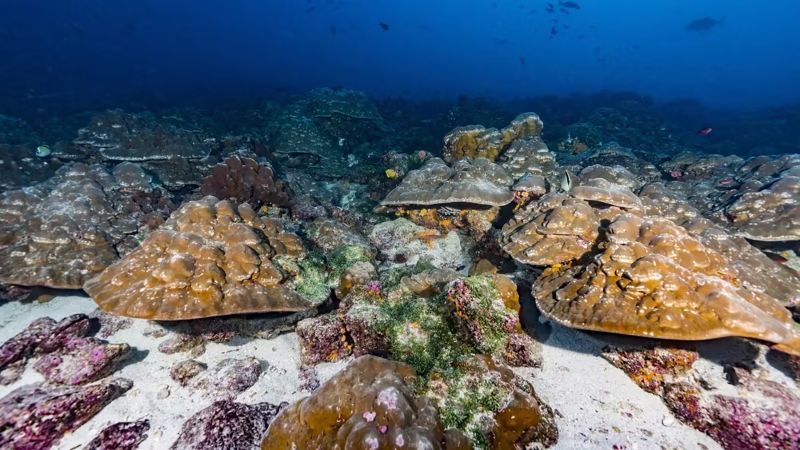
The research relies on records of past temperature variability gleaned from living and ancient fossil corals in the Galápagos Islands. These islands are located in an all-important eastern section of the tropical Pacific that is key to El Niño’s formation and intensification.
Corals are the time machines of the sea, said study lead author Julia Cole of the University of Michigan.