view more
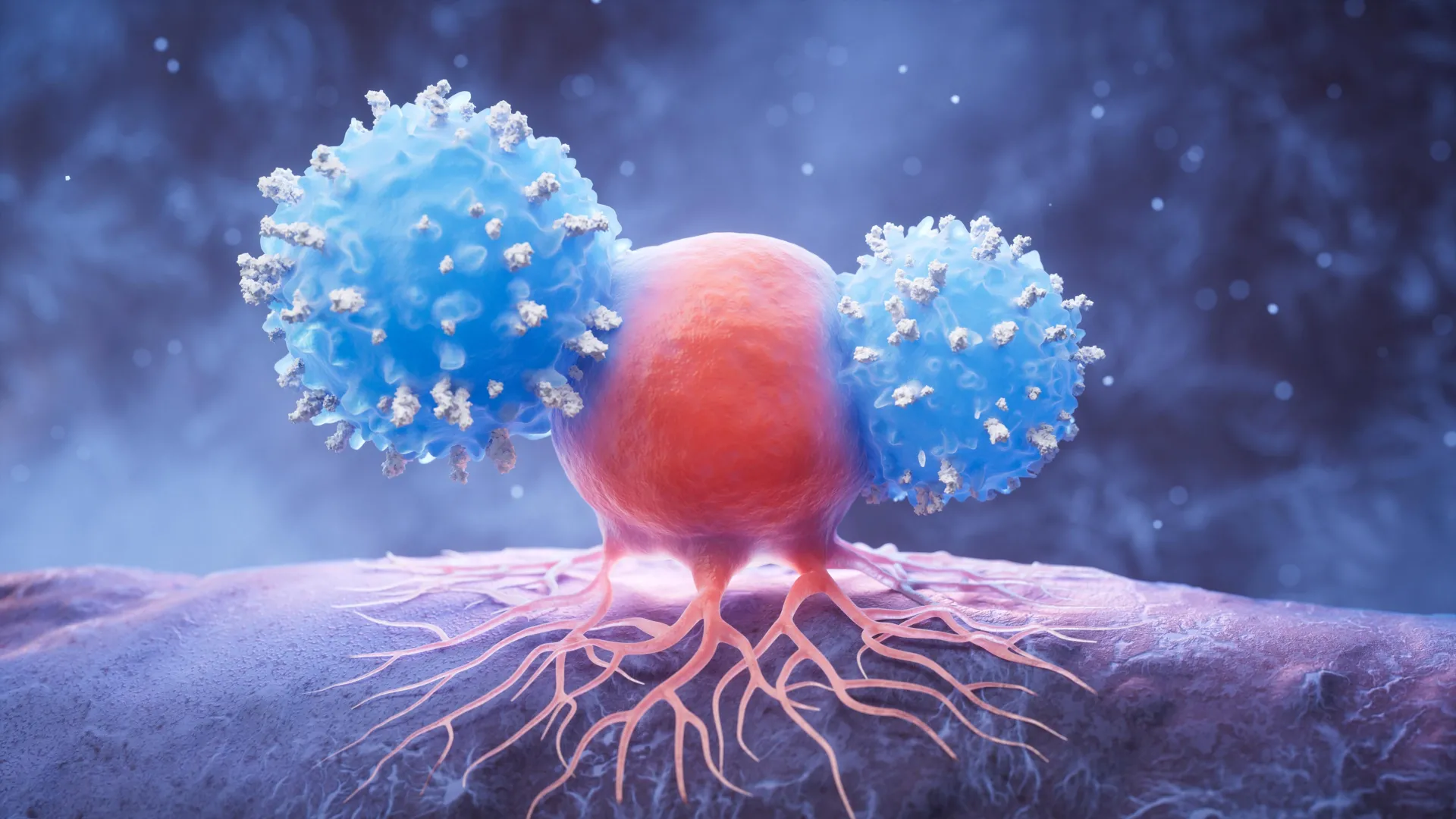
August 27, 2026--Researchers at Columbia University have discovered a new type of cell that protects lung cancers from attacks by the immune system. The work, published in Nature Immunology, illuminates a previously unknown capability of lung tumors and suggests a new strategy for targeting the disease, which remains the leading cause of cancer-related death in the United States.
The new cells were discovered as part of a wider project to understand the roles of fibroblasts—seemingly normal cells often found around solid tumors. “In the past five or ten years, a lot of research has shown these fibroblasts are helping the cancer and their activity is linked to patient outcomes,” says Olivia Ringham, a graduate student at Columbia’s Vagelos College of Physicians and Surgeons and lead investigator on the project.
“Much of the earlier work on these cancer-associated fibroblasts has focused on pancreatic cancer, but little is known about the cells in lung cancer,” says Nicholas Arpaia, associate professor of microbiology and immunology, senior author of the study, and Ringham’s adviser.
Cell-by-cell analysis