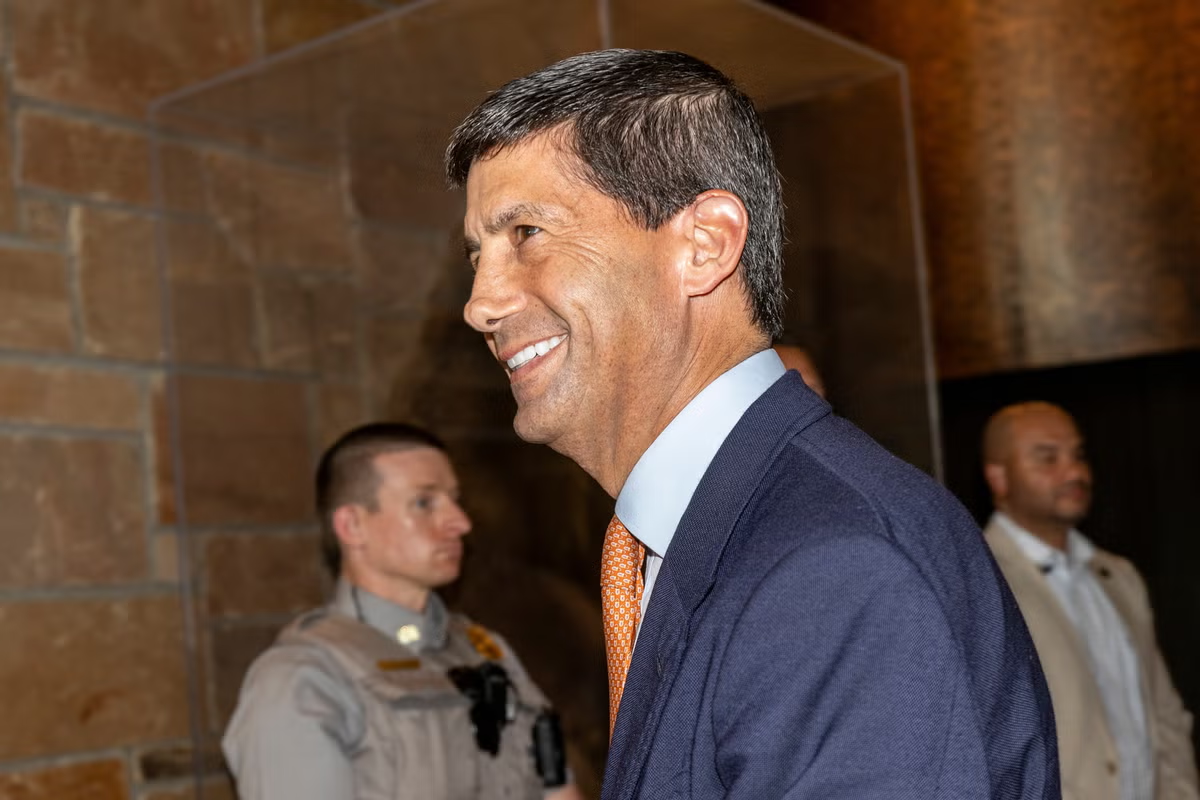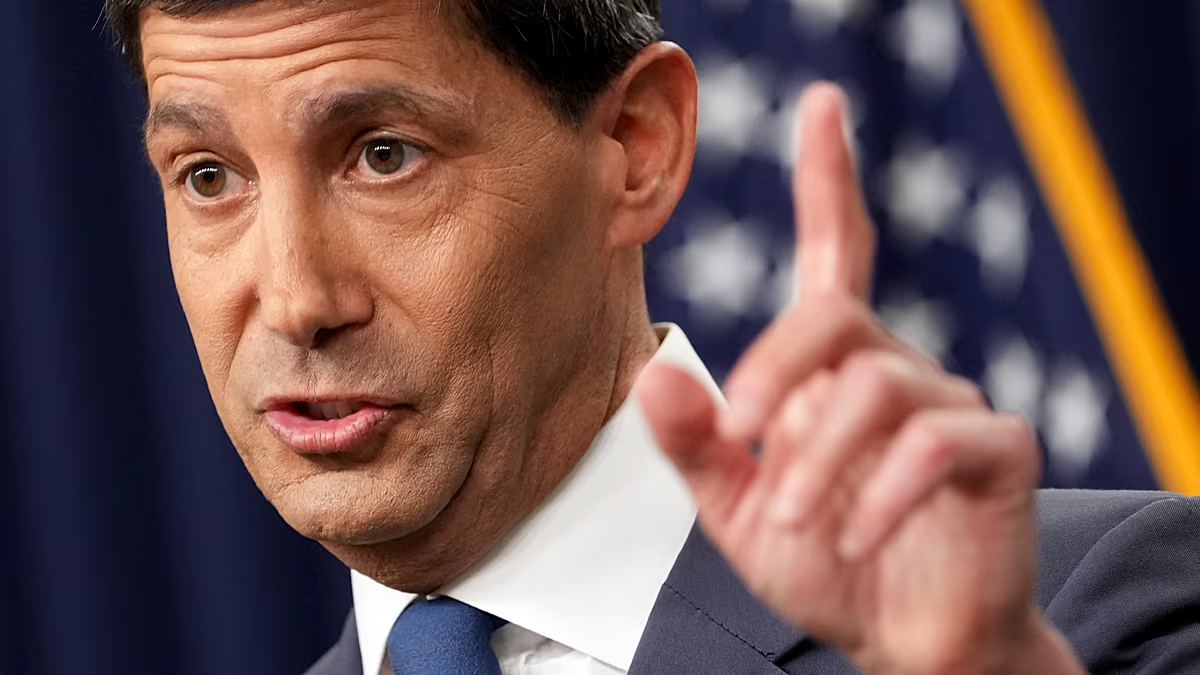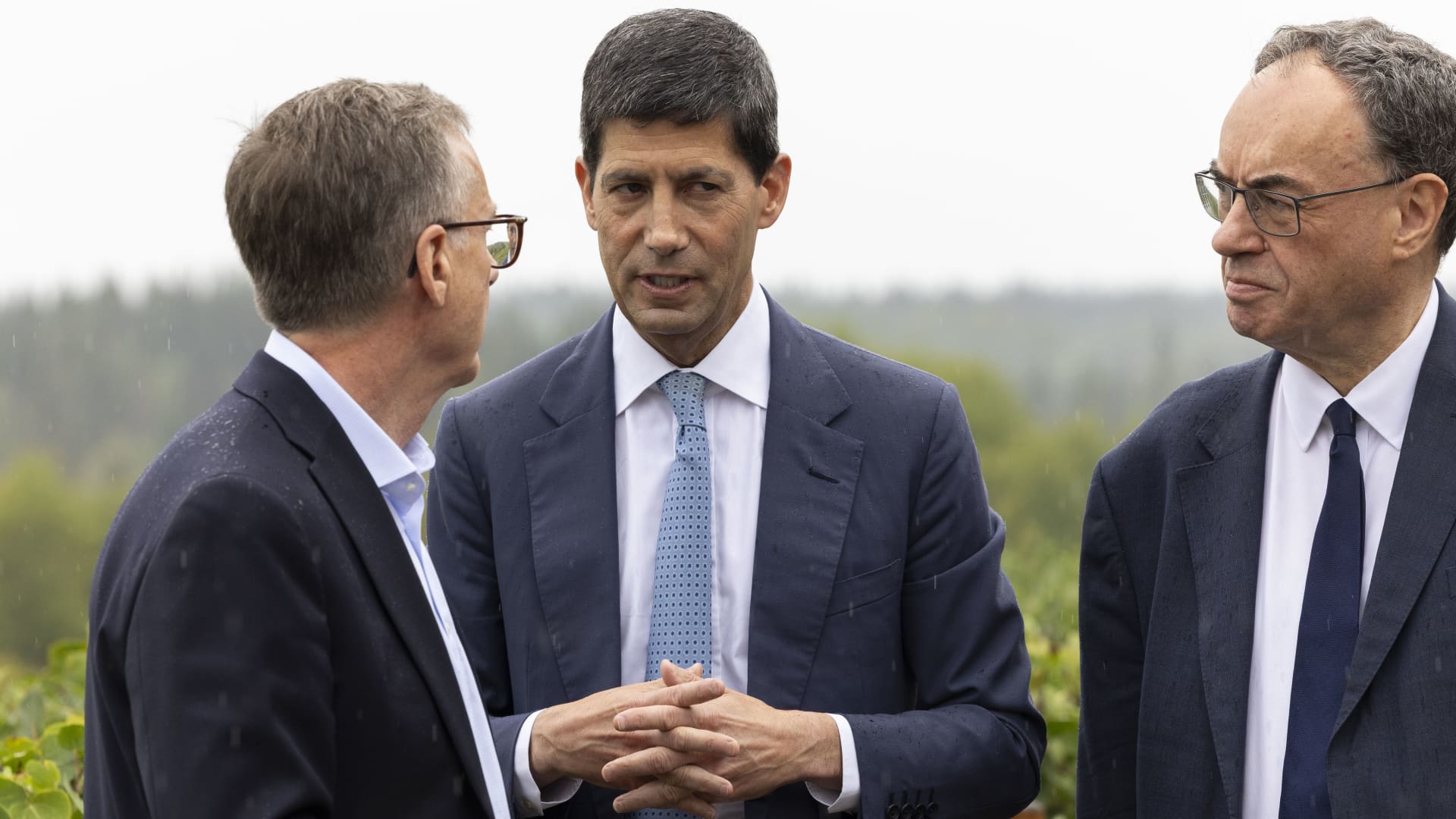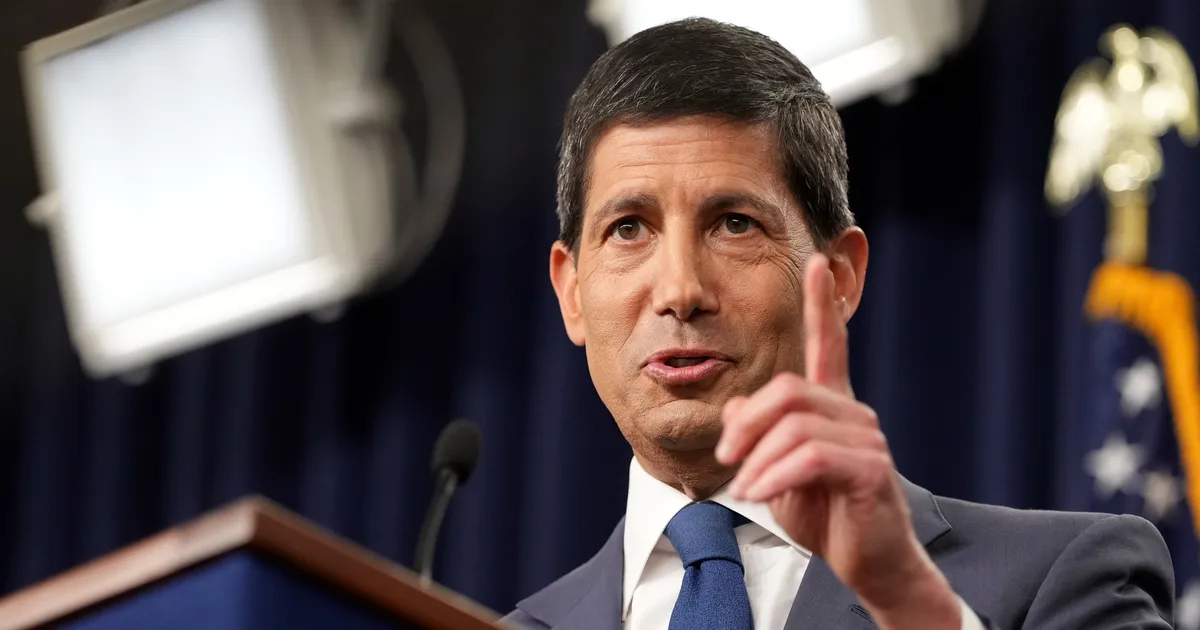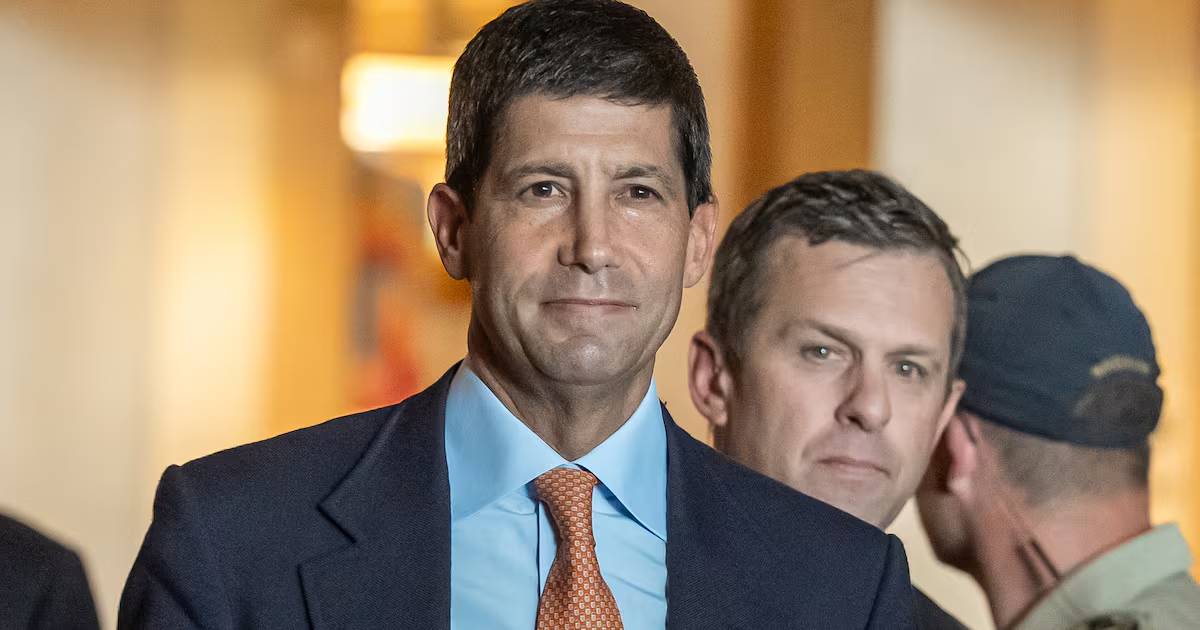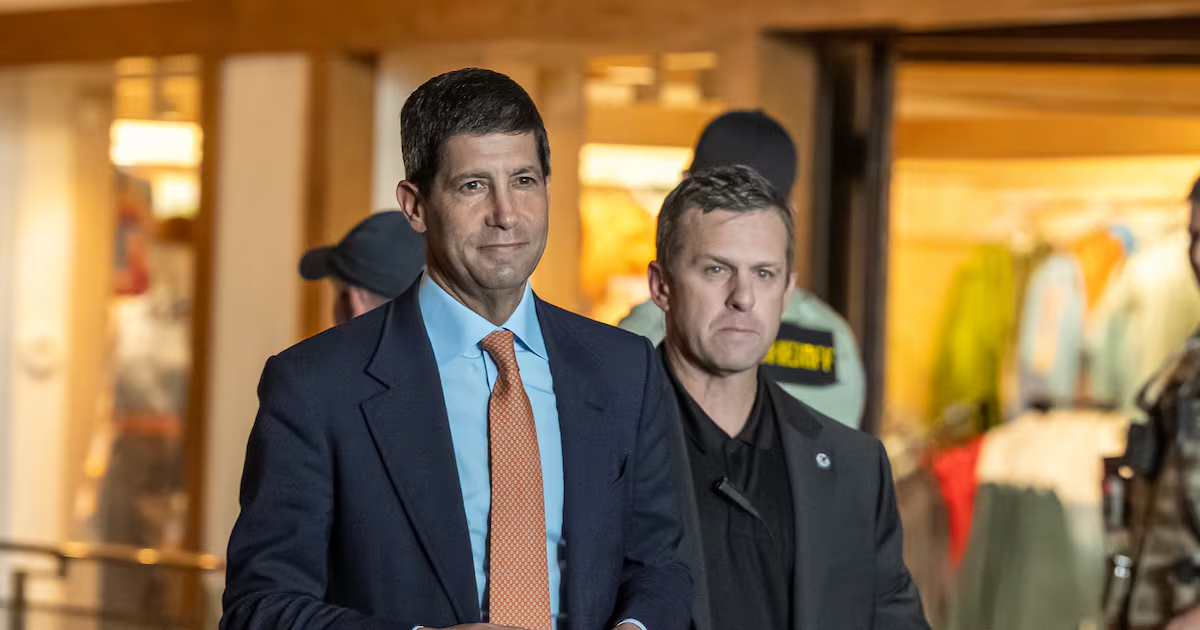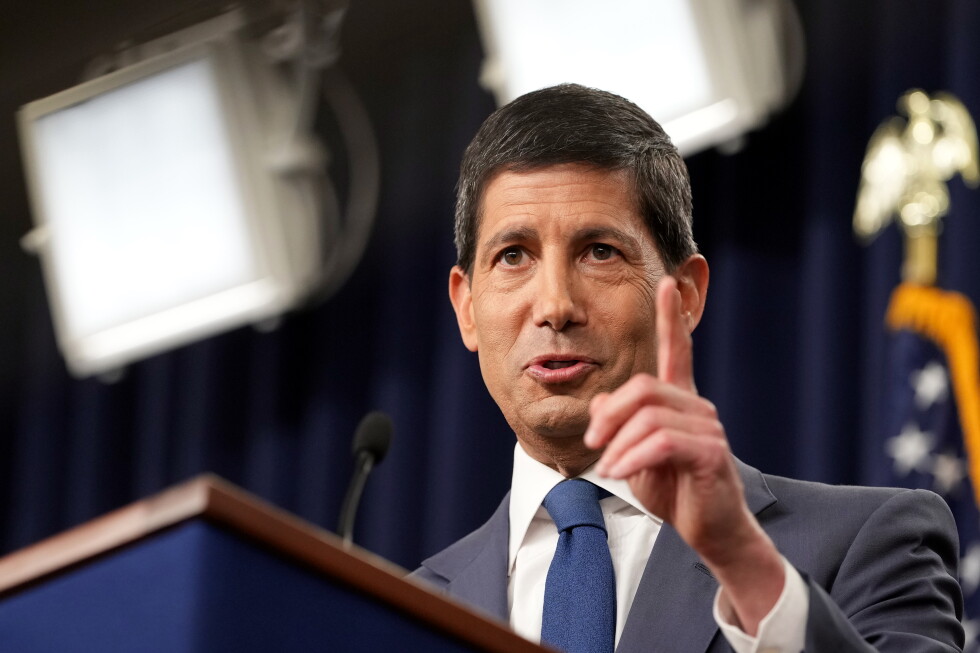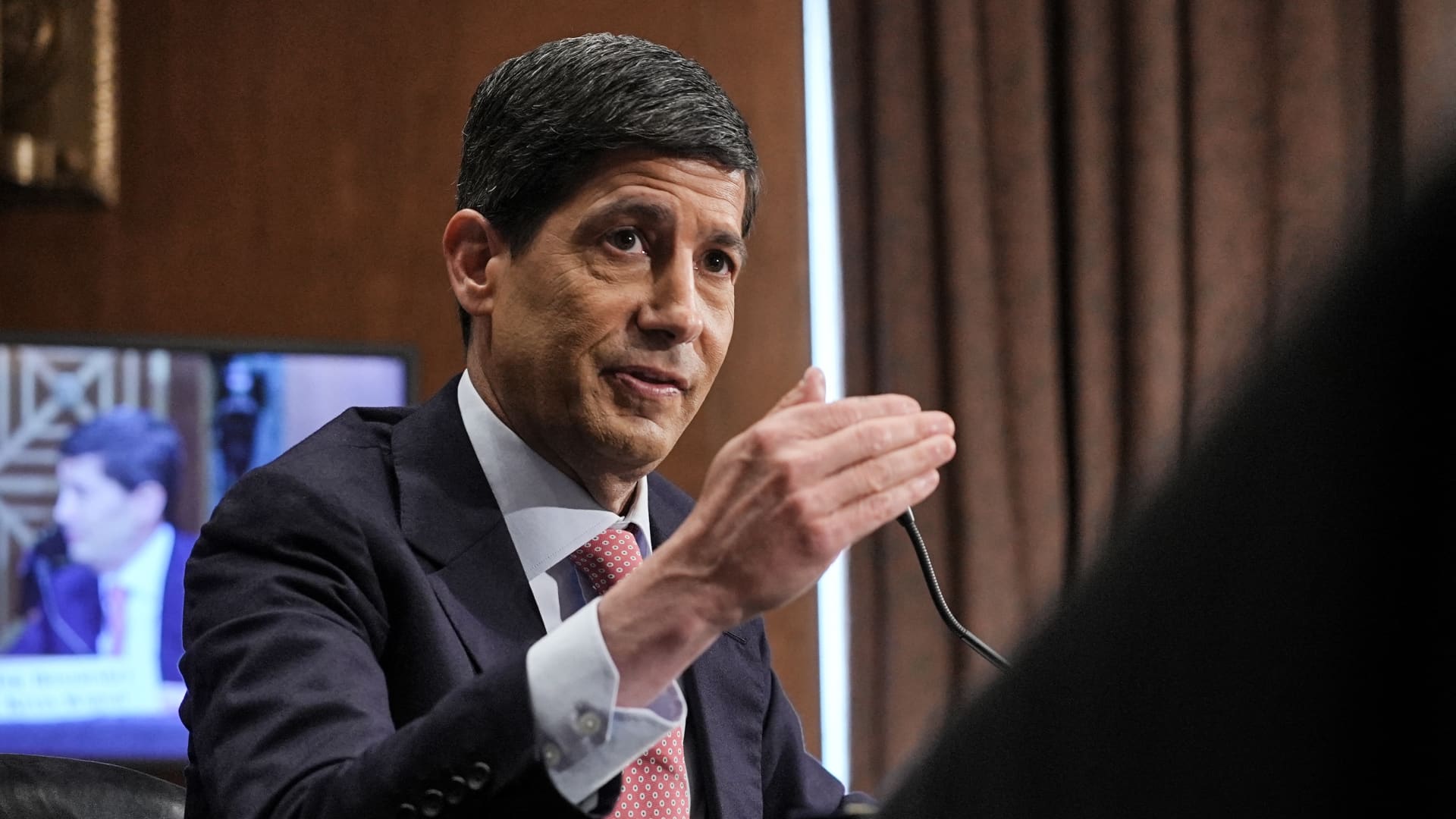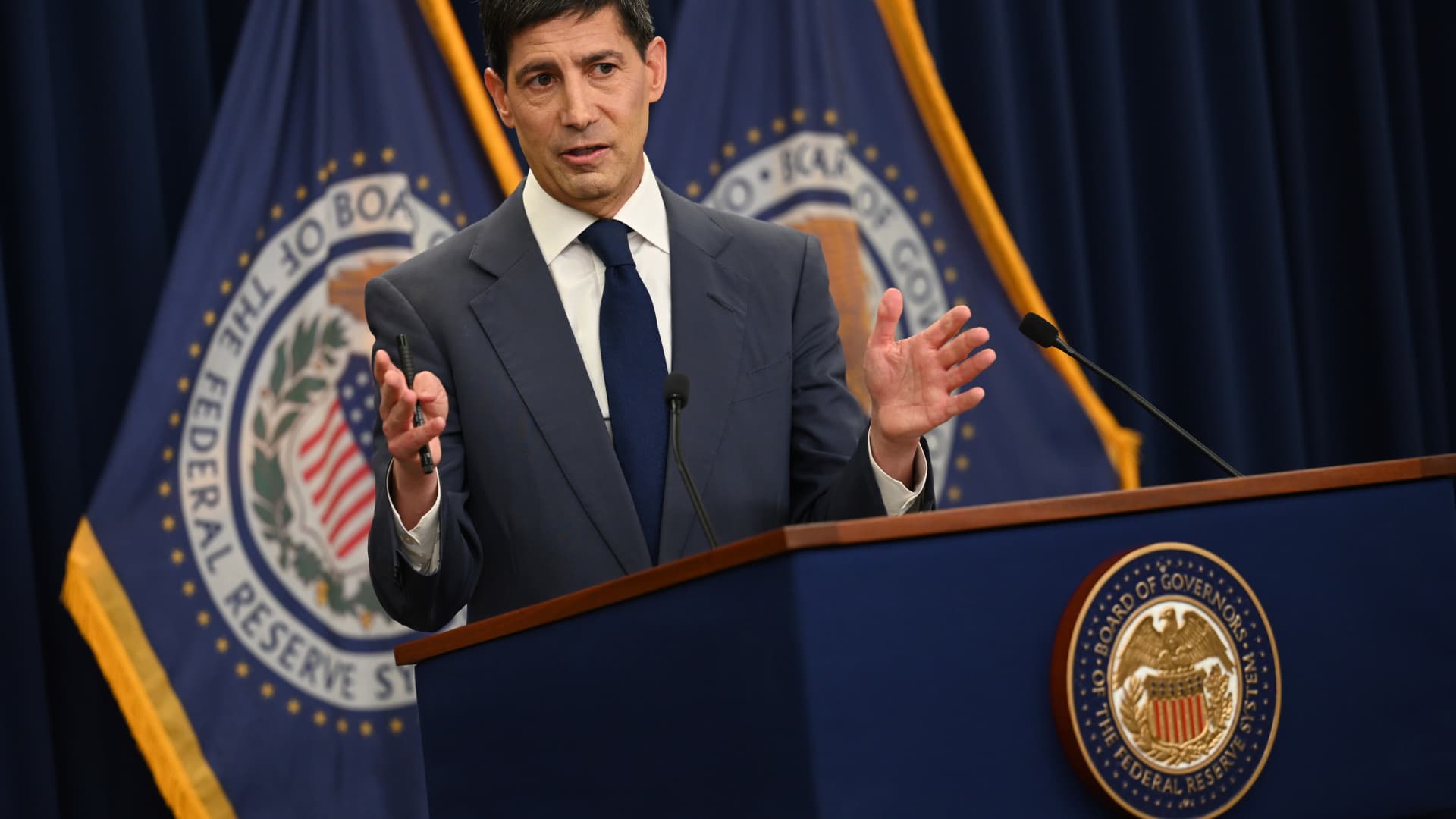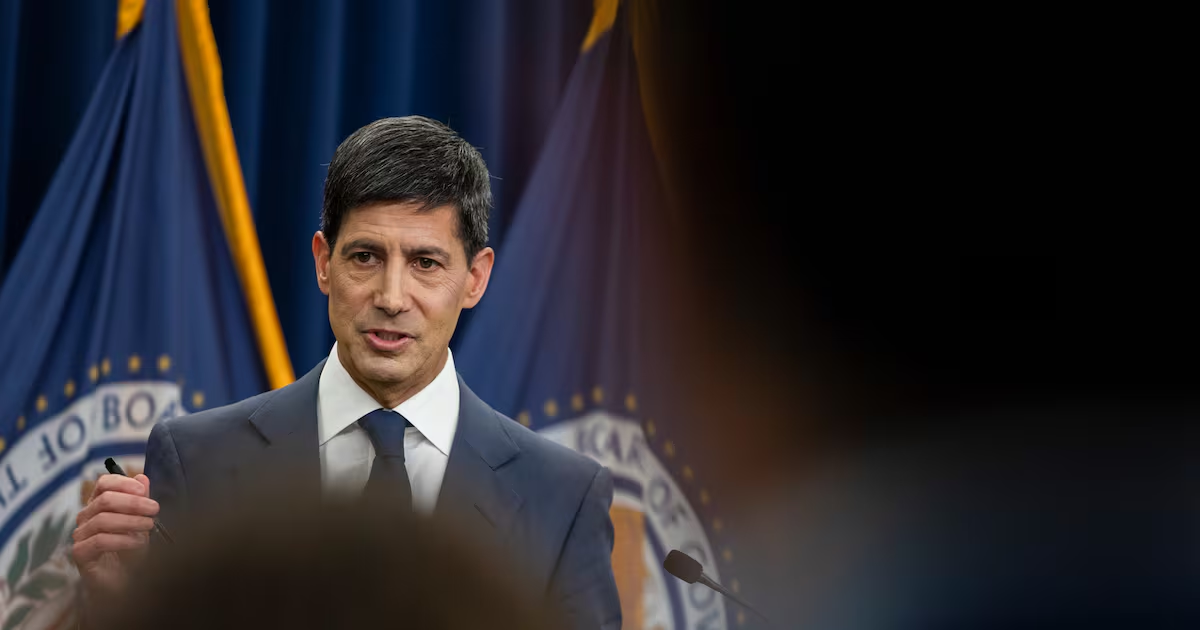
Kevin Warsh stood at the podium in Jackson Hole, Wyoming on August 28 and delivered a message his boss probably didn’t want to hear: inflation is getting worse, and the Fed isn’t going to pretend otherwise.
Warsh described current inflation figures as “more concerning” and called for a “quieter Fed” that relies less on forward guidance.
From dove to hawk in record time
When Trump nominated Warsh to replace Jerome Powell, the assumption on Wall Street was that the new chair would be friendlier to the White House’s longstanding preference for lower interest rates. Some analysts expected Warsh to lean dovish, buoyed by optimism about productivity gains from artificial intelligence keeping inflation in check.
At his first gathering of the rate-setting committee in June 2026, Warsh made clear that fighting inflation was priority number one. Inflation had peaked at 4.2% earlier in the year, more than double the Fed’s 2% target, driven in part by oil price spikes tied to escalating tensions between the US and Iran.