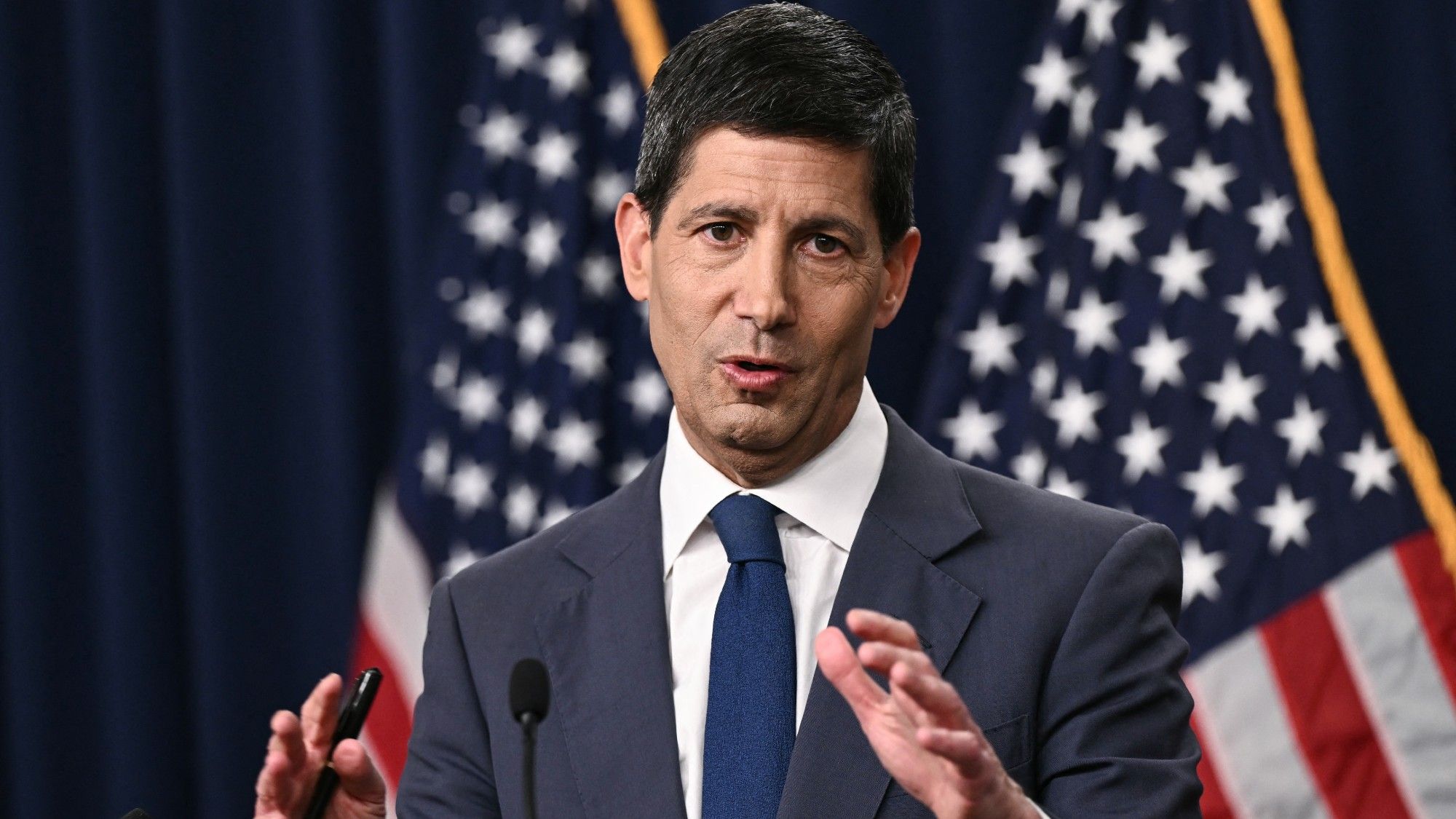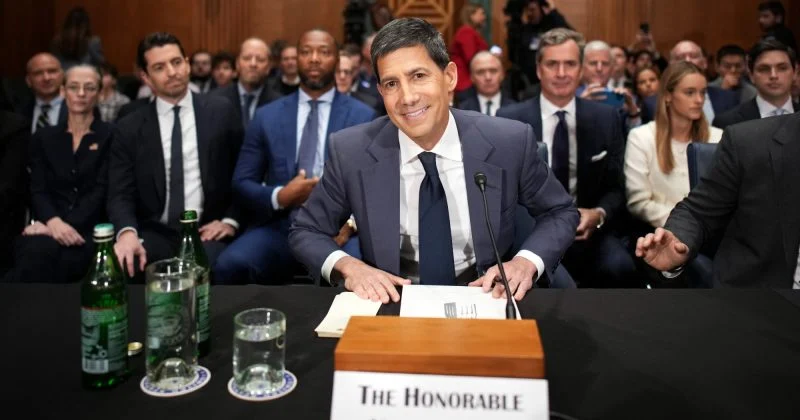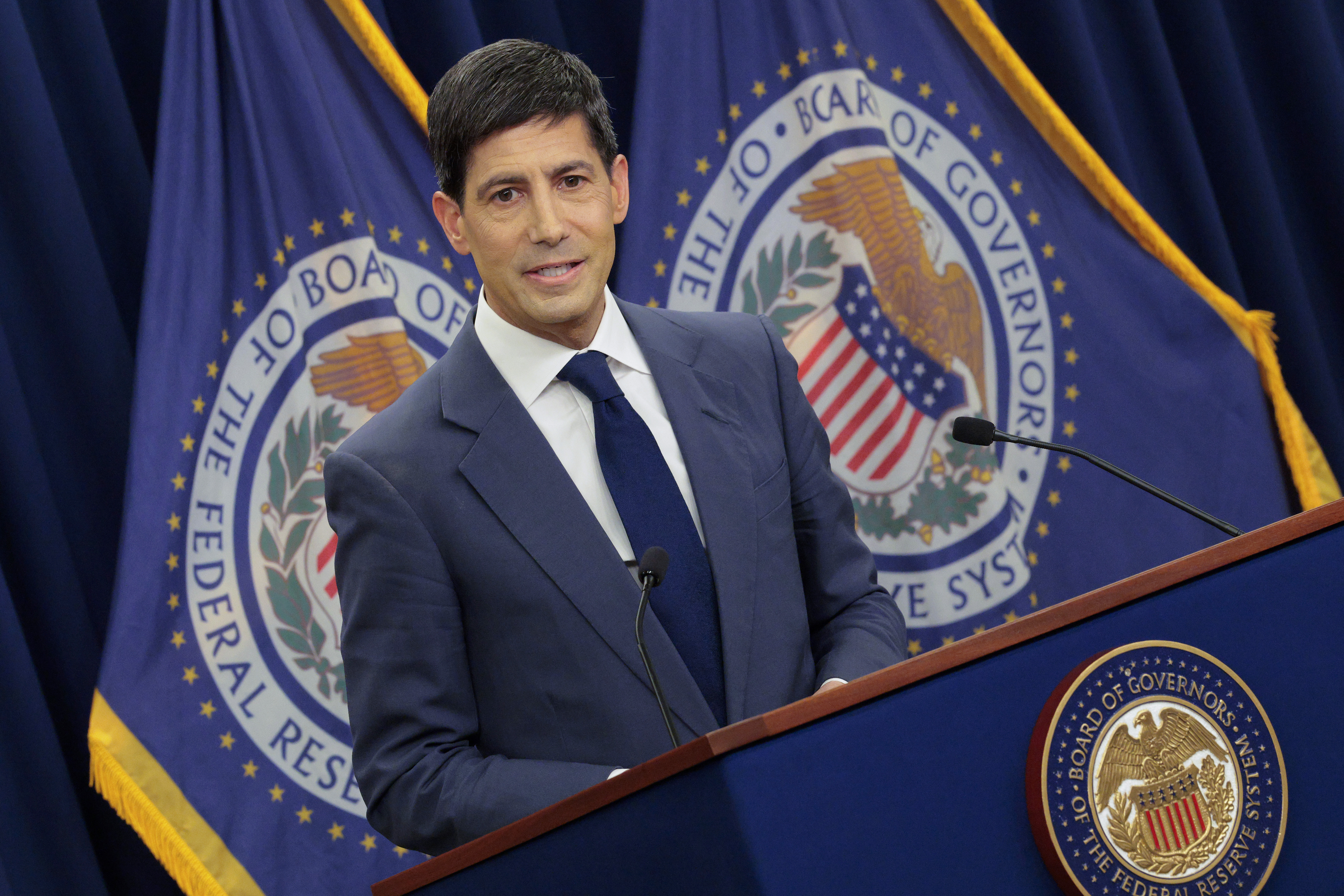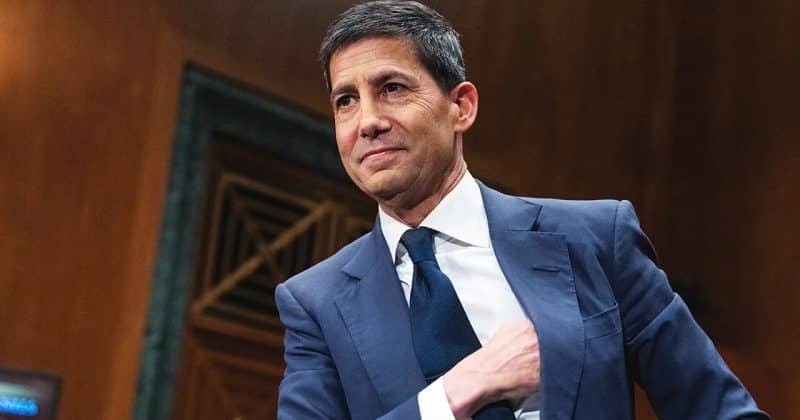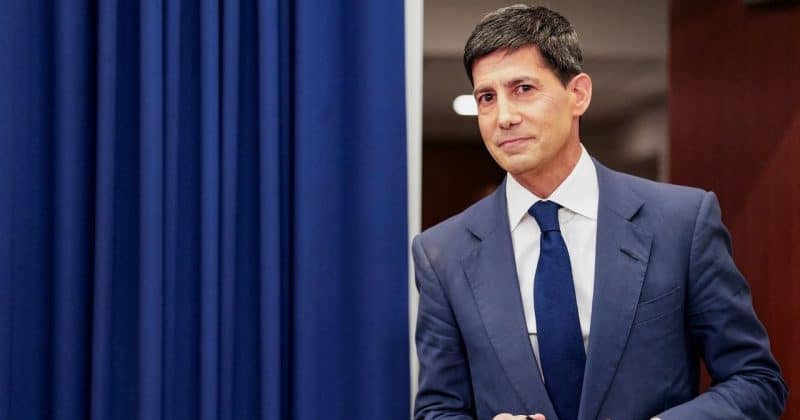
Kevin Warsh has a message for anyone who has spent the last decade parsing Federal Reserve statements for clues about future interest rate moves: stop.
Since becoming Fed Chairman on May 22, 2026, Warsh has systematically dismantled the practice of forward guidance, the central bank’s long-standing habit of telegraphing its next policy moves months in advance. His reasoning is blunt. Economic forecasting, in his view, is more aspiration than science, and a central bank that pretends otherwise risks doing more harm than good.
The end of the Fed whisper
The clearest signal of the shift came at the FOMC meeting on June 17, 2026, when the committee’s statement stripped out the explicit guidance language that had become a fixture of Fed communications. For over a decade, markets had grown accustomed to phrases like “the Committee anticipates” or “policy will remain accommodative,” treating them as semi-binding commitments. That era is over.
Warsh’s skepticism of prescriptive forecasts isn’t new. During his previous stint as a Fed governor from 2006 to 2011, he was vocal about the risks of the central bank becoming too predictable. The argument goes something like this: when the Fed tells markets exactly what it plans to do, markets price that in immediately, which can amplify bubbles on the way up and panics on the way down. The Fed ends up managing expectations rather than managing the economy.