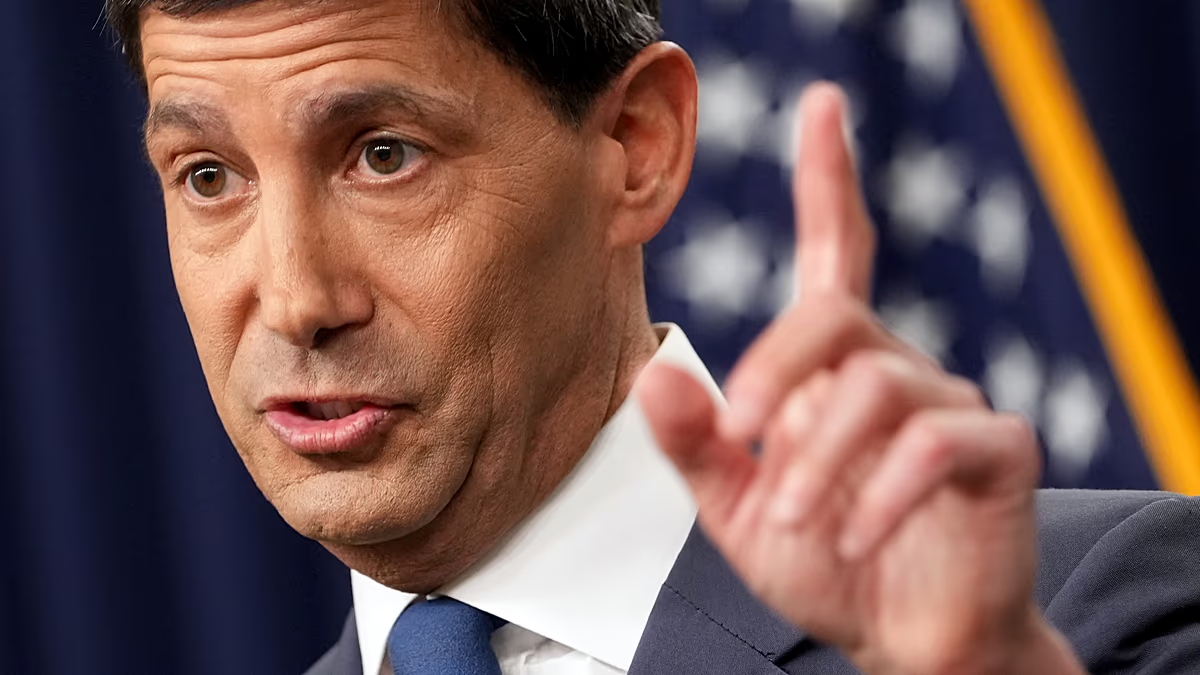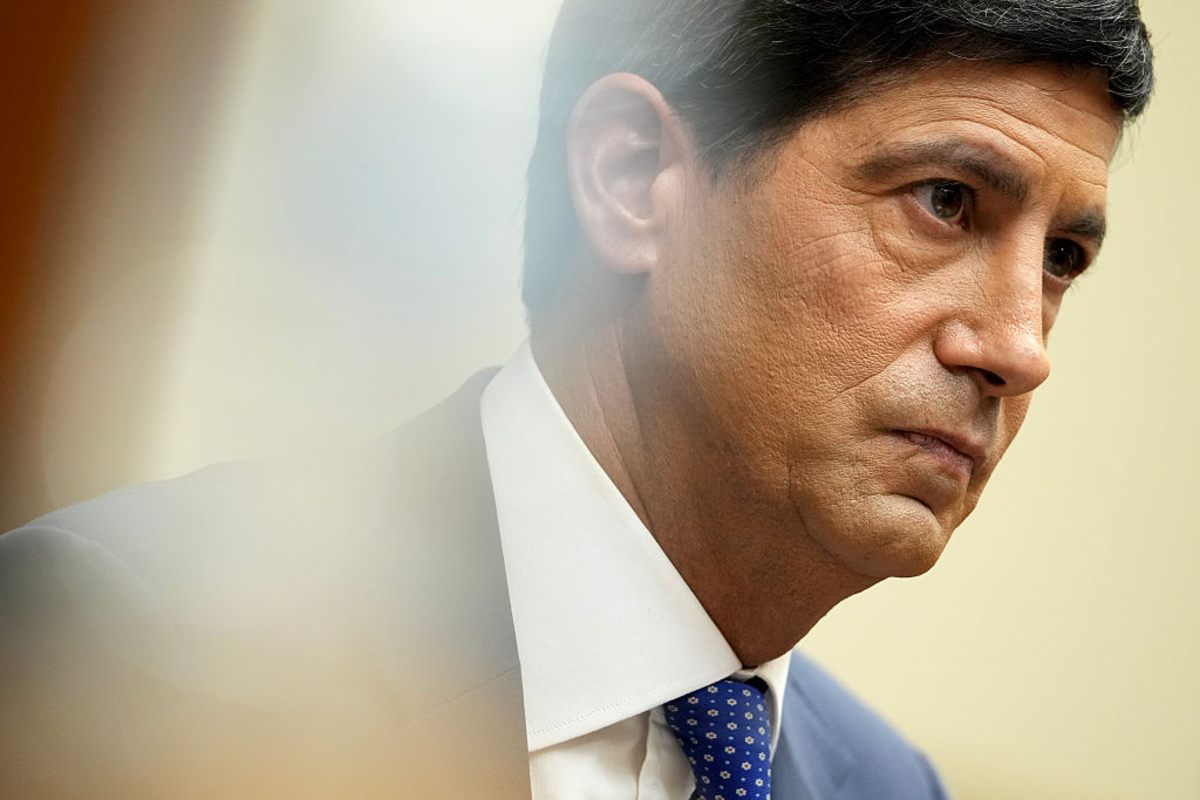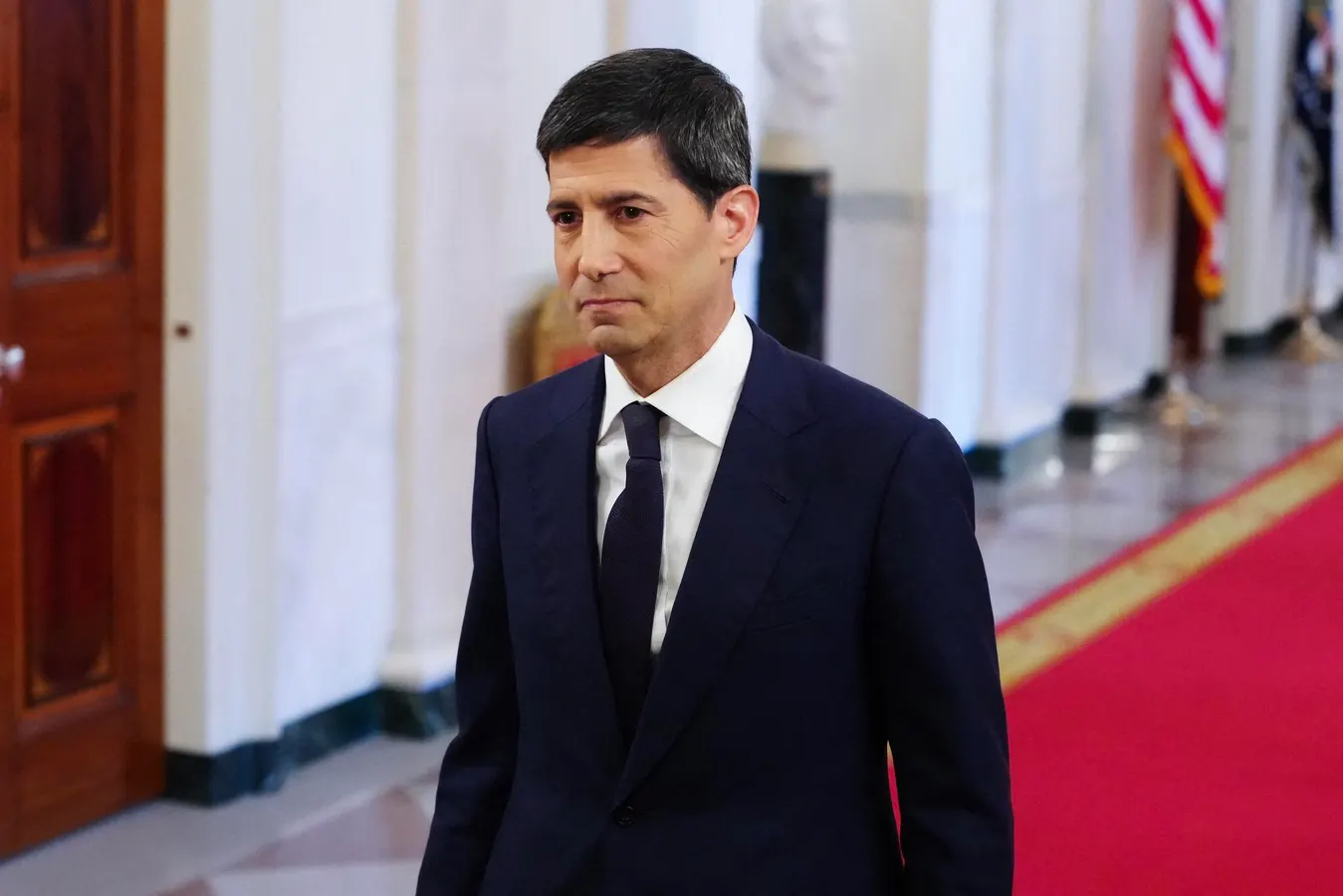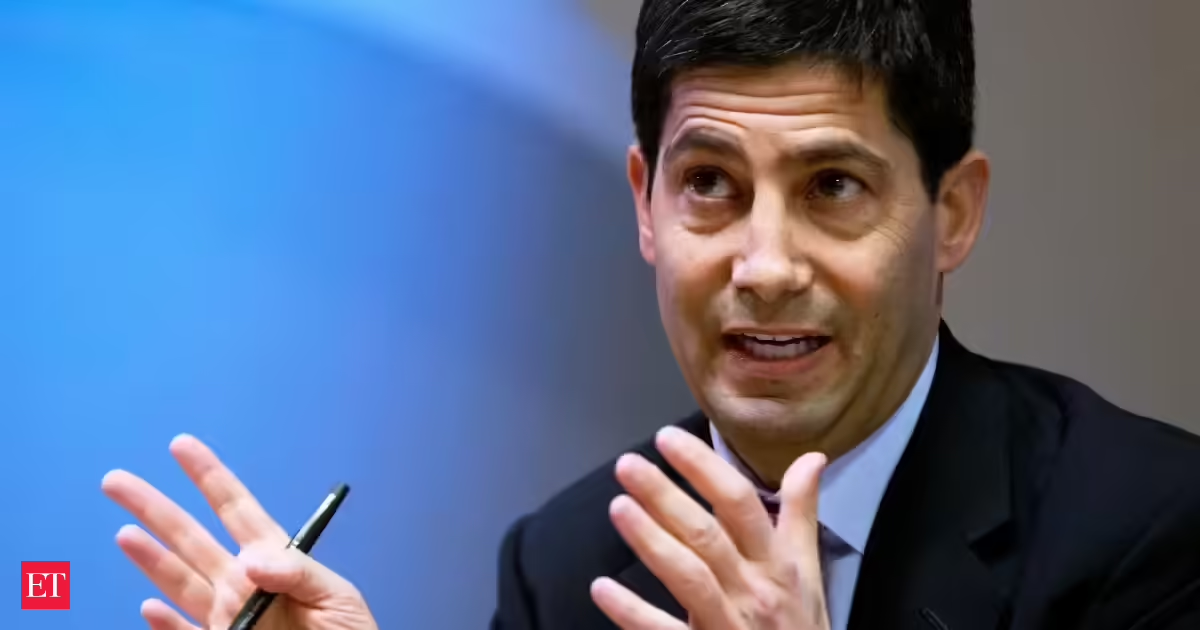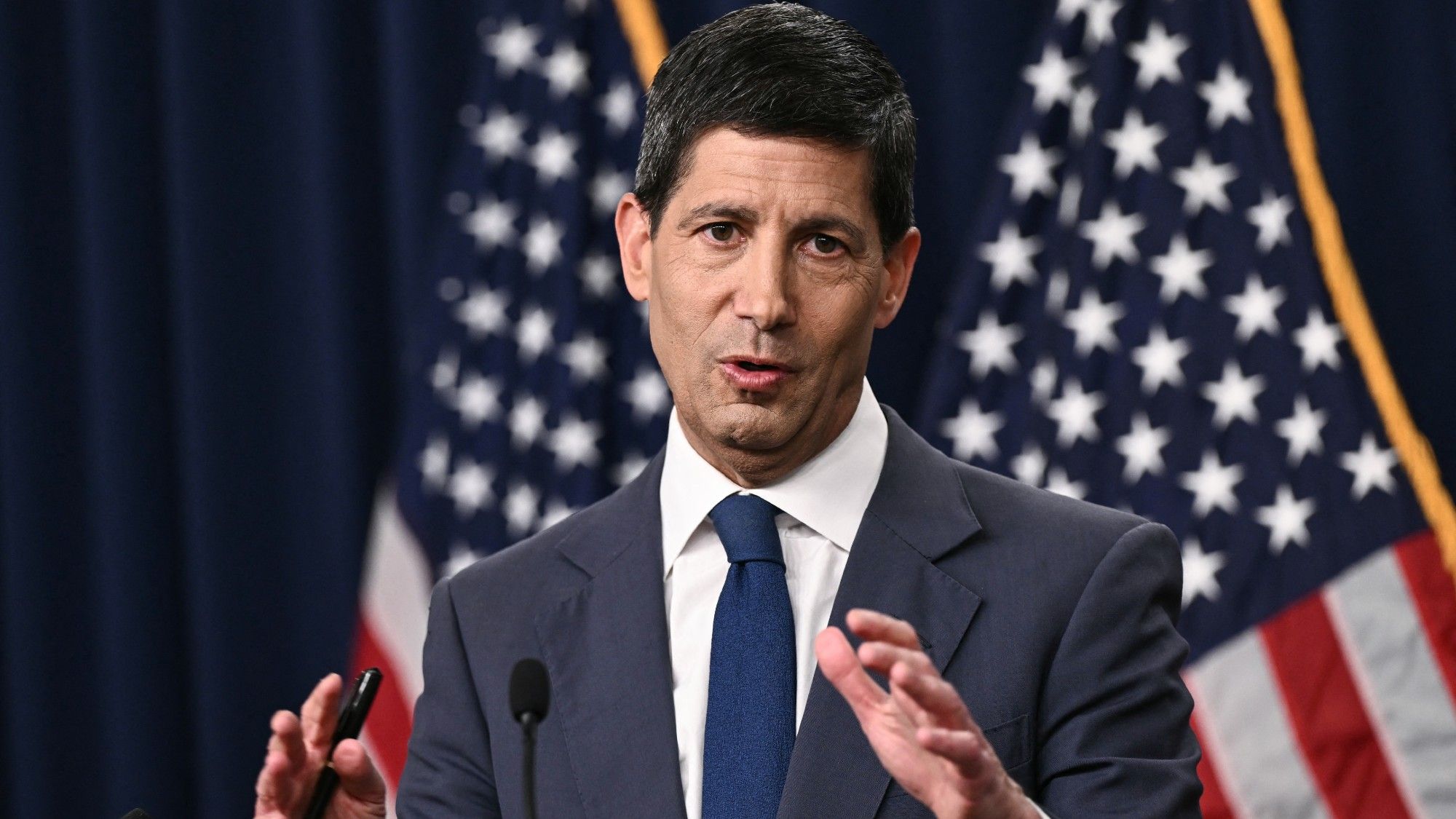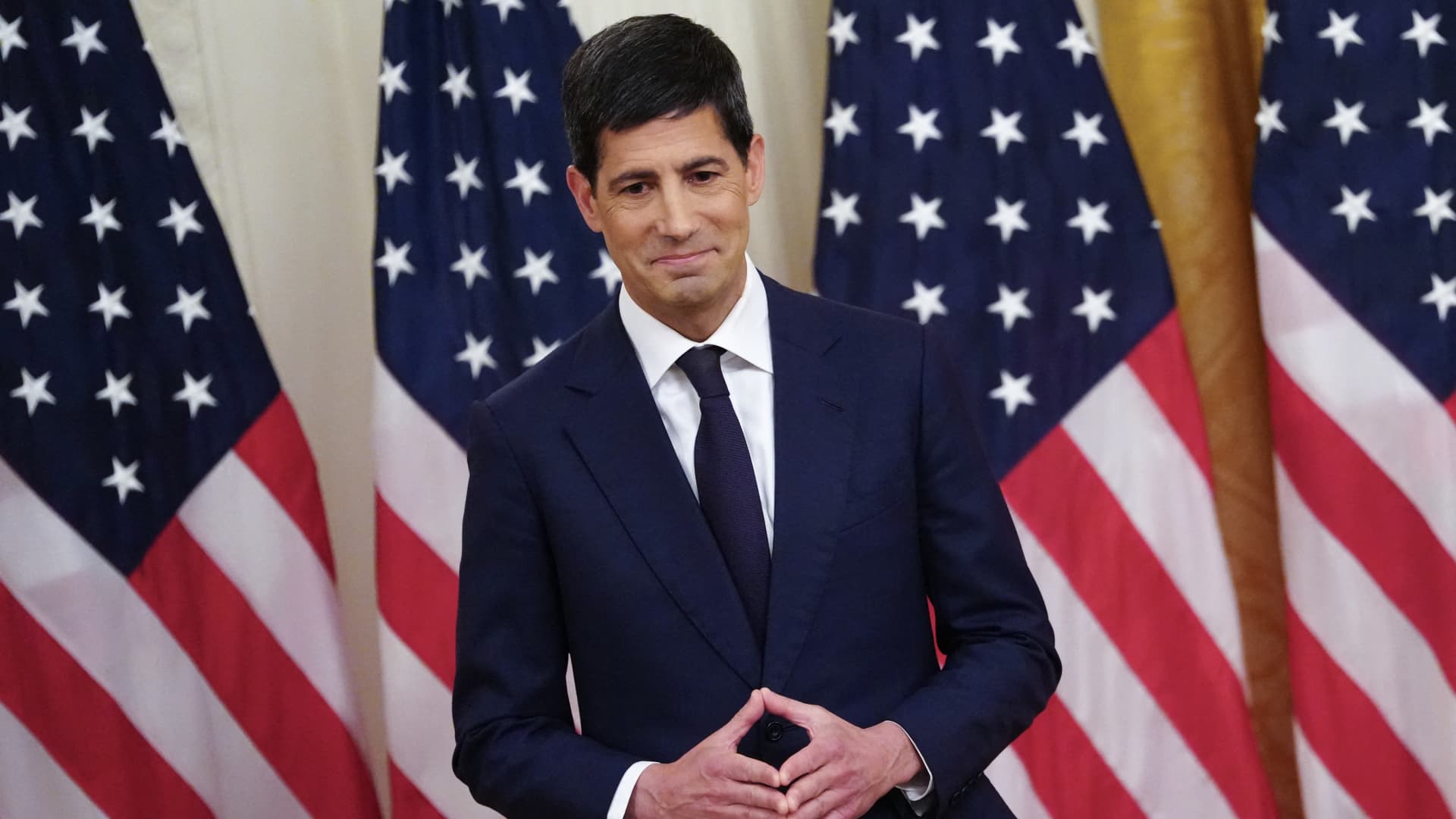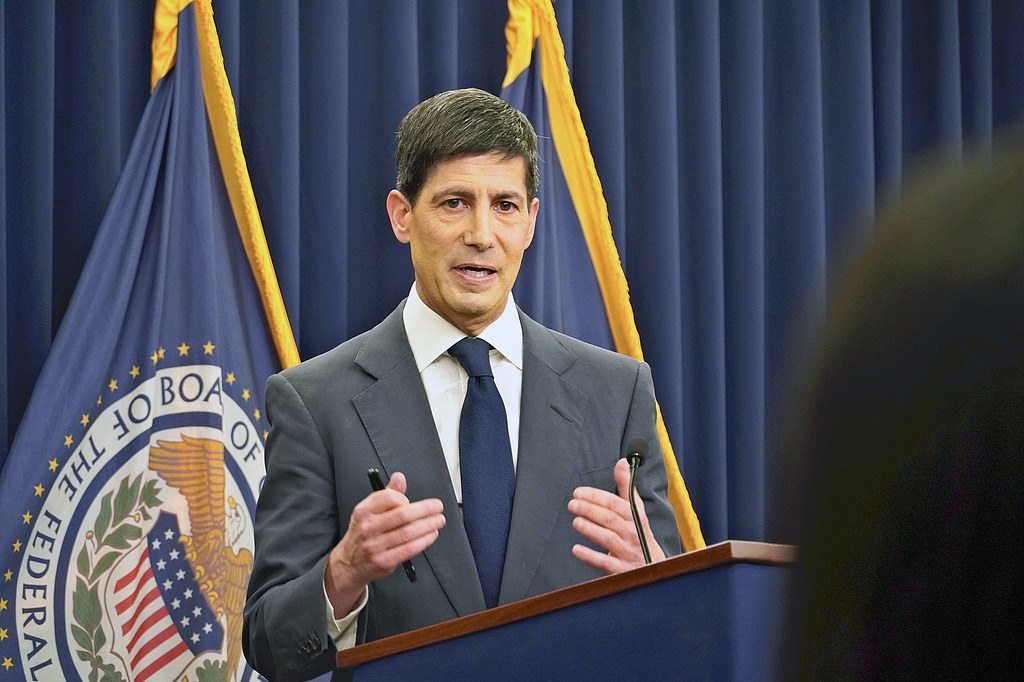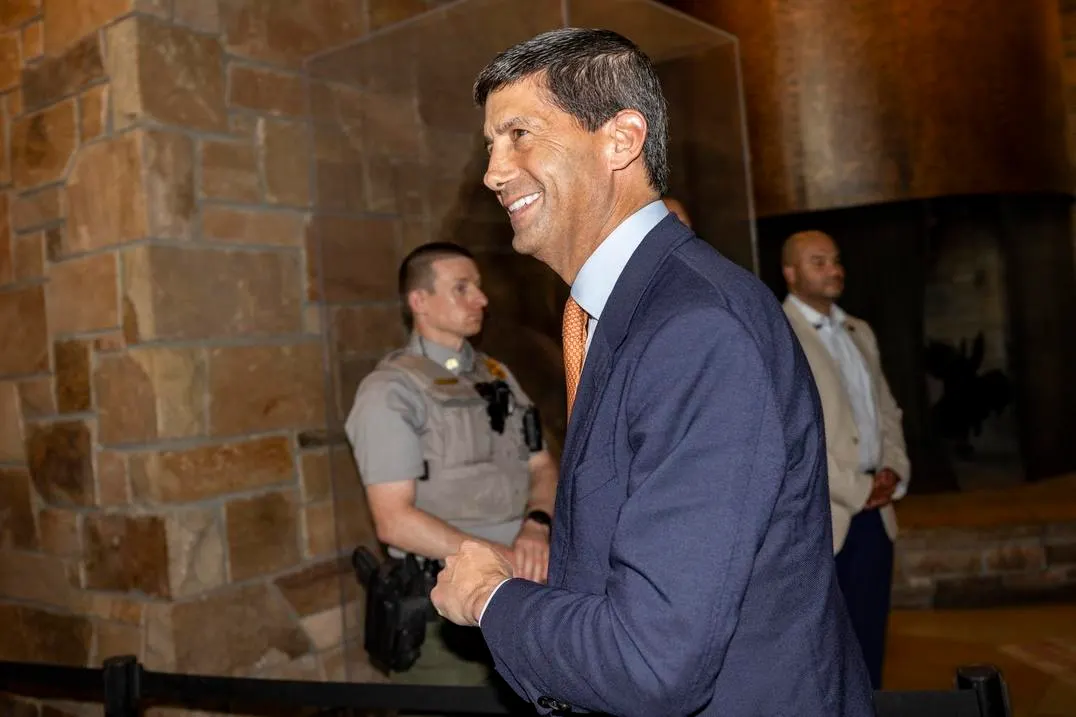
WASHINGTON, DC - MAY 22: Chairman of the Federal Reserve Kevin Warsh delivers remarks after being sworn in during a swearing-in ceremony in the East Room of the White House on May 22, 2026 in Washington, DC. Warsh succeeds Jerome Powell, who served as Chair for eight years. (Photo by Roberto Schmidt/Getty Images)Getty ImagesToday marked Kevin Warsh’s 100th day as Federal Reserve chairman, and much of the media buzz surrounding his Jackson Hole speech focused predictably on the same question: What does it mean for the next move in interest rates? Will the Fed cut, hold or perhaps signal that rates need to remain higher for longer? Those questions matter, but they miss the bigger story emerging from the Warsh Federal Reserve. Warsh is changing the relationship between the central bank and financial markets, and market participants may have to get used to doing more of their own homework.That shift may ultimately prove more consequential than whether the Federal Open Market Committee moves the federal funds rate by 25 basis points at its next meeting. Warsh appears to believe that the Federal Reserve should clearly explain its objectives and the economic principles guiding its decisions, but it should not provide investors with a detailed roadmap of future interest rates. The Fed should conduct monetary policy. Markets should study the evidence and determine prices.Wall Street’s Fed Dependence Has Gone Too FarFor years, Fed watchers have parsed speeches, press conferences, dot plots and carefully chosen adjectives in an effort to determine where interest rates will be three, six or 12 months from now. Under Ben Bernanke, Janet Yellen and Jerome Powell, forward guidance became an increasingly important part of monetary policy. The result was a generation of market participants accustomed to having the central bank help tell them not only today's short-term interest rate but where policymakers believed rates were heading.Warsh appears uncomfortable with that arrangement. His approach puts more responsibility back where it belongs: on investors, analysts and portfolio managers. Rather than wait for the Fed chairman to tell them what bonds should yield, they need to study inflation, employment, productivity, credit conditions, Treasury issuance, fiscal deficits and market-based inflation expectations. Then they need to form their own judgment about what the appropriate price of money should be.MORE FOR YOUThat is not the Fed withholding useful information. It is an argument about what information the Fed should be responsible for providing in the first place. Congress has instructed the Federal Reserve to pursue maximum employment and stable prices, and the Fed has defined price stability around a 2% longer-run inflation objective. Warsh’s Fed still has to explain how monetary policy uses is tools to pursue those goals. But that is very different from promising Wall Street what the federal funds rate will be six months from now. Let The Bond Market Actually Be A MarketThis is where legendary interest rate scholar James Grant’s long-running critique of central banking becomes especially relevant. Grant’s basic insight is deceptively simple: Interest rates are prices. Like other prices, they convey information. When policymakers continuously manage, suppress or telegraph the price of money, some of that information can be lost.A functioning Treasury market should digest the nation's inflation outlook, economic growth, federal borrowing requirements, global demand for dollars and the credibility of monetary policy. The 10-year Treasury yield should tell us something. The 30-year Treasury yield should tell us something. Those yields should not merely reflect traders' best guess about what phrase the Fed chairman will use at his next press conference.This distinction becomes increasingly important when the U.S. government has enormous financing needs. Treasury understandably wants to finance the government’s debt at the lowest reasonable cost, but investors must decide what yield compensates them for inflation, duration risk, fiscal deficits and extraordinary Treasury supply. If the market demands a higher long-term interest rate than Washington would like, a Warsh Fed may accept that market signal rather than regard it automatically as something policymakers need to suppress.Warsh can therefore favor lower short-term rates under the right economic conditions without believing the Fed should manufacture lower long-term rates. Those positions are not contradictory. One concerns the policy rate used to pursue the Fed's statutory mandate; the other concerns allowing markets to establish the price of long-duration capital.AI Raises The Stakes For Market HomeworkWarsh’s philosophy is particularly relevant because the economy itself may be changing faster than the traditional models used by both Wall Street and the Fed. He has closely followed the extraordinary advances in AI and describes it as using the decidedly old-fashioned economic term “general-purpose technology.” The terminology may sound as though it belongs to another era, but that is part of the point: Economists have long used the concept to describe technologies whose effects spread throughout an economy, changing productivity, investment and the way people work.Warsh has made the issue important enough to establish a Fed task force specifically charged with examining the economic effects of new general-purpose technologies, including AI. The group is studying what those technologies mean for productivity and jobs and, crucially, what they imply for the Fed's employment and inflation mandates. The scale of the change is already visible. In congressional testimony this summer, Warsh highlighted enormous investment in data centers, AI-related equipment and software, while acknowledging that policymakers do not yet know how much of that spending will ultimately translate into higher productivity. That uncertainty reinforces his larger point. Neither economists nor investors should assume that models built around yesterday's economy can simply provide tomorrow's answer. If AI allows the economy to produce considerably more without generating comparable inflation, the neutral level of interest rates could look different from what historical models suggest. If instead AI investment first produces an enormous capital-spending boom without immediate productivity gains, the inflationary consequences could be different. Investors need to study those signals rather than wait for the Fed to hand them the conclusion.Less Fed Watching, More Market WatchingThere are elements of Paul Volcker in Warsh's emphasis on monetary credibility and discipline, just as there are important contrasts with the communications-heavy central banking of the Bernanke, Yellen and Powell years. But Warsh's most interesting legacy may have less to do with whether he proves conventionally hawkish or dovish than with whether he can redefine what investors should expect from a Federal Reserve chairman.The question after Jackson Hole should therefore not simply be whether Warsh made a September rate cut more or less likely. Investors should ask what the Treasury market says about inflation, what the yield curve says about growth, what credit markets say about risk, what AI and productivity are doing to the economy, and how the Fed uses monetary policy to achieve maximum employment and stable prices.Those questions require considerably more work than decoding a chairman's adjectives. That is precisely why they are valuable.If Warsh succeeds, Fed watching may become harder and investing may require more independent judgment. Market participants will have to study the markets, examine the economic evidence and reach their own conclusions rather than expecting the central bank to provide an answer key.That would be a healthy change. The Federal Reserve should explain its objectives and conduct monetary policy in pursuit of them. But the Fed does not need to tell investors what every price should be. The Fed should set policy. Market participants should do their homework. And the market should discover the price.
Markets Must Rethink Rate Expectations As Warsh Pulls Back Fed Guidance
Warsh’s first 100 days signal a shift away from Fed forward guidance as markets take on more responsibility for pricing money, inflation and long-term rates.
1,227 words~6 min read