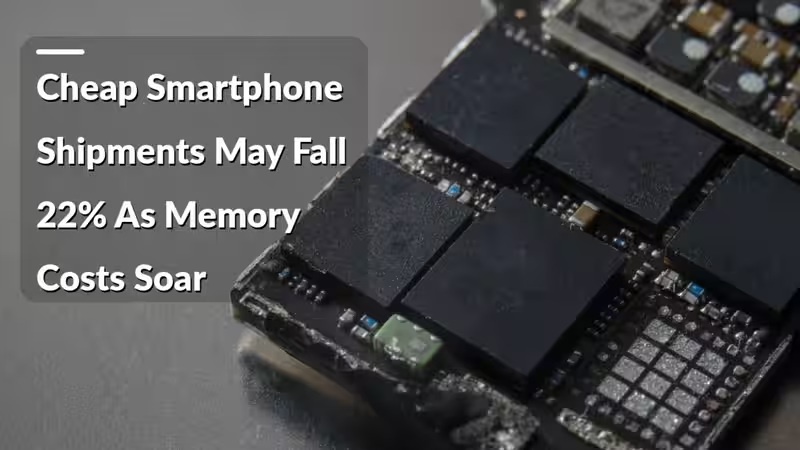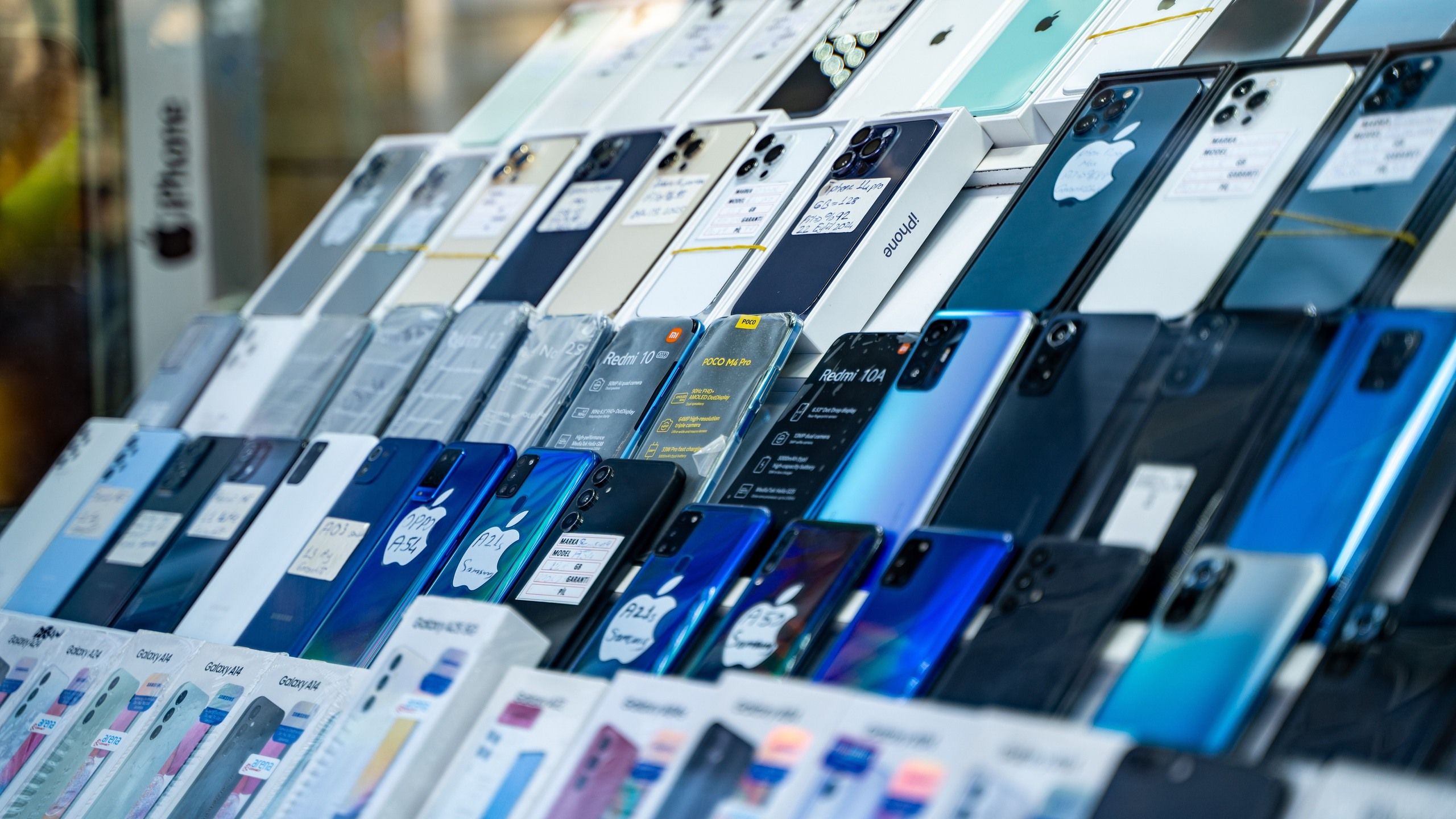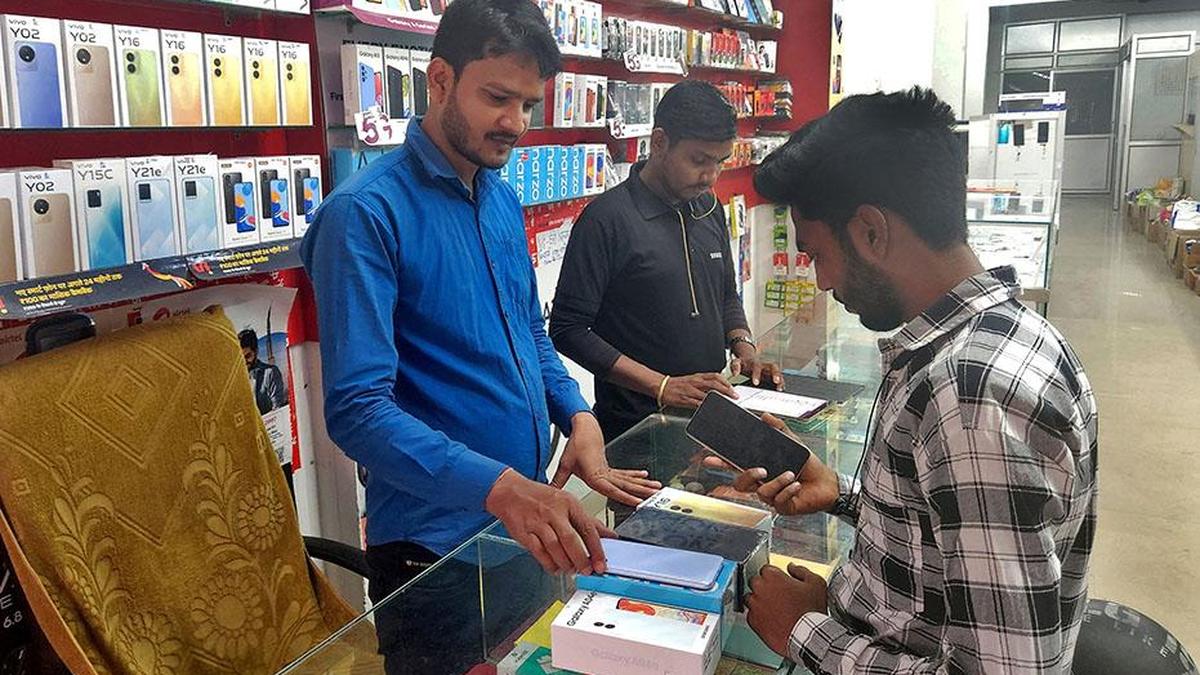
As memory chip crunch is forcing brands to repeated price hikes across smartphone segments, the budget tier seems to be facing an existential crisis as the margin in this segment has always been the thinnest. As per an IDC estimate, nearly 173 million sub-₹10K smartphones, which shipped last year, are facing an existential crisis. In Q2 2026, this segment [below $100 smartphone] saw an almost 60% year-over-year (YoY) drop. The decline is expected to continue for the rest of this year.Memory prices are soaring with over 300% YoY increase, per IDC, and the trend is expected to continue until 2028. Smartphone makers will eventually move to a mid and premium segments to minimise the cost burden and help the market grow in value over volume.“To make a ₹10,000 phone now, you have to first buy a memory worth ₹4,000 to ₹4,500 and then think of adjusting BoM (bill of material) like display, SoC, camera, battery and then also make some room for margins which look extremely difficult. Hence, it won’t be wrong to say that sub-₹10k category staring at a complete wipeout unless someone sells them at loss or change business model,” says Tarun Pathak, Research Director at Counterpoint. He added that this segment will under immense pressure for the next 18 months. “Some older phones may still be sold or even second-hand phones will find [a place] in sub-₹10,000 [segment].”The segment’s share has dropped from 19% in Q2 2025 to just 4% in Q2 2026, and sales has declined 81% YoY. Even the ₹10,000–₹20,000 segment has declined 7%, as some devices are now moving above ₹20,000 following price hikes. This is gradually reshaping the affordable smartphone market, with consumers having to compromise on specifications or stretch their budgets to access better devices.“The sub-₹10,000 segment isn’t just under pressure; it’s disappearing in real time,” Upasana Joshi, Senior Research Manager at IDC India/SEA said. “Brands have responded [to the memory chip price rise] by cutting model launches and pulling back-channel support rather than eating the increase themselves.”What has been its substitute?Smartphone makers are relaunching 4G phones at a time when customers are looking to upgrade smartphones that can provide them better cellular connectivity and generative AI features.“Several brands have reintroduced or extended 4G models as a stop gap to hold their footing in this tier, and that has lifted 4G’s share to 11.1% this quarter. But that’s a cushion, not a fix. Once existing inventory runs dry, there’s little room left to keep offering devices this cheap,” Ms. Joshi noted. “It means buyers who would have picked up a sub-₹10,000 phone are now holding on to older devices for longer or turning to second-hand and refurbished options instead. Whether this segment claws back any ground depends on memory prices easing, and that isn’t likely to happen fast enough to change the picture through the rest of 2026.”Can refurbished phones offer any solution?To seek out an alternative that doesn’t hurt the wallet, buyers are heading to the refurbished market. The once unorganised market now offers an option for buyers to upgrade or move up the ladder without paying a premium.“For budget-conscious consumers, refurbished smartphones are becoming a considered choice. As new device prices rise, a budget that once bought a well-specced phone may now only stretch to an entry-level new device. Refurbished smartphones, however, provide access to higher-tier devices with better chipsets, cameras and 5G performance at a similar price,” Nakul Kumar, Co-Founder of Cashify said.He claimed that trust has accelerated this shift, with companies offering standardised quality checks, transparent grading, warranties and return policies making the experience more reliable and predictable.How does the future look for this segment?The budget phone segment continues to be the worst affected right now and the impact is expected to linger in the near term. As the market slowly shifts towards mid- and premium-segment devices, the budget category will languish with fewer options. If smartphone prices continue to soar, and budget segment launches dry up, the market will see more 4G phones to cater to the demand. As a result, 5G phones and those with AI features will become expensive.Indian buyers face two choices: to continue using their older devices, or to buy a refurbished phone. But financing options at this level are scarcely available. The segment will inch towards extinction as chipset and memory prices surge, while margins for the phone makers dwindle.
Is memory chip crunch wiping out ₹10K smartphone market in India?
As memory chip crunch is forcing brands to repeated price hikes across smartphone segments, the budget tier seems to be facing an existential crisis as the margin in this segment has always been the thinnest
728 words~3 min read