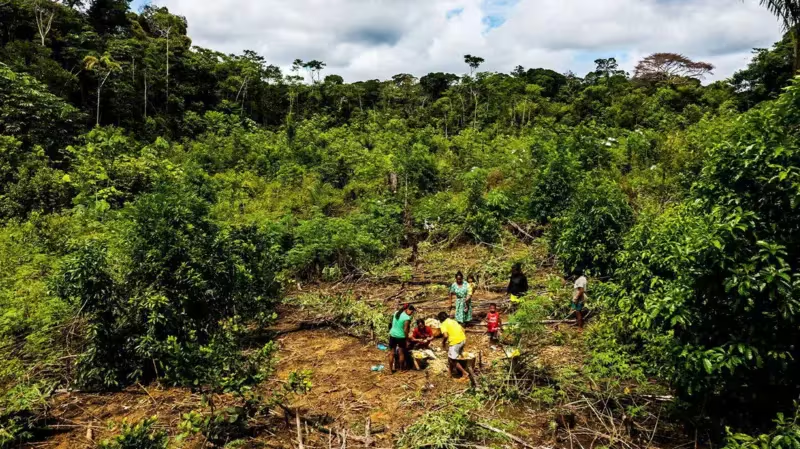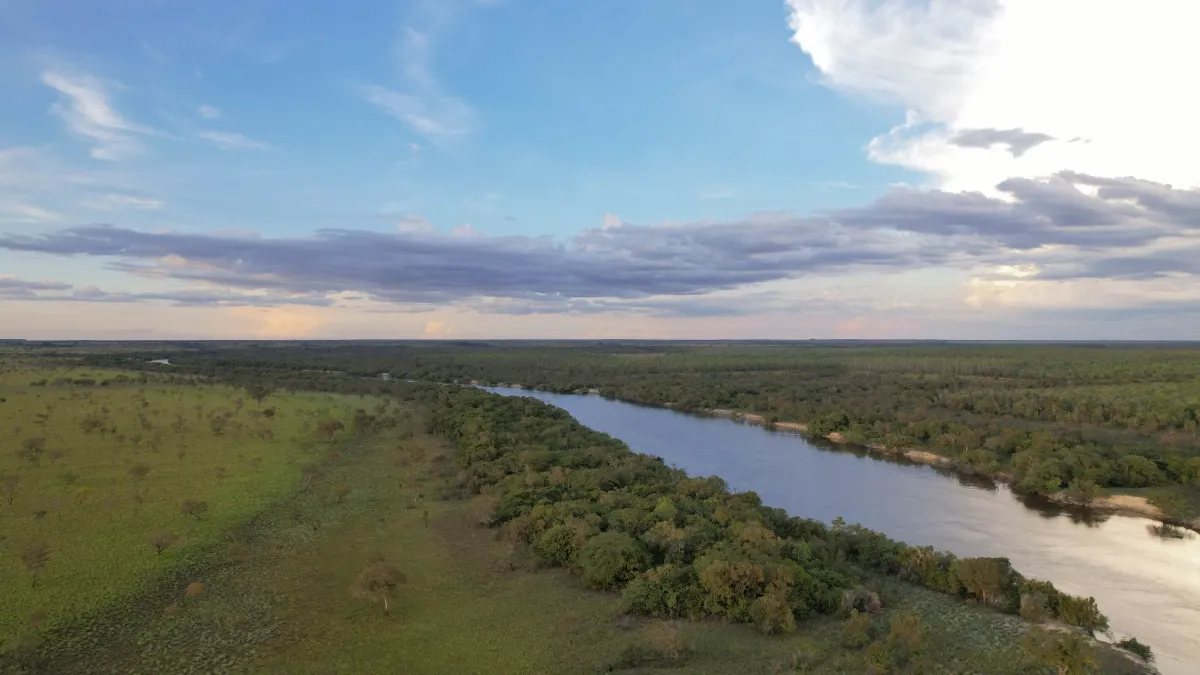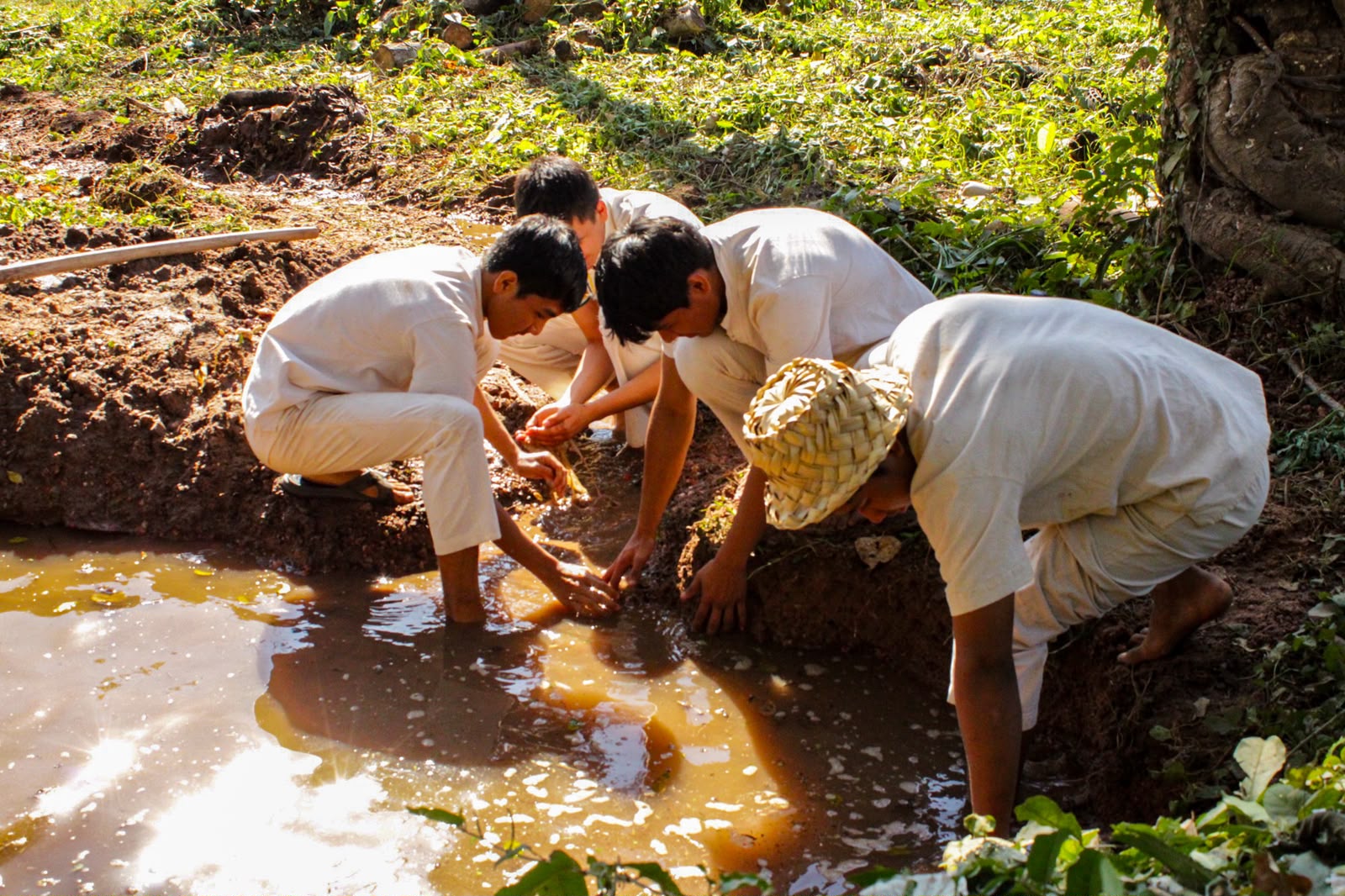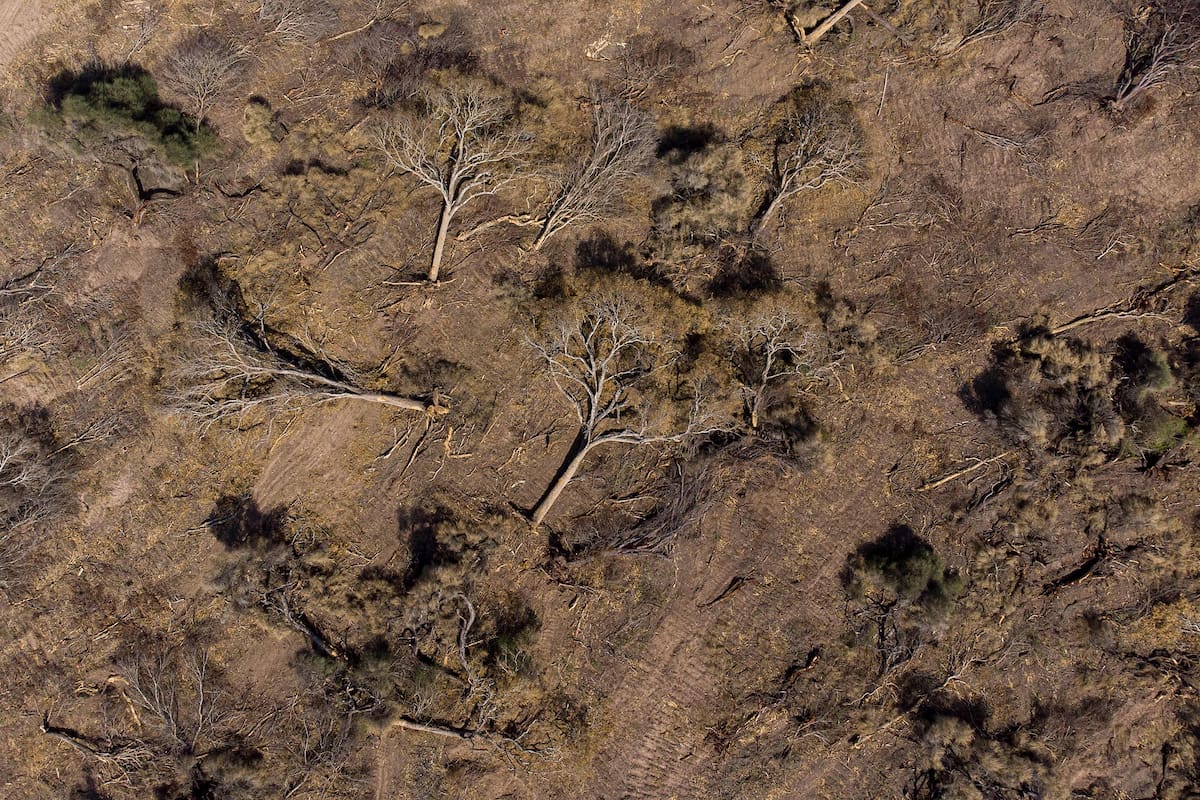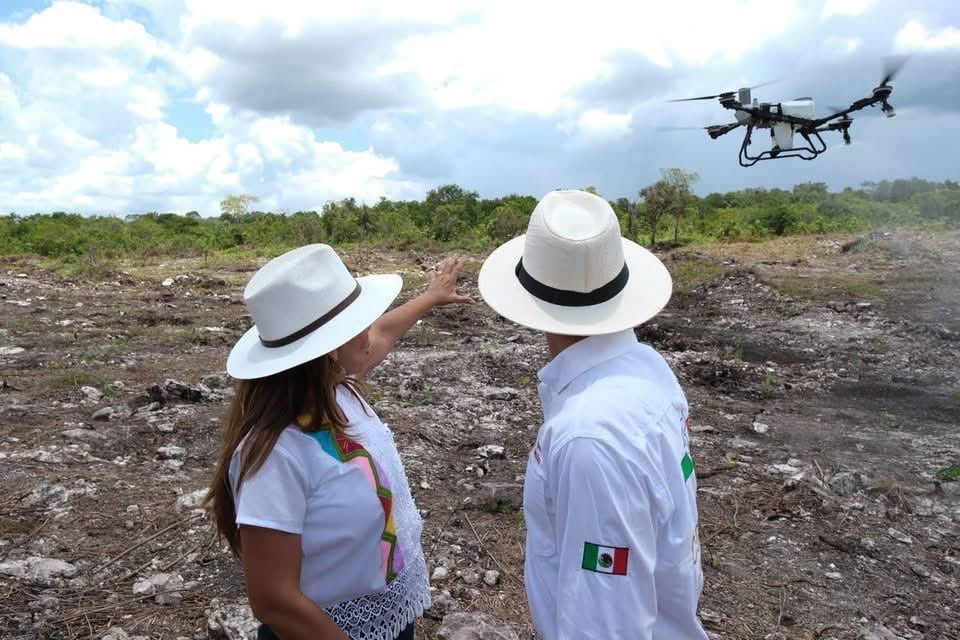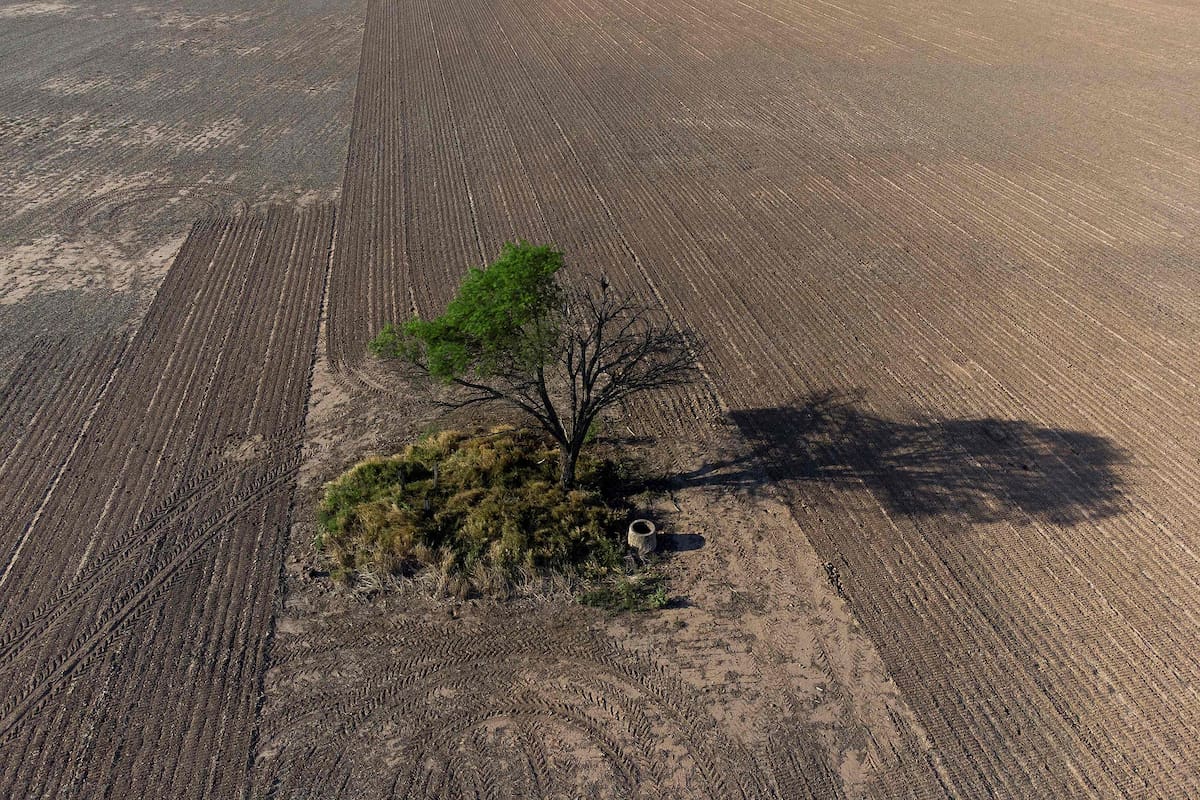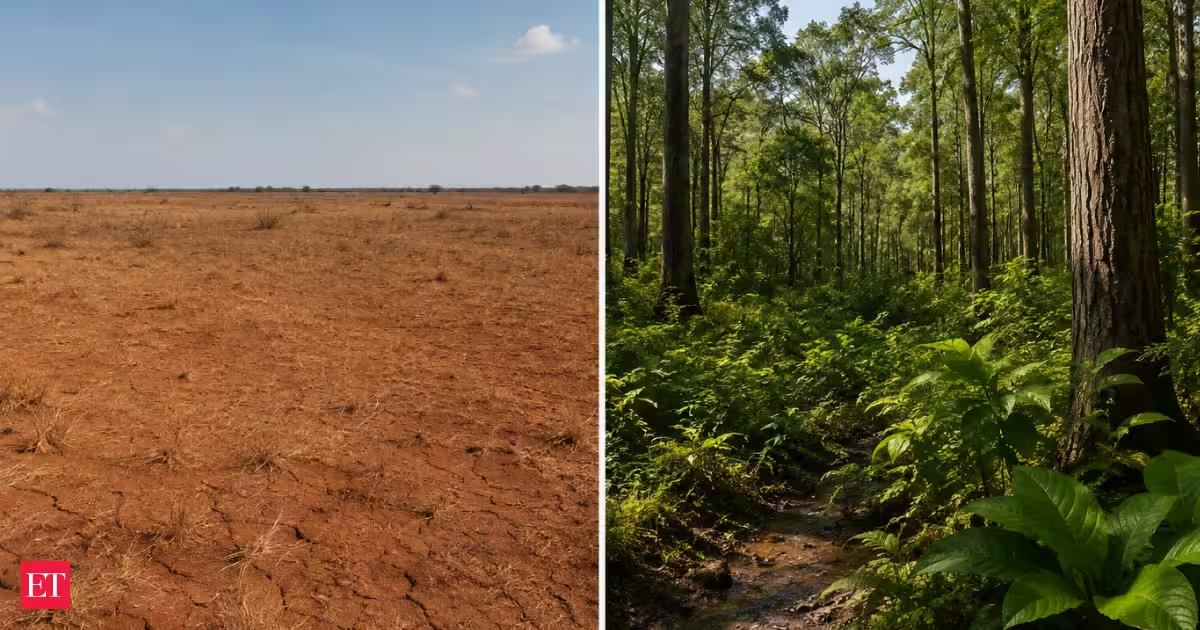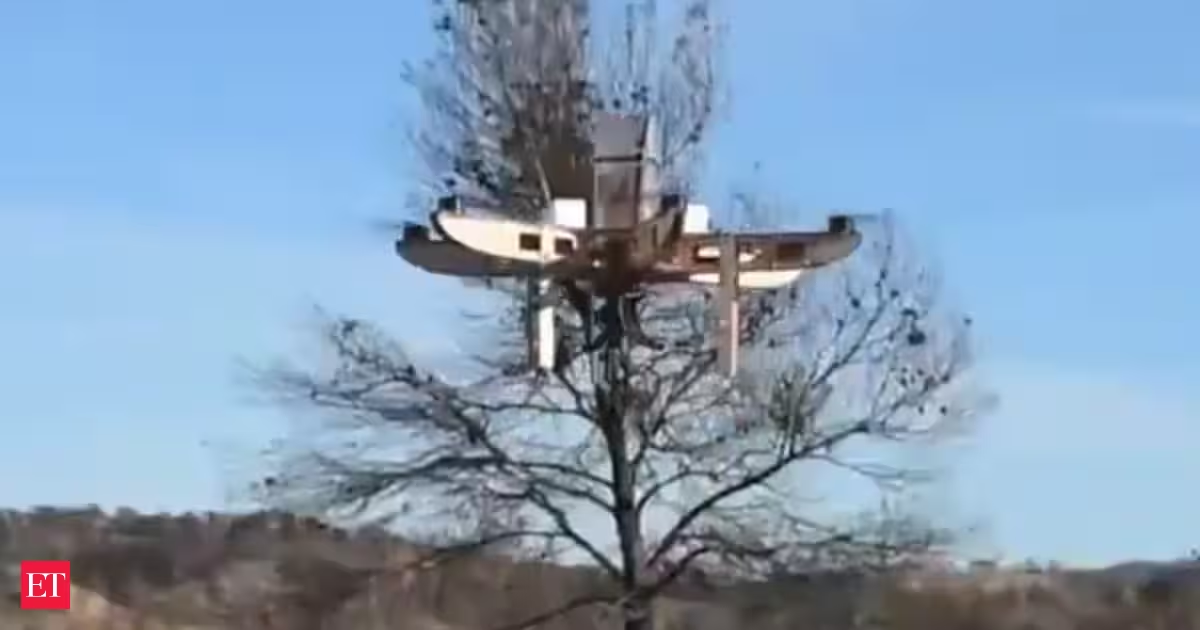
The Gran Chaco is one of South America’s most remarkable and threatened landscapes. Stretching across more than 1 million square kilometers in Argentina, Paraguay, Bolivia and a small part of Brazil, the vast lowland is home to the continent’s second-largest forest after the Amazon. But rapid agricultural expansion has placed enormous pressure on its native vegetation. Now, conservationists are testing an unusual solution: using drones to plant trees from the sky. The Nature Conservancy and startup ReForest Latam recently deployed drones carrying biodegradable seed capsules, known as 'iSeeds', over degraded areas of Argentina’s Gran Chaco. The experiment could offer a faster way to restore difficult-to-reach land while bringing technology and conservation together.WHY THE GRAN CHACO IS LOSING ITS FORESTSThe Gran Chaco is a hot, semiarid region containing more than 50 ecosystems linked by similar climatic and vegetation patterns. Its forests and woodlands play an important role in supporting wildlife, maintaining ecological connections and helping regulate environmental conditions across the continent. But the landscape has undergone dramatic changes over the past several decades. Native woodlands have increasingly been replaced by cropland and cattle ranches, with agricultural expansion becoming one of the biggest threats to the region's natural ecosystems.Cattle and soybean production have helped drive this transformation. Improvements in agricultural genetics and management have also made it increasingly possible to cultivate areas that were once considered too dry or unproductive. The pace of loss has been alarming. Between 2010 and 2012, Argentina, Paraguay and Bolivia lost native vegetation at an average rate of more than an acre per minute. Projections indicate that millions more acres could disappear by 2030.HOW DRONES COULD CHANGE REFORESTATIONTraditional tree planting can be difficult and expensive in remote or degraded areas. Conservation teams must transport seedlings, workers and equipment to locations that may be challenging to access. That is where drones could make a difference. According to The Nature Conservancy's recent report, TNC Argentina and ReForest Latam are testing high-precision drones that distribute biodegradable capsules containing native seeds. The pilot project covers degraded areas in Tostado, Santa Fe, and Bandera, Santiago del Estero. The current aerial-seeding effort aims to restore about 13 hectares with roughly 8,000 native trees. It forms part of a larger project seeking to increase forest cover in agricultural landscapes, with an overall goal of planting 100,000 trees. More than 300 hectares have already been planted through traditional seedling-based methods.SEEDS GET A HIGH-TECH BOOSTThe technology involves more than simply dropping seeds from a drone. The seeds are placed inside biodegradable capsules called 'iSeeds', which contain biostimulants designed to improve germination and help seedlings become established. The capsules are tailored to local conditions and genetics. Before a drone takes off, teams analyze the landscape using geographic information systems, ecosystem analysis and artificial intelligence. This allows them to select suitable areas and match native tree species to specific environmental conditions. The approach is designed to be more targeted than simply scattering seeds across a large area. Timing also matters. Crews monitor weather conditions before flights because rainfall can be critical to successful germination. After the seeds are dispersed, control plots are monitored roughly every 45 days to compare treated and untreated areas. Around 120 days after the flights, researchers expect to evaluate germination and seedling establishment.COULD DRONE REFORESTATION WORK AT SCALE?The biggest promise of drone-assisted restoration is scale. If the technology proves successful, drones could potentially reach areas where manually planting seedlings would be too costly, dangerous or logistically complicated. They could also be used in landscapes affected by fires or severe degradation. But the experiment is still a pilot project. Not every seed will become a tree, and conservationists must determine how effectively the technology works under real-world conditions. The Nature Conservancy describes drone-assisted regeneration as a potential complementary strategy rather than a replacement for conventional restoration. The goal is to combine technology, ecological knowledge and local participation to make restoration more efficient and scalable.The Gran Chaco's restoration challenge is enormous, but the use of drones offers a fresh way to approach it. Instead of relying solely on workers carrying seedlings into difficult terrain, conservationists can use aerial technology to distribute carefully prepared native seeds across targeted areas. The current experiment involving 8,000 trees is still an early test, but it represents a broader shift toward technology-assisted conservation.If researchers can demonstrate that aerial seeding improves regeneration at a practical cost, drones could become another valuable tool for restoring degraded landscapes. For the Gran Chaco, where forest loss continues at a troubling pace, finding faster and smarter ways to bring native vegetation back could make a meaningful difference.
Reforestation with Drones? How aerial seeding technology is bringing new life to Gran Chaco's threatened ecosystem
Drones are emerging as a game-changer for tree planting in Argentinas Gran Chaco, with conservationists deploying biodegradable seed capsules containing indigenous seeds and beneficial biostimulants. This approach not only targets the restoration of damaged ecosystems but also counters the aggressive agricultural practices that have endangered the region's native flora. Embracing this technology paves the way for larger-scale ecological restoration efforts.
761 words~3 min read