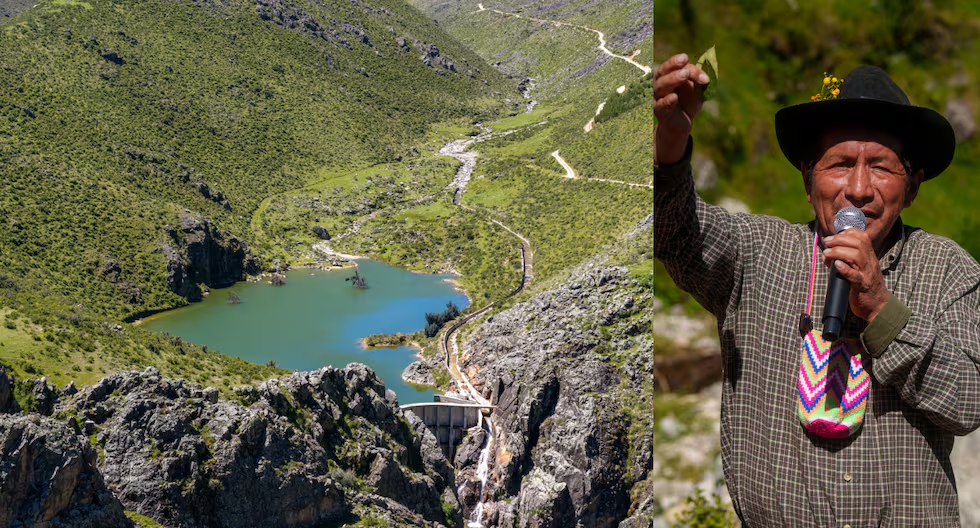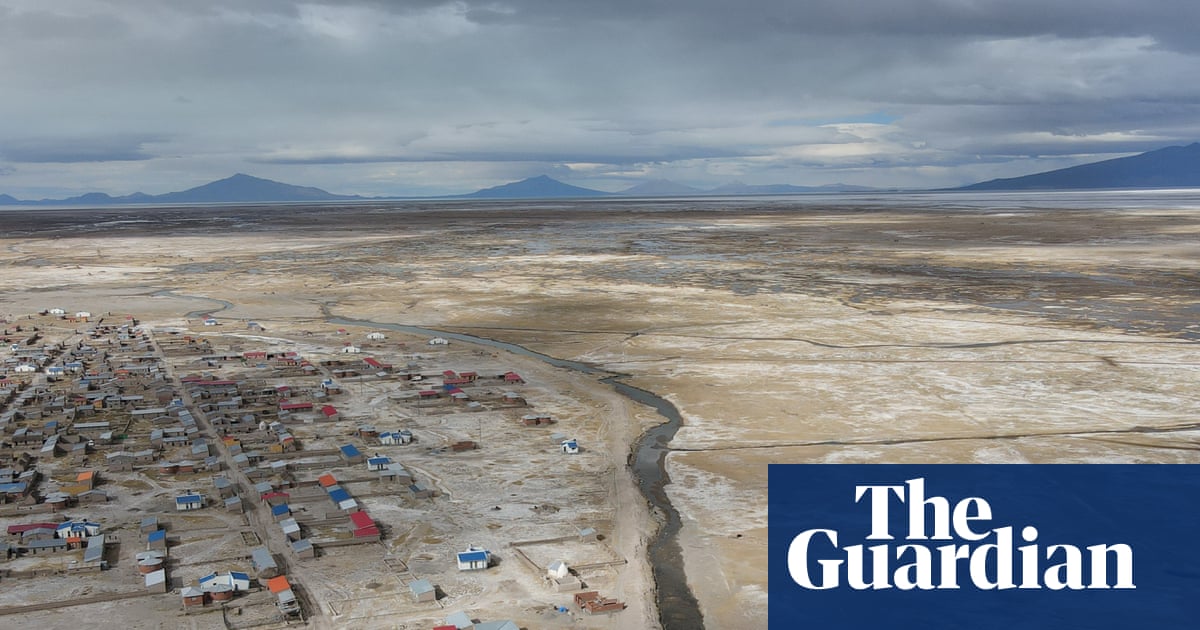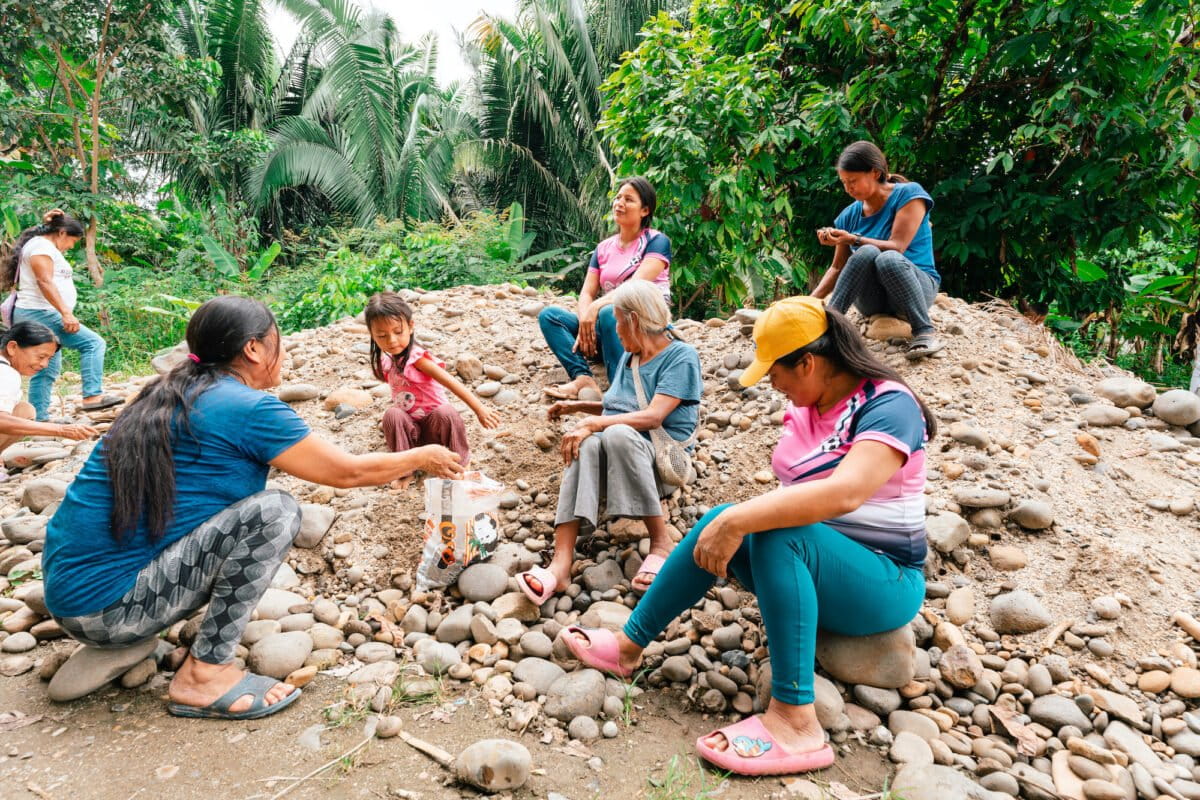
When a 2022 drought hit Bolivia’s Ascensión de Guarayos, restoring traditional paúros helped the community survive after the municipal reservoir ran dry.The youth-led effort to revive paúros has grown into a broader conservation project, including a legally protected urban ecological corridor.The initiative is part of a global trend to restore Indigenous water systems as low-cost, climate-resilient solutions to growing water scarcity.Experts say blending traditional and modern approaches can strengthen water security — but only if local communities lead and retain control.
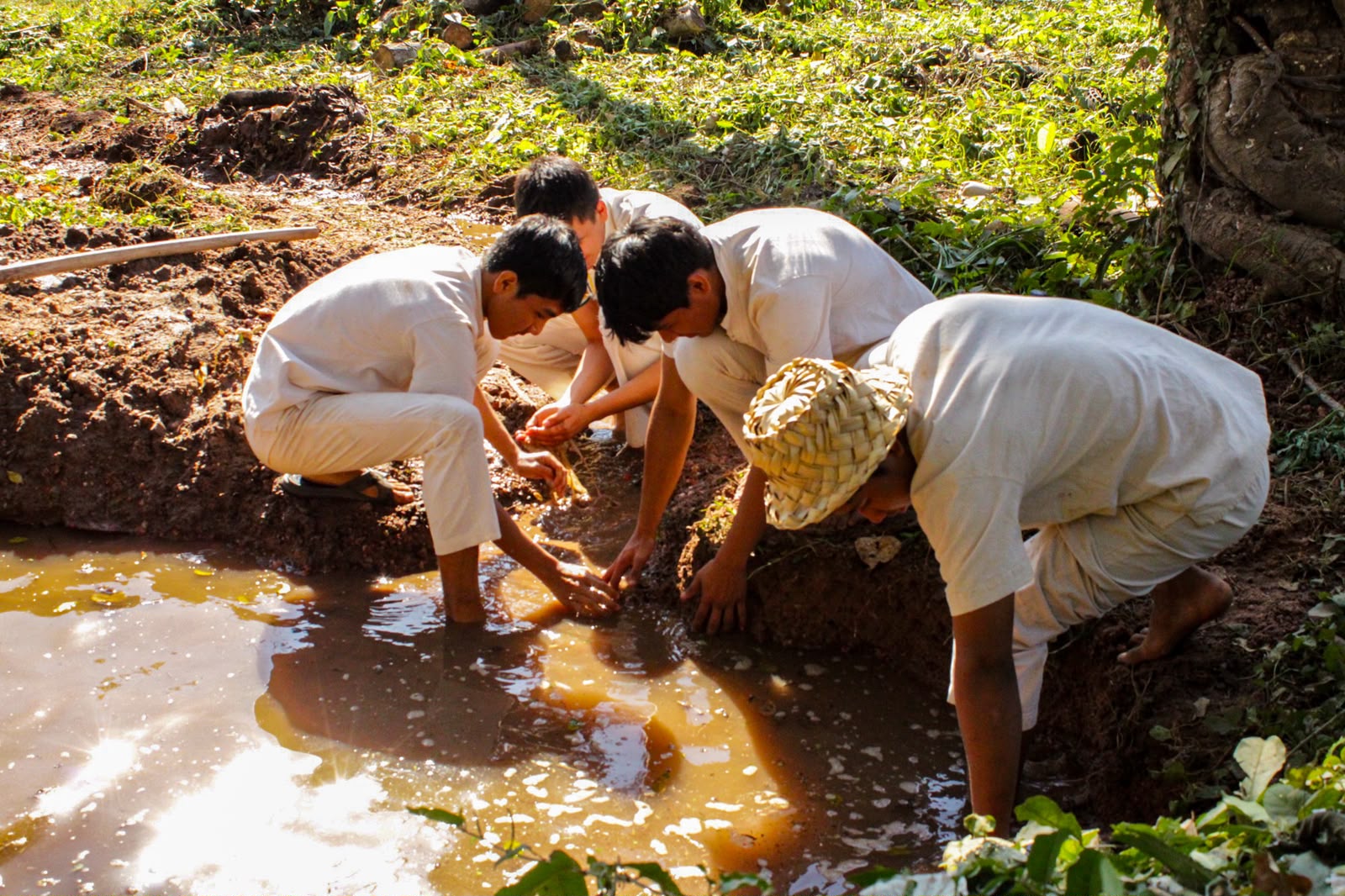
SANTA CRUZ DE LA SIERRA, Bolivia — When Rolando Ágreda was 16, a severe drought hit his community of Ascensión de Guarayos in the Bolivian Amazon in 2022. Rumors spread that the municipality’s only water reservoir was dwindling. But it was the communal spring-fed pool, or paúro, that Ágreda had been visiting since childhood that evaporated first.
“Confusion was the strongest feeling,” Ágreda says in a video call. “But also sadness, because for everyone I know that place represents joy.”
According to the Guarayú Indigenous People, who settled the area around Ágreda’s village of Ascensión de Guarayos in the 18th and 19th centuries, woodland spirits guard the paúros, and the community is responsible for maintaining them. But with urbanization, the arrival of non-indigenous Bolivians, and modern water infrastructure, this Indigenous knowledge had nearly disappeared. Ágreda says only three of his 28 classmates knew about paúros.