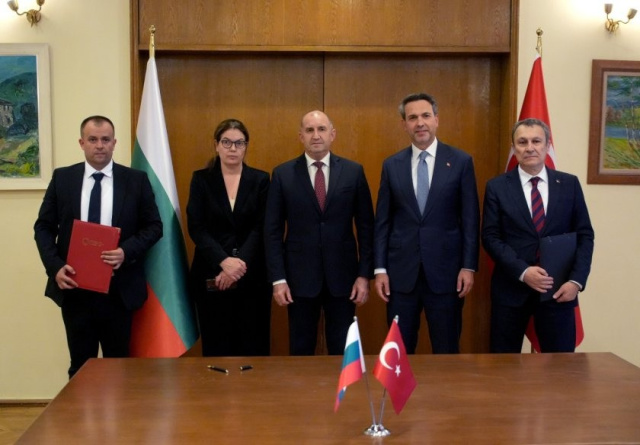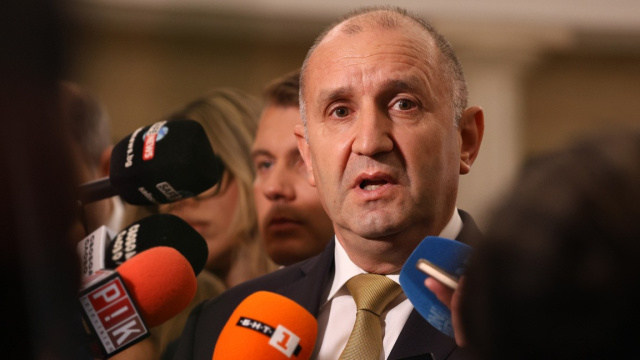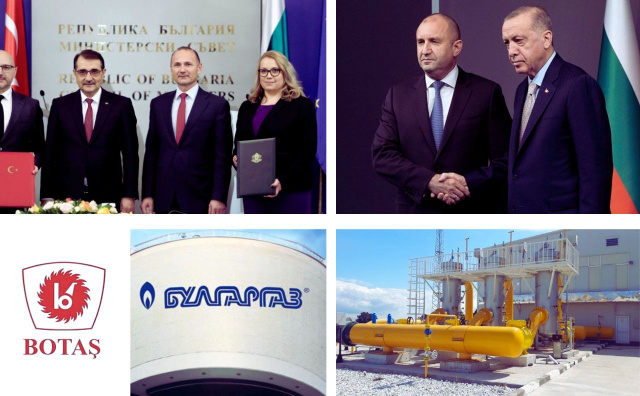
Bulgaria's decision to freeze its long-term agreement with Turkish gas company Botas is not necessarily a move away from Turkey as an energy supplier, but could instead be an effort to renegotiate the cost and risk of maintaining access to its gas infrastructure, according to Turkish energy expert Gökçe Nur Ataman.
The future of the agreement could become a test both for Turkish-Bulgarian relations and for the broader question of how much Europe is prepared to pay for energy security, Ataman argues in an analysis reported by BGNES.
Bulgaria turned to Turkey after Russia halted natural gas supplies following the start of the war in Ukraine. At the time, Sofia had limited infrastructure for importing liquefied natural gas, making access to Turkey's LNG terminals an important alternative.
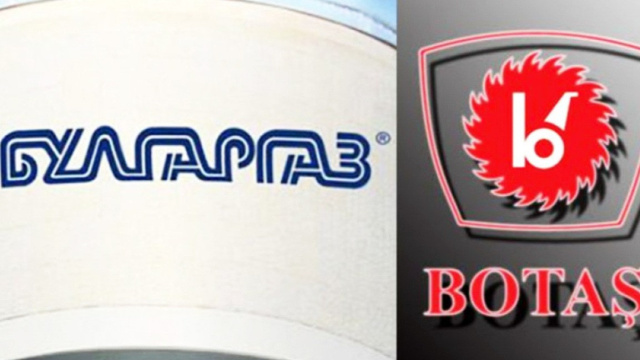
In 2023, Bulgargaz and Botas signed a 13-year agreement allowing Bulgaria to transport up to 1.5 billion cubic meters of natural gas annually through Turkey. The arrangement was designed to reduce Bulgaria's dependence on Russian gas while opening access to global LNG supplies.
The commercial structure, however, increasingly became a financial burden. Bulgaria was required to pay not only for the gas it actually used, but also for reserved capacity. In 2023, that was effectively treated as an insurance policy, guaranteeing access to Turkish infrastructure when LNG supplies were needed.