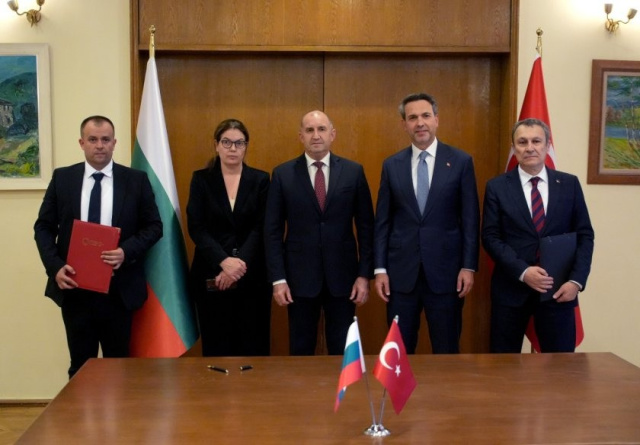
The contract between Bulgaria's state-owned gas supplier Bulgargaz and Turkey's Botas has been frozen for the next 15 months after the two companies signed a protocol introducing temporary changes to their agreement. During that period, Bulgaria will pay only for the transmission capacity it actually uses, under what officials described as improved commercial conditions, while both sides work on renegotiating the deal to better reflect current market realities.
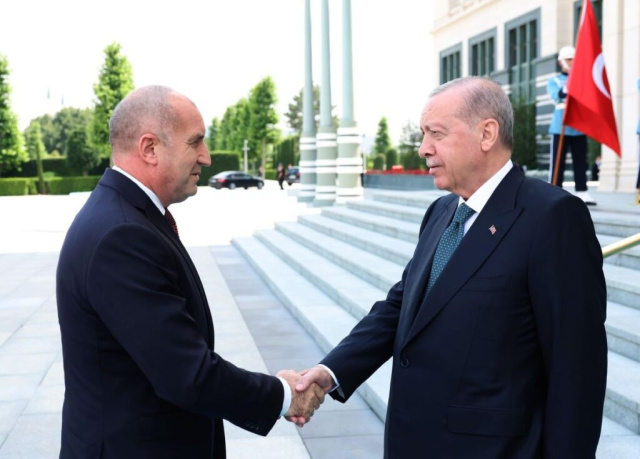
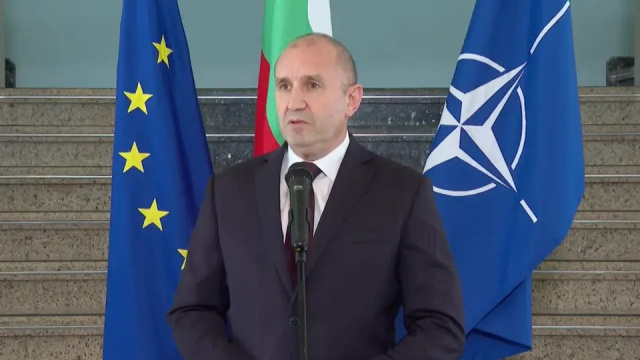
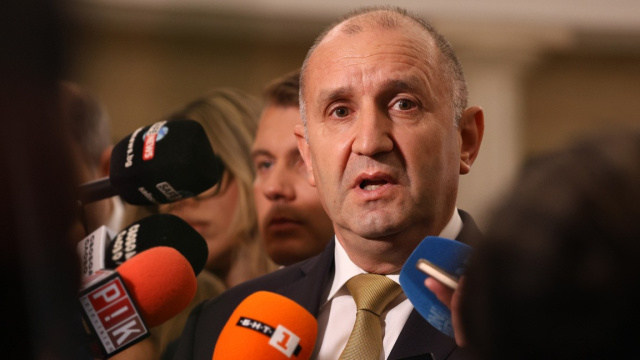
The development was announced following a meeting in Ankara between Bulgarian Prime Minister Rumen Radev and Turkish President Recep Tayyip Erdogan ahead of the NATO summit. Energy connectivity was identified as one of the central priorities in bilateral relations, with both leaders emphasizing that Bulgaria and Turkey share an interest in maximizing the use of existing natural gas transmission capacity.
The two sides agreed that the temporary suspension would create room for negotiations on a revised long-term agreement between Bulgargaz and Botas. The goal is to adapt the contract to present-day market conditions while ensuring more favorable terms for Bulgaria throughout the interim period.
The Bulgargaz-BOTAS agreement, signed in January 2023, was intended to help Bulgaria diversify away from Russian gas by securing 13 years of access to Turkey's LNG terminals and gas transmission network. However, the deal quickly became one of Bulgaria's most controversial energy contracts because it requires Bulgargaz to pay fixed fees for reserved pipeline capacity regardless of how much gas is actually transported under a take-or-pay model. Critics argue the terms have imposed hundreds of millions of leva in costs for largely unused capacity, prompting parliamentary calls for renegotiation, scrutiny by European authorities and an investigation into the circumstances surrounding the agreement.