The temporary suspension of Bulgaria's controversial natural gas agreement with Turkey's state-owned energy company Botas has triggered sharp political disputes, with Prime Minister Rumen Radev defending the move as a major economic breakthrough while opposition parties question what concessions may have been made to secure the deal.
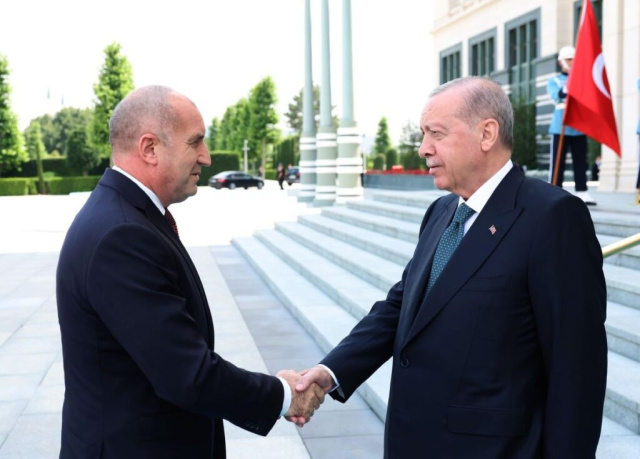
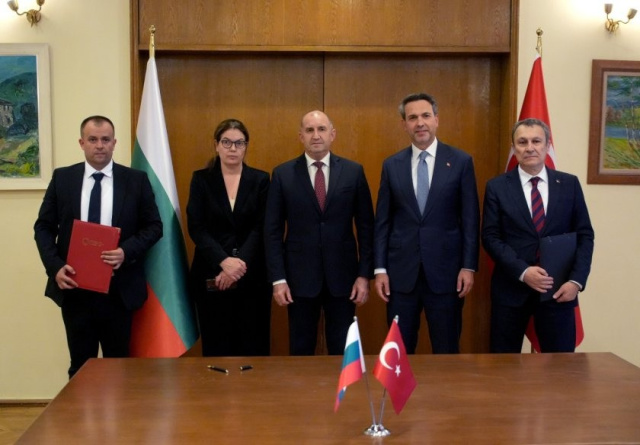
Following talks in Ankara between Radev and Turkish President Recep Tayyip Erdogan, Bulgargaz and Botas signed a protocol freezing their long-term contract for 15 months. During that period, Bulgaria will no longer pay reservation fees for unused gas transmission capacity and will instead pay only for the capacity it actually uses under improved commercial terms. The two sides will also work toward renegotiating the agreement to better reflect current market conditions.
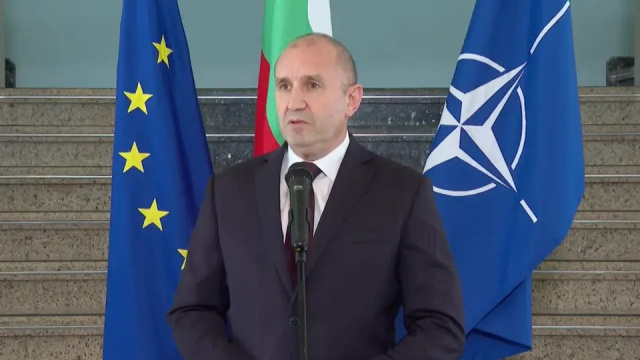
Radev insisted the arrangement would significantly improve Bulgaria's position in the regional gas market. According to him, the protocol introduces "a significant reduction in the price for regasification and transmission," creating new opportunities for the country to expand its role beyond that of a transit route.
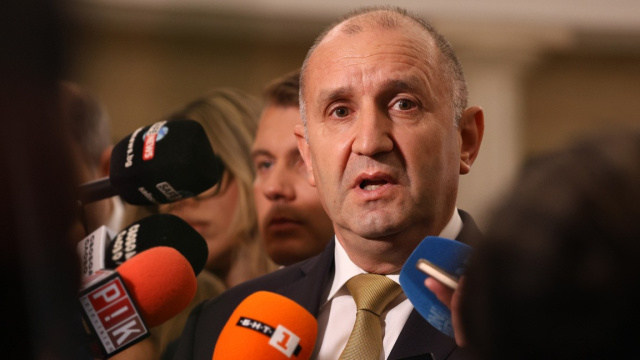
"We are firmly determined to put Bulgaria on the energy map of Europe not only as a country through which gas is transited, but as a country that effectively trades in gas," the prime minister said, arguing that the revised conditions would strengthen Bulgaria's competitiveness across Central and Eastern Europe.