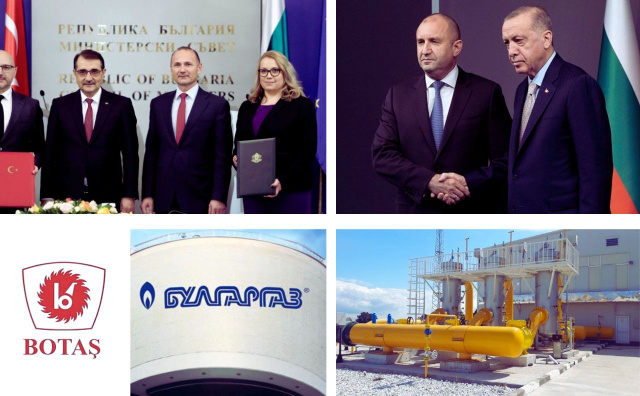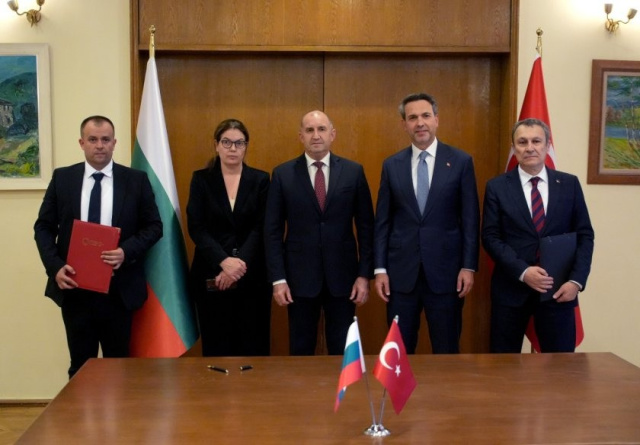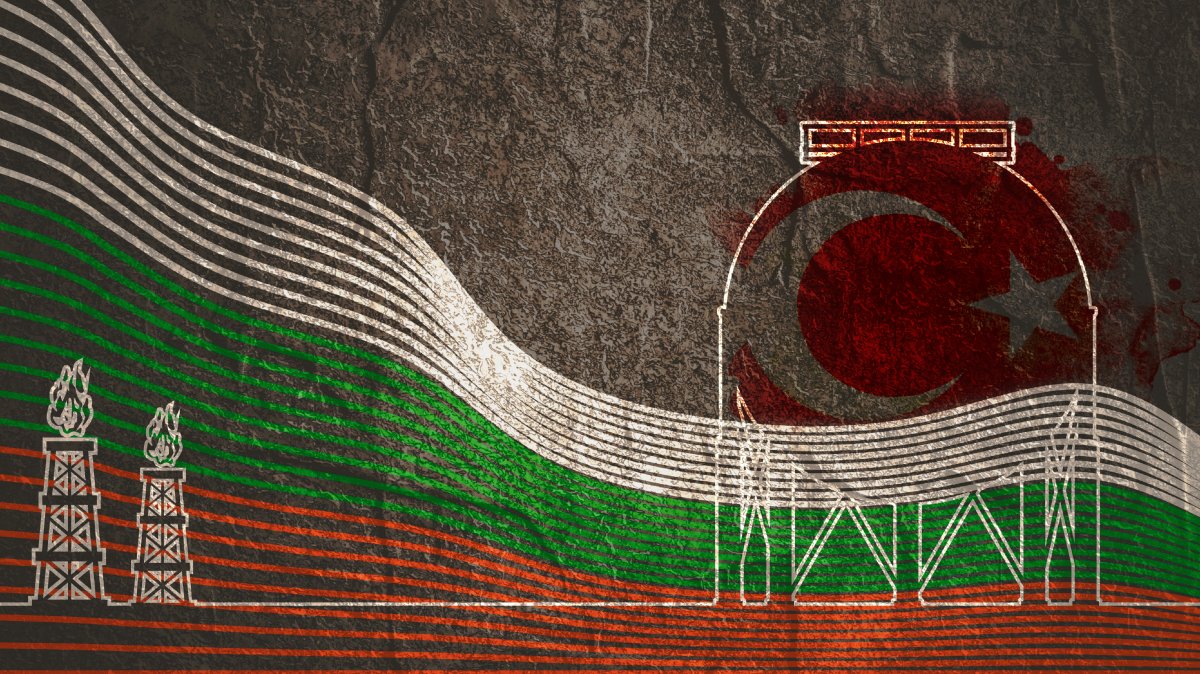
Russia’s cut in gas supplies to Bulgaria following the war in Ukraine pushed Sofia to seek alternative sources and routes. Bulgaria had limited liquefied natural gas (LNG) import infrastructure of its own, making Türkiye an important option for its energy security. The agreement signed in 2023 between Turkish Petroleum Pipeline Corporation (BOTAŞ) and Bulgargaz allowed for the transfer of up to 1.5 billion cubic meters of natural gas annually over 13 years. At the time, the logic was clear: Bulgaria would reduce its dependence on Russia while gaining access to global LNG markets through Türkiye.
However, the 13-year BOTAŞ-Bulgargaz agreement soon began to be described as a heavy financial burden for Bulgaria rather than a strategic supply security instrument. Three years later, the parties chose to suspend the contract for 15 months and renegotiate it rather than terminate it. The capacity guarantee was said to have become expensive for Bulgaria.
One of the most controversial aspects of the agreement was that Bulgaria was required to pay not only for the gas it used, but also for reserved capacity. In 2023, this structure was seen as a form of energy security insurance. In effect, Bulgaria was paying to ensure that Türkiye’s infrastructure would be available when it needed LNG in the future. It was later stated that a significant portion of the capacity regarded as a guarantee in 2023 was not used by Bulgargaz. There has been no official statement from BOTAŞ, however, that a significant portion of its capacity remained unused. The issue has also raised questions under energy law, particularly regarding the future of long-term contracts.