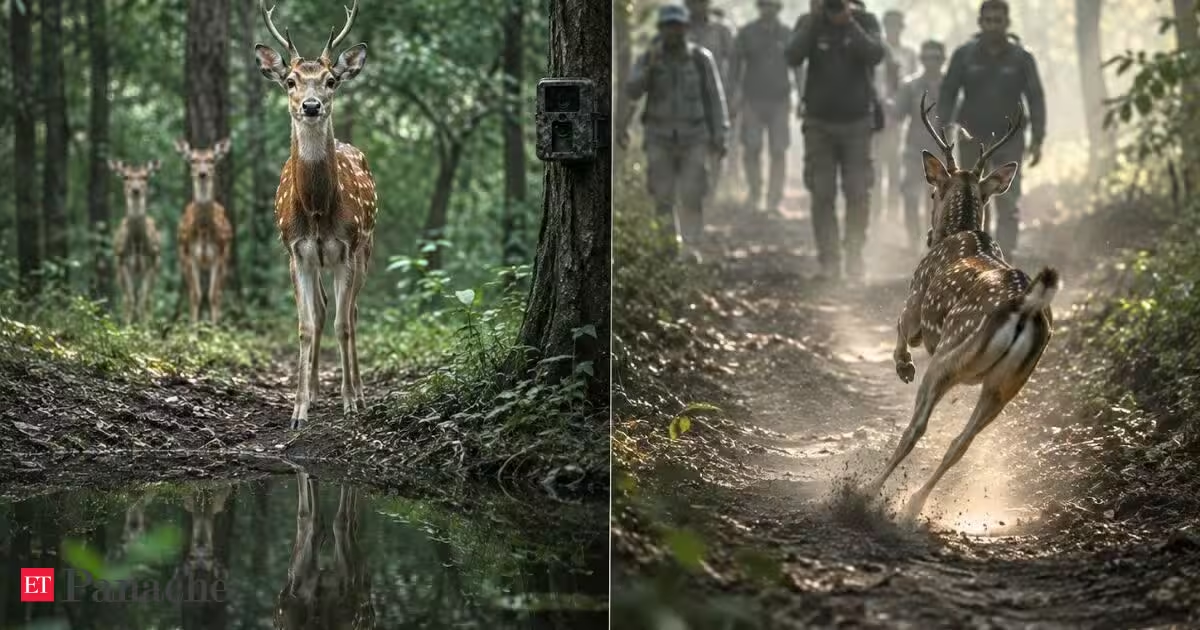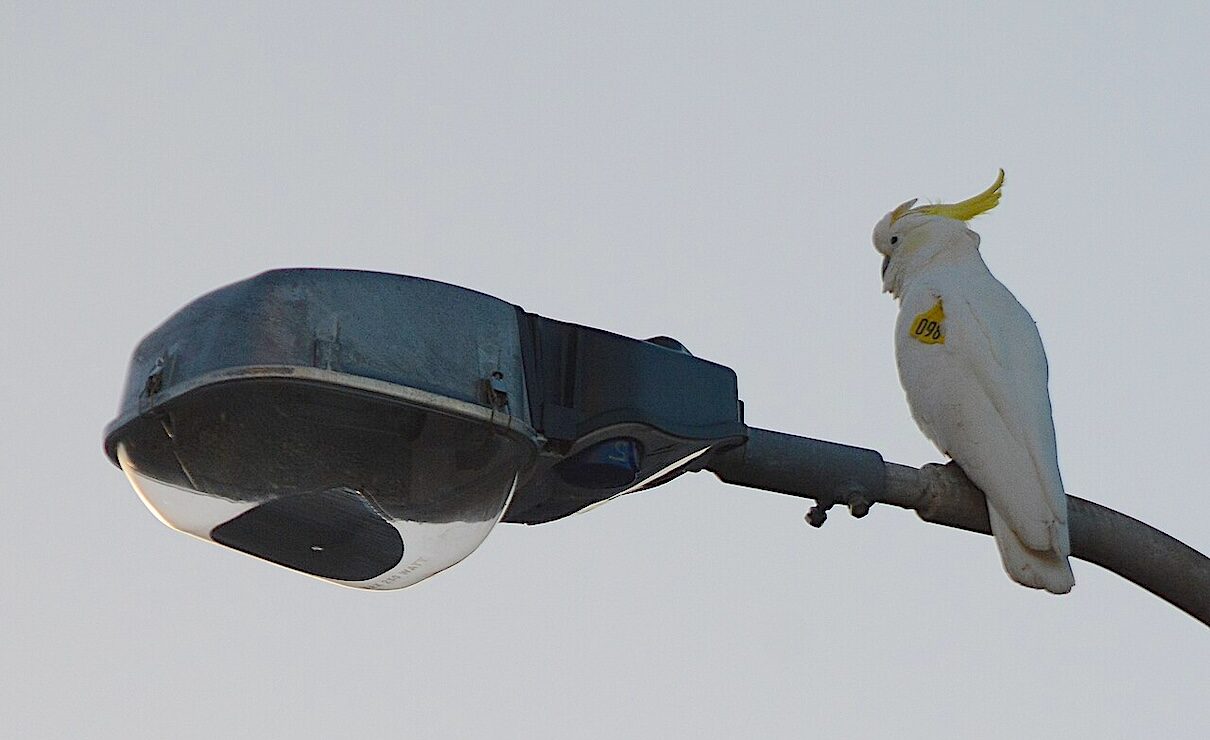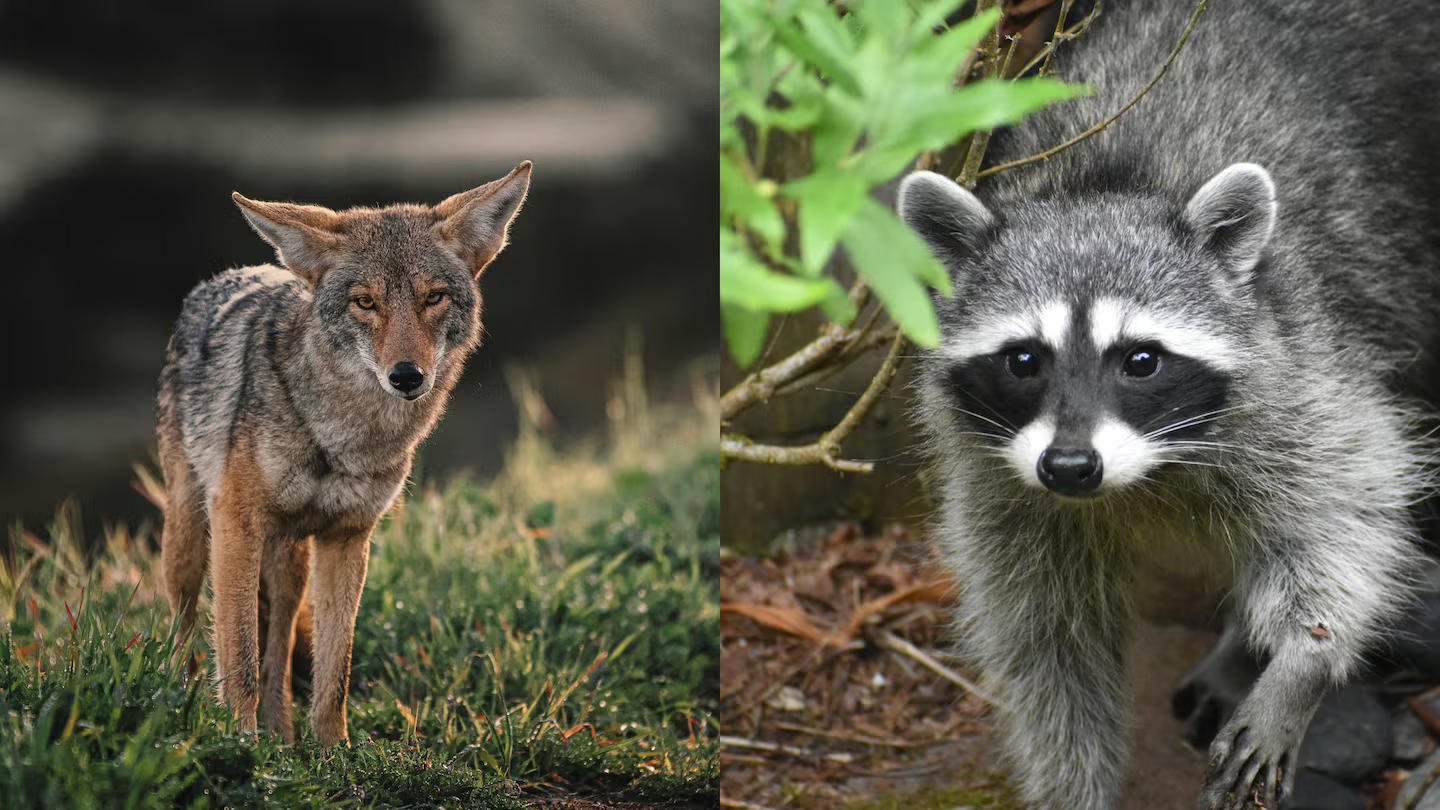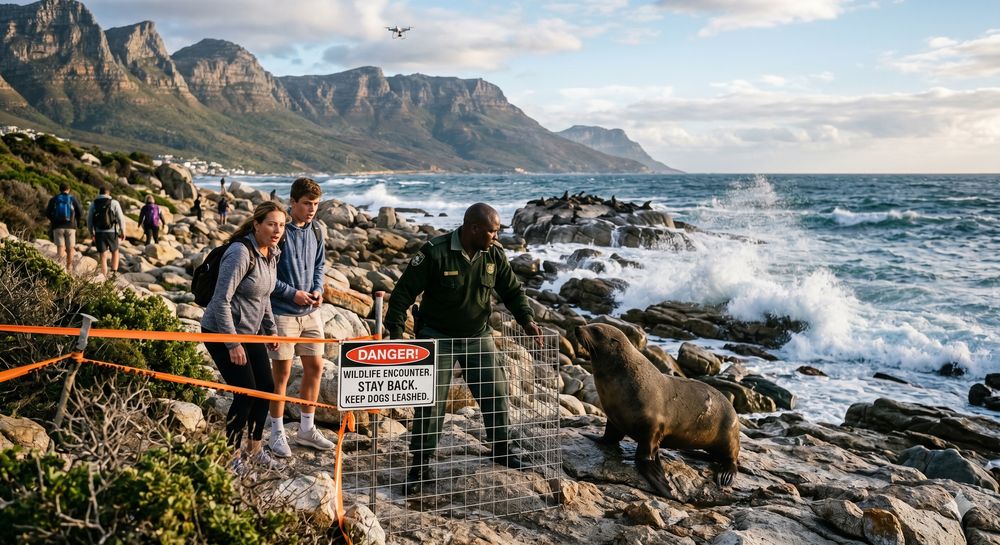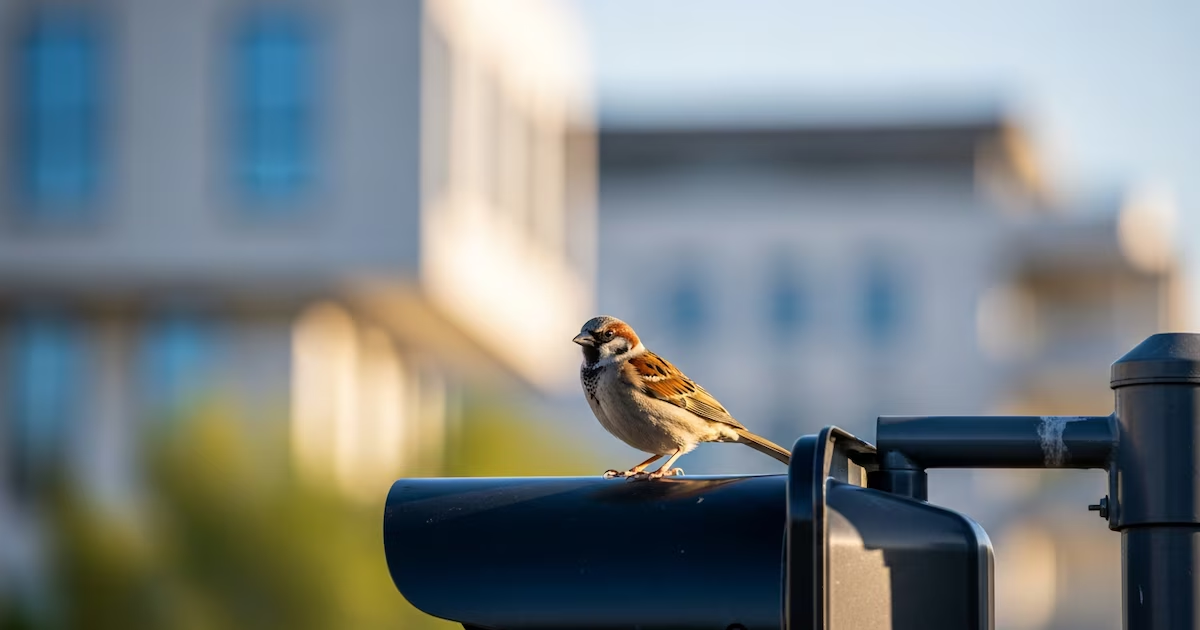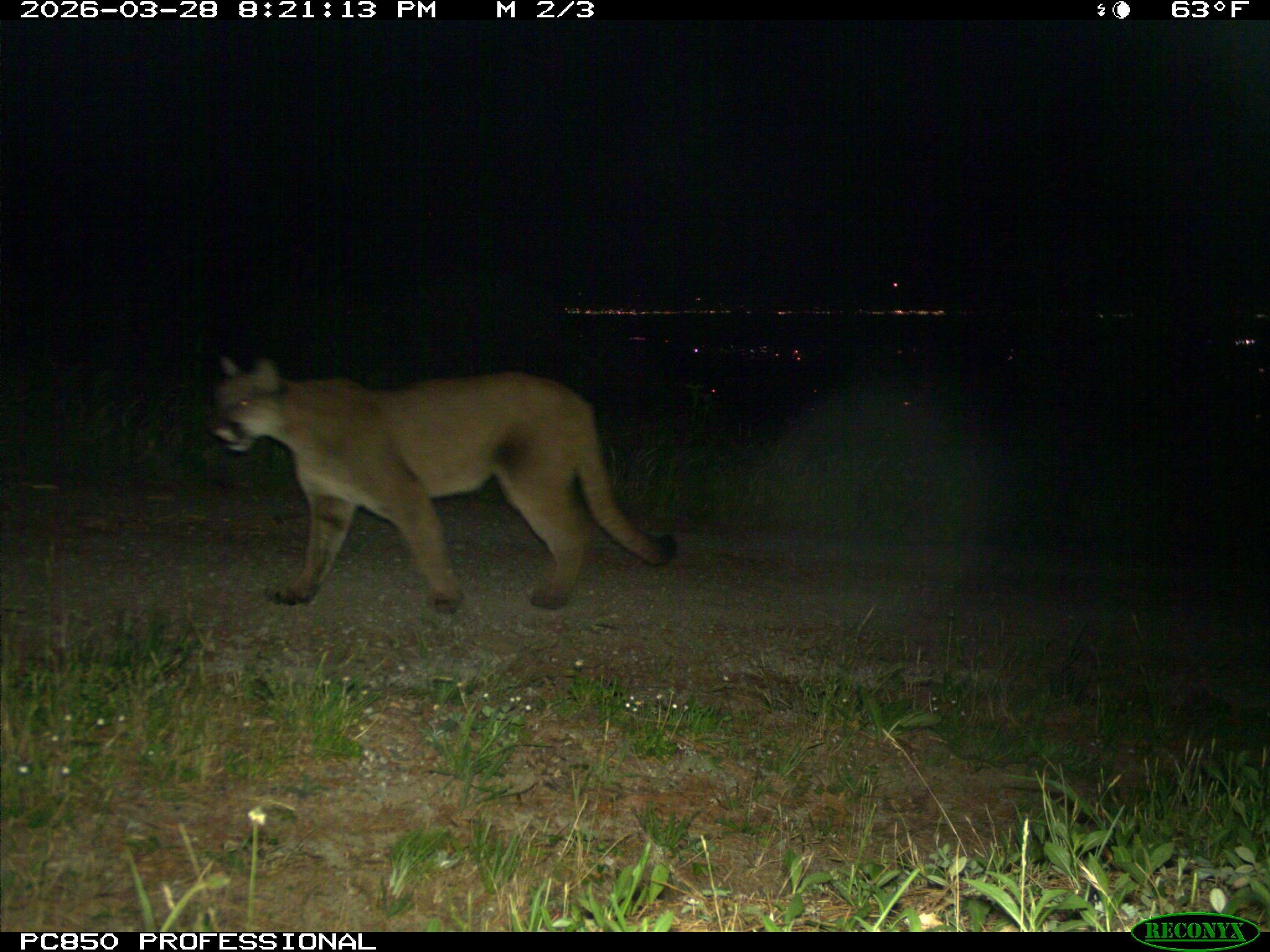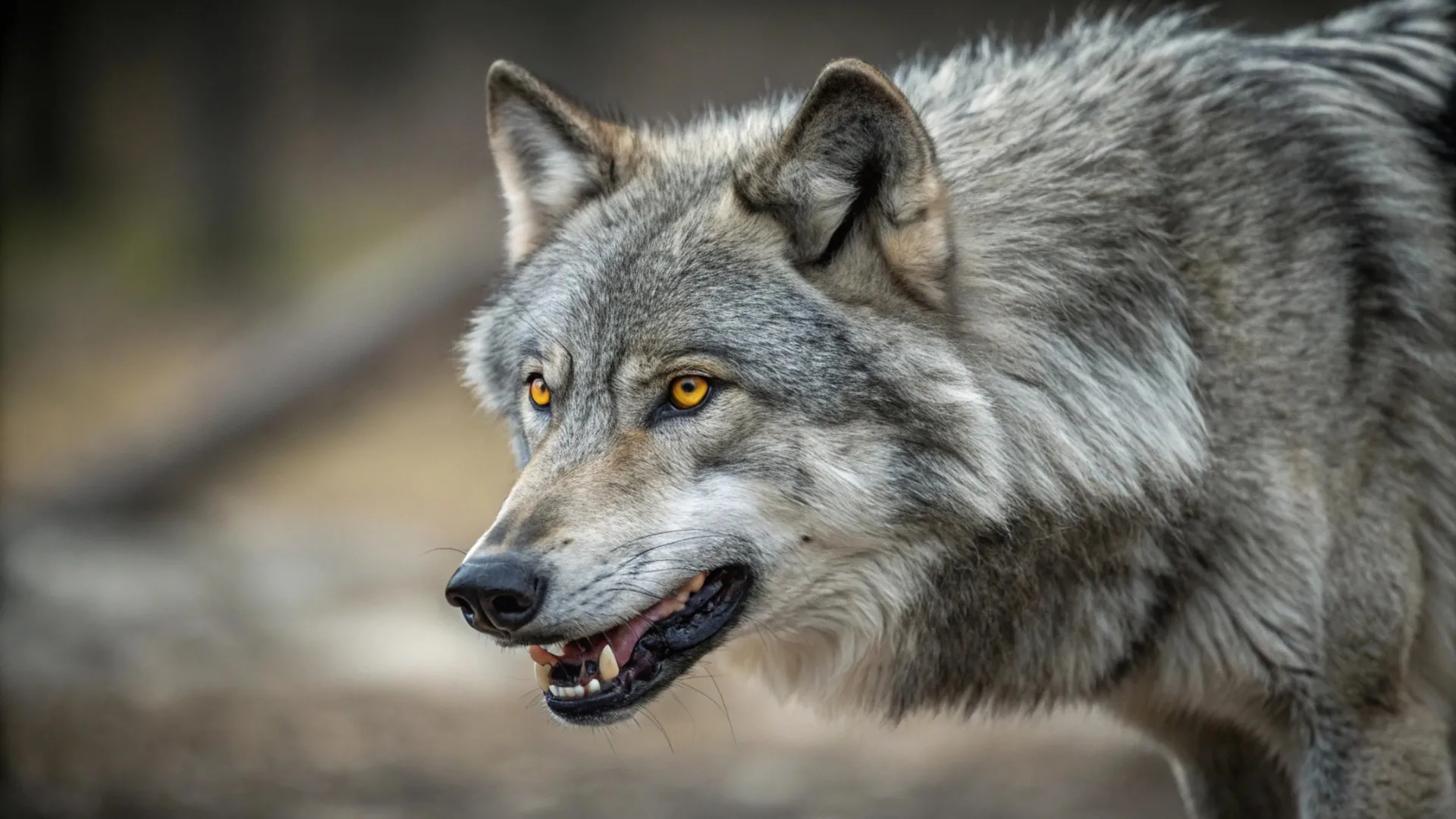
For millennia, people have transformed landscapes, forcing wildlife to adjust to cities, farms, roads, and other human activity. But new research suggests animals are responding not only to the environments we build, but also to the simple fact that people are physically nearby.
Researchers from UC Santa Barbara, the Smithsonian's National Zoo and Conservation Biology Institute, and Yale University combined GPS tracking information from 37 animal species with cellphone location data collected across the United States. The study, published in Science, found that wildlife responses to humans differ substantially depending on the species and on how heavily a landscape has already been altered. Those differences could help scientists develop more precise strategies for wildlife management and conservation.
"Humans have complicated effects on wildlife -- from our physical presence to how we reshape habitats -- but we can't understand our full impact without information on both," said co-lead author Ruth Oliver, an assistant professor in UCSB's Bren School of Environmental Science & Management.
COVID Lockdowns Created a Rare Wildlife Experiment
COVID-19 lockdown policies dramatically altered where and how people moved. That unusual shift gave researchers a chance to separate the influence of human presence from the effects of permanent changes to the landscape.