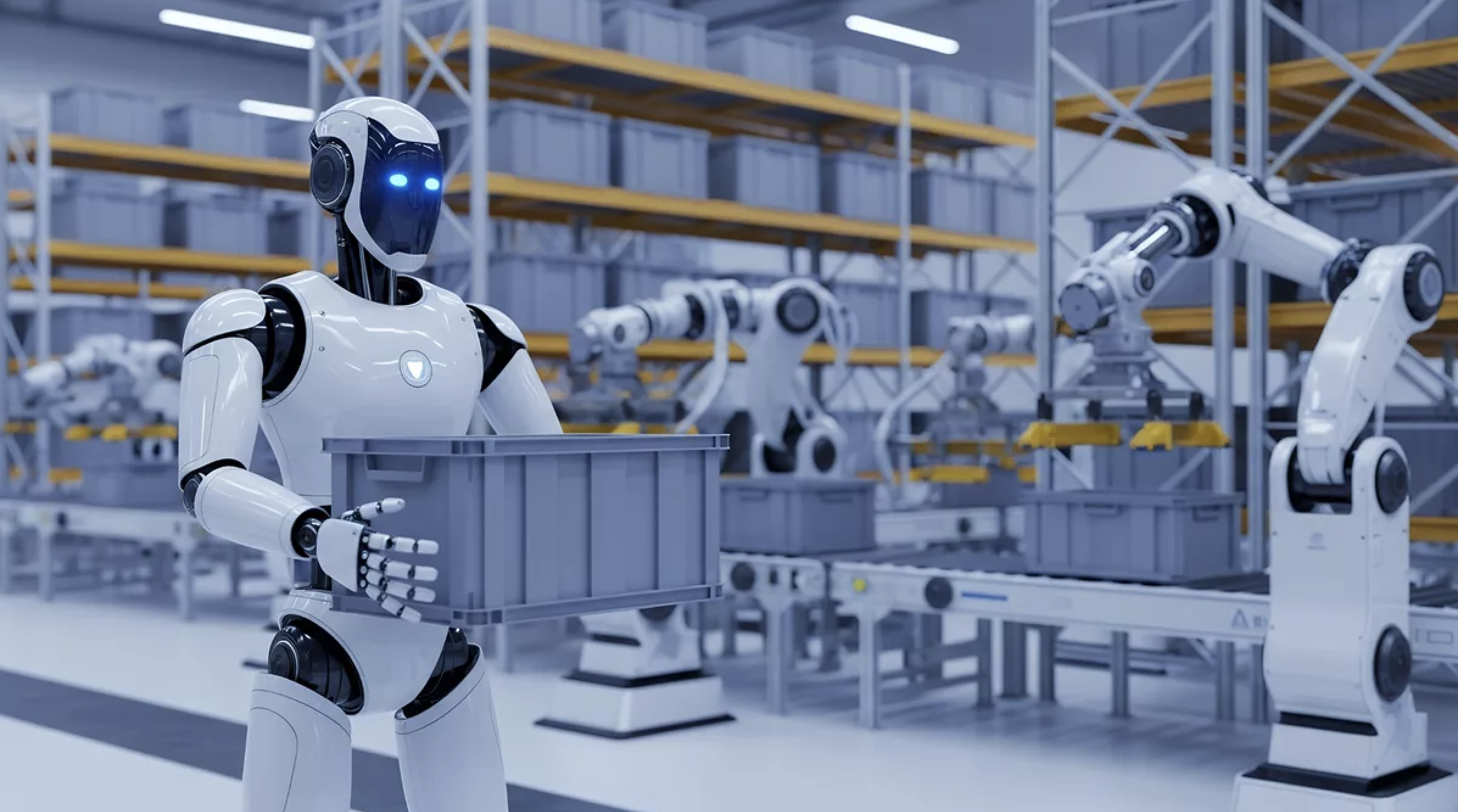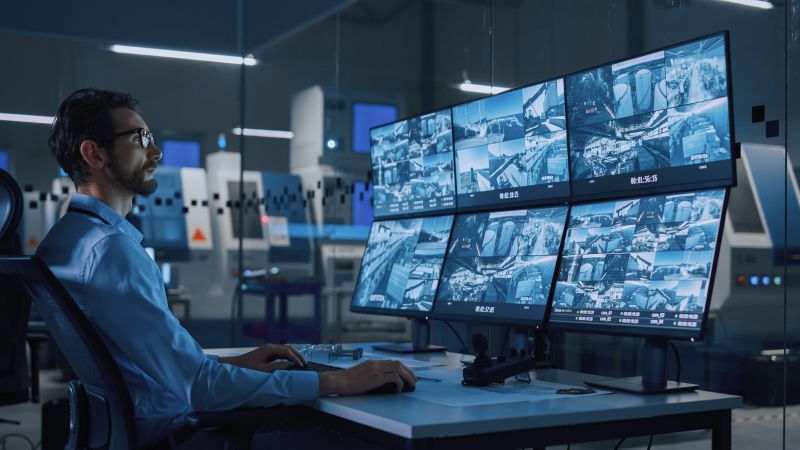
The AI revolution is often associated with chatbots and powerful computing, but every AI system depends on a rapidly expanding network of physical infrastructure.
From data centers and manufacturing facilities to logistics hubs and smart cities, these increasingly complex environments are prompting organizations to rethink physical security as an intelligent operational capability that strengthens resilience and supports faster, better decision-making.
The rapid growth of artificial intelligence is driving an unprecedented wave of investment in the infrastructure that powers it. According to market researcher IDC, worldwide AI infrastructure spending is forecast to reach $497 billion in 2026, with the market expected to more than double to exceed $1 trillion by 2029.
As AI capabilities continue to advance, companies like Hanwha Vision, a global video security solutions provider headquartered in South Korea, are applying them to transform the physical security field. Hanwha Vision’s ongoing efforts to incorporate AI across its product lines have delivered real-time threat detection, faster incident investigations, enhanced imagery, and more efficient security operations across a wide range of industries. The company’s AI-powered cameras, devices, and software also go beyond traditional security applications, turning video data into analytics that generate business insights to inform an organization’s future direction.