Physical AI takes off: How real-time data keeps Fraport’s airports running on time
Physical AI is no longer a concept confined to factory floors and autonomous vehicles — it is reshaping the complex, time-sensitive operations of some of the world’s busiest airports.
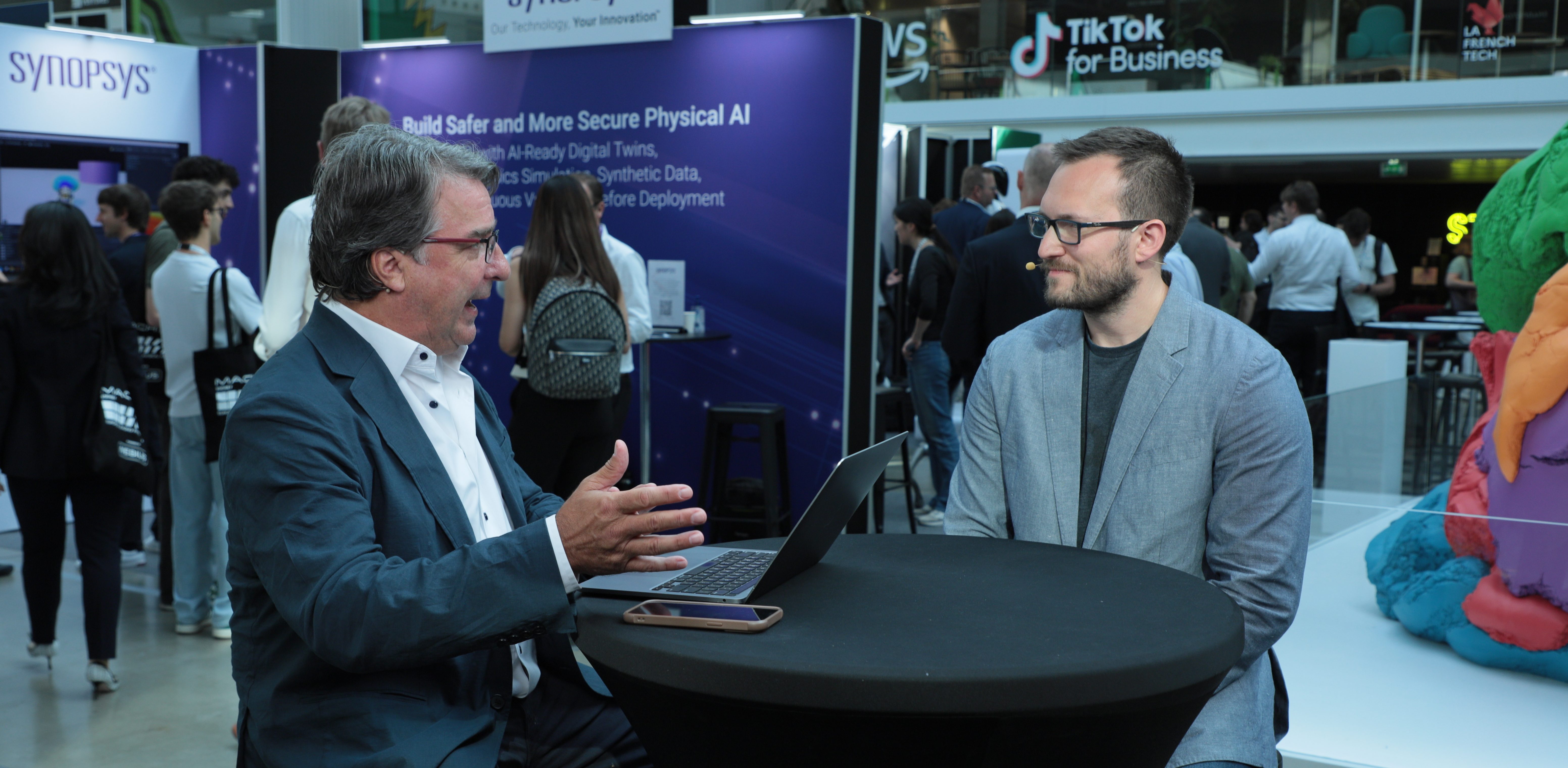
The operators managing dozens of airports and tens of millions of passengers face decisions that cannot wait for a round-trip to the cloud, making low-latency, on-premises AI processing a competitive imperative. The challenge is integrating siloed operational data — from ground handling to cargo to aircraft turnarounds — into a coherent intelligence layer that drives measurable outcomes, according to Varun Chhabra (pictured, left), senior vice president of product marketing at Dell Technologies Inc.
“The agentic AI conversation has to start with the data,” Chhabra said. “Agents act on context. The more context you can give an agent, the more accurate they will be and the better outcomes will be. The airport scenario is a perfect example — you’ve got data in so many places from so many sensors. How do you ingest that? How do you tag it, curate it and decide what you want to make available to which model?”
Chhabra and Fritz Oswald (right), senior vice president of IT infrastructure at Fraport AG, spoke with theCUBE’s Dave Vellante and John Furrier at Dell Technologies World 2026, during an exclusive broadcast on theCUBE, SiliconANGLE Media’s livestreaming studio. They discussed physical AI use cases in airport operations, edge computing strategy and the path toward agentic AI governance. (* Disclosure below.)