Physical artificial intelligence is emerging as the next major phase of AI. These systems not only generate content or analyze data but also perceive, reason about and act in the physical world.
The opportunity is massive, but so are the operational, data, latency and lifecycle-management challenges. That is why Amazon Web Services Inc. last month rolled out cloud-to-edge solutions for customers building these systems.
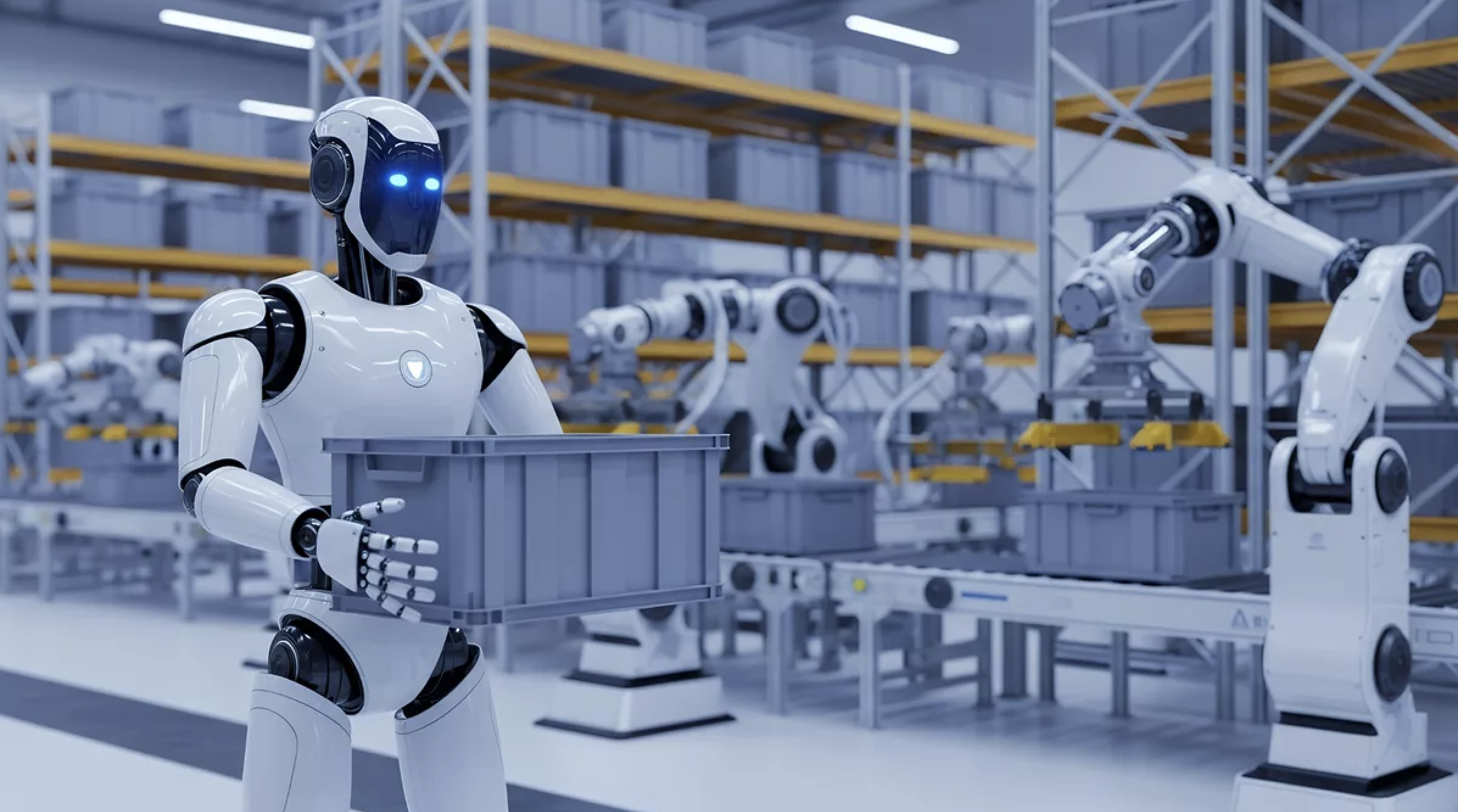
For the past few years, generative AI has largely lived in the digital realm. It writes, summarizes, codes, searches and converses. Physical AI extends that intelligence into robots, industrial equipment, cameras, autonomous mobile robots and other systems that must interpret changing conditions and act reliably in environments that are rarely as orderly as a chatbot prompt.
Traditional industrial automation and robotics were designed for highly structured, repeatable workflows. A warehouse robot might reliably carry a bin from point A to point B in a mapped, tightly controlled facility. But it has trouble when an object is misplaced, a pathway is blocked, a person enters its work area or the task goes beyond what it was explicitly programmed to handle.
Physical AI promises greater adaptability. Advances in foundation models, vision-language-action models, world models, reinforcement learning and simulation are giving machines a more capable “brain.” At the same time, edge inference, model compression and improved cloud-to-device operations make it more feasible to deploy those capabilities in real-world systems.