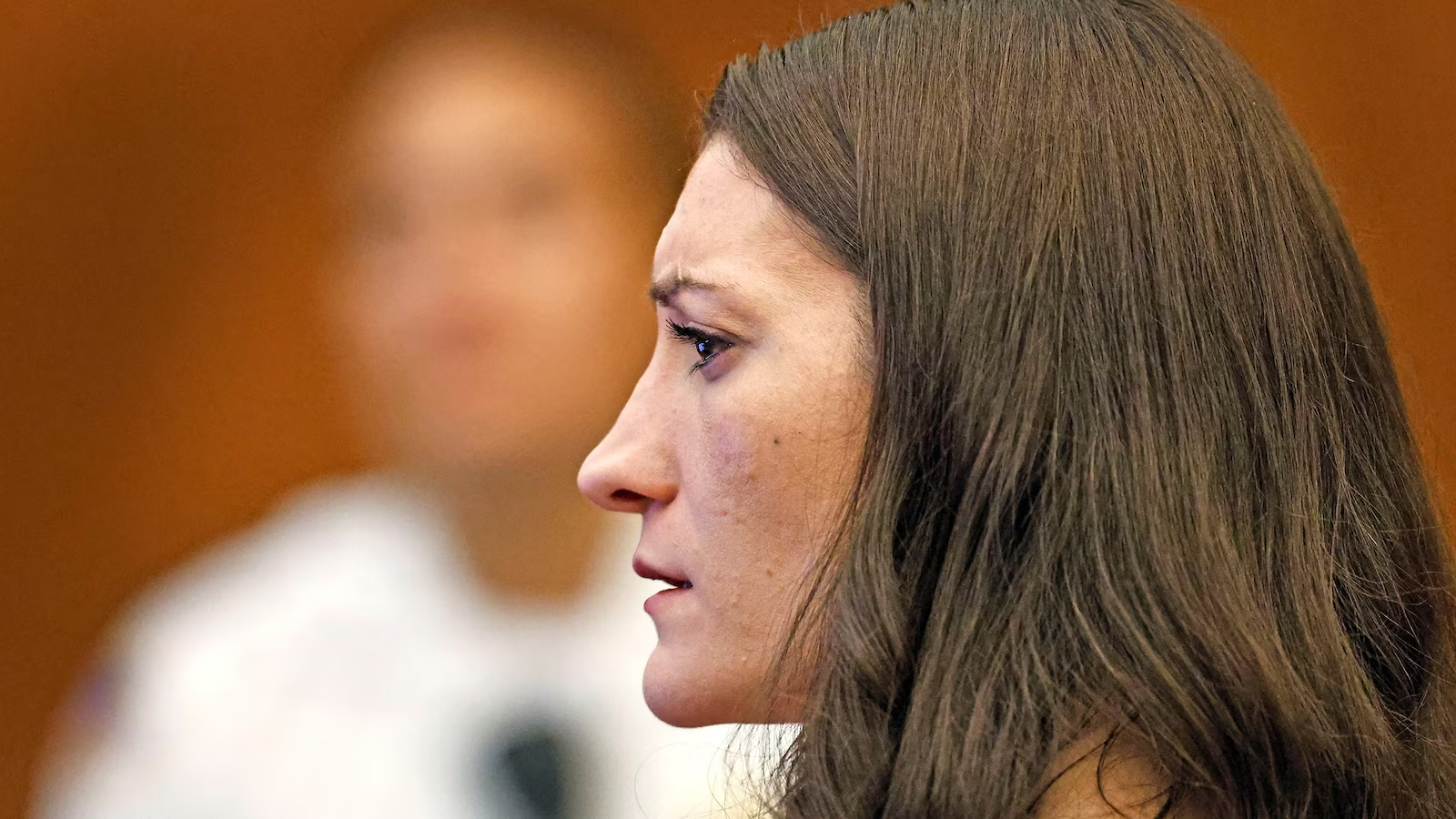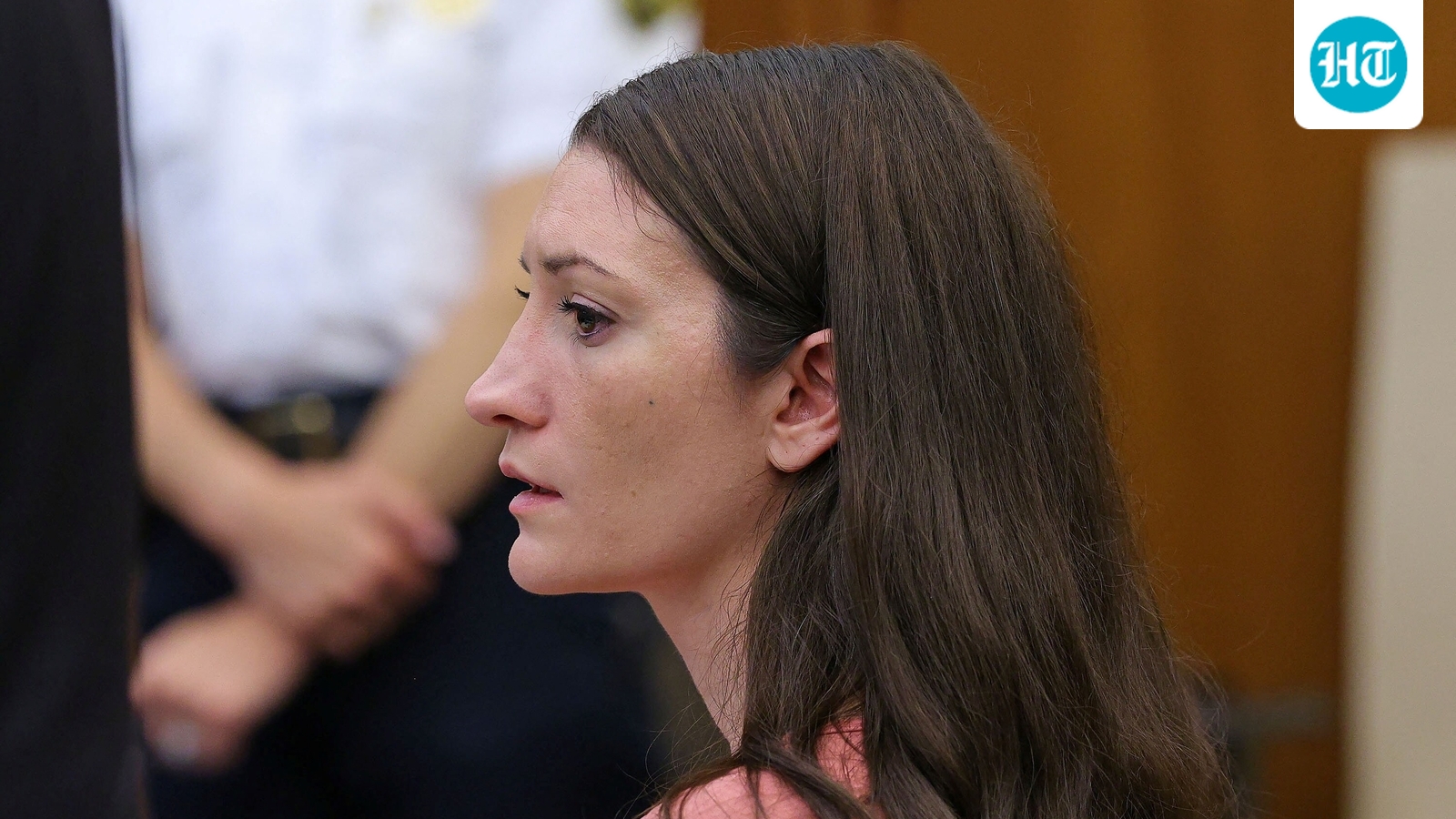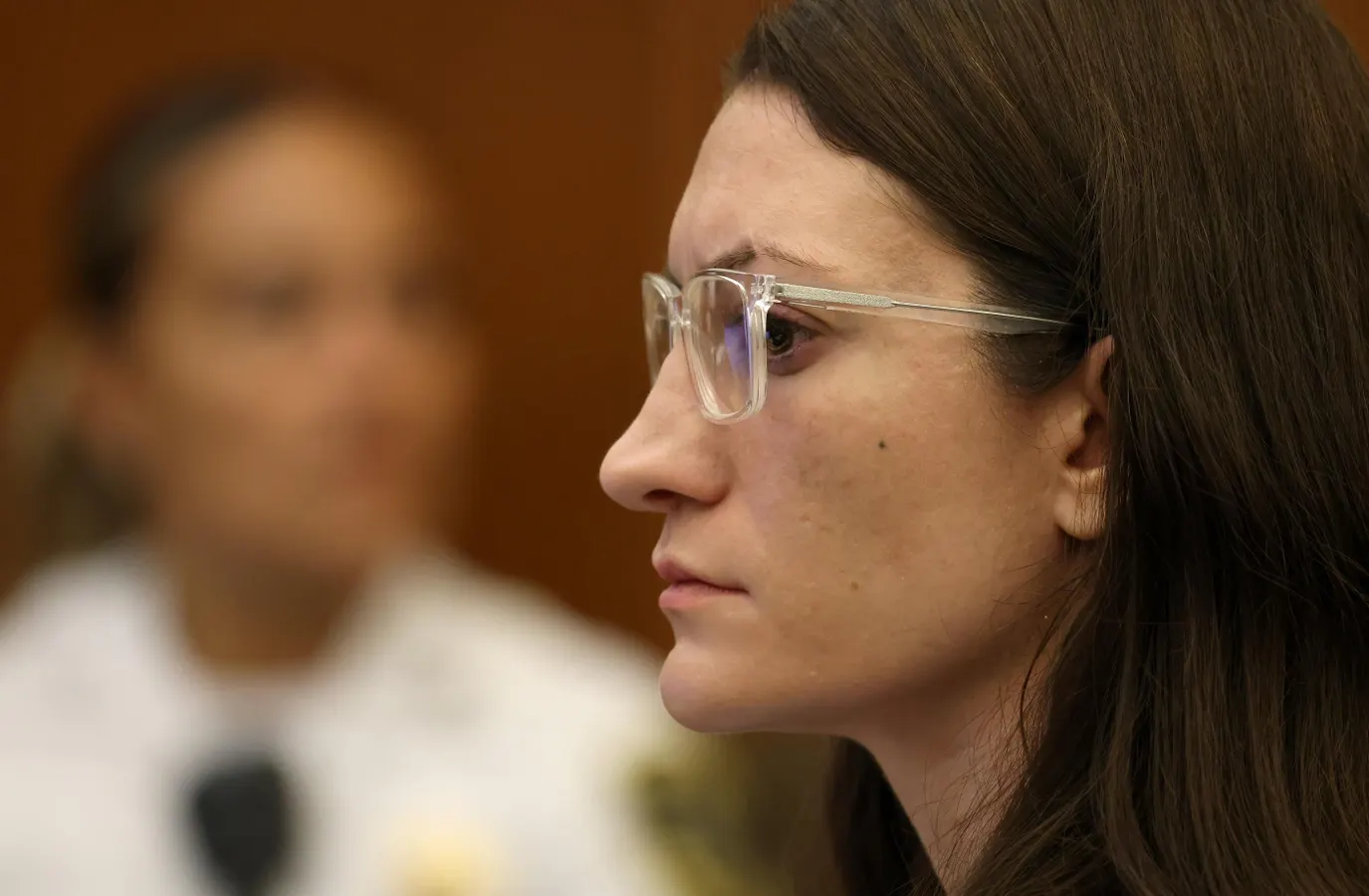
The trial of Lindsay Clancy, a former nurse who killed her three kids, has brought renewed attention to the most tragic outcomes of postpartum psychosis. However, an expert told MedPage Today that postpartum psychosis is a complicated condition with a continuum of severity, and one group in particular has heightened risk.
Nancy Byatt, DO, MS, MBA, a perinatal psychiatrist and professor at the UMass Chan Medical School in Shrewsbury, explained that postpartum psychosis occurs in 1 to 2 per 1,000 births.
"The pregnancy and postpartum periods are a time of risk for mood and anxiety disorders in general," she said, as this time is full of intense physiological and hormonal changes. It's important to pay attention to when new symptoms occur within the perinatal period, since different time periods are associated with different physiological changes.
"A lot of times when we see postpartum psychosis, we see it in the context of bipolar disorder," she said, adding that it can still occur in people with any mood disorder or without a psychiatric history. However, she emphasized that "there's a particular risk with bipolar disorder."
So when clinicians see a pregnant person with a personal or family history of bipolar disorder, it's important to monitor them more closely for the development of postpartum psychosis. Typically, bipolar disorder is chronic, but some people develop it during pregnancy or postpartum and don't go on to have it long-term.