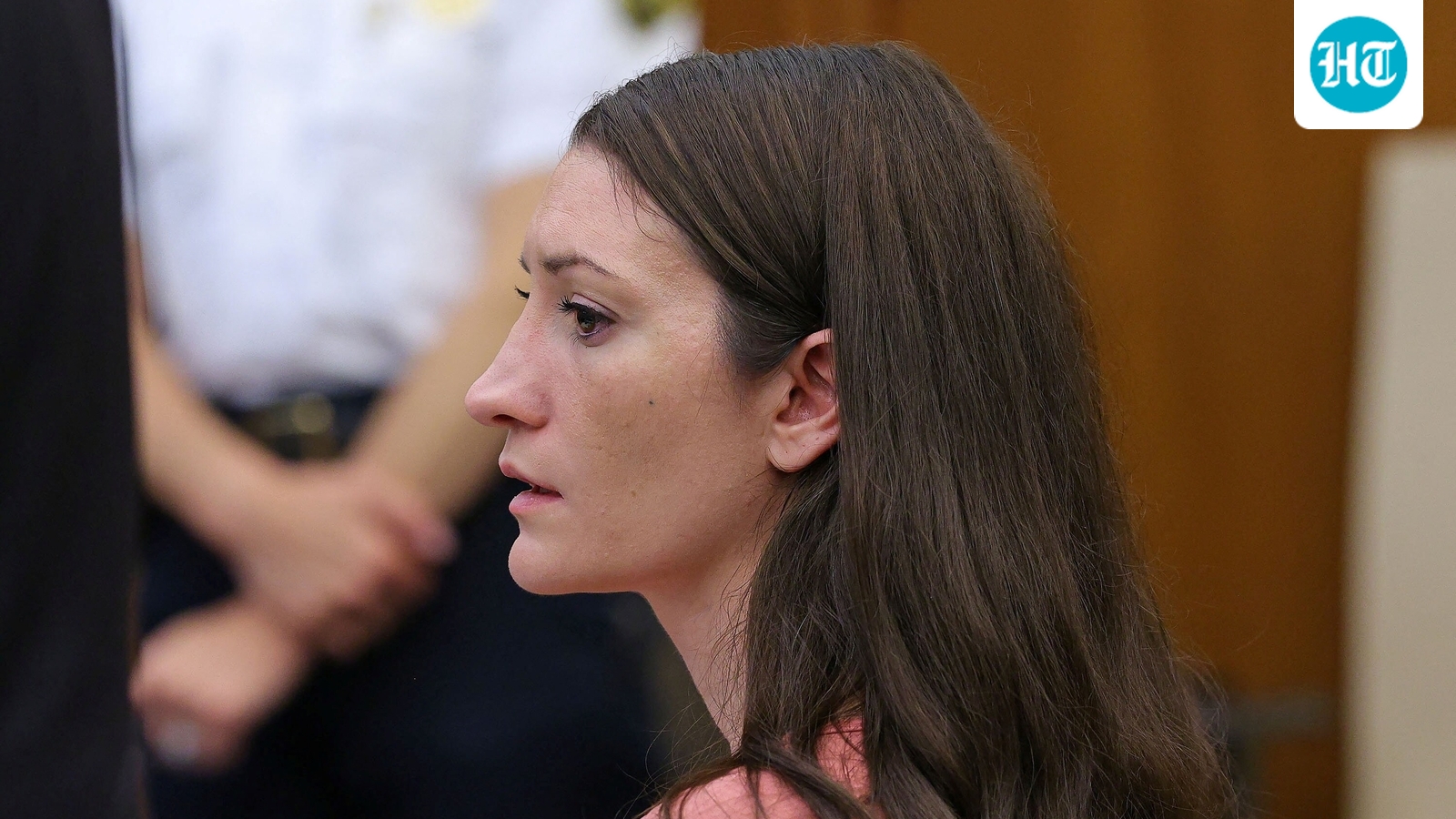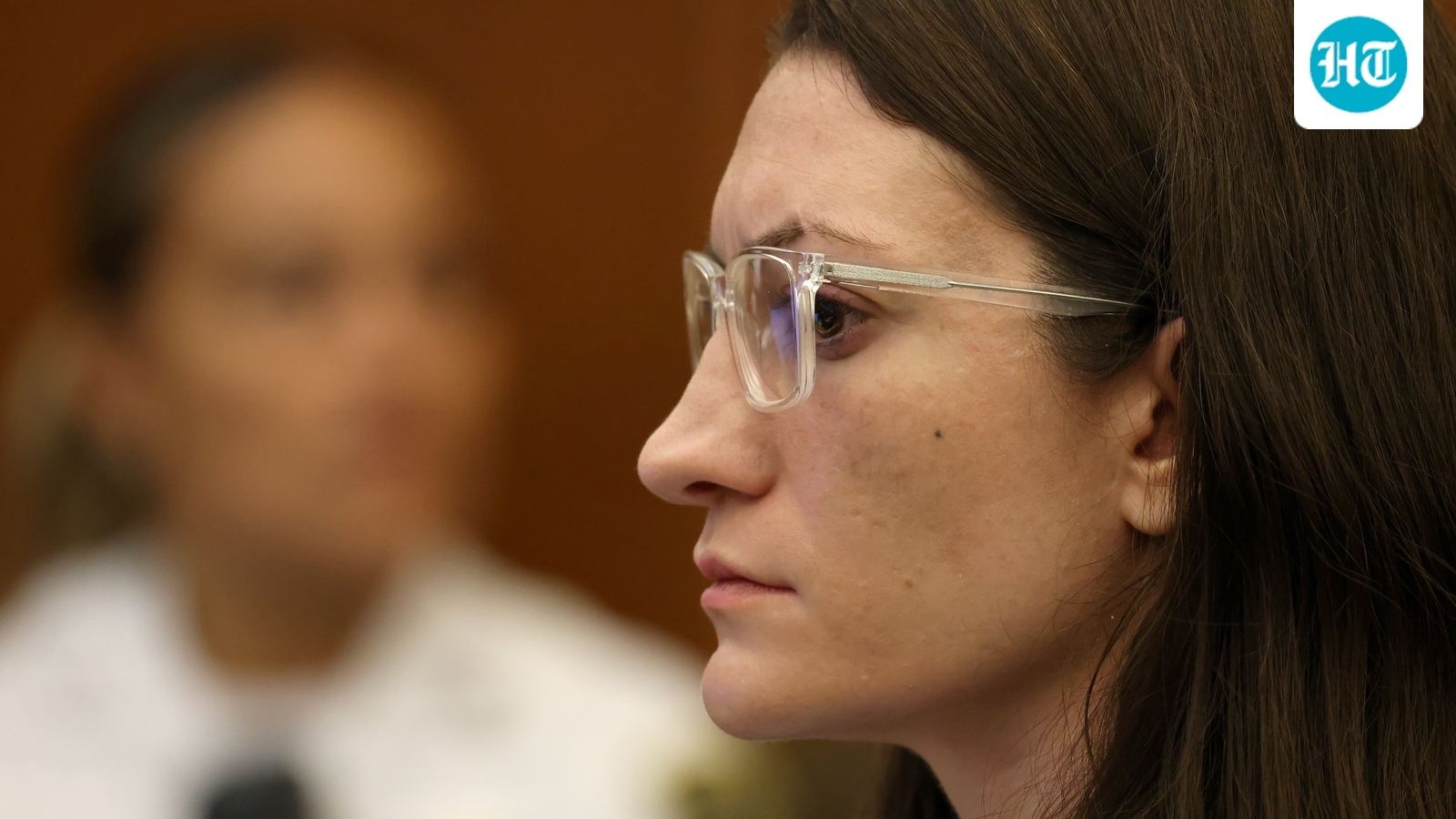
Social media is filled with Reels and posts about the ongoing murder trial of Lindsay Clancy, a US-based nurse accused of killing her three children in January 2023. It has drawn global attention to a rare but severe maternal mental health condition: postpartum psychosis.Massachusetts-based Lindsay Clancy is accused of killing her three children in January 2023.Prosecutors argue that Clancy intentionally killed her children, while her defence maintains that she was experiencing psychosis and was not criminally responsible for her actions. Both sides agree that she caused the deaths; the central legal question is her state of mind at the time.Beyond the courtroom, the case has reignited conversations around maternal mental health, and why awareness, intervention, and access to psychiatric care matter.What happened in the Lindsay Clancy case?The case has received widespread global coverage, with media outlets calling it ‘America’s saddest murder trial’. Former labour and delivery nurse Lindsay Clancy is accused of killing her daughter Cora, 5, son Dawson, 3, and eight-month-old son Callan at the family’s Massachusetts home while her husband had stepped out to get food and medicine on January 24, 2023. Lindsay then jumped from a second-storey window in a suicide attempt and was left paralysed from the waist down.Her defence does not dispute that she caused the deaths but argues she was suffering from a severe mental health crisis, including PPP, and should not be held criminally responsible. Prosecutors maintain that the killings were deliberate.Testimony during the trial has scrutinised the psychiatric care Clancy received before the deaths. Evidence has shown that she had experienced insomnia, anxiety, numbness and suicidal thoughts and had sought help from multiple providers. Her defence has also argued that she was “overmedicated and underserved”. As per reports, she was prescribed 13 psychiatric medications in the months before the killings.The trial has also heard testimony about gaps in communication between providers assessing her mental health, including clinicians who said they had not initially viewed her as presenting a high risk.What is Postpartum Psychosis?Postpartum pyschosis (PPP) is rare, affecting roughly one to two women per 1,000 births within the first few days or weeks after childbirth, but it can develop rapidly and is considered a psychiatric emergency. Symptoms include delusions hallucinations, and severe mood changes in the.“The key concern is that the mother’s understanding of what is real can begin to change,” explains Dr Minakshi Manchanda, associate director, psychiatry, Asian Hospital.A woman with PPD may think: ‘I’m a terrible mother. I can’t do anything right.’ A woman experiencing PPP may believe someone is trying to harm the baby; the person’s reality becomes impaired. It can occur with mixed mood states or rapidly changing mood, which can make the clinical picture confusing," adds Dr Manchanda.The stages of postpartum healthGynaecologist and IVF specialist Dr Vaishali Sharma says postpartum mental health can broadly be understood across three categories:Baby blues: Mother feels emotional, irritable or overwhelmed, particularly during the first few days after delivery. It is temporary and settles within about two weeks.Postpartum depression (PPD): Mother feels constantly low, anxious, hopeless, exhausted or disconnected from her baby. She may lose interest in things she previously enjoyed and, in severe cases, experience thoughts of self-harm.PPS: Mother may stop sleeping, become unusually restless or overactive, appear confused or suspicious, hear voices or develop beliefs that are not based in reality.“PPP shouldn’t be managed with counselling and tablets at home. It is an emergency. The mother needs urgent assessment and may require hospitalisation and medication until she is stable,” says Dr Sharma.Recent cases in IndiaIn 2023, a 23-year-old woman in Kochi was accused of suffocating her newborn.In 2025, a woman in Uttar Pradesh’s Moradabad allegedly placed her 15-day-old son inside a refrigerator. The baby was rescued by a family member.“In India, parents, in-laws and relatives often share responsibility for the mother and baby. This may help the mother get adequate sleep and, importantly, behavioural changes may be noticed earlier,” says Dr Sharma. “However, we can’t conclude that postpartum psychosis itself is less common in India because of family support.”
Lindsay Clancy murder trial puts postpartum psychosis in spotlight: Experts share the red flags we miss
As the Lindsay Clancy murder trial puts postpartum psychosis (PPP) under the spotlight, experts explain and why urgent medical intervention matters.
669 words~3 min read