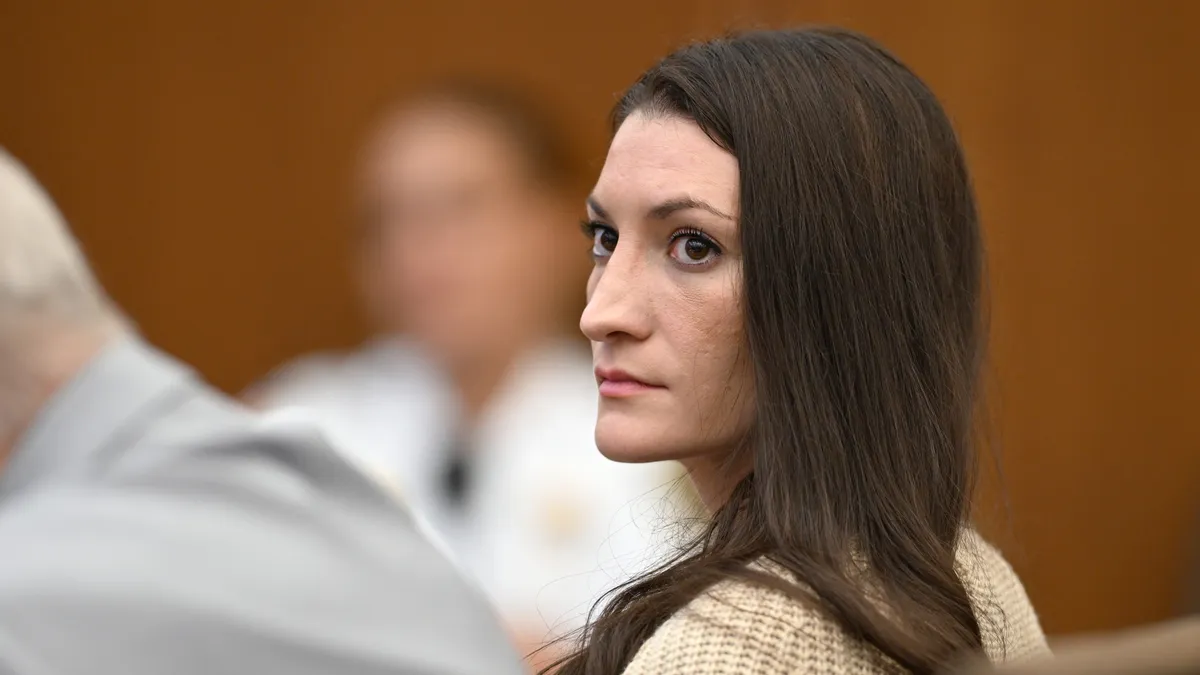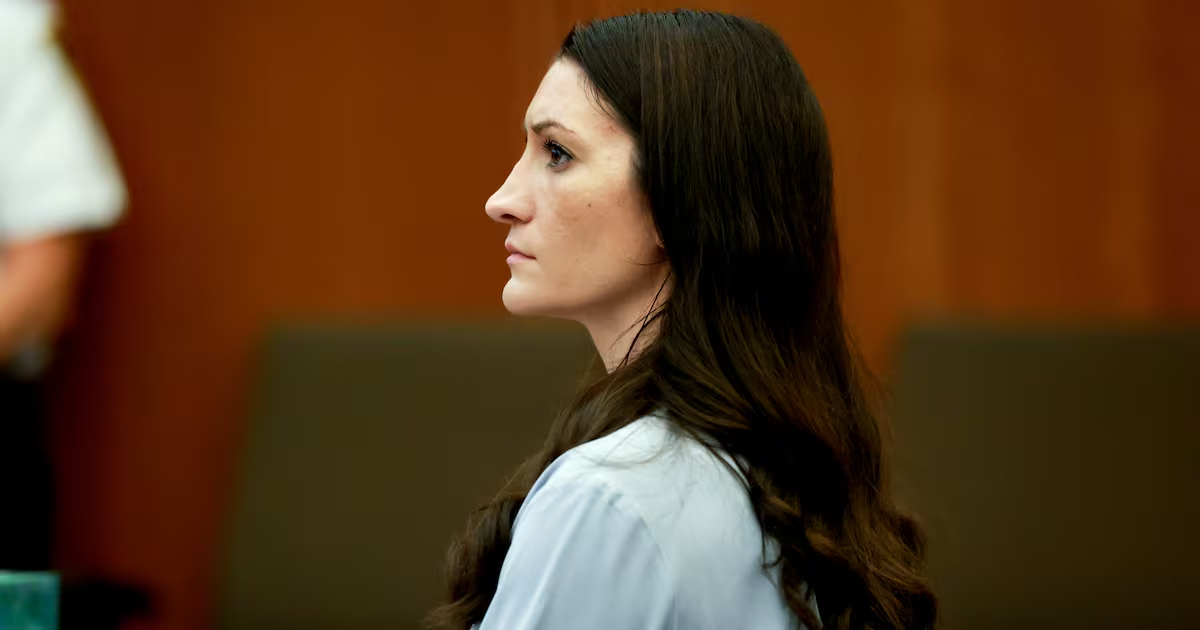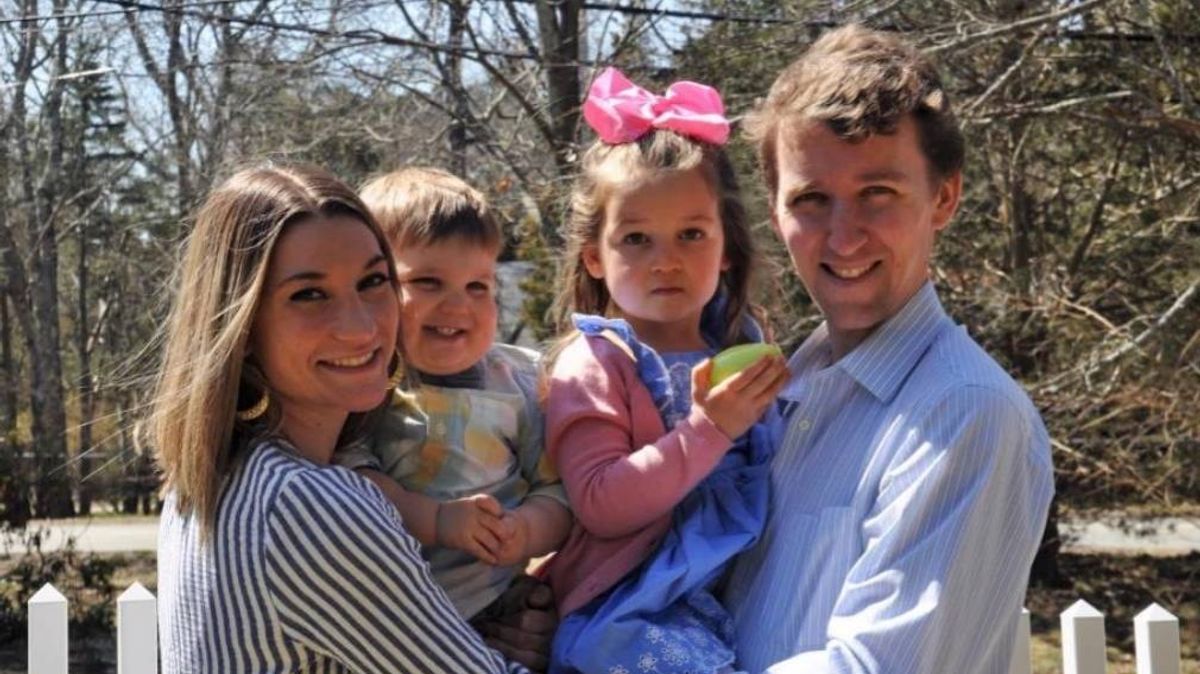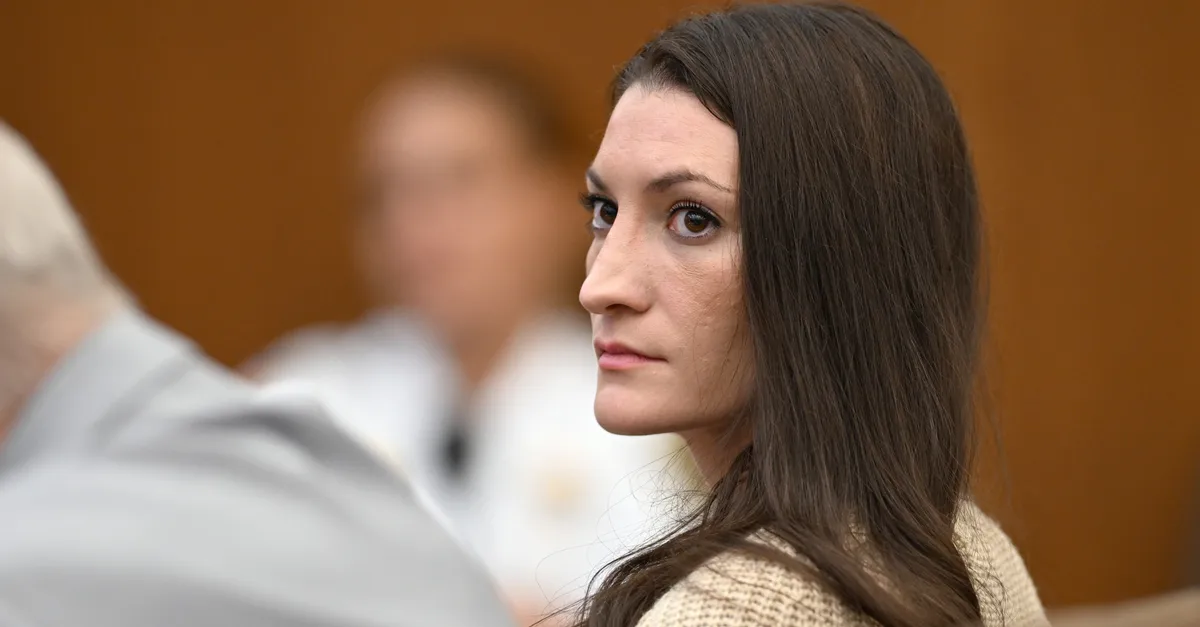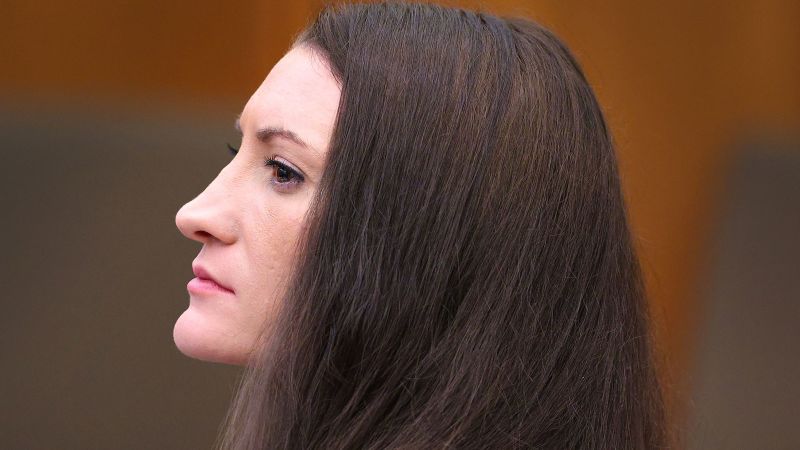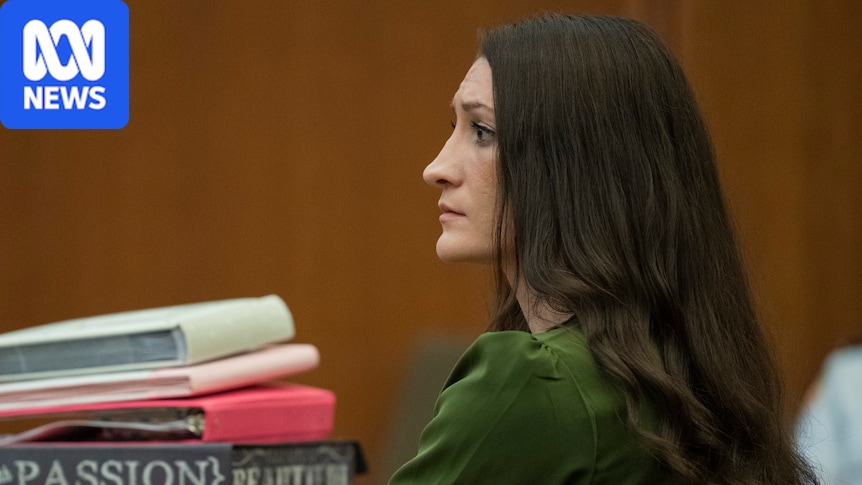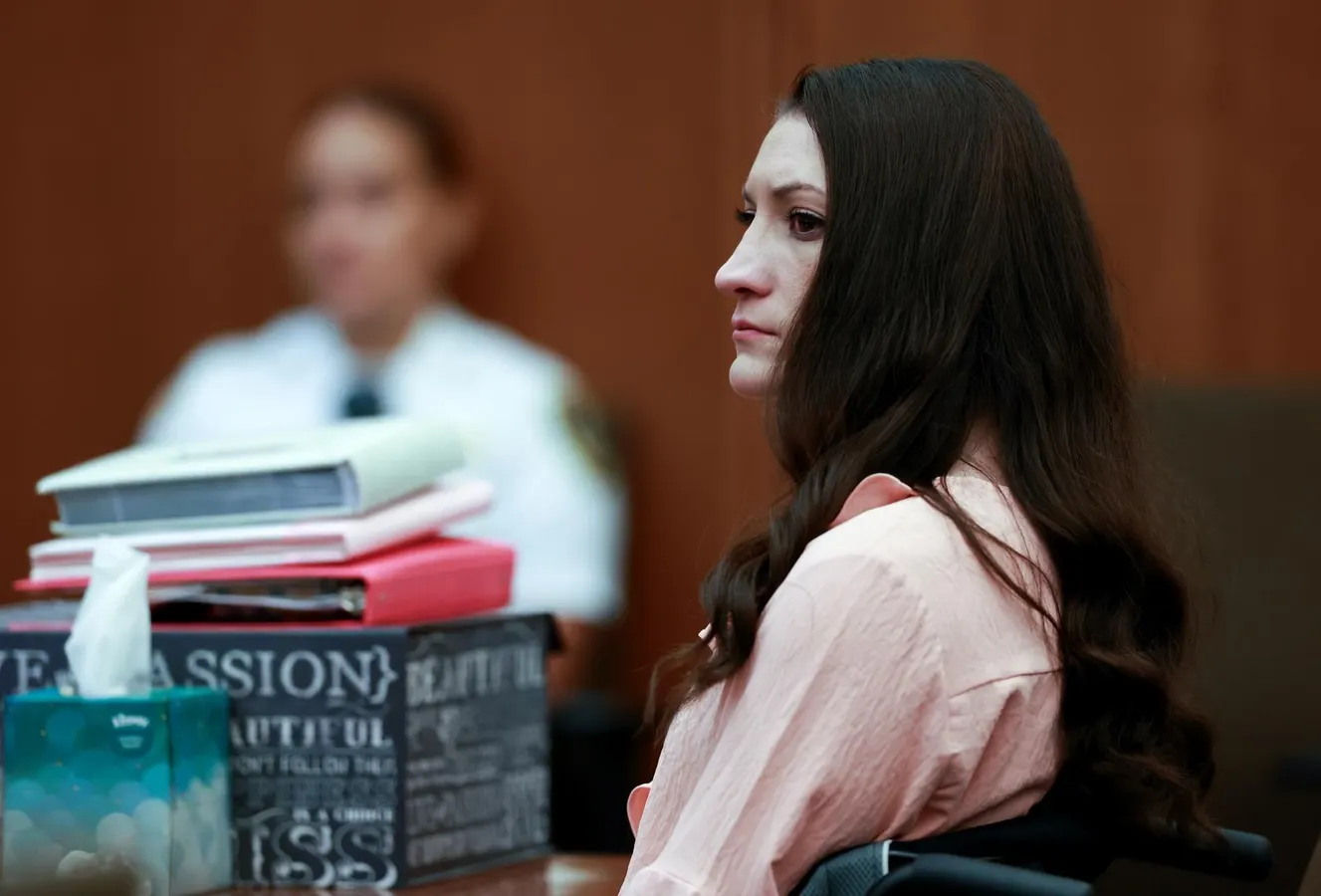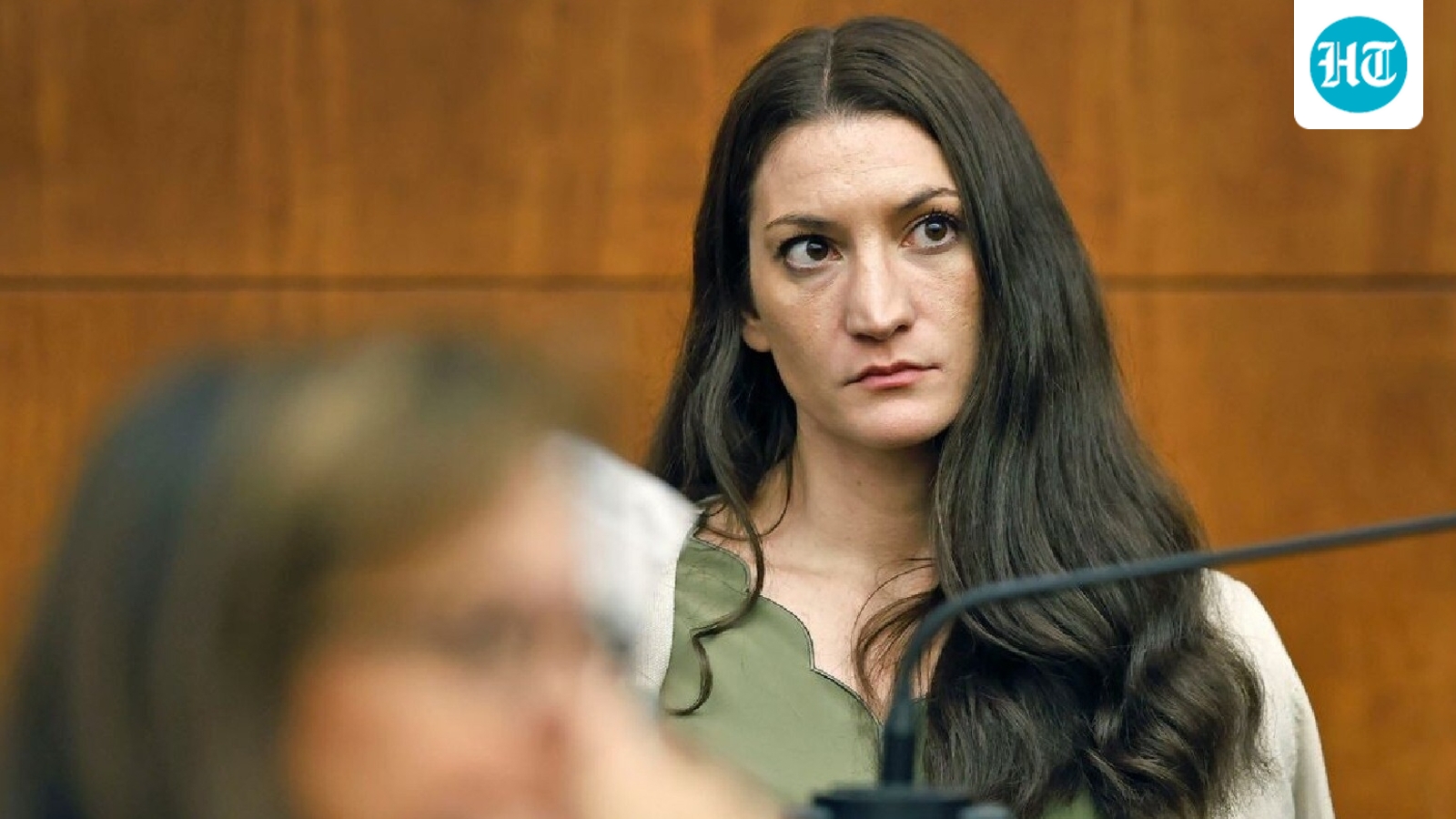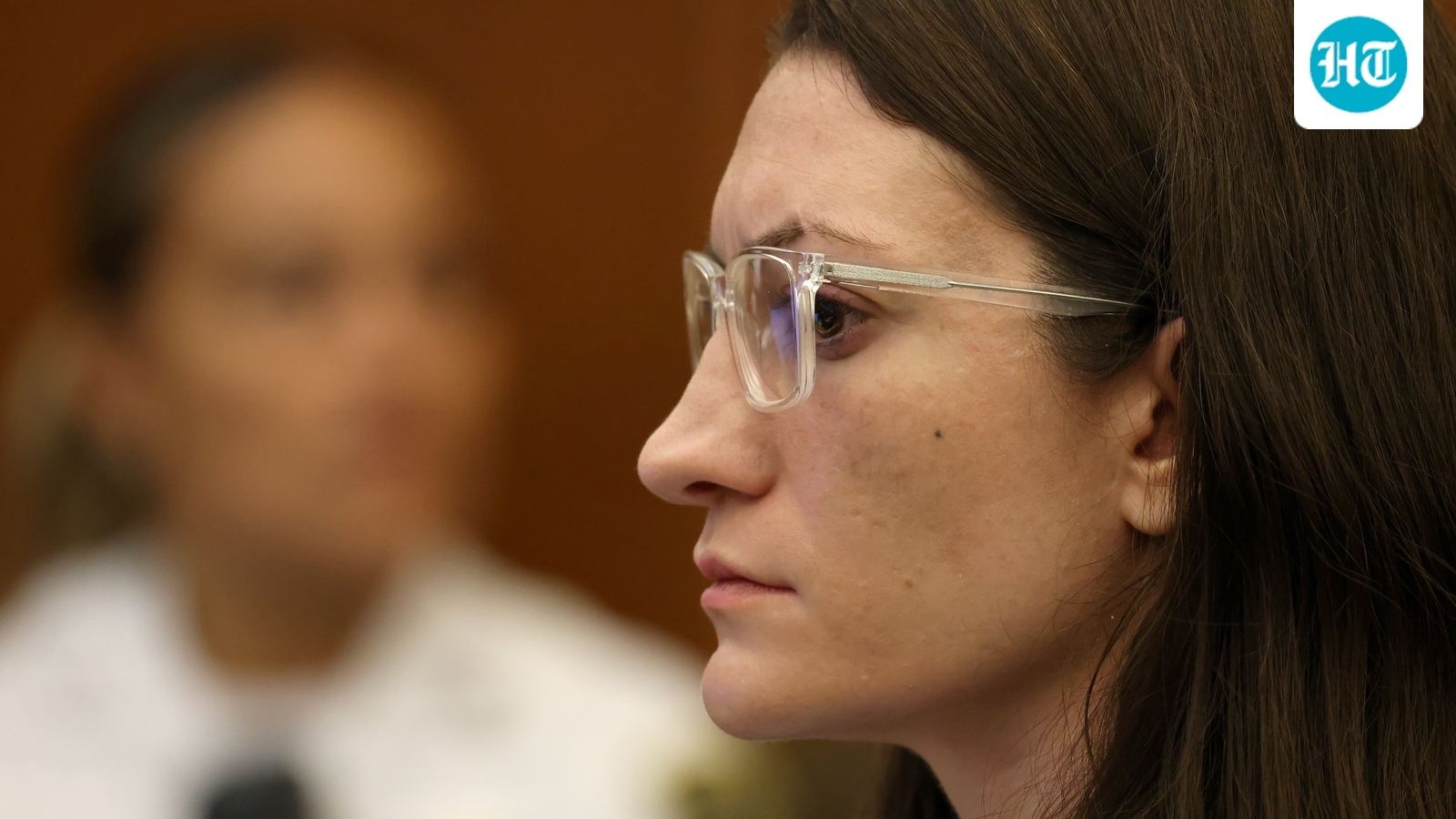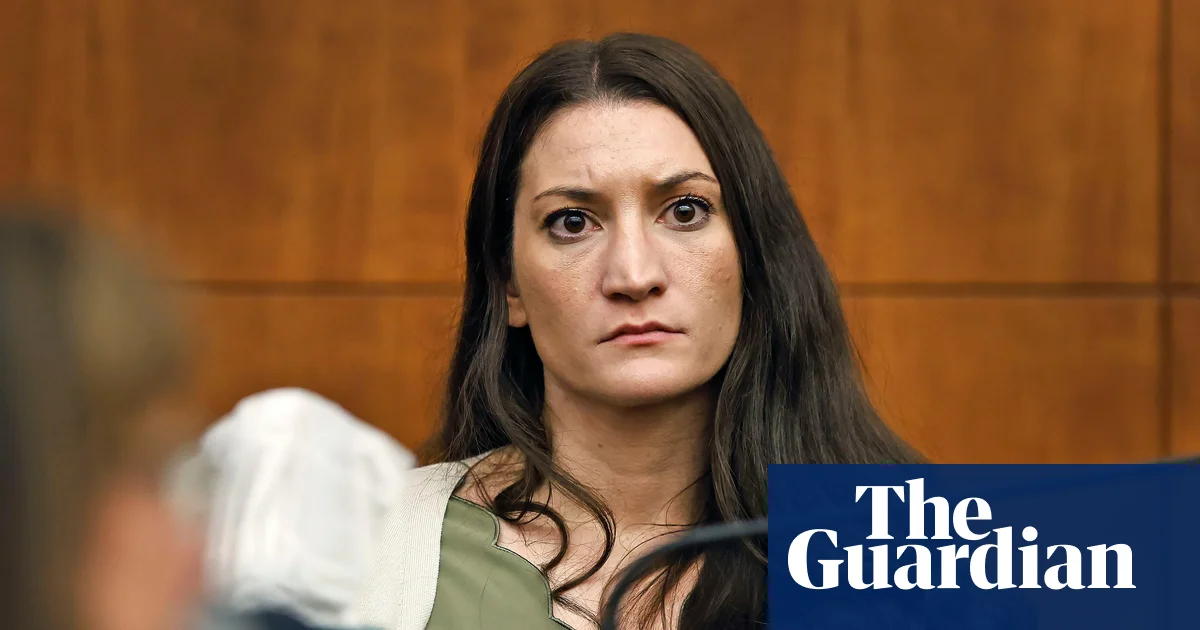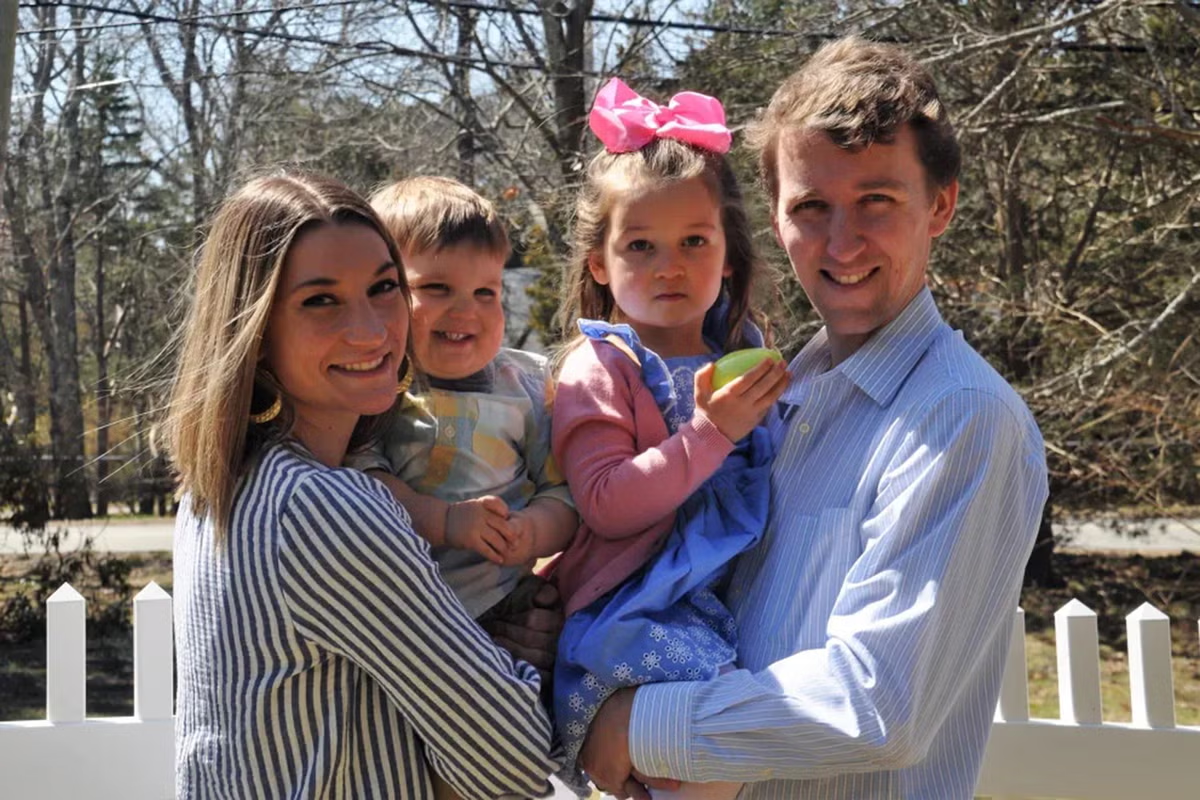
Editor’s Note: This report is about postpartum psychosis and includes references to infanticide and suicide, which might be distressing for some readers. Please take care when reading.Postpartum psychosis is a deadly condition many people won’t have heard of. That is now changing thanks to Lindsay Clancy, the 36-year-old Massachusetts mother currently on trial for murdering her three young children in 2023. The defence team is not disputing that Clancy carried out the killing, but has pleaded not guilty to murder charges, arguing that she was suffering from postpartum psychosis at the time. “My opinion is that Ms Clancy was, due to her mental disease, unable to conform her conduct to the requirements of the law on the day that she took the lives of her children,” forensic psychiatrist Phillip Resnick told jurors last week. Lindsay and Patrick Clancy are pictured with two of their three children (Facebook)“It was a matter where she was just following the command rather than being able to make any decision to do it or not." He added that in his view, Clancy experienced “not only a command hallucination” but also “a delusion of influence”.After strangling her children, Callan, Dawson and Cora, who ranged from eight months to five years old, Clancy jumped from a second-story window and remains paralysed from the waist down.Prosecutors say the former labour and delivery nurse planned the 24 January 2023 killings and contrived to get her husband out of the house by sending him to pick up medicine for one of their children and dinner for the family. They have also questioned the seriousness of her suicide attempt.The prosecution’s forensic psychologist, Kirk Heilbrun, testified that such an isolated hallucination, taking place only in the moment when Clancy killed her children, would be “very, very unusual”. He diagnosed her with bipolar II disorder and argued that she would’ve known her actions were wrong. Both sides have since rested their case, with closing arguments expected later this week. If found guilty, Clancy faces life in prison.The case has put a global spotlight on postpartum psychosis, a condition that affects roughly one to two in 1,000 new mothers. Not to be conflated with postpartum depression, which is more widely understood given its prevalence (impacting one in every seven women), postpartum psychosis is an under-researched, poorly understood condition presenting myriad symptoms such as delusions, hallucinations, and paranoia. It is also why hundreds of women have turned up to support Clancy outside the courthouse last Thursday, many wearing pink. Several of the 300 women, and a few men, said Clancy’s story resonated with them and that they wanted to raise awareness about how the mental healthcare system treats women around the world. “Women are being dismissed, neglected and ignored when we speak up,” said April Vincent, a 52-year-old paralegal from Providence, Rhode Island, to The Independent. “We’re scared because nobody takes us seriously. Nobody wants to hear us, and really we just need to be heard. I’ve been dismissed plenty of times.”Supporters of Lindsay Clancy gather outside Plymouth Superior Court (AP)The condition can present in new mothers with no history of mental illness, in the early postpartum, explains Susan Hatters-Friedman, forensic psychiatry professor at Case Western Reserve University. “It often begins in the first few weeks postpartum, an often stressful time when new mothers are dealing with nighttime feedings, suboptimal sleep, this new role, and a new baby whose every need they must meet. When postpartum psychosis is unidentified and untreated, this increases the risk of both suicide and infanticide.”According to one 2007 study of maternal filicide, psychotic mothers often act suddenly, whereas depressed mothers tended to contemplate killing their children for days or weeks before acting. The former is consistent with an expert understanding of postpartum psychosis. “Women can become unwell within hours,” says Dr Sally Wilson, national training coordinator at the UK charity Action on Postpartum Psychosis (APP). “Someone can go from appearing quite well to needing urgent psychiatric care, which is why this condition is a medical emergency.” Clancy, who was 33 at the time, was not well in the months leading up to the killings. The family lived on Summer Street, a leafy, semi-rural residential road in Duxbury, a picturesque coastal town south of Boston. A former labour-and-delivery nurse at Massachusetts General Hospital, Clancy outwardly presented as a conventional, stable suburban wife and mother, but behind closed doors, she was struggling and experiencing severe mental health difficulties. She had experienced anxiety after having her two oldest children, and a note on her phone read: “I will get through this.. I will overcome postpartum anxiety and depression. I am a great mom. I love my kids.” Four months after giving birth to her third child, Callan, she began seeing a psychiatrist who diagnosed her with generalised anxiety disorder as well as an adjustment disorder with depressed mood; she was prescribed sertraline, an antidepressant. Things steadily got worse. After seeing various doctors, Clancy ran through more than a dozen prescription drugs, admitted herself to A&E, and called a suicide hotline twice, as well as enrolling in an inpatient programme at McLean Hospital. She was discharged after five days with a prescription for the antidepressant amitriptyline, marking the 13th medication she was given within four months. Her defence team has argued that she received insufficient medical care and was given inappropriate medication. If recognised and treated early, usually with lithium and antipsychotics, postpartum psychosis sufferers can make a full recovery.Women around the world, particularly postpartum psychosis survivors, have rallied around Clancy, seeing themselves in her story. “We love and support you, Lindsay,” read one sign outside the Plymouth, Massachusetts courthouse. This support began before the case reached trial, with a GoFundMe page raising more than $1m to help Clancy’s parents, Mike and Paula Musgrove, amid the endless legal costs surrounding their daughter’s trial. “It is truly a witch trial,” says Elizabeth Sankey, whose 2024 documentary, Witches, explored her own experience with severe postpartum anxiety and depression that she believes could’ve escalated to psychosis had she not been treated sooner. “It is devastating for all the women like me who have suffered from illnesses similar to Clancy. To see her being picked apart, people attempting to discredit her, and imply that she planned to kill her three children, is enraging. Especially when those people are medical professionals who claim to be experts in postpartum psychosis.”Clancy pictured at the trial, where closing statements are due this week (Reuters)Shrouded in stigma and accompanied by a paucity of research, postpartum psychosis remains poorly understood. It is not typically a condition doctors tell pregnant women about, nor is it standardised in medical school curricula, and only 6 per cent of expectant parents receive information about postpartum psychosis during antenatal classes, according to a 2021 YouGov survey by APP – hence why many of those women experiencing it might not recognise their symptoms as a medical condition. Still, in the UK, there’s an infanticide act that protects women such as Clancy who kill their children within the first year of their youngest child’s life; the law reduces a murder charge to infanticide. In the US, however, no such law exists. Meanwhile, postpartum psychosis is not recognised as a distinct disorder in the Diagnostic and Statistical Manual of Mental Disorders, published by the American Psychiatric Association. Similarly, America does have the same kind of mother and baby units that provide those in the UK with psychiatric treatment while staying with their children.Originally from Slovakia but now based in Scotland, Ivana Poku, 42, was never diagnosed with postpartum psychosis. It was only after reading about Clancy that she started to think this might’ve been something she experienced following the birth of her twins in 2016. “I can remember feeling this was deep conviction that everyone would have been better off if I wasn’t around,” she recalls of her own symptoms. “The worst was when I had one of the twins, Henry, on my lap. He was happy and smiling, but suddenly it felt like something took over my mind and I felt a strong urge to hurt him. It wasn’t voices; it was more a very strong feeling. It really frightened me, so I strapped Henry into the bouncer, and I locked myself in the bedroom.” A friend found her, and Poku began seeking medical support. Reading about Clancy’s case has been, understandably, deeply distressing. “I felt really angry that this wasn’t something I was told about before,” she says. “I was so ashamed of the thoughts I was having; there was no way I would have told anyone had my friend not found me like that.” Following the trial closely has been difficult and frustrating, particularly in light of some of the prosecution’s arguments: Heilbrun ruled out psychosis in his testimony on the basis that Clancy “only experienced it for the 18 minutes or so that it took to kill the children”.I was so ashamed of the thoughts I was having; there was no way I would have told anyone had my friend not found meIvana Poku, 42This detail in particular angered Poku: “I had those urges only in that one moment, never before and never after. I’m the living proof that he’s wrong.” Poku has written a book about her experience and runs a blog with 12,000 readers a month where she regularly hears from other women who also believe they’ve experienced postpartum psychosis.The tragic Clancy case has also sparked long-awaited conversations that sufferers say are vital to survival and getting more research done into the condition. “It’s been a really tough watch, but this is also an opportunity to make sure we're talking about postpartum psychosis before tragedies like this occur,” says Dr Wilson, 45, who was diagnosed with postpartum psychosis following the birth of her daughter in 2015. “It’s just very scary because you look at it and think, ‘what if?’ and thank goodness that didn't happen to me.”More survivors have started speaking about their experiences online since the Clancy trial began – in July, primary school teacher Kathryn McGarrity, 36, launched an Instagram account (@rediscovering_kath) dedicated to sharing her own story as a way of educating others around postpartum psychosis. “I was really lucky in that my family started recognising something was wrong quite early on,” she recalls, explaining how she experienced intense hallucinations and paranoia following the birth of her son in 2022. Eventually, McGarrity was admitted to Margaret Oates Mother and Baby Unit in Nottingham, which is where she was diagnosed with postpartum psychosis. Like so many others, it wasn’t something she’d ever heard of before.“I think a lot of people can see themselves in Lindsey Clancy’s case in different ways,” she adds. “And while I don’t think we’ll ever fully understand what was going on for her, you can see the pain in her case. It’s just so important for people to speak more openly about mental health in motherhood, because I think people are so scared to say they’re struggling.”Clancy is being detained at Tewksbury Hospital, where she “talks frequently about her children”, as the prison chaplain testified. “She loves them deeply. She carries immense grief.” Her husband, Patrick Clancy, who worked in sales at Microsoft, is now divorced from Lindsay and remarried, but has asked people to “find it deep within yourselves to forgive [her], as I have”.While the world awaits the outcome of Clancy’s trial, the hope is that beyond the painful events of this tragic case, the lasting impact will inspire others to learn more about postpartum psychosis and put pressure on medical bodies to prioritise research into the area, which will ultimately save lives.“It never had to be like this,” adds Sankey. “These illnesses can be treated very successfully, but the shame and the guilt mean there is often deep reticence to talk about symptoms. So yes, it is good that people are rallying around Lindsay, but there is no upside to this case; there is just fury, devastation and sadness.”For postpartum psychosis information and support, visit app-network.org. For urgent care, contact your GP, midwife, mental health crisis service, or NHS 111. If postpartum psychosis is suspected, same-day admission to a specialist Mother & Baby Psychiatric Unit should be arranged. If you are concerned about imminent risk to life, call 999. If you are struggling with suicidal thoughts and need to talk to someone urgently, contact Samaritans 24/7 on 116 123
Lindsay Clancy killed her three children, so why are so many showing her compassion?
As the trial of a mother who killed her three children comes to a close this week, Olivia Petter examines why it has inspired support from women around the world and what it reveals about society’s view of motherhood and mental illness
2,062 words~9 min read