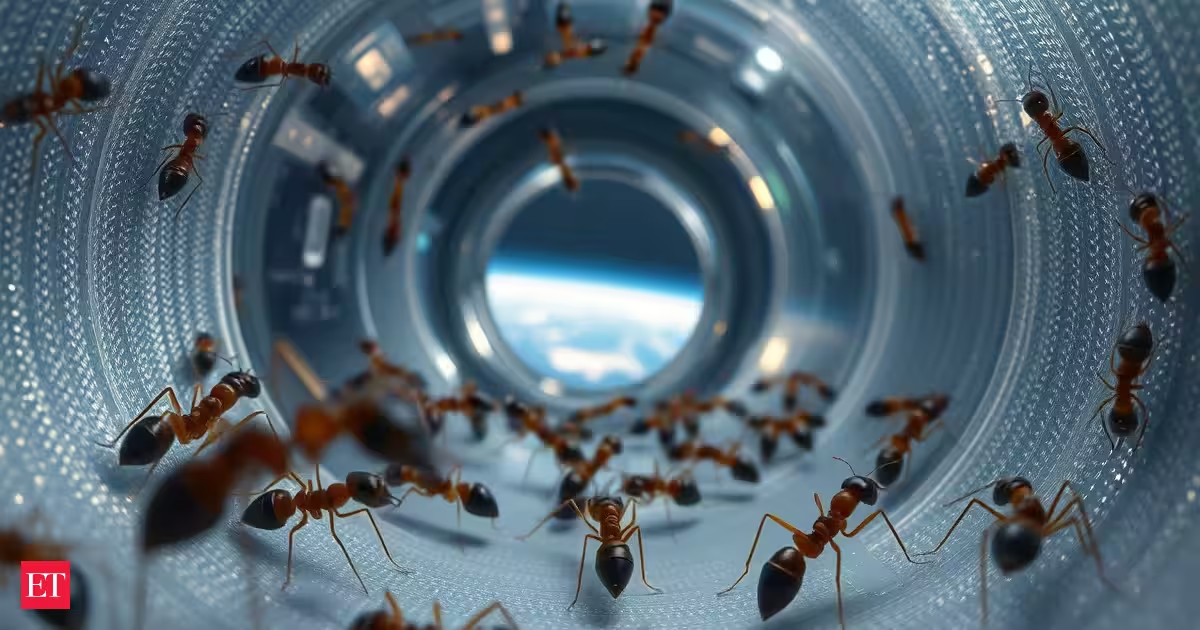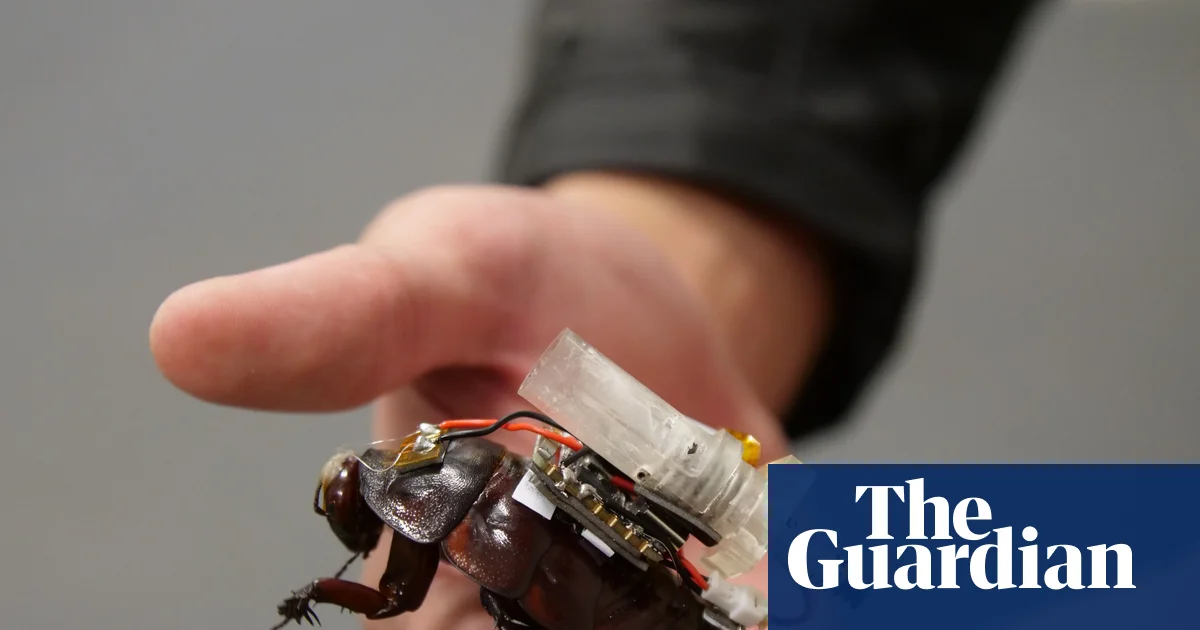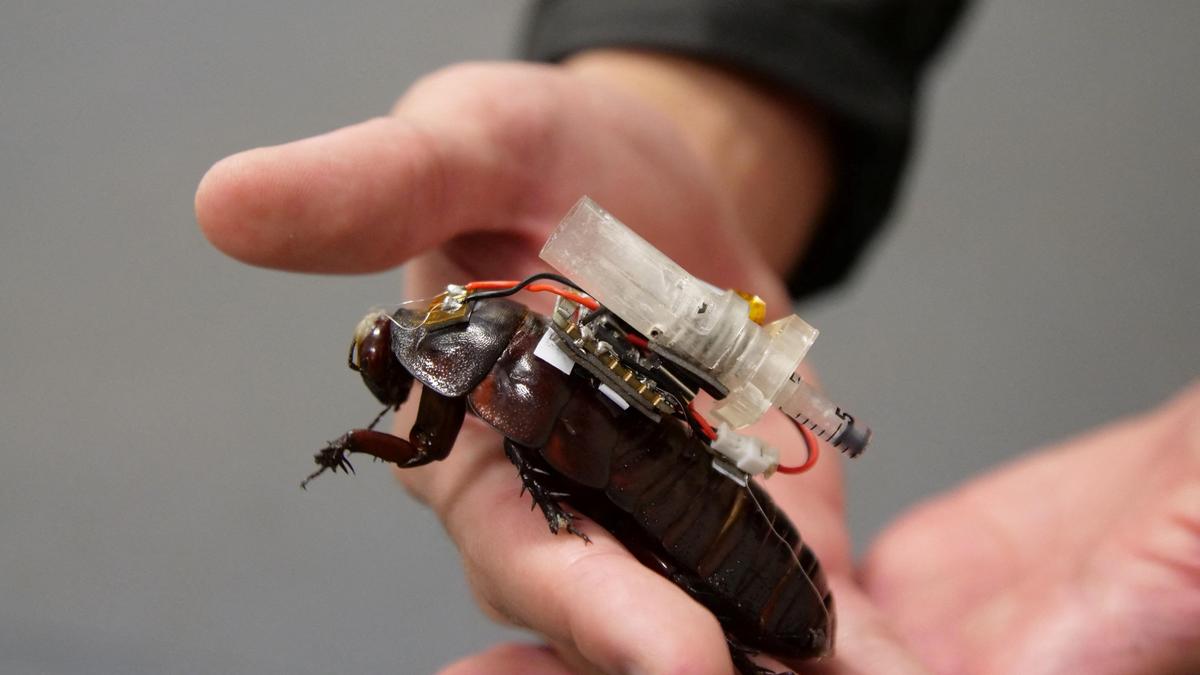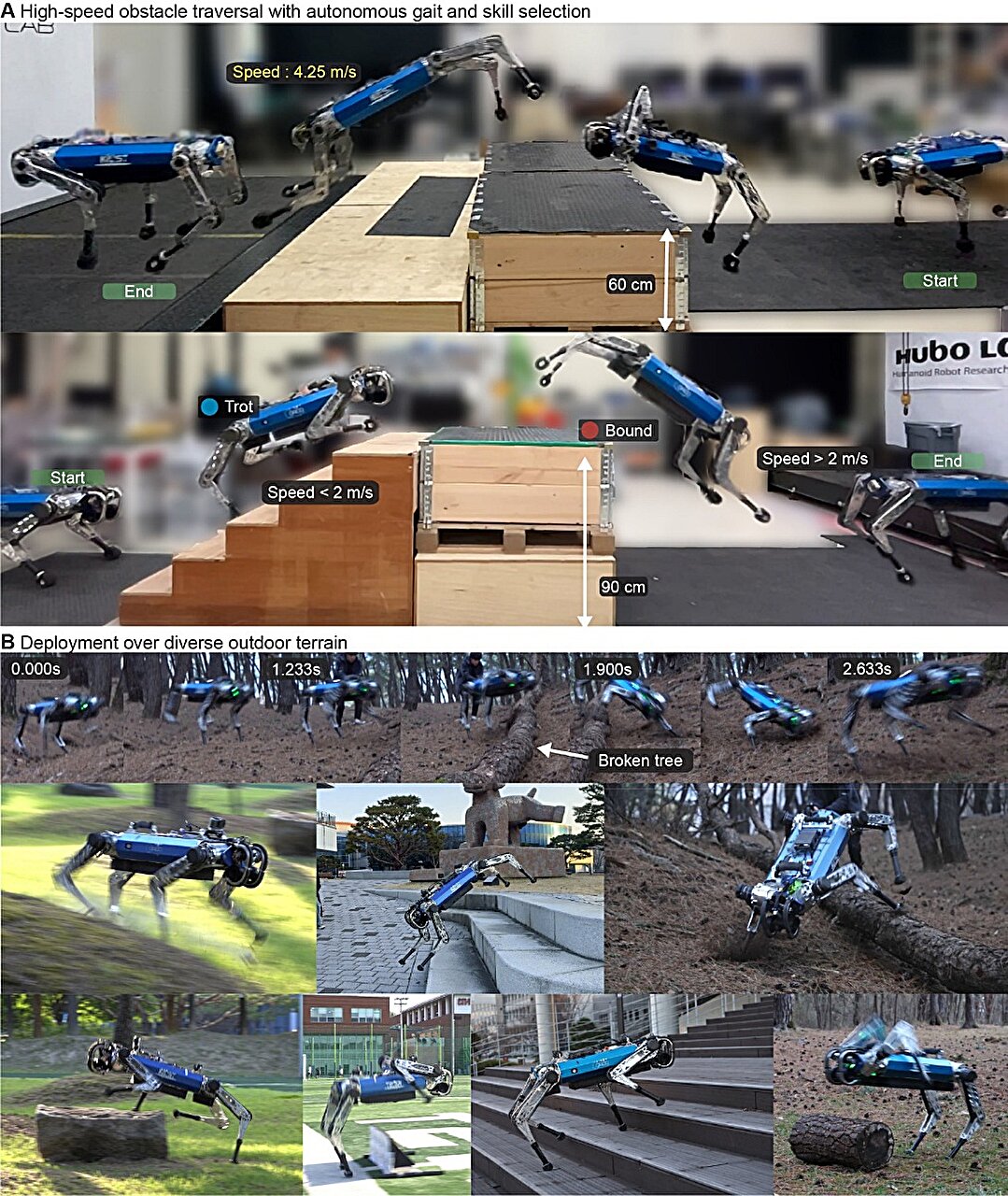
Do you ever see an ant skittering across your kitchen counter and wonder how this little bug overcame all the obstacles in your home just to get there? Insects use their tiny nervous systems to walk with surprising dexterity—a skill that could be transferred to robots looking to do more productive things than just find breadcrumbs in your kitchen.
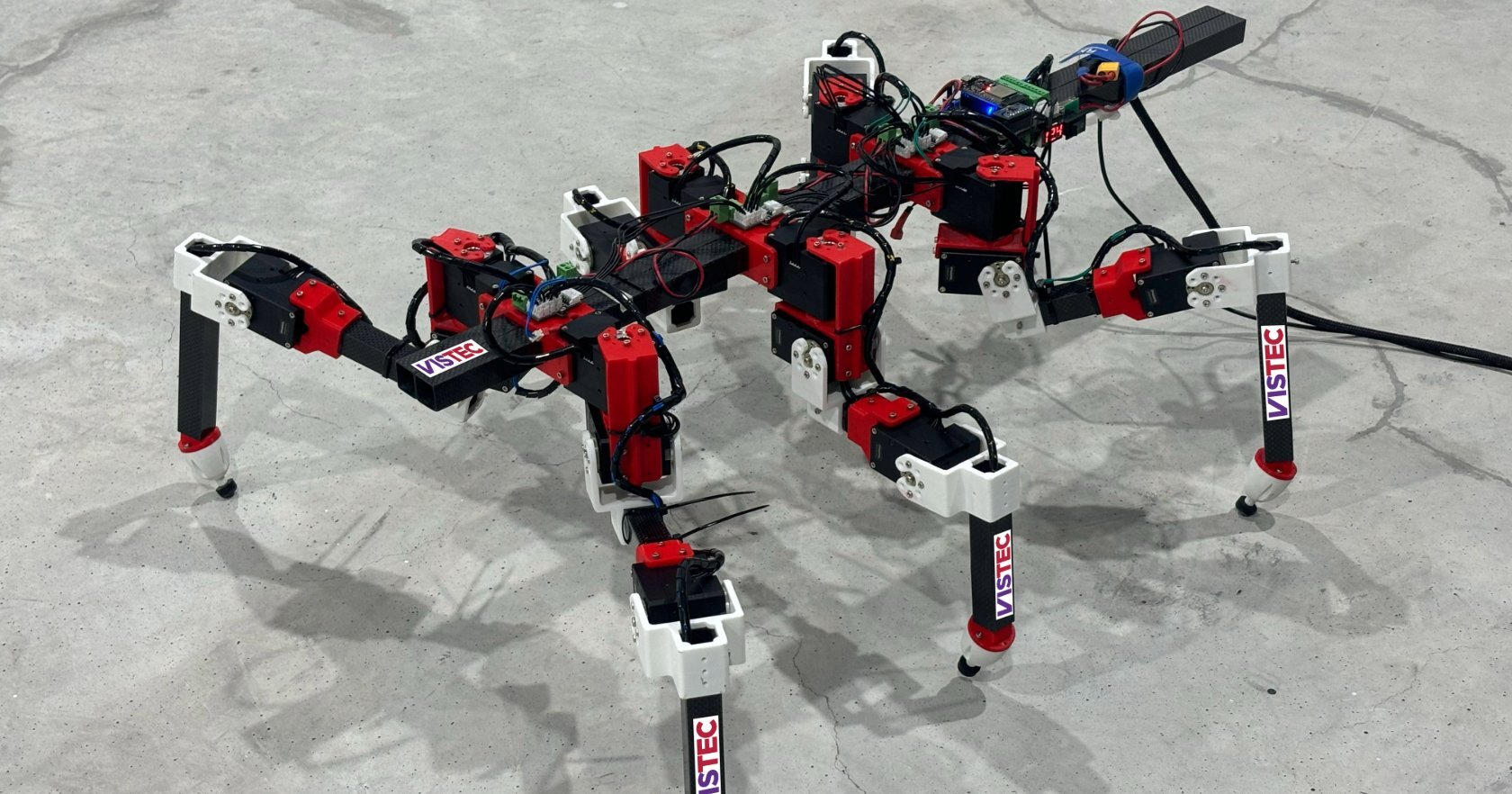
An international team of researchers led by Tohoku University in Japan and the Vidyasirimedhi Institute of Science and Technology (VISTEC) in Thailand trained AI on the walking cycle of a stick insect to find the best strategy for walking on different surfaces. This was then successfully implemented in a six-legged robot that learned to walk in just an hour.
In addition, the robot was able to navigate uneven terrain and adapt to a missing limb. At treacherous disaster sites where wheeled robots are unable to enter, these adaptive six-legged robots could be genuine lifesavers.
The paper is published in the journal Bioinspiration & Biomimetics.
Stick insects, named for their uncanny resemblance to small sticks, are a classic model for walking research. The team used an open data source containing just three or four steps of the insect. From those data, AI worked out two things at the same time. First, what the insect seems to be aiming for when it walks (called the "reward"). Second, how the legs should move to achieve it.