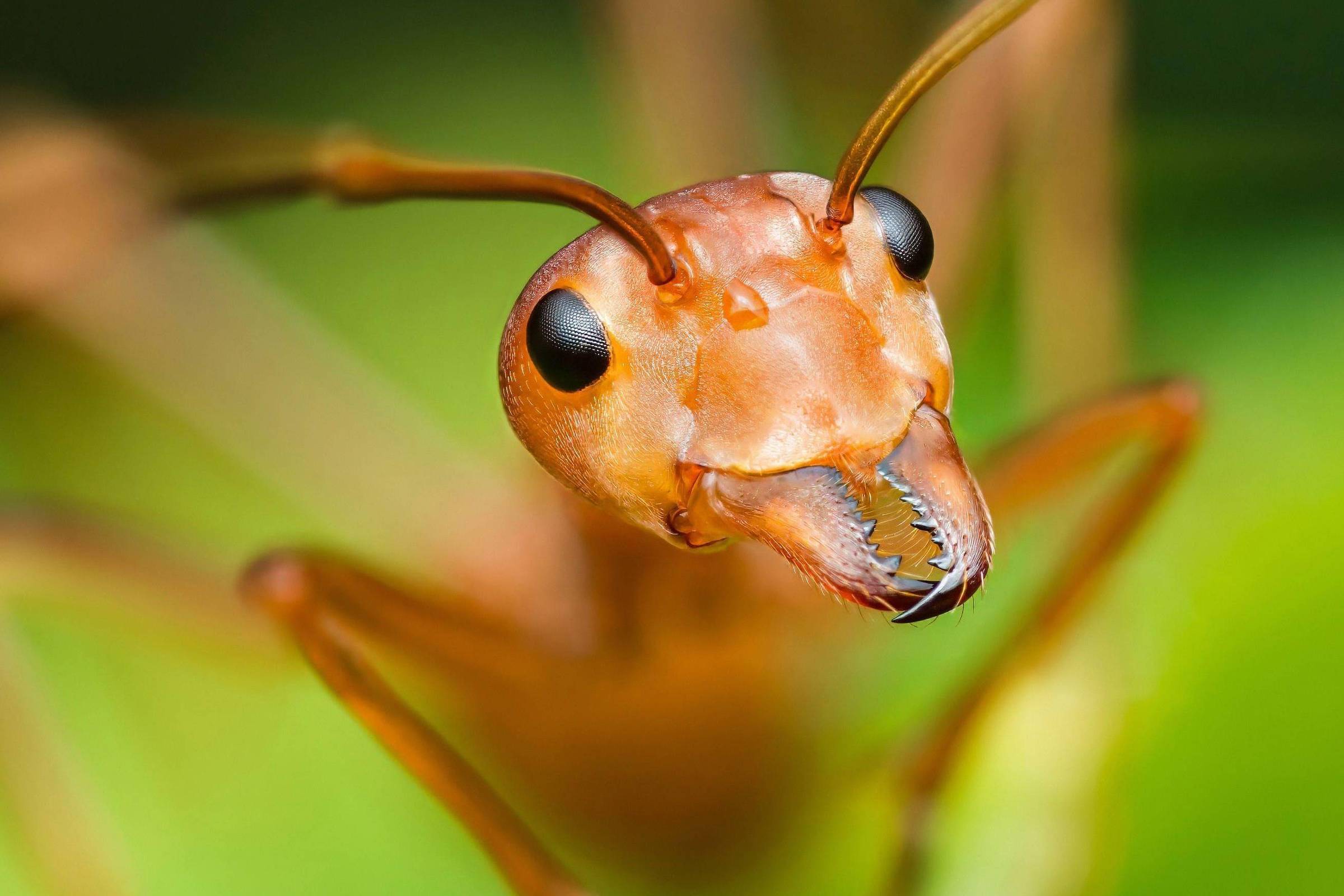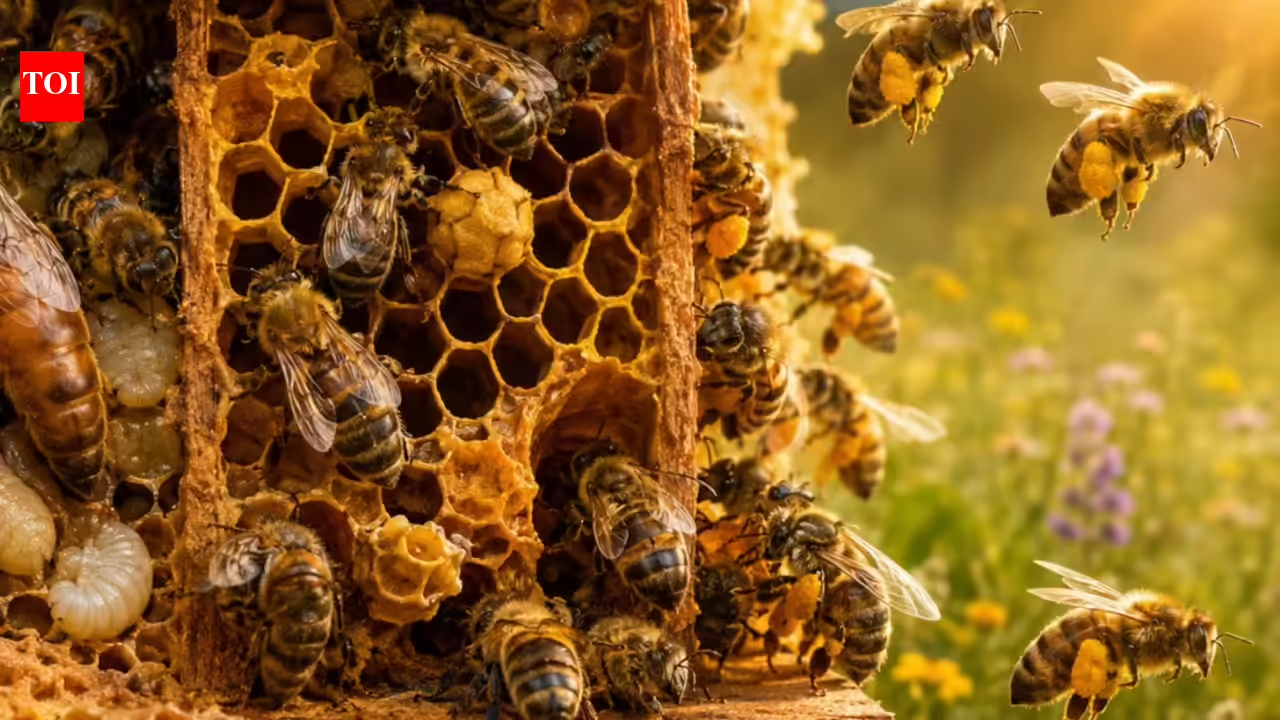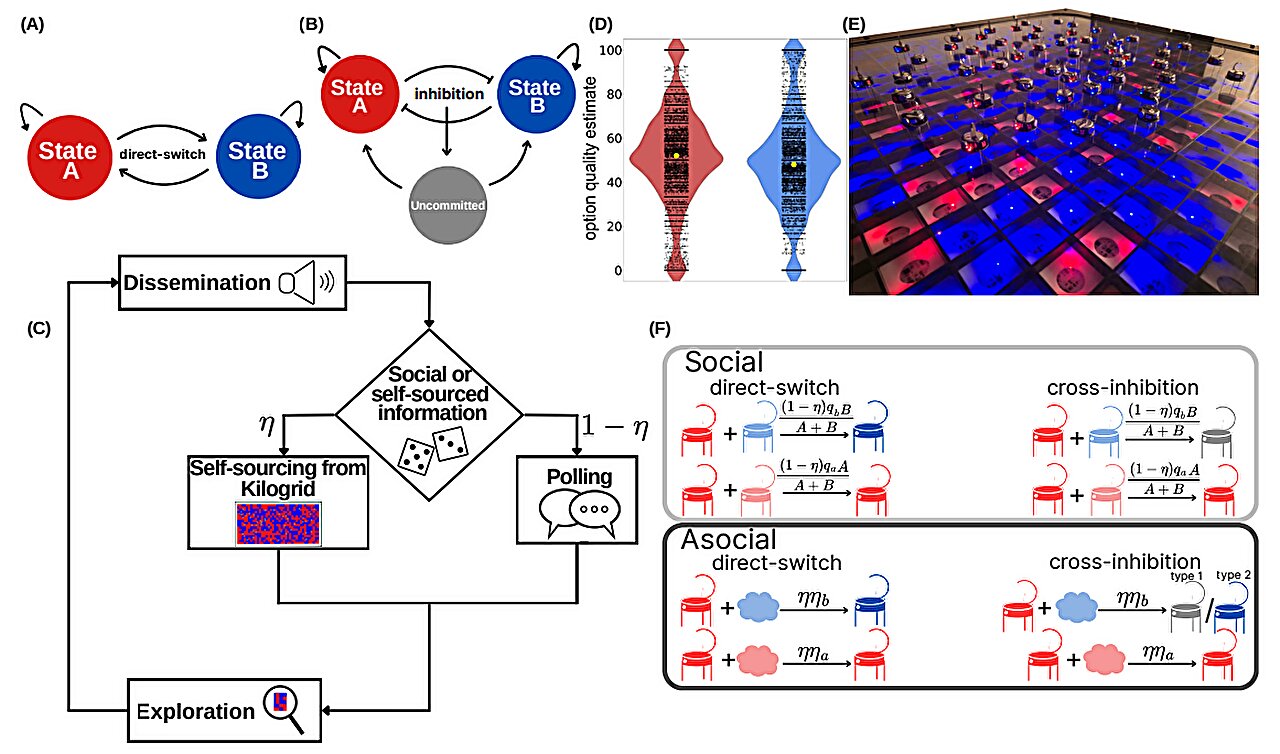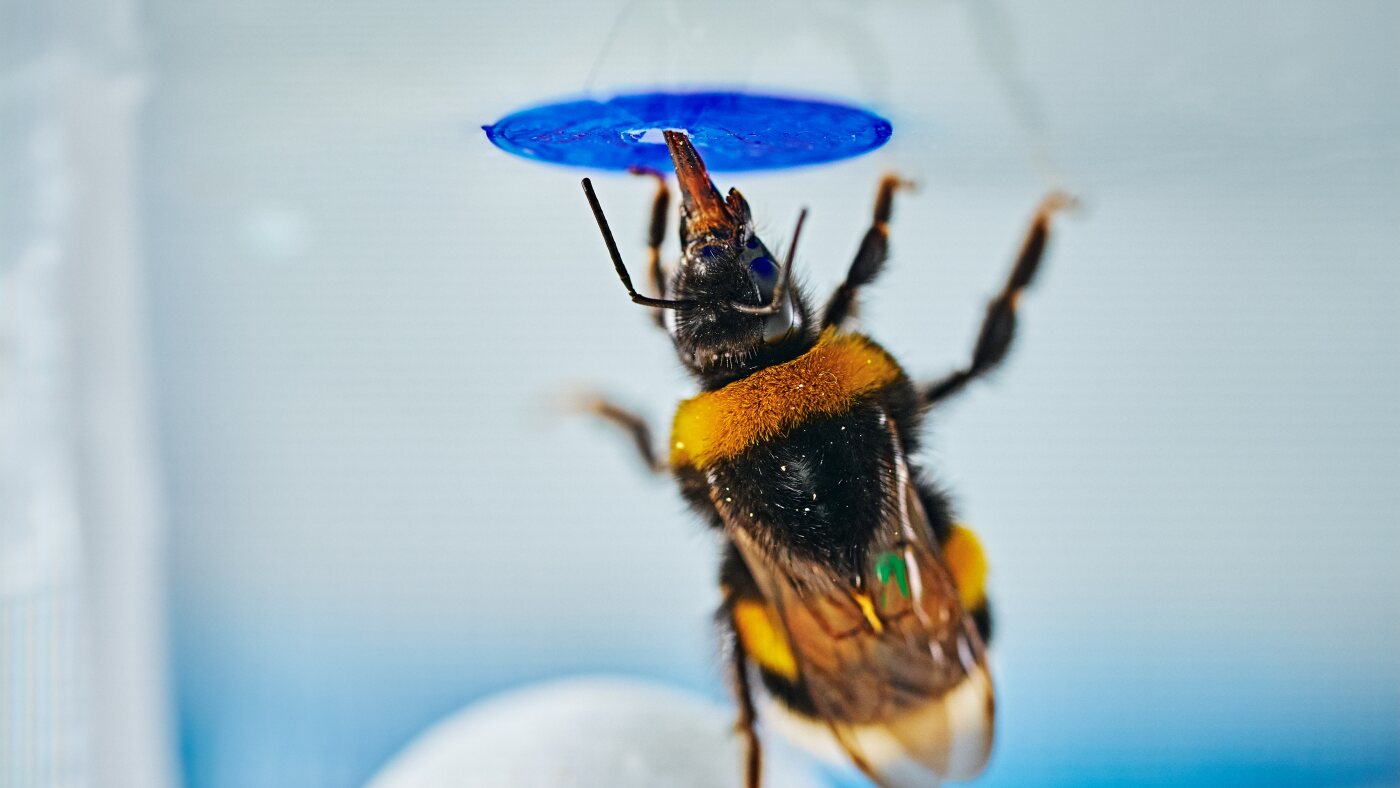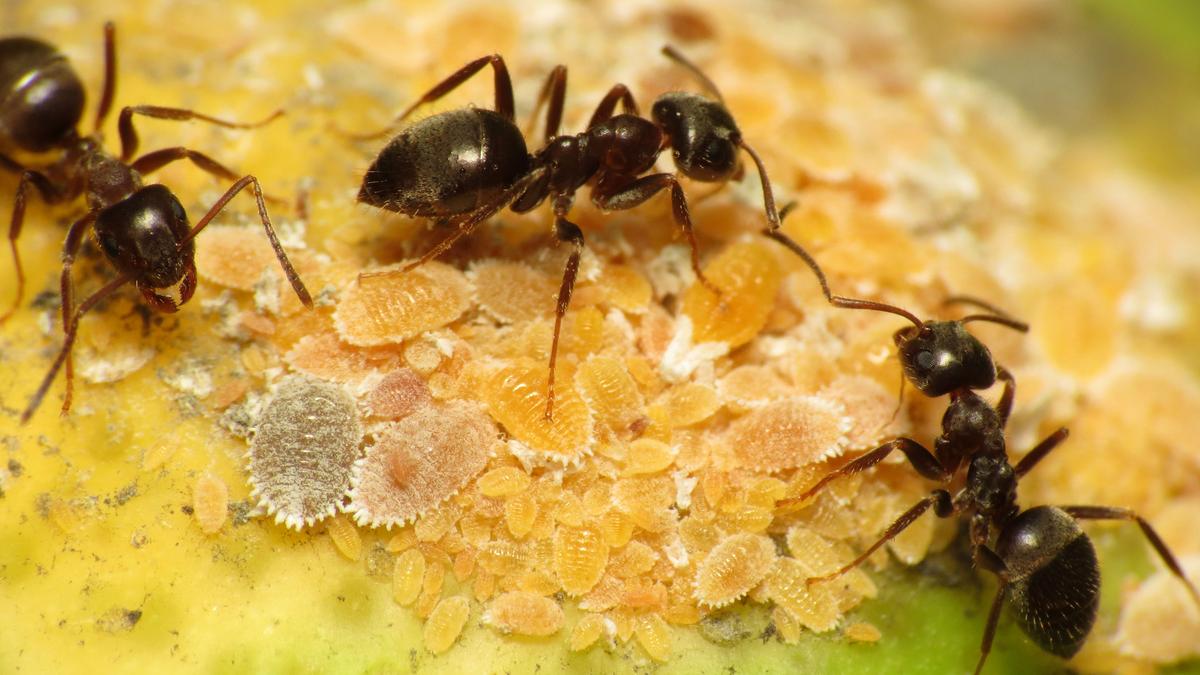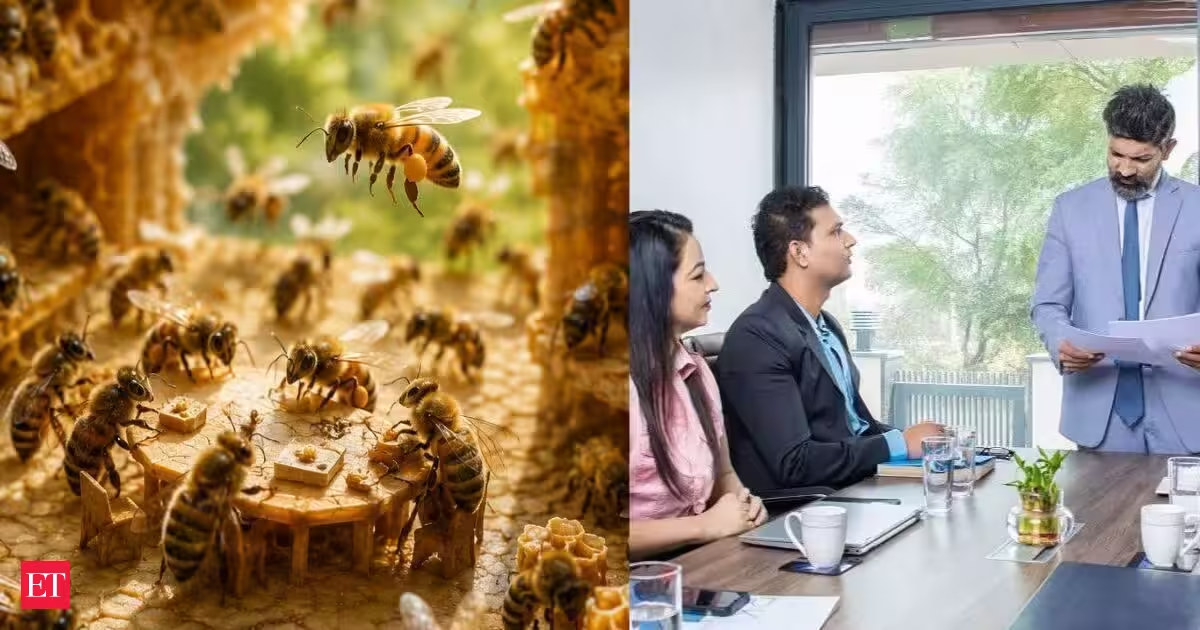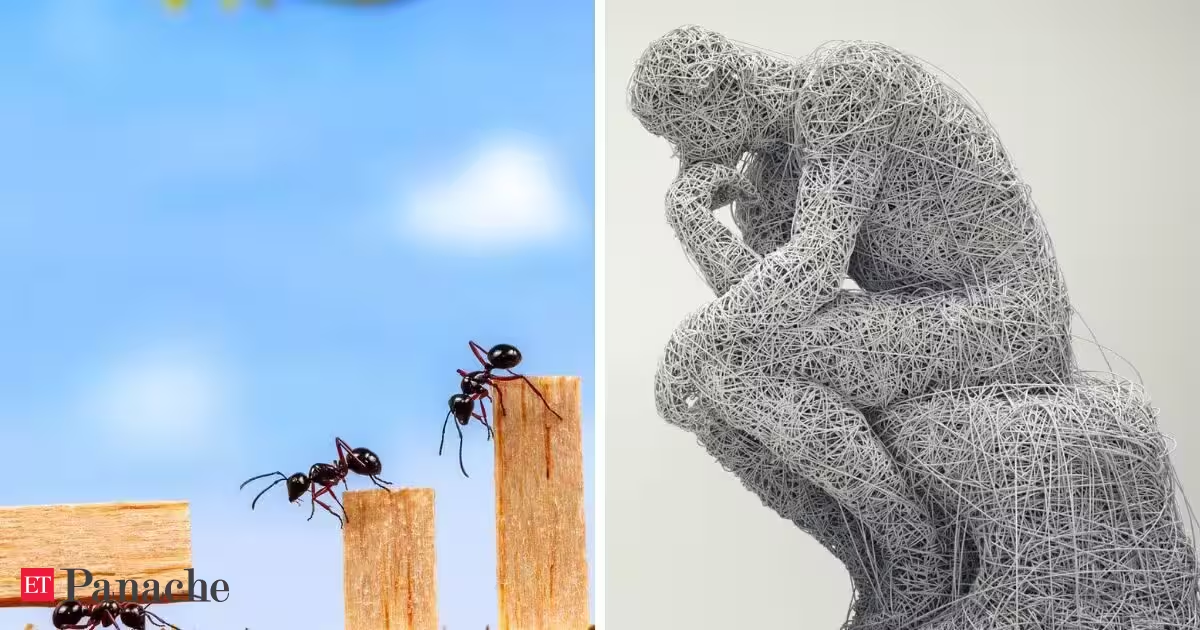
Human ego often takes center stage, assuming that complex brainpower guarantees superior problem-solving. Yet, overthinking regularly leads to decision fatigue, flawed logic, and analysis paralysis. Nature operates differently. Tiny insects—armed with minuscule neural networks—consistently navigate complex choices with astounding precision. From routing supply chains to resolving group deadlocks, miniature organisms have mastered the art of practical, friction-free choices. By studying the biological shortcuts of bugs, we can unlock smarter, highly efficient strategies for our daily work and personal decisions.Ants - Embrace decentralized foraging tricksAnt colonies conquer choice overload by sending scouts out in random directions, leaving faint trails behind. As efficient paths yield quicker returns, those routes accumulate stronger pheromones, naturally phasing out longer options. This self-organizing process proves that optimal choices don't require micro-management. By allowing decentralized exploration and reinforcing what works fast, teams can naturally discover the most efficient workflows without central control.Honeybees - Dance toward democratic quorumsWhen selecting a new home, honeybee scouts perform dynamic waggle dances to pitch candidate sites. The longer and more intense the dance, the better the location. Other bees inspect the site and vote with their own movements. Once a critical mass supports one option, the swarm acts. This transparent, enthusiasm-driven consensus building demonstrates how decentralized feedback leads to optimal, fully backed group decisions.Locusts - Leverage strategic neutrality to break stagnationBinary debates often lock groups into stubborn standoffs. Marching locusts break directional deadlocks whenever individual insects pause and briefly become neutral. Shrinking the pool of active voters amplifies the impact of small, constructive shifts. When a team hits an ideological wall, encouraging members to step back into neutral ground creates the necessary space to reassess and reach a rapid, clean consensus.Cockroaches - Balance diversity to accelerate collective actionCockroach colonies rely on a mix of bold explorers and cautious hiders to select optimal shelters. Simulations reveal that uniform groups struggle: all-bold groups over-explore without settling, while all-timid groups settle too quickly in poor locations. A rich blend of personalities drives richer social interactions, speeding up effective collective choices. Diverse behavioral traits are essential for high-performing groups.Flies - Integrate perception with contextual awarenessFruit flies weigh internal needs against external stimuli, pausing longer when options are closely matched. They willingly tolerate unpleasant tastes for high nutritional rewards, yet recalibrate their risk tolerance when stressed. Flies teach us to balance deep-seated instincts with real-time reality checks. Recognizing how internal stress or bias shapes our perspective allows us to make balanced, well-reasoned choices.
Ants know how to find the best path forward: What bees, flies and cockroaches teach us about better decisions
Small insects teach us significant lessons about decision-making among humans. Ants exhibit decentralized foraging which leads to the discovery of efficient workflows organically. Honeybees showcase the power of democratic group dynamics through their enthusiastic feedback processes. Locusts use strategic neutrality to overcome stagnation within groups. Meanwhile, the diverse characteristics of cockroaches enhance collective actions, ultimately improving decision-making.
406 words~2 min read