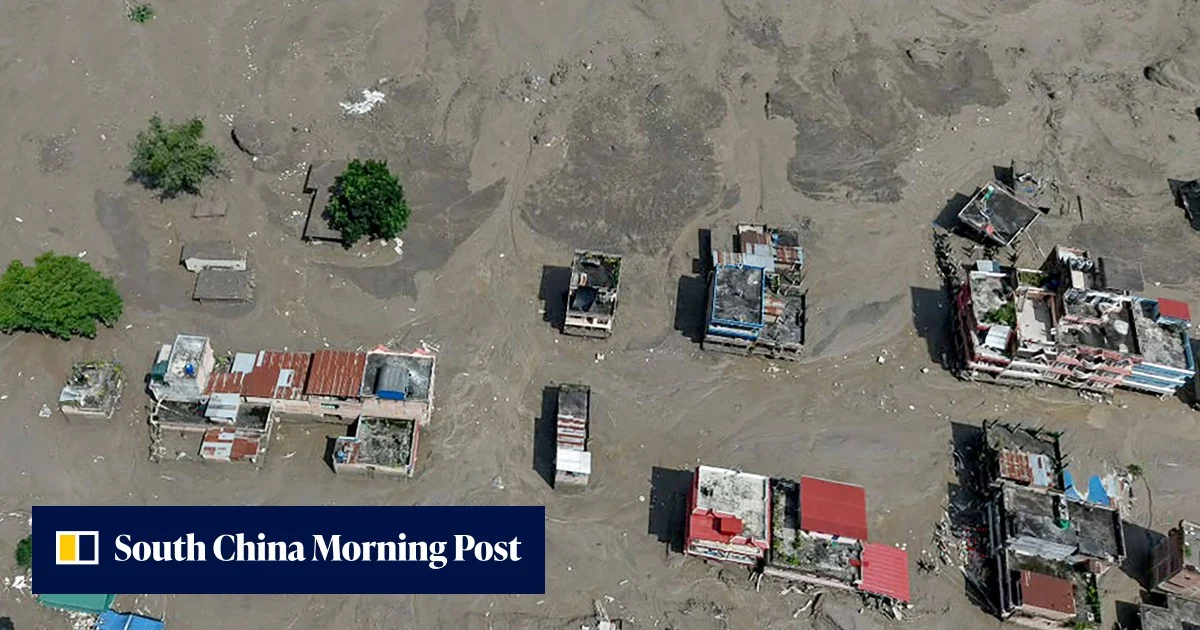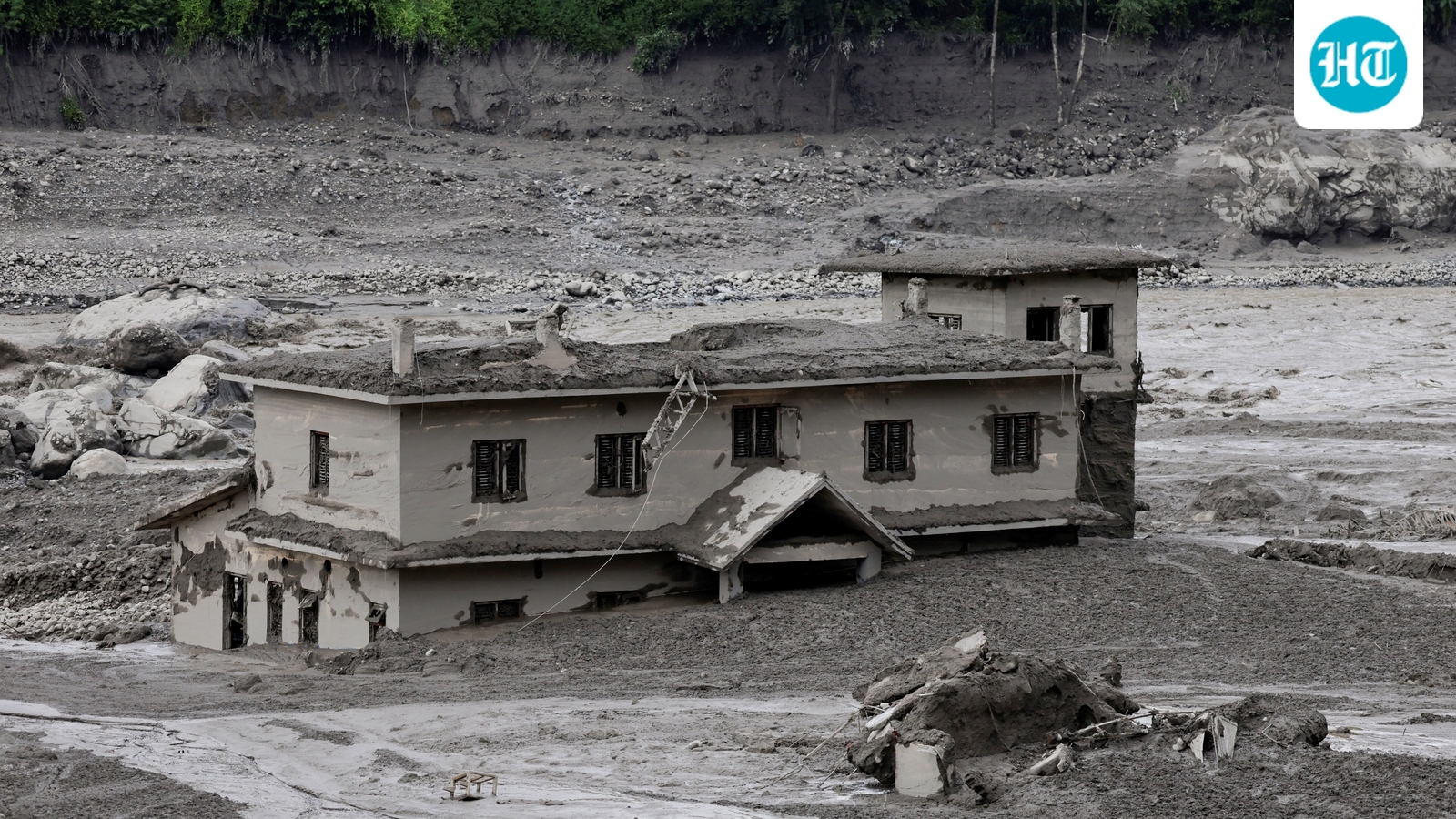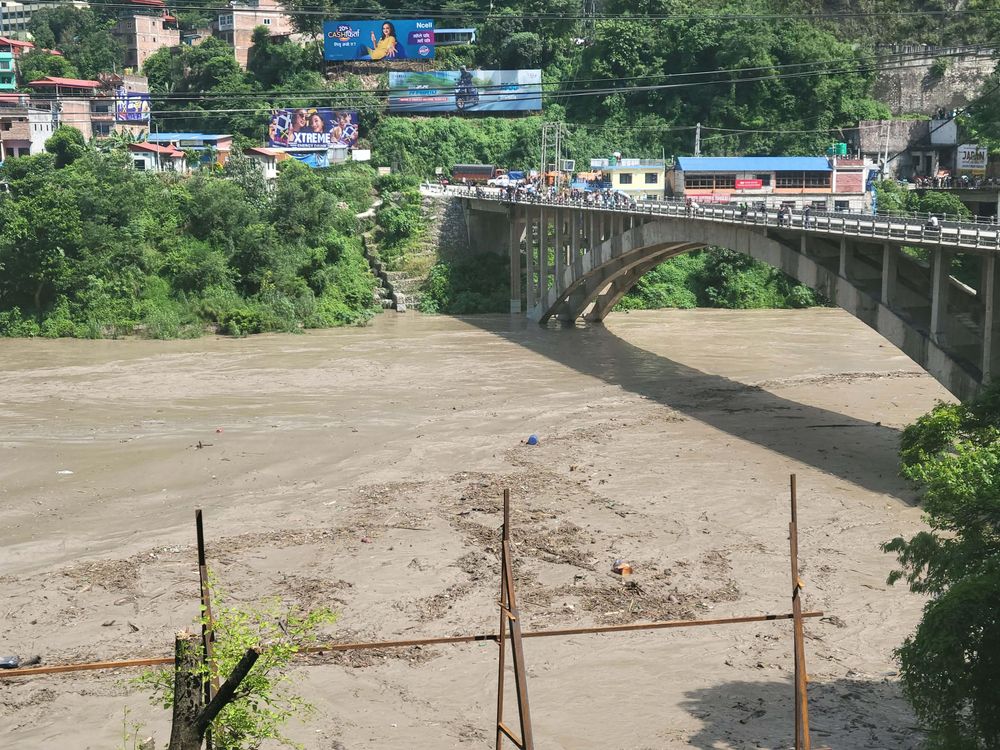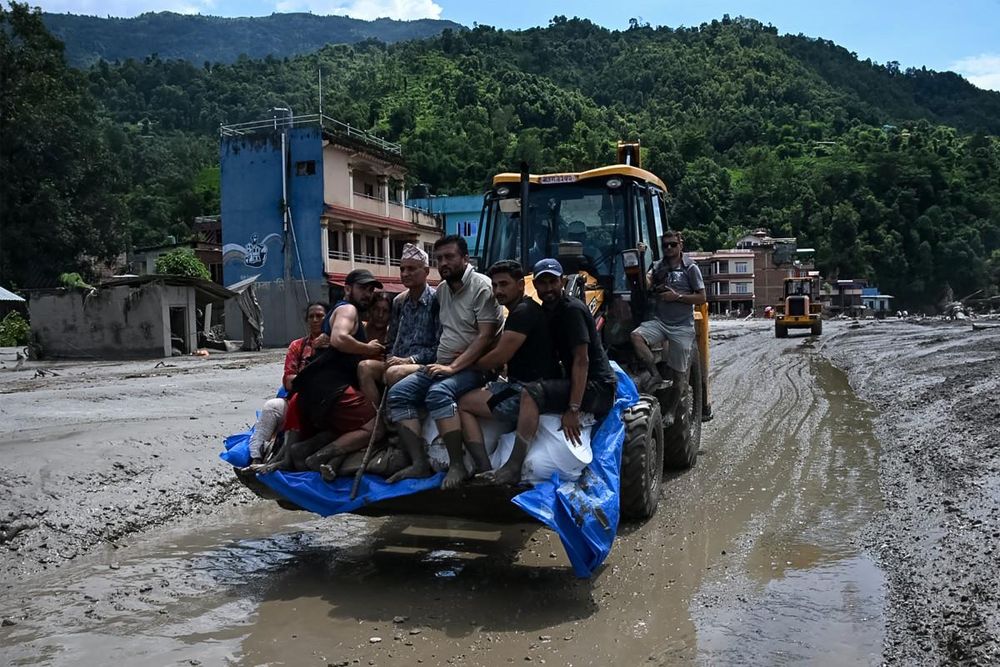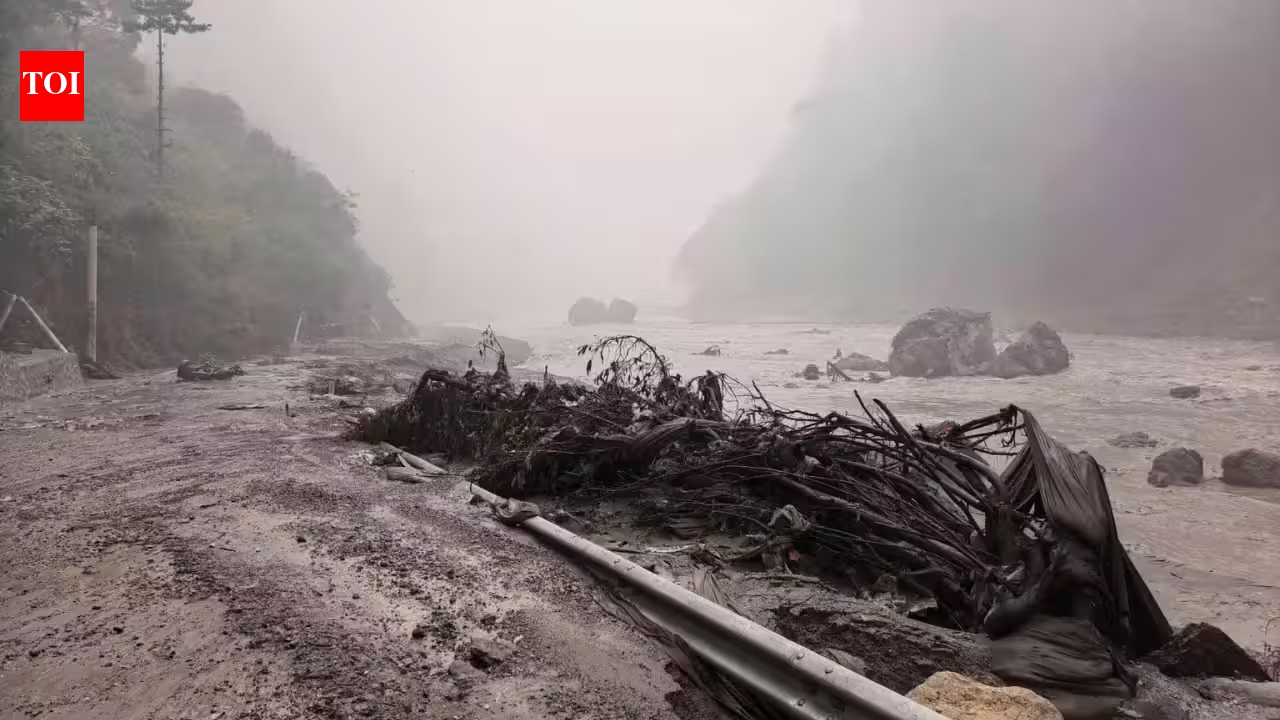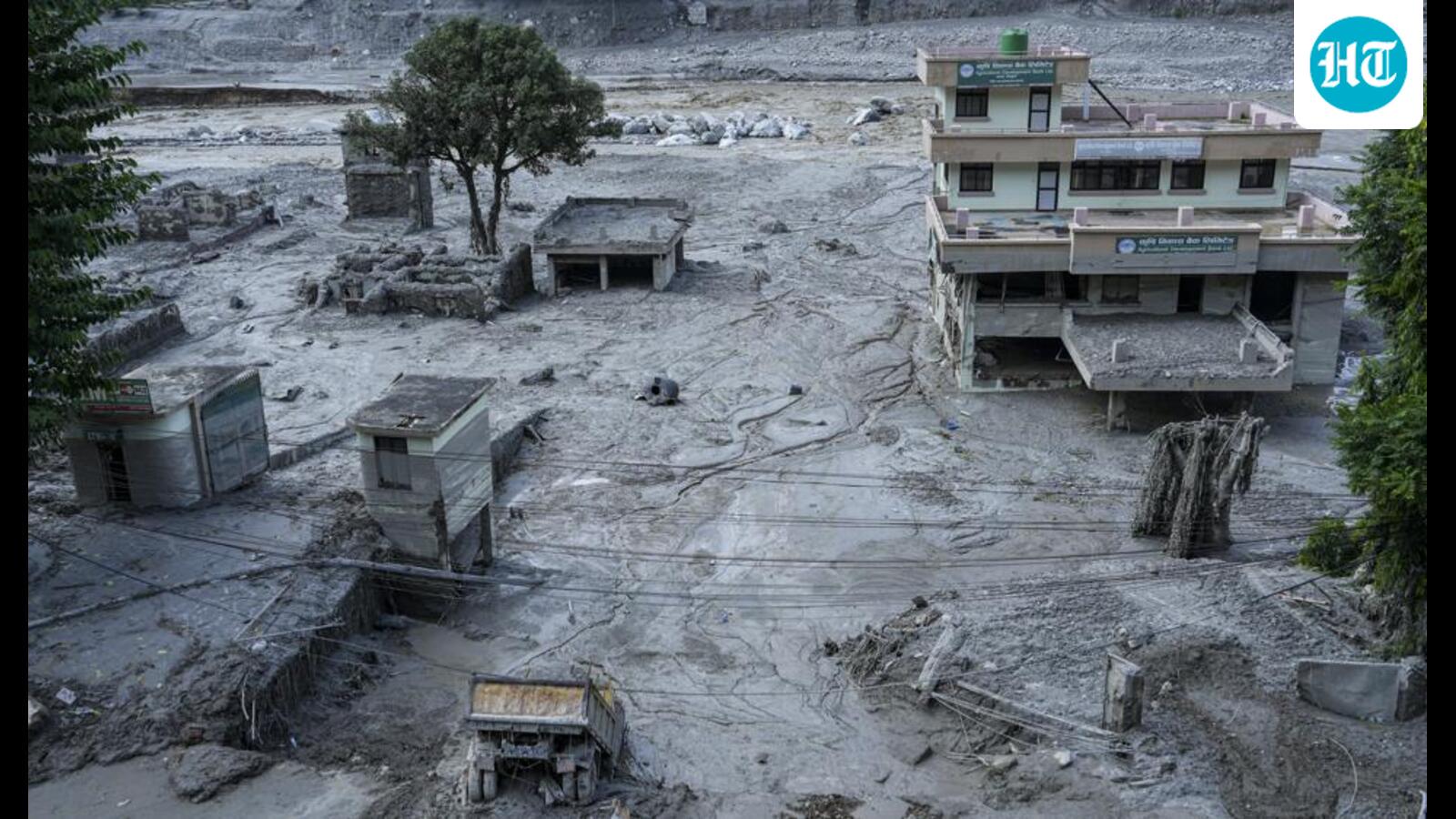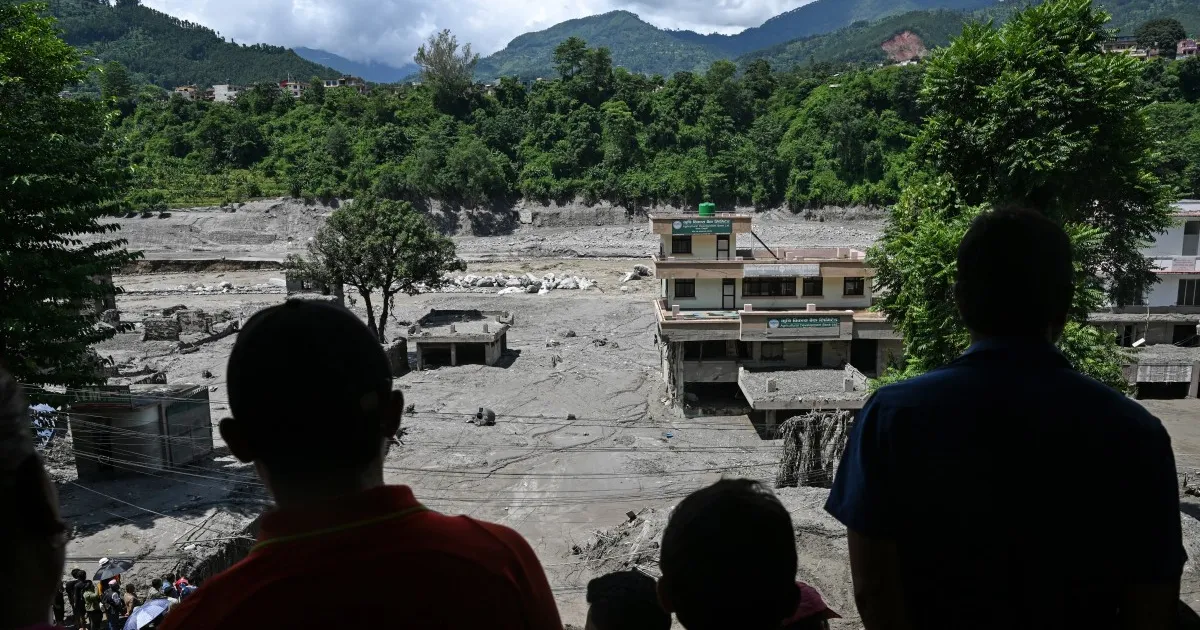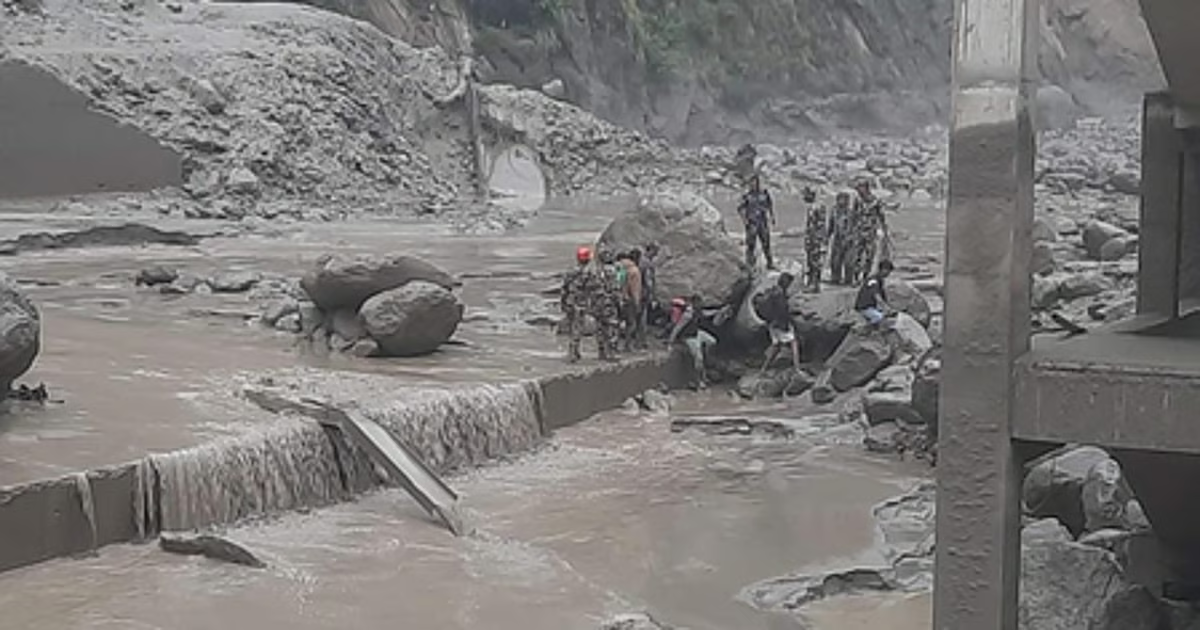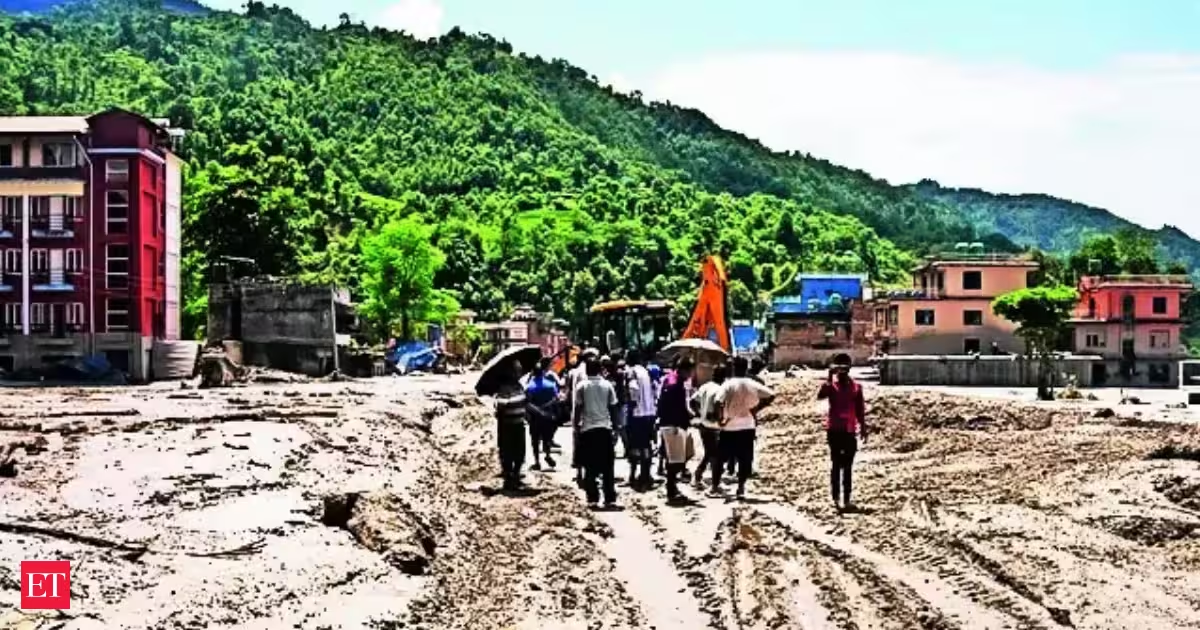
New Delhi: Amid the latest GLOF-linked flash flood tragedy in Nepal, the spotlight is now on the impact of hectic construction activity along the China-Nepal highway in the extremely fragile Himalayan region, particularly the Bhote Koshi/Poiqu watershed region, which has faced devastation this week - with Gyoring land port in China and Nepal's Rasuwagadhi dry port on the opposite end nearly washed out besides the critical Miteri border bridge.For several years, a series of construction works, repairs, road widening and feasibility studies for expansion were underway across the two strategic highways linking Nepal and China. There are two key highway corridors passing through the transboundary basins of Gyirong-Trishuli and Poiqu-Bhote Koshi that are crucial to trade and tourism, and are also sites of frequent construction.First started in the 1960s, the 800-km Araniko Highway, part of the Friendship Highway that links Lhasa to Kathmandu, has been a hotspot for transboundary glacial bursts and landslides for years, as it criss-crosses numerous stretches of perennially frozen ground and is said to have over 40 glacial lakes sitting above it. It further intersects the Main Central Thrust fault zone, making it hugely vulnerable to seismic activity.Also read: Nepal flash floods: 21 Tamil Nadu residents on Kailash Mansarovar Yatra rescued in Nepal, says MEAET BureauInfographic image.The second corridor - the Rasuwa-Keyrung highway, which connects Kathmandu to Nuwakot and Rasuwa districts and runs along the Bhote Koshi river - has been directly impacted by the August 26 catastrophe, with vast tracts wiped out by the flash flood. While this was developed as an alternative corridor to the Araniko Highway, it is prefaced by vast supraglacial fields in Gyirong, making it highly vulnerable to avalanches down to the Rasuwagadhi dry port. The latter, which is over 60% complete, was heavily breached on August 26.Several studies have pointed to the ecological impact of heavy construction in this fragile Himalayan region.A 2024 study stated that "construction and operation of the China-Nepal highway have led to a range of ecological issues along its route, including reduced environmental quality, ecosystem degradation and exacerbated soil erosion, posing a significant threat to the ecological security of the Qinghai-Tibet Plateau".The study found that construction of the highway was largely on the floodplain and first terrace of the Yarlung Zangbo river in the Lhasa to Qushui section and had led to "significant degradation in vegetation coverage", culminating in the "emergence of extensive sandy land".In the segment covering Nyemo and Namling counties, the highway is constructed along the second terrace of the Yarlung Zangbo river gorge, which often sees debris flows in summer. In the segment falling within the extremely high mountainous Tingri county extending into Gyirong county, "slope cutting and material stacking caused by construction of the highway destructed the land surfaces" and also "exacerbated the problems of desertification", it added.Also read: Delhi-Kathmandu bus service suspended for two days after Nepal flash floodsA separate joint study in 2024 by scholars from China and Nepal listed nearly 2,688 glacial lakes around China-Nepal transportation corridors. It said that increasing concerns about GLOFs are mainly driven by two factors: One, the future evolution of glacial lakes as a result of glacial retreat and climate change would increase the frequency and intensity of GLOFs; and two, regional exposure to GLOFs is increasing with a boom in infrastructure and hydropower development in the Himalayas.Another June 2024 study published by scholars from China and Nepal in ScienceDirect noted that "the construction of China-Nepal highway along the rivers has led to the rapid development of settlements, particularly in the Trishuli basin during recent years, consequently increasing their exposure to transboundary GLOF".
Glare on construction activity across China-Nepal highway
Recent GLOF floods in Nepal highlight construction impacts on fragile Himalayan regions. Hectic building along China-Nepal highways has increased ecological degradation and soil erosion. Studies show construction has led to significant vegetation loss and desertification in vulnerable areas. Nearly 2,688 glacial lakes exist near China-Nepal transport corridors, increasing GLOF concerns.
599 words~3 min read