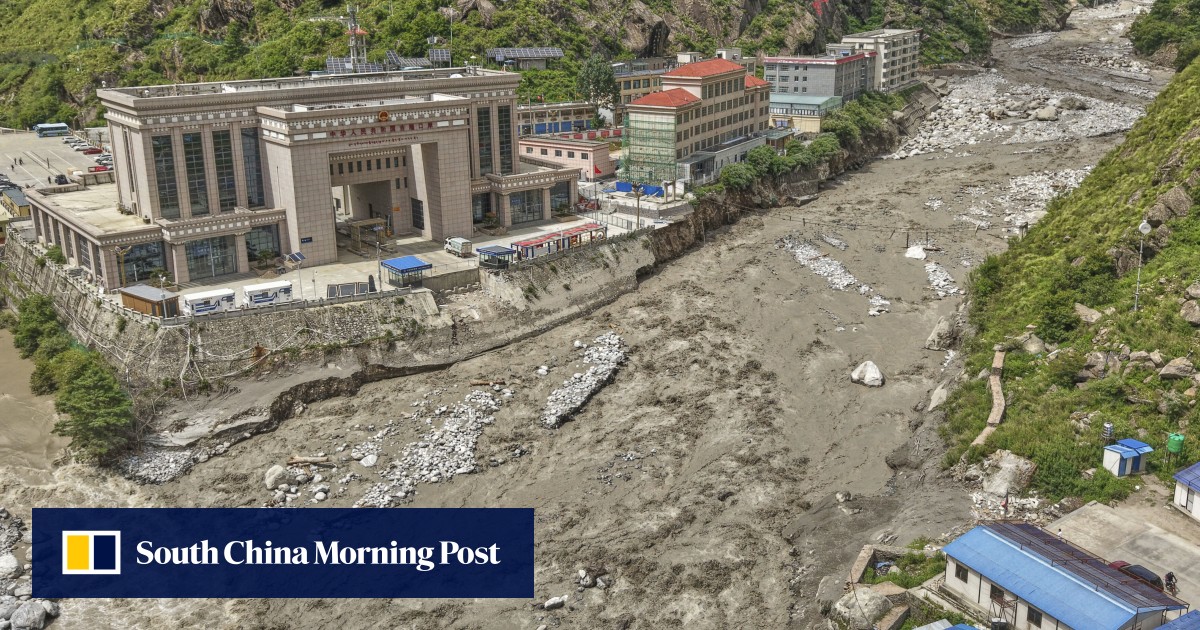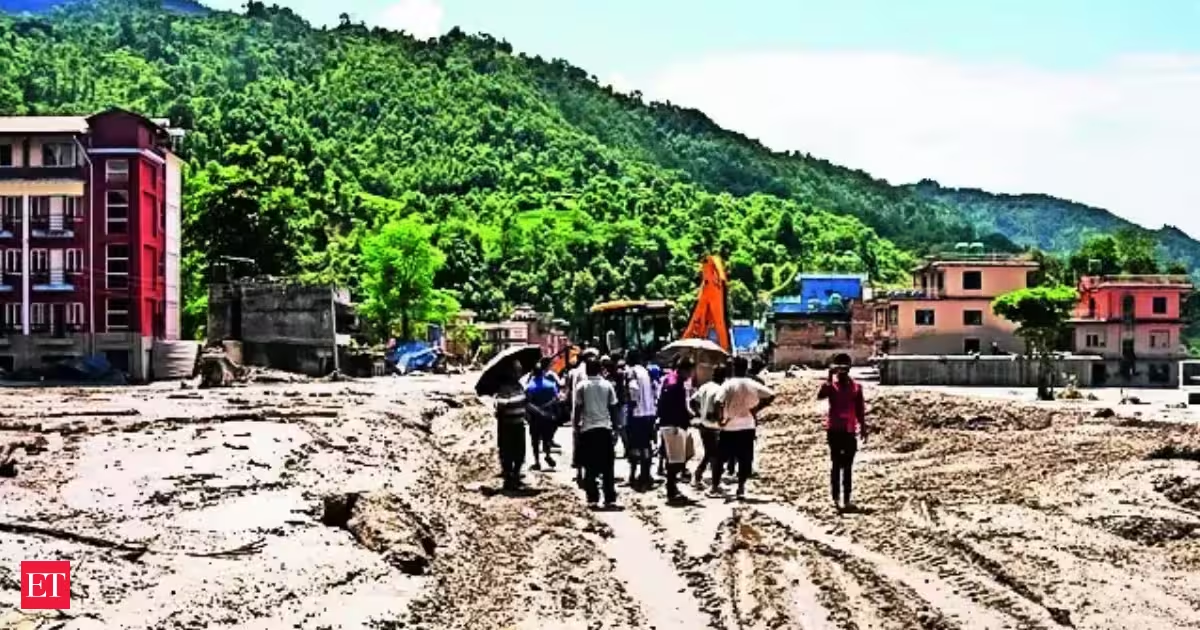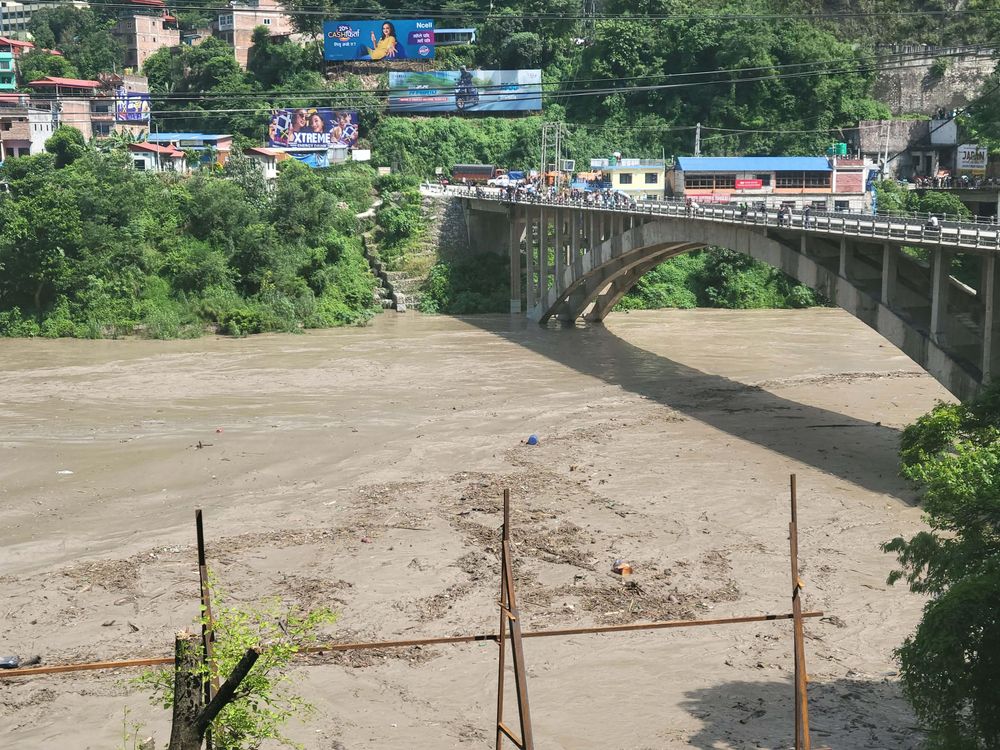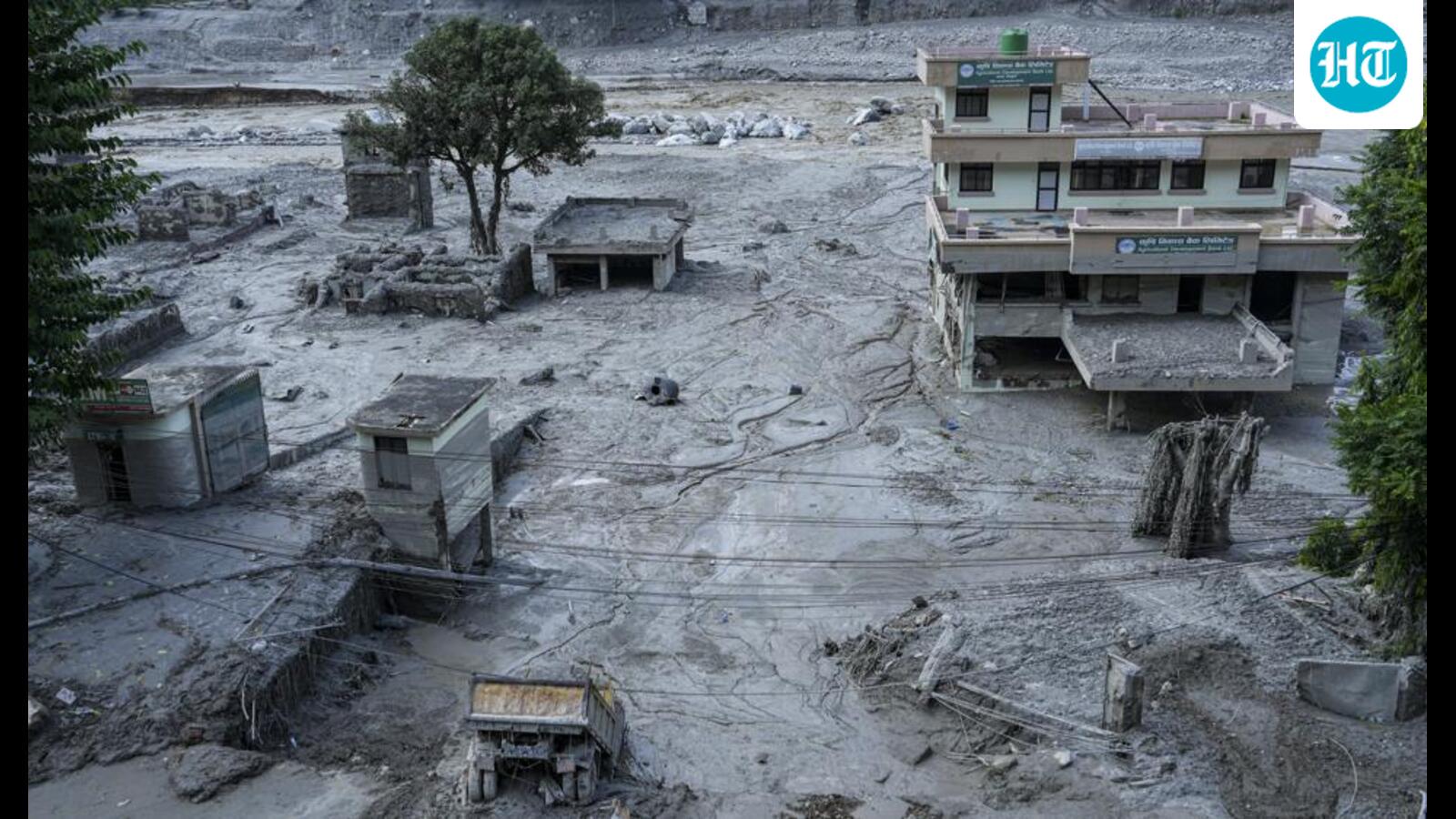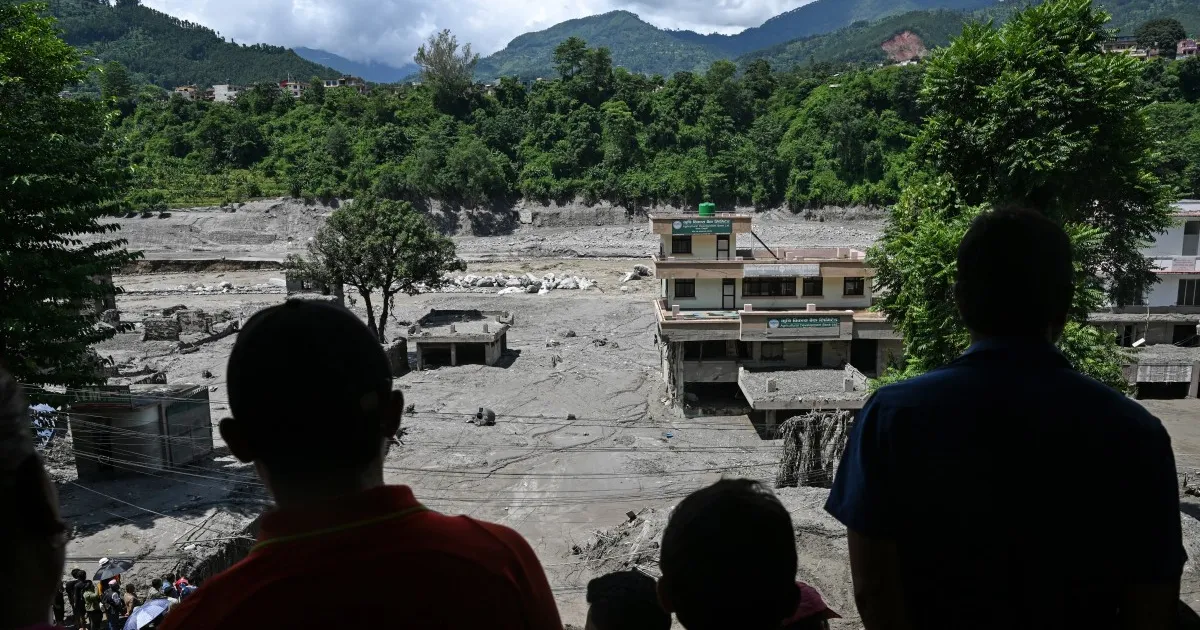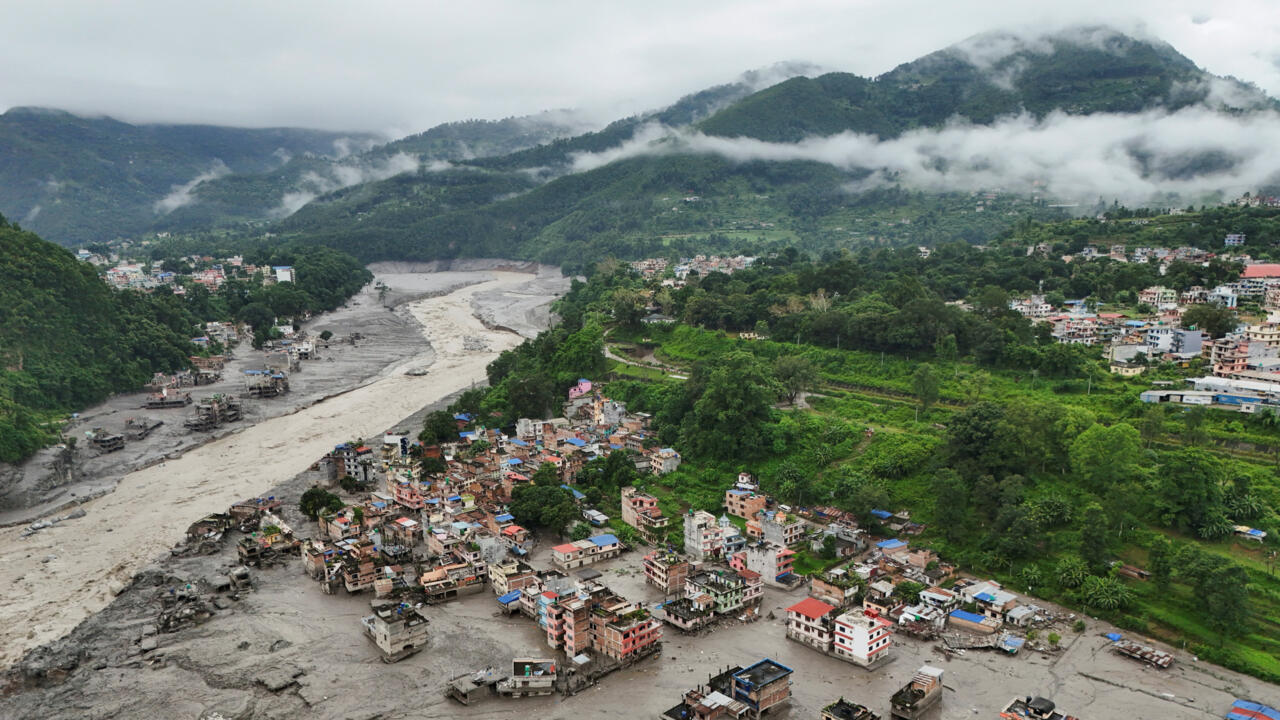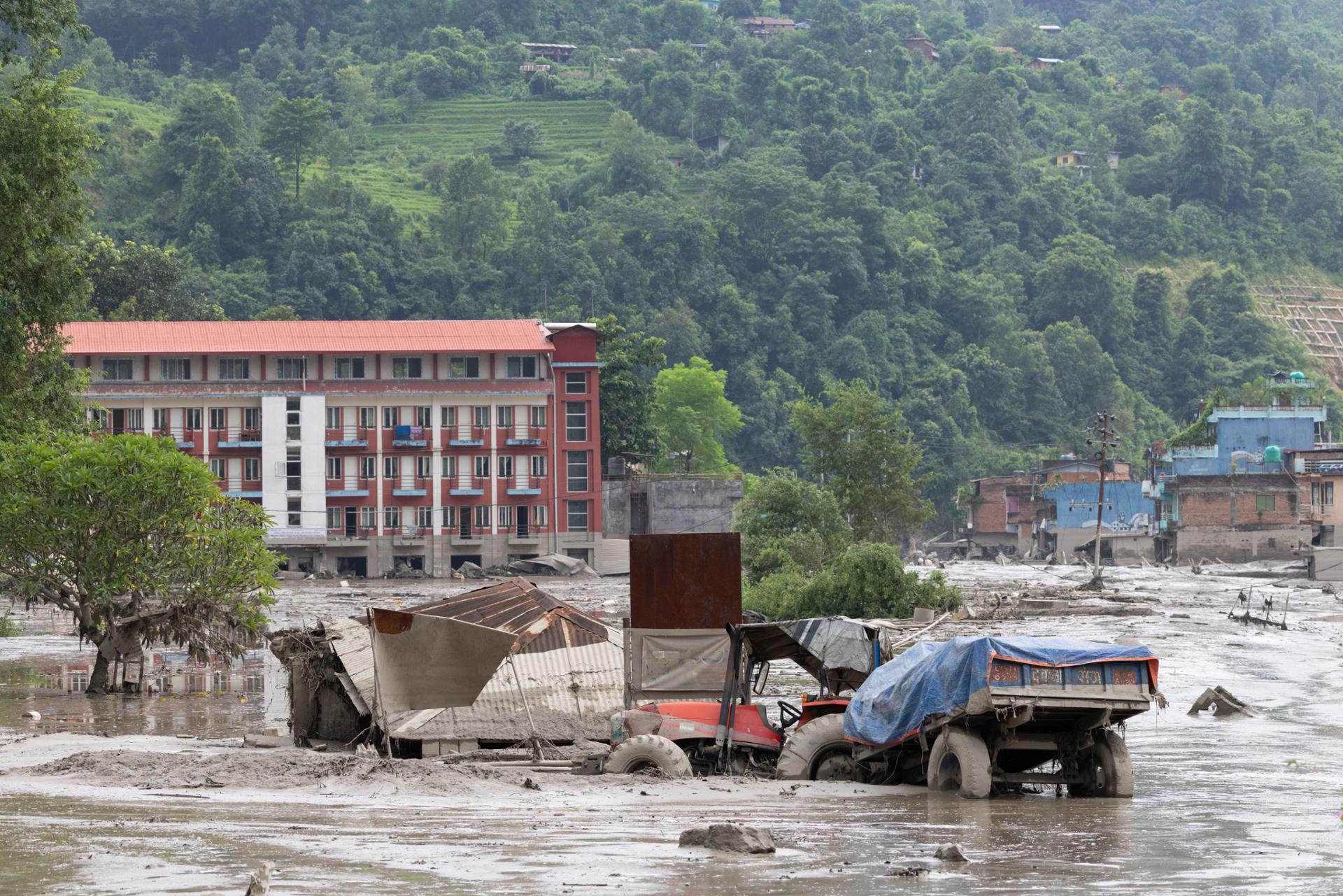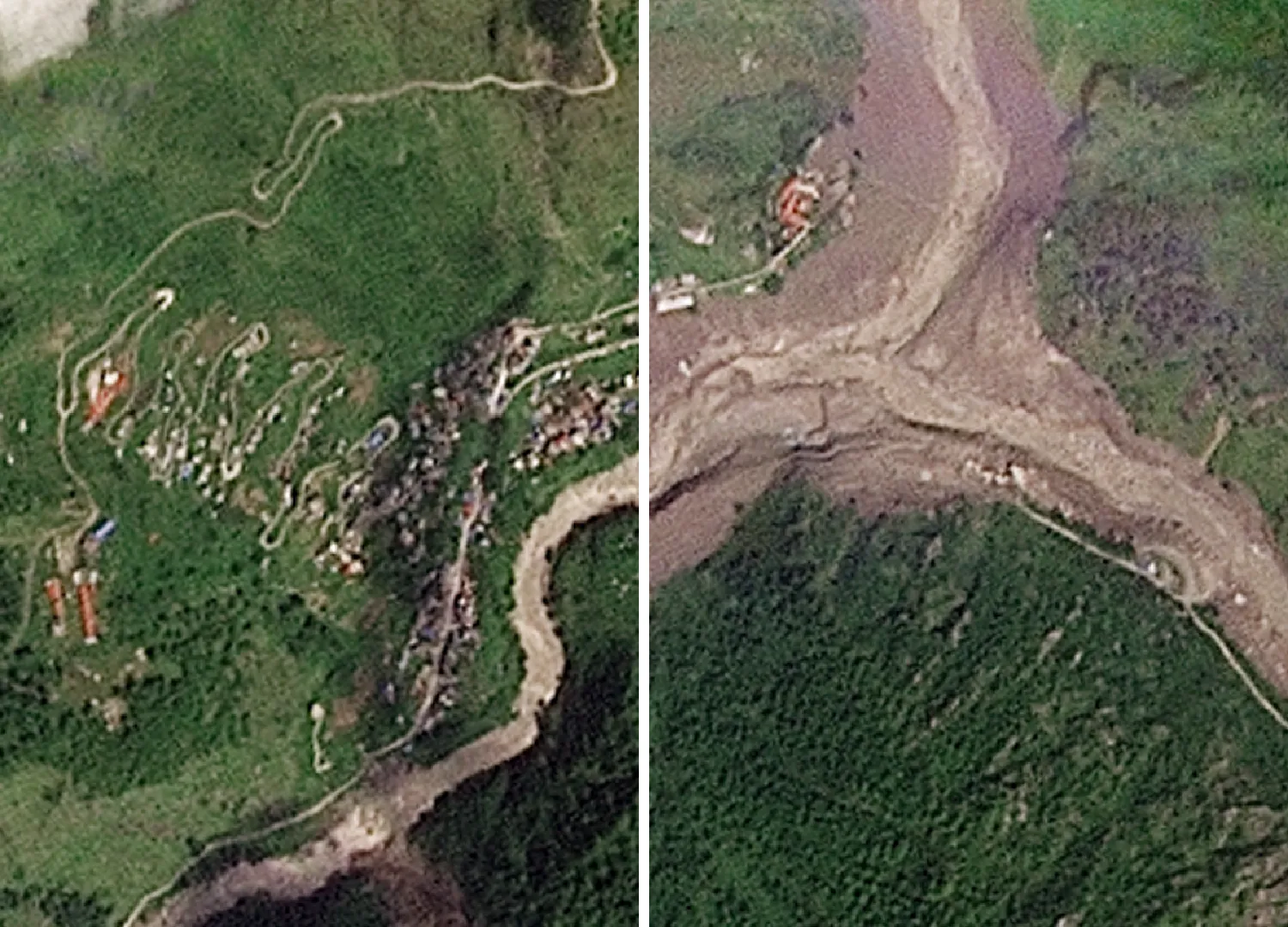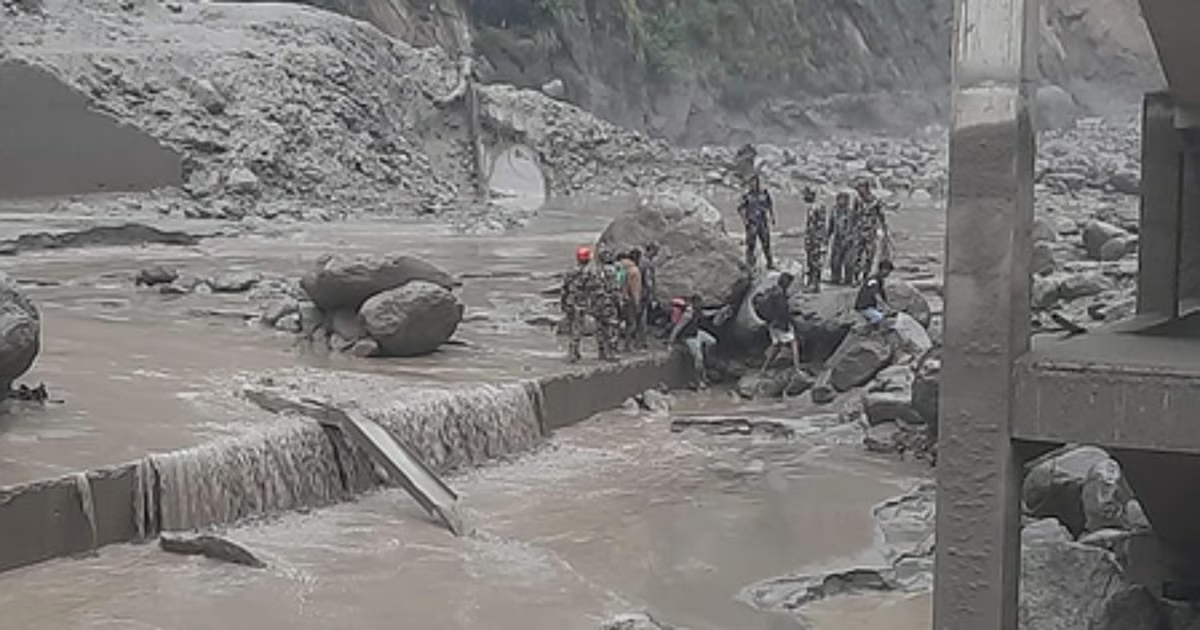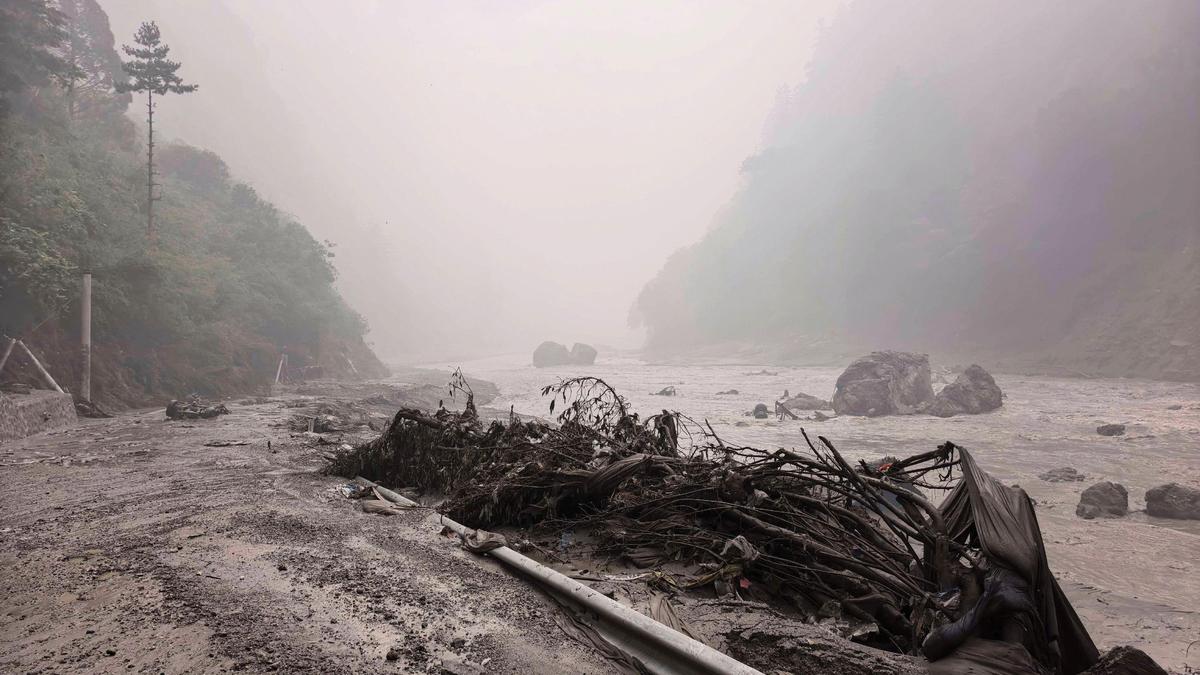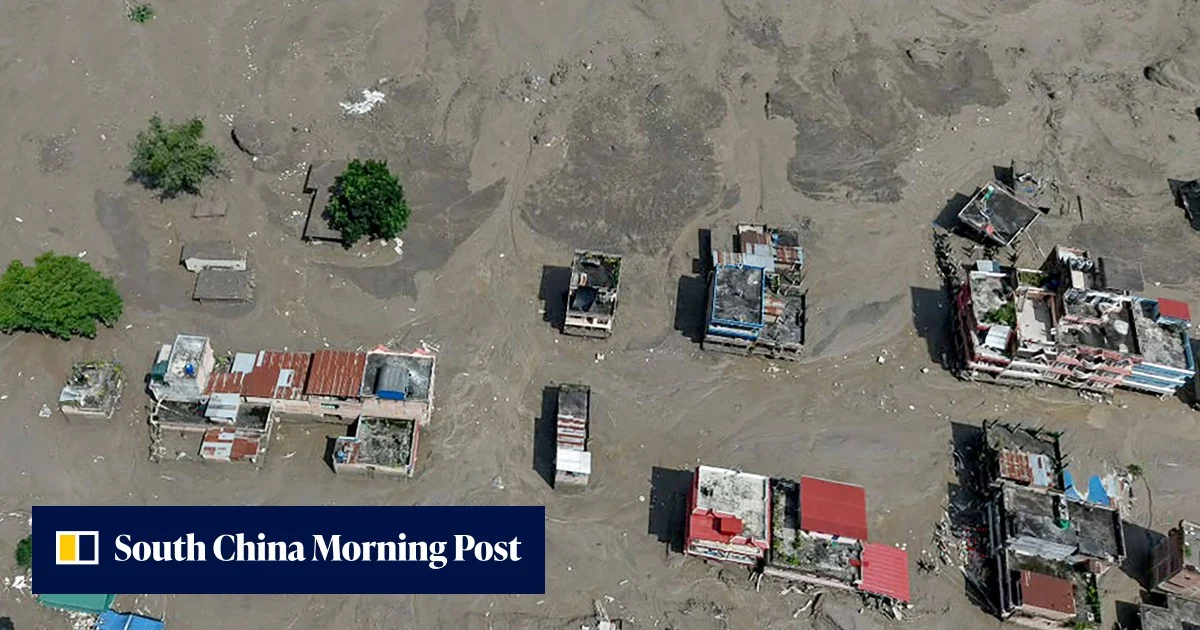
The catastrophic flash floods and mudslide that devastated the Gyirong Port crossing along the China-Nepal border on Wednesday have dealt a heavy blow to China-Nepal trade and imperilled Kathmandu’s push to cut reliance on Indian transit routes.However, if Beijing and Kathmandu are to proceed with ambitious infrastructure projects, they are expected to take environmental factors into consideration and adjust their construction methods accordingly, one expert said.04:12Timeline of the China-Nepal border disasterChinese officials confirmed three deaths and said more than 500 people, including 260 foreign nationals, remained missing on Thursday. Nepal said more than 900 people were missing, including 517 foreigners, and at 5pm Thursday its official death toll was 359.China’s Ministry of Natural Resources said on Thursday that the deadly mudslide was initially triggered by a high-altitude glacier collapse inside Nepal that rapidly evolved into a high-velocity debris flow.According to Guo Zhaocheng, a senior engineer at the Aero Geophysical Survey and Remote Sensing Centre under the ministry, the collapsing ice rushed down the channel at high speed, swept up vast glacial moraine, or scraped rock, and evolved into a debris flow before hitting Gyirong Port and surging downstream into Nepali territory.Gyirong Port serves as the strategic anchor connecting China and Nepal, handling nearly 30 per cent of total trade volume between the two in 2024, and is a primary overland entry point for Indian pilgrims travelling to Tibet. Some 280 Indian pilgrims remain missing after the disaster, according to India’s Ministry of External Affairs.
Himalayan glacier collapse hits China-Nepal trade route as casualties mount
Tragedy at Gyirong hub lays bare climate risks along fragile mountain corridor.
244 words~1 min read