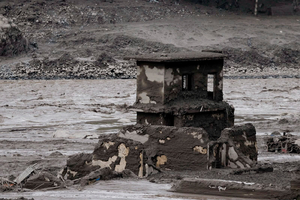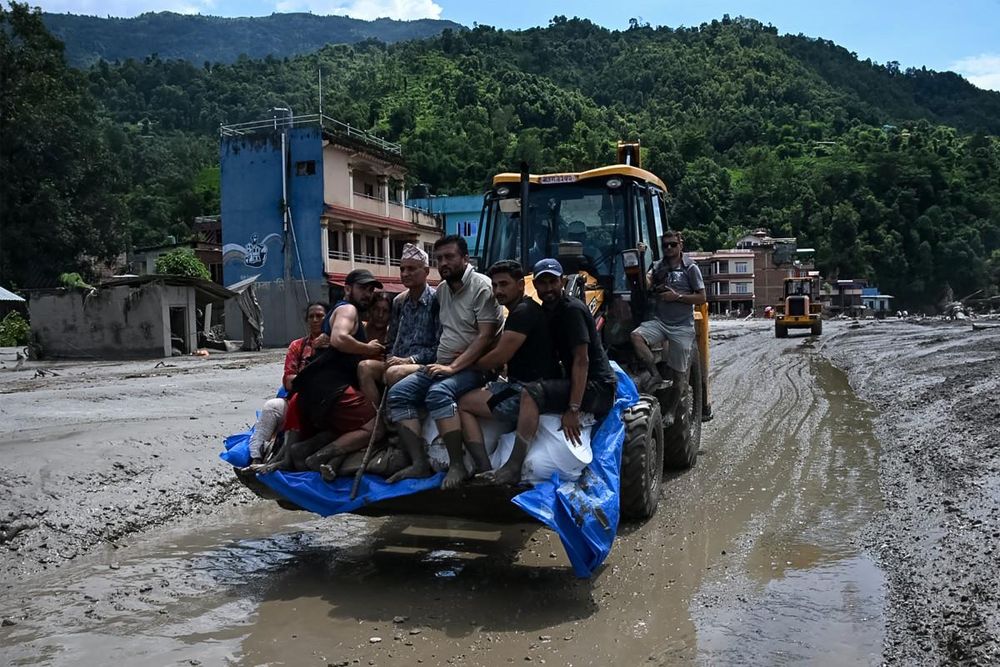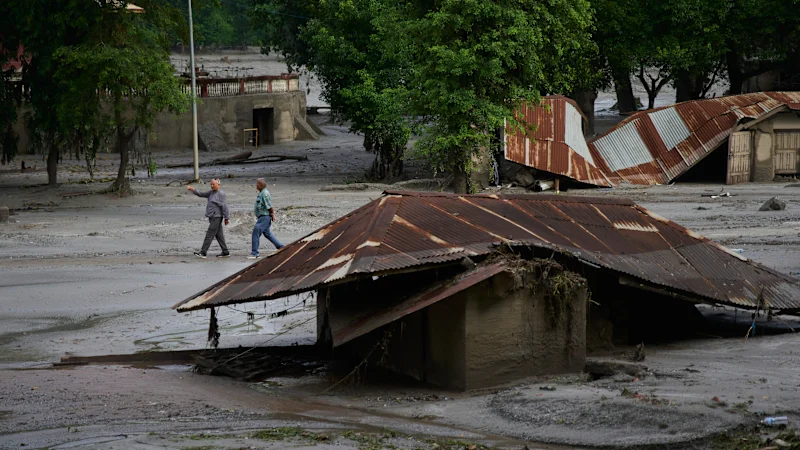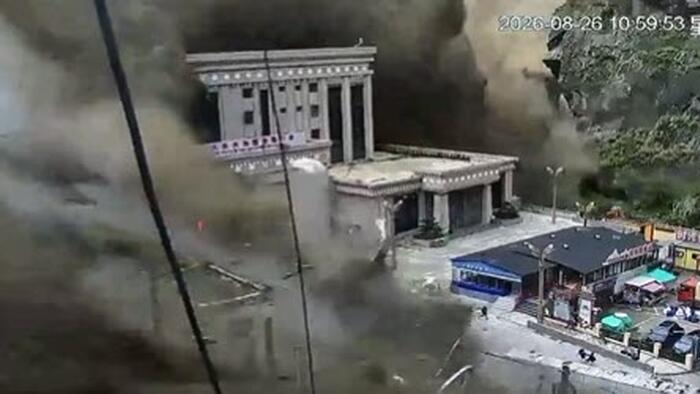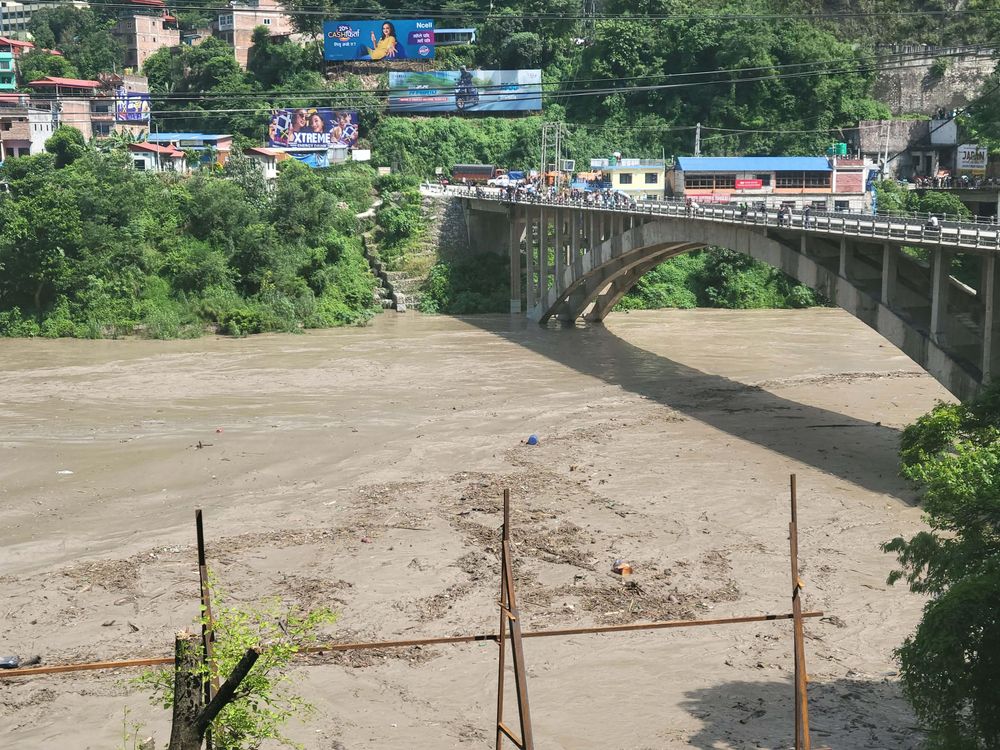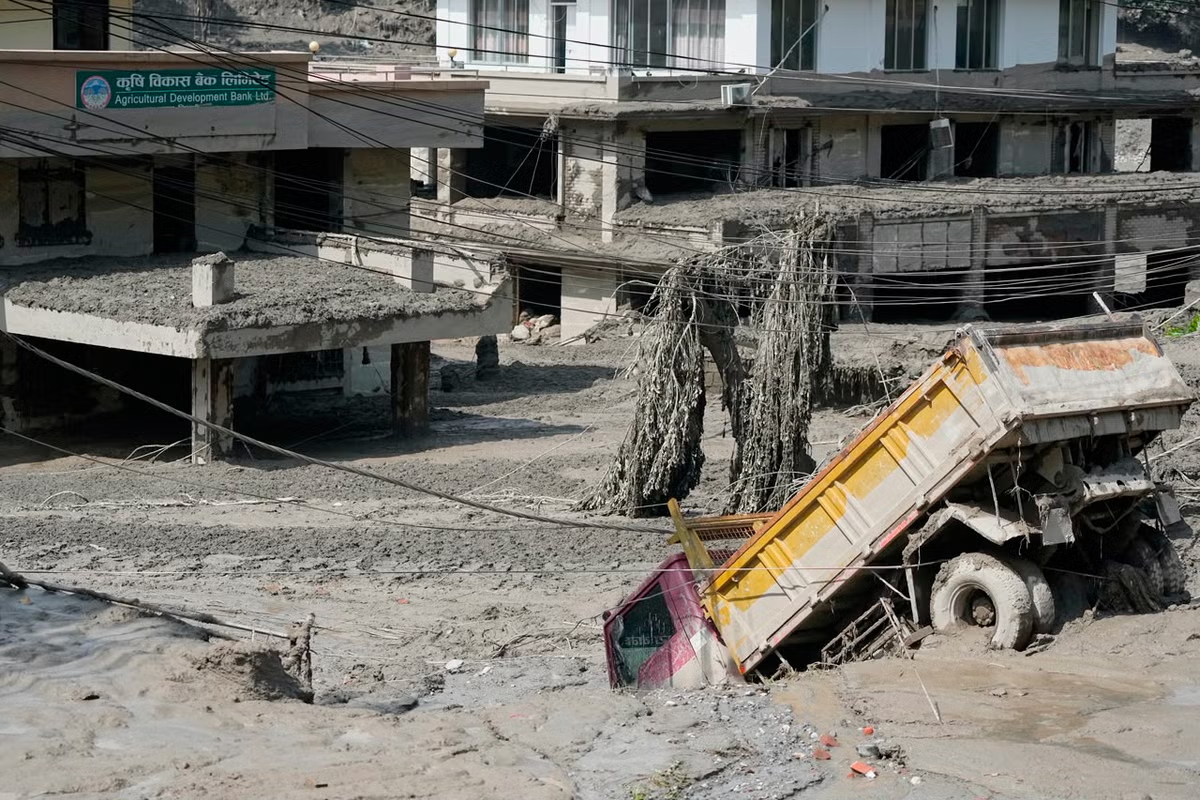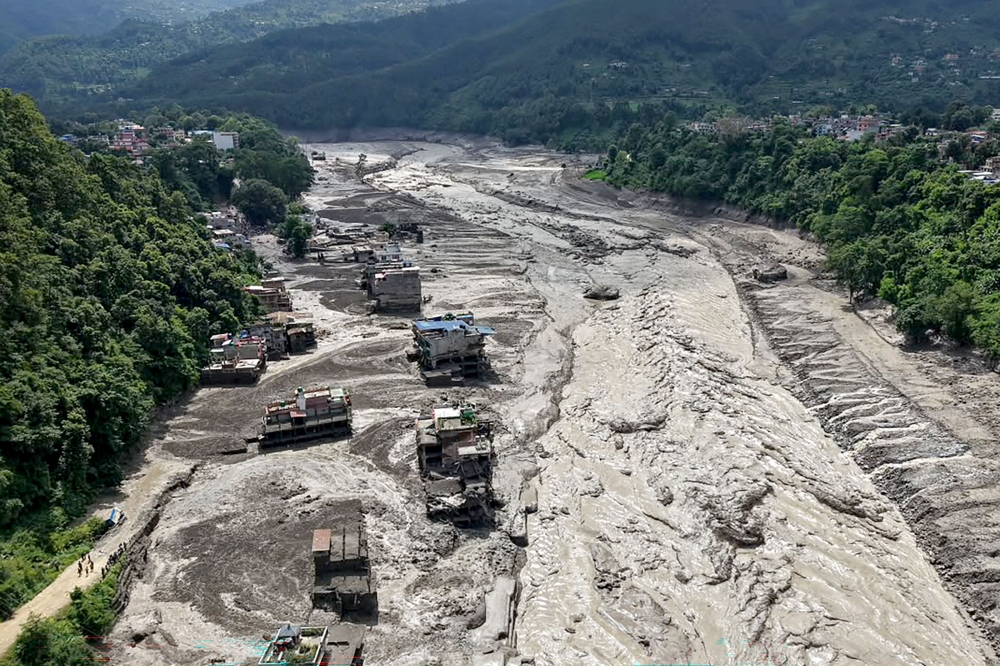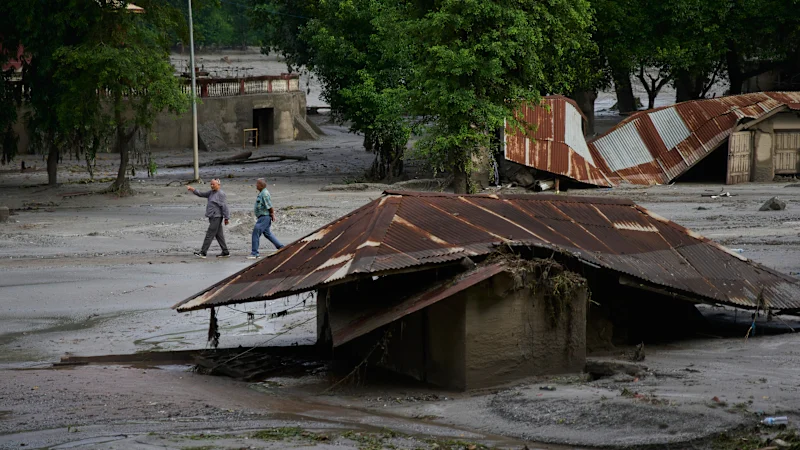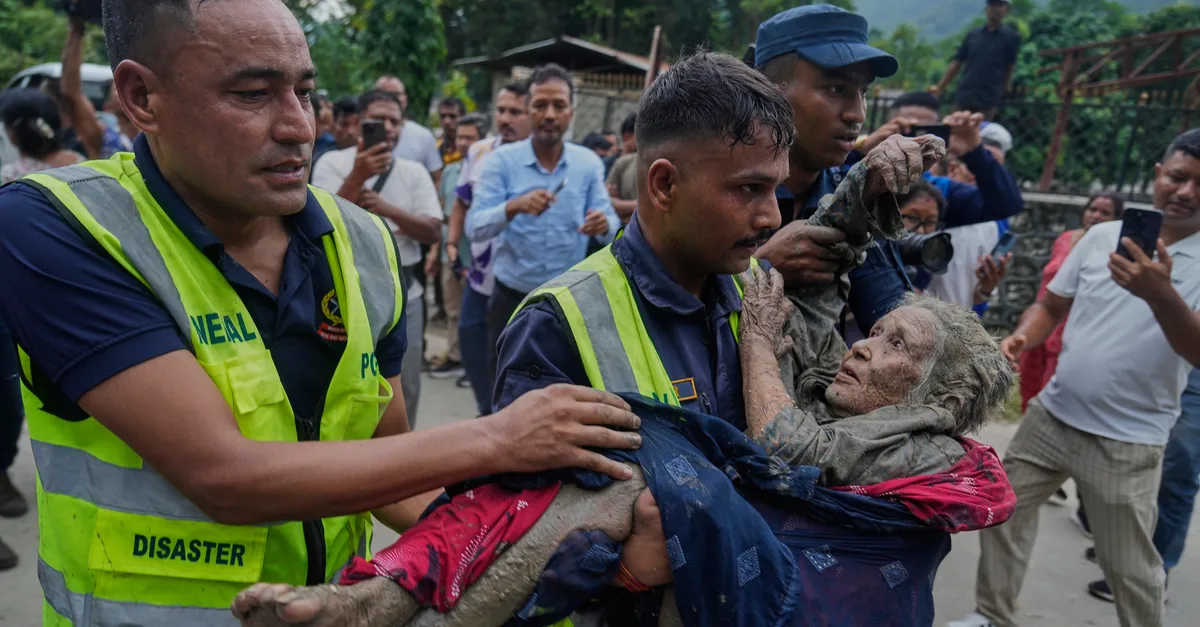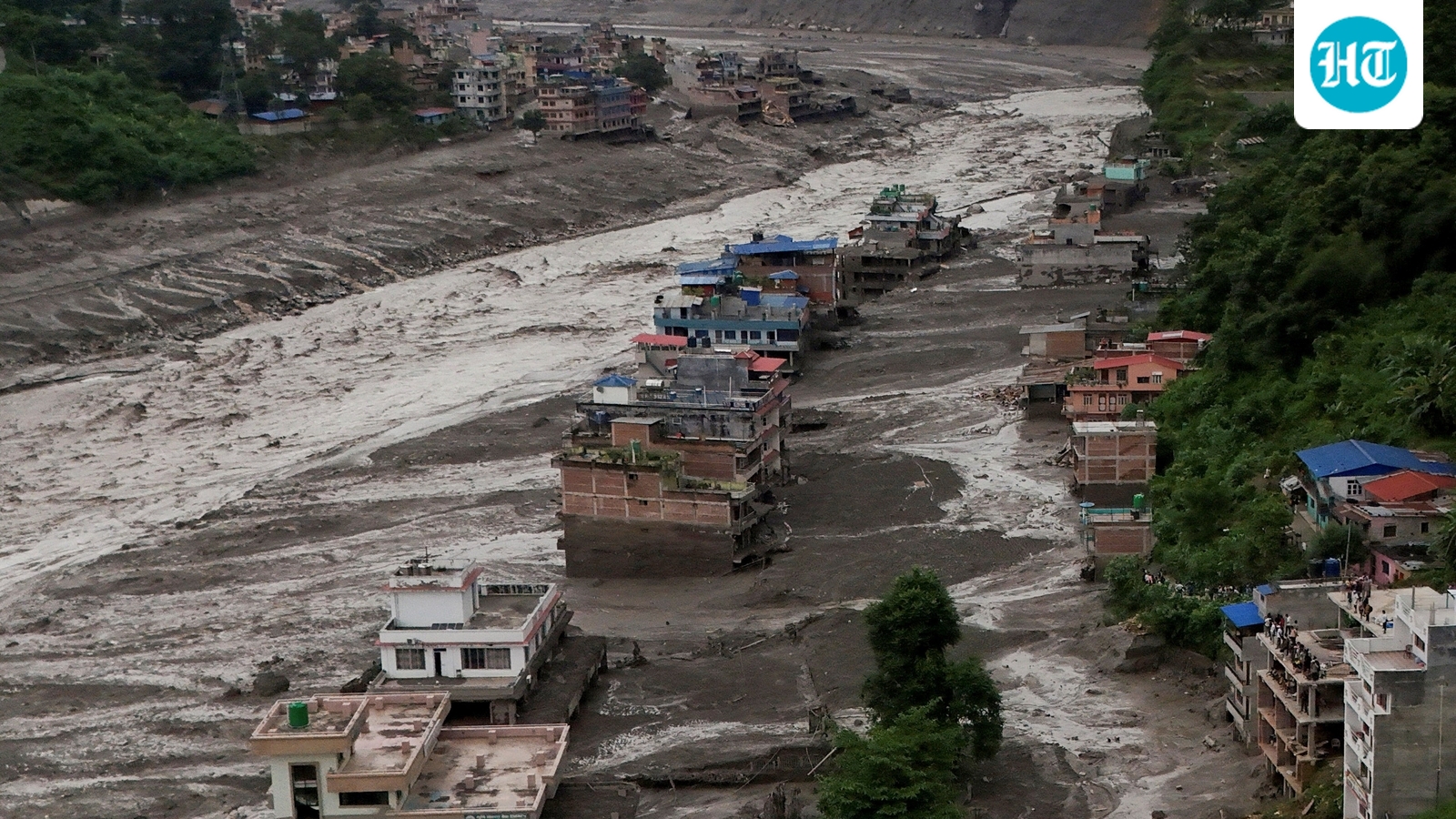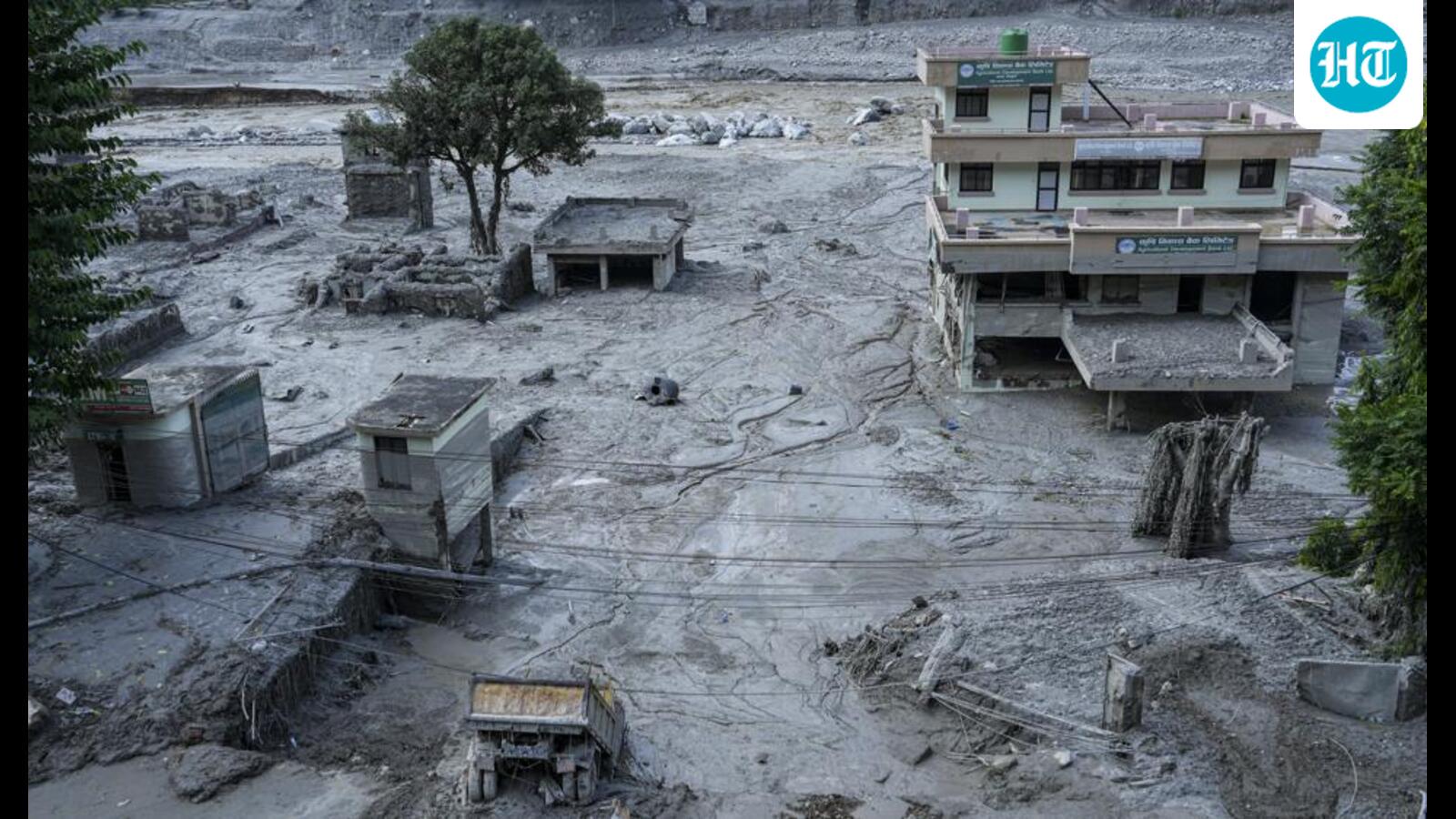
Thousands are missing and at least 320 dead after a wall of ice and rock broke off a mountainside on the Tibetan side of the Nepal-China border on the morning of August 26 and cascaded through the Lhende-Bhote Koshi-Trishuli river system. Six major hydropower plants have been destroyed, a Nepal-China border crossing has been washed away, and — in what captures how the severe the event was — the collapse registered as a magnitude 5.2 earthquake, with the seismic signal read by earthquake monitoring centres around the world.The exact trigger will take months of analysis to pin down, but the early signs point in one direction: the climate crisis. (PTI)The exact trigger will take months of analysis to pin down, but the early signs point in one direction: the climate crisis. The mountain region where the collapse originated has been warming at several times the global average. Peer-reviewed work published only weeks before the disaster, mapping the immediately adjacent glacier system in Nepal, found that more than 40% of the ice cover documented at the end of the Little Ice Age is now gone, that the loss is accelerating, and that a specific process — high-elevation ice fragmenting and detaching from the slopes it rests on — is becoming the dominant mode of glacier retreat across the Himalaya. That is the process now suspected of causing the tragedy in Nepal’s Rasuwa. Its authors, writing in Global and Planetary Change, explicitly flagged the geohazards likely to follow.Rasuwa is not the first such warning. The Sikkim flood of October 2023, which destroyed the Teesta III hydropower project and killed dozens; the Thame flood in Nepal’s Everest region in 2024; and a smaller flash flood along the same Rasuwa-Gyirong corridor last July — all fit the same profile. Each has, in policy terms, been treated as a discrete tragedy.From Uttarakhand to Sikkim and Arunachal Pradesh, India faces the same Himalayan threats, with the risks only turbocharged by faster warming, ice thinning at high elevations, slopes progressively destabilised by unchecked construction. Populations have swelled, hill towns have spread beyond any load the geology was ever meant to carry, and construction — of highways, hydropower projects, tunnels, hotels — has proceeded with little regard for what the mountains above are doing. A national audit of Himalayan projects and settlements, including population numbers, is overdue. Each Himalayan tragedy only portends the next one. Business as usual, in construction, in settlement policy, in how these disasters are absorbed and forgotten , is no longer defensible.
Dark portents of Nepal flood
Each Himalayan tragedy only signals the next one. Business as usual is no longer defensible
418 words~2 min read