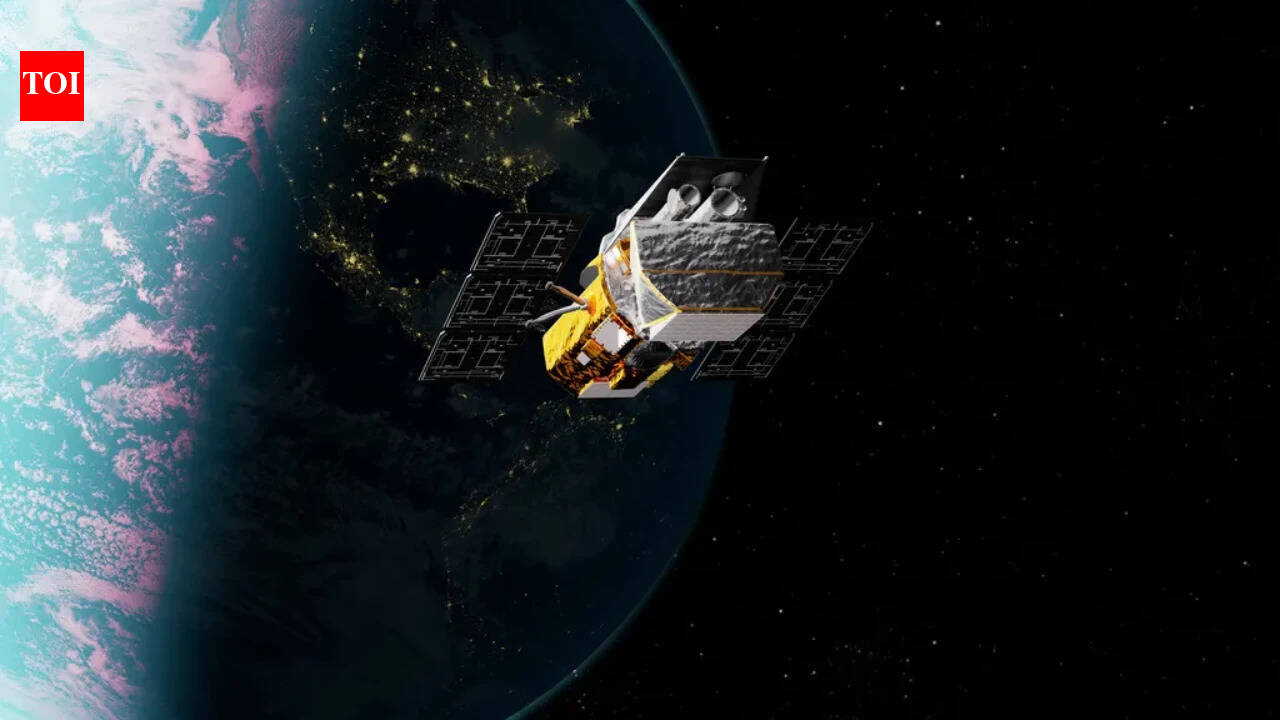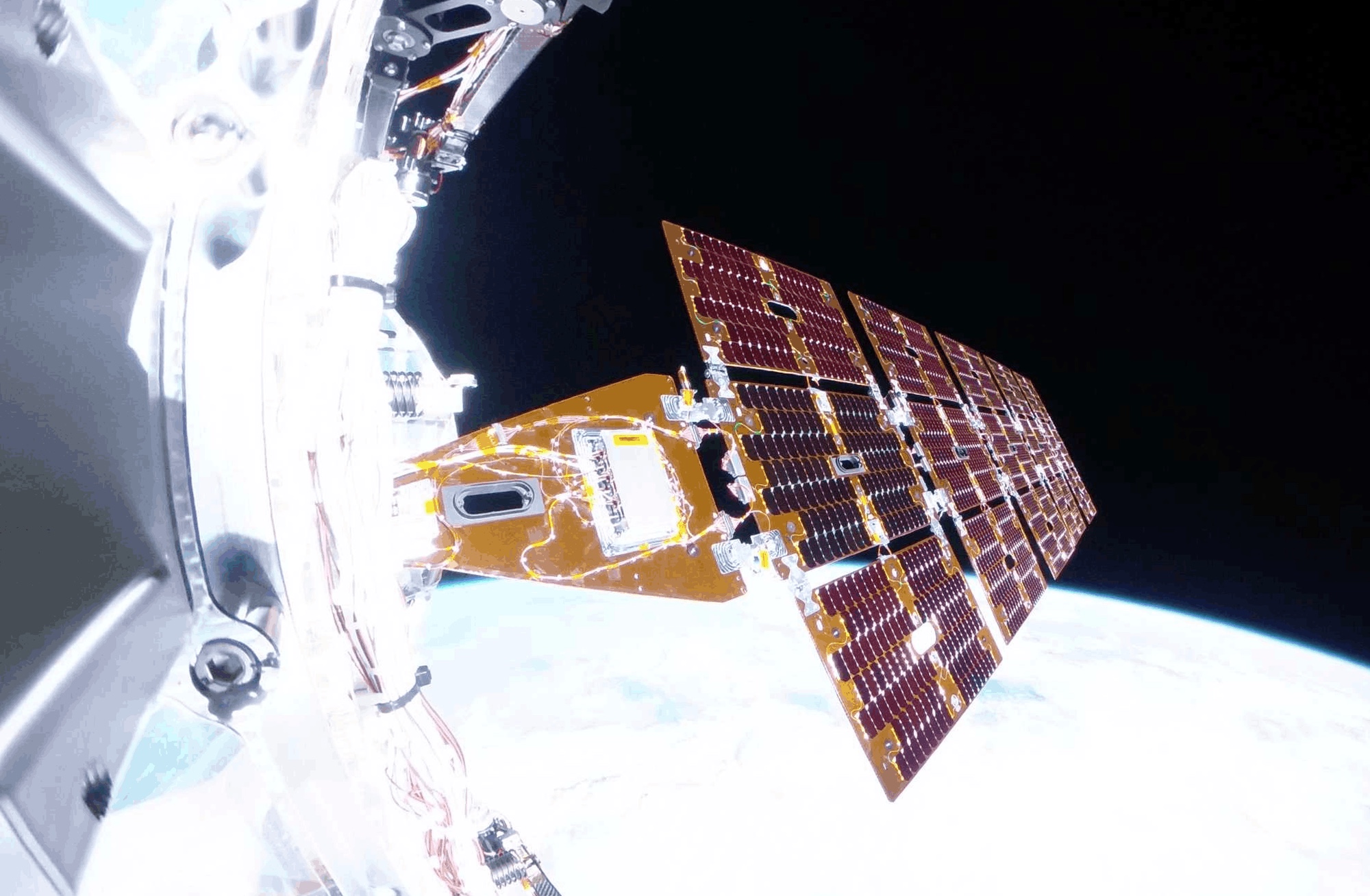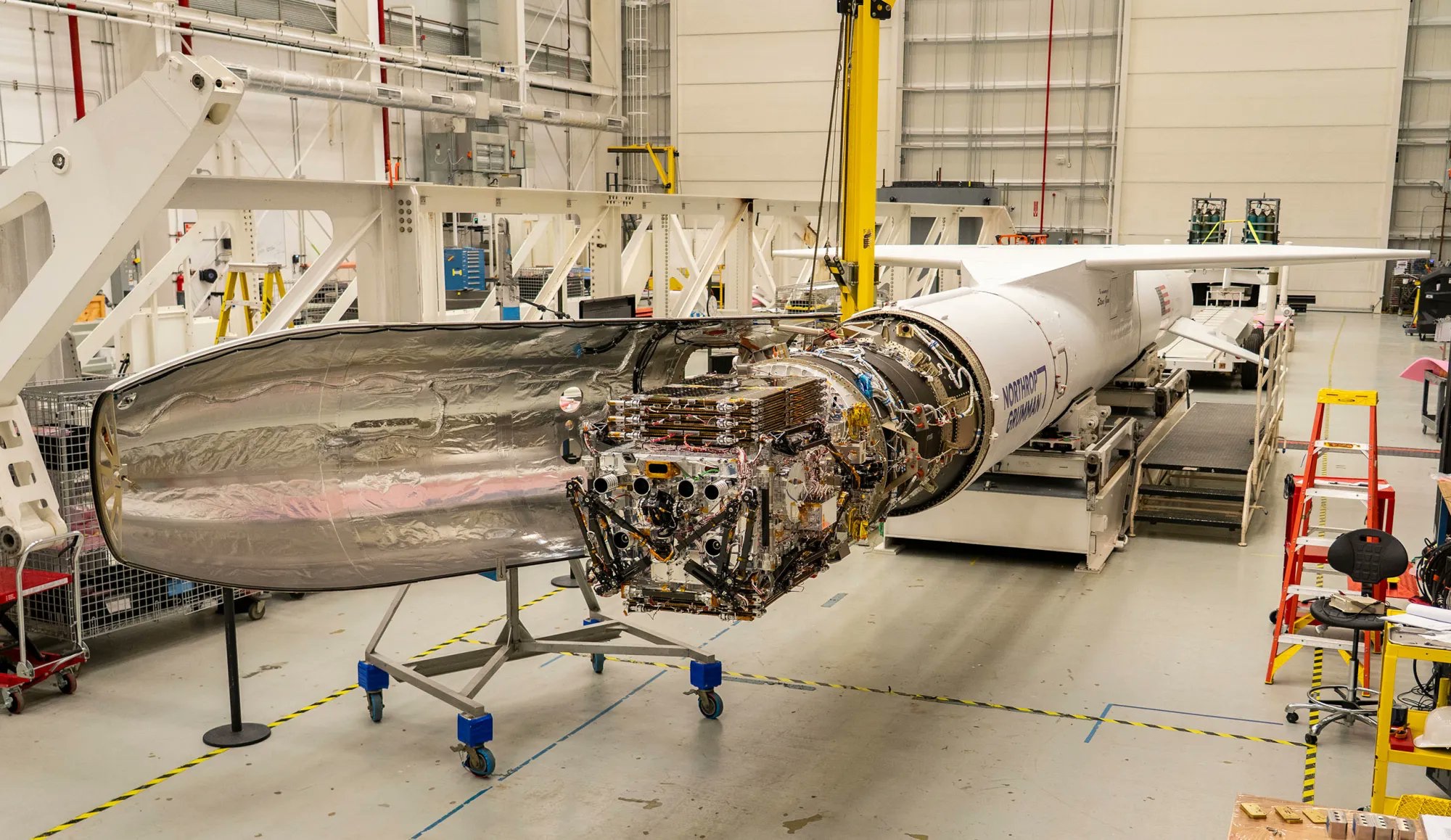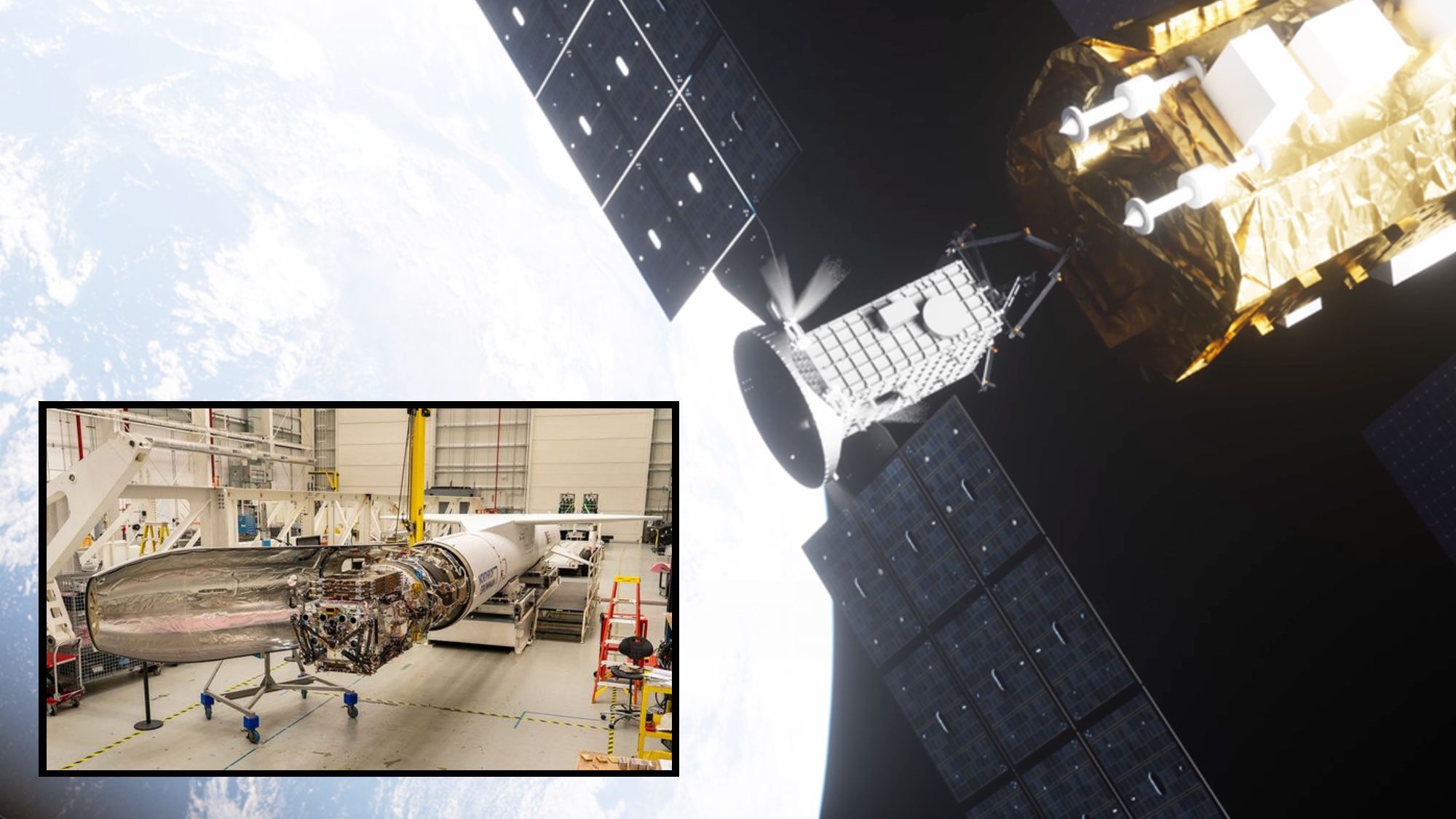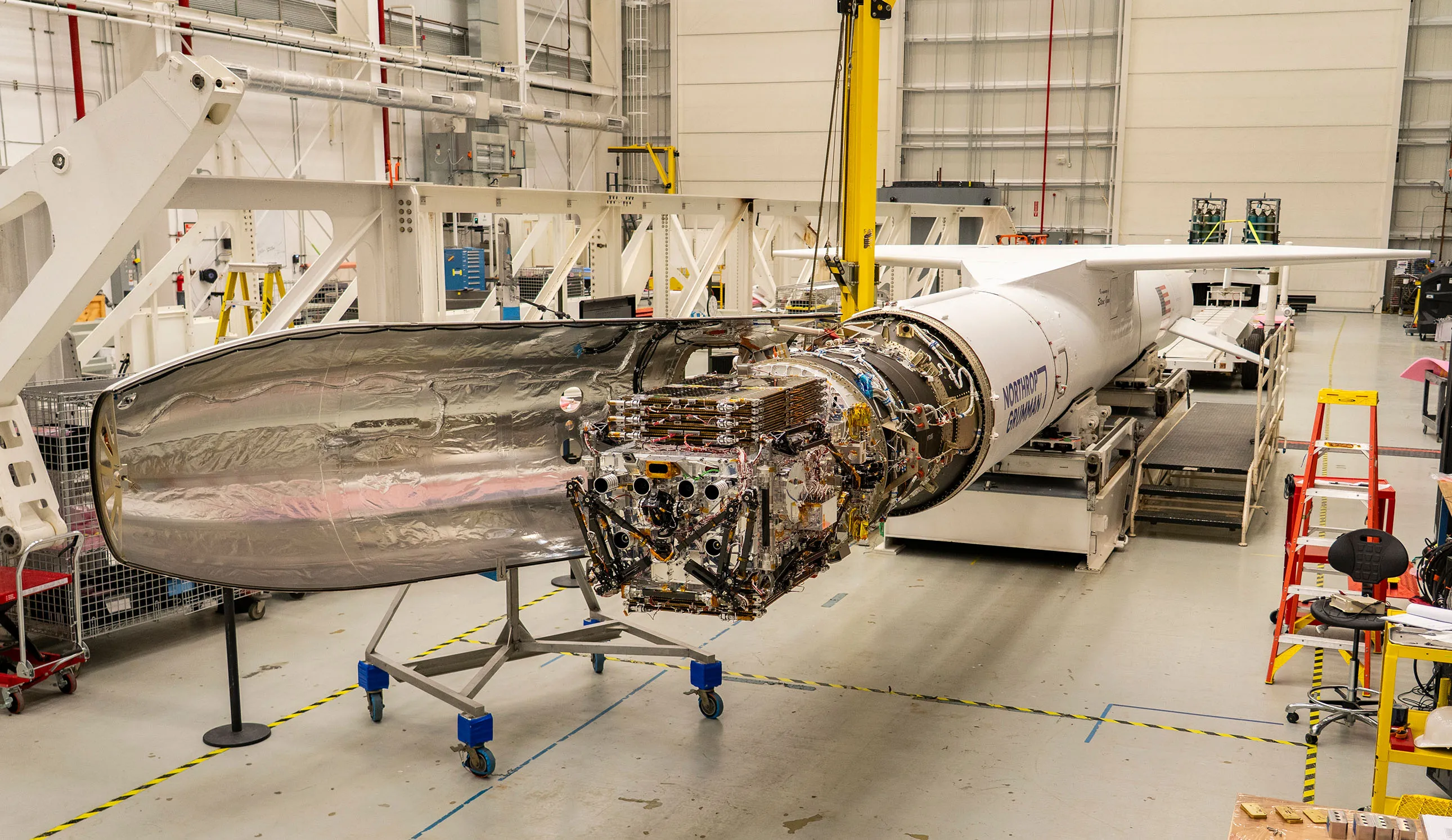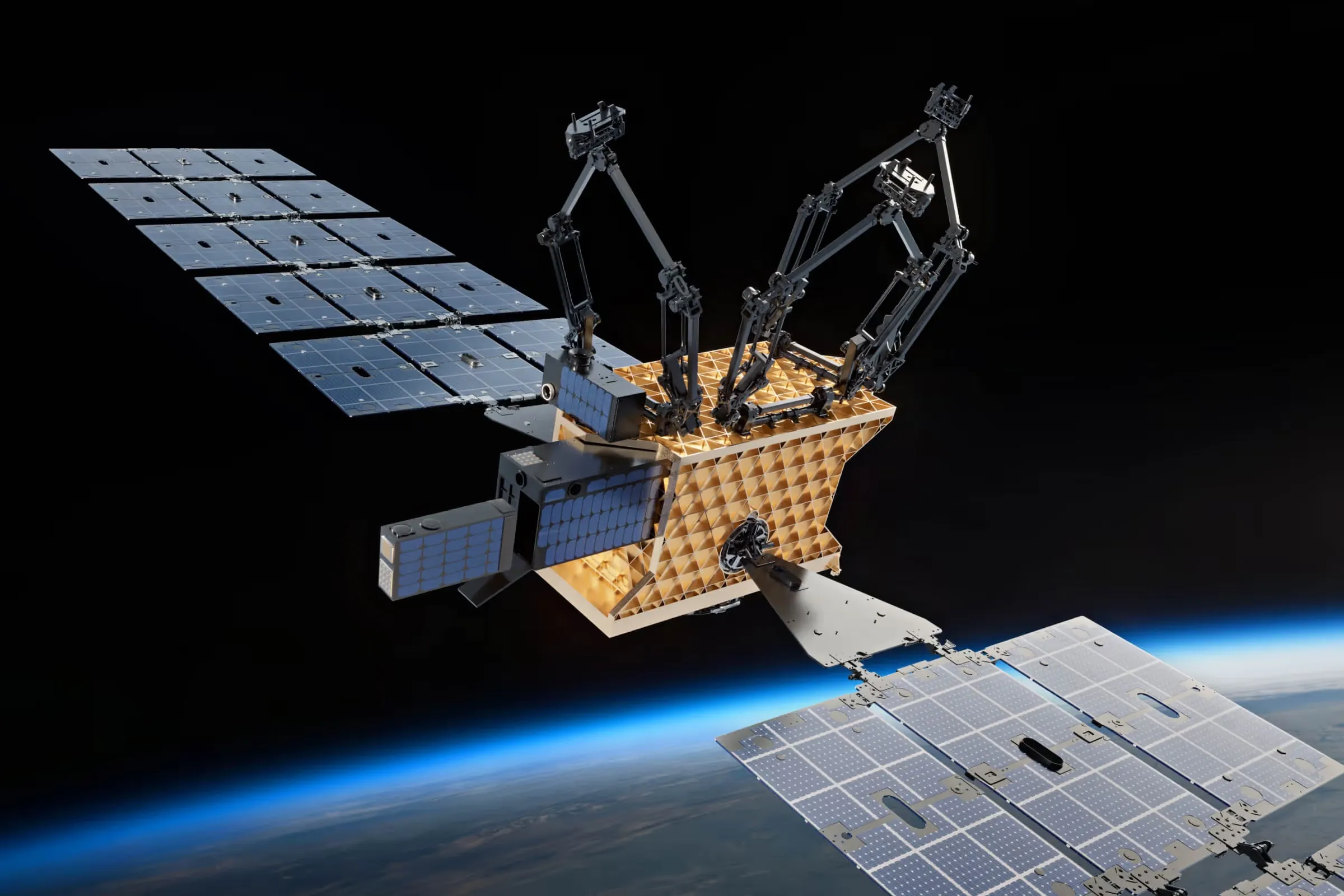
SALT LAKE CITY — Despite abandoning plans to reboost a NASA spacecraft, Katalyst Space continues to operate its spacecraft to gain experience for future satellite servicing missions.
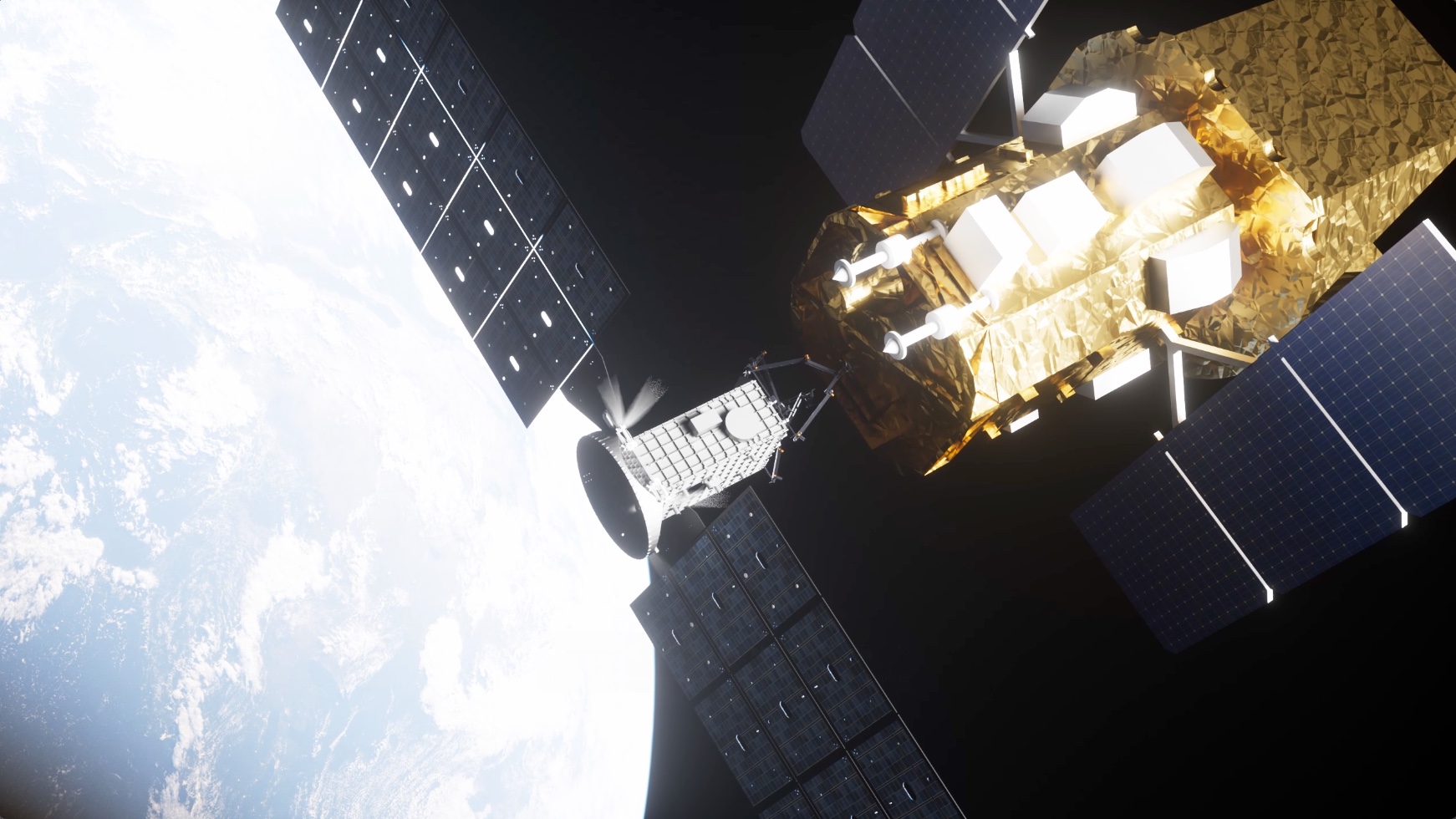
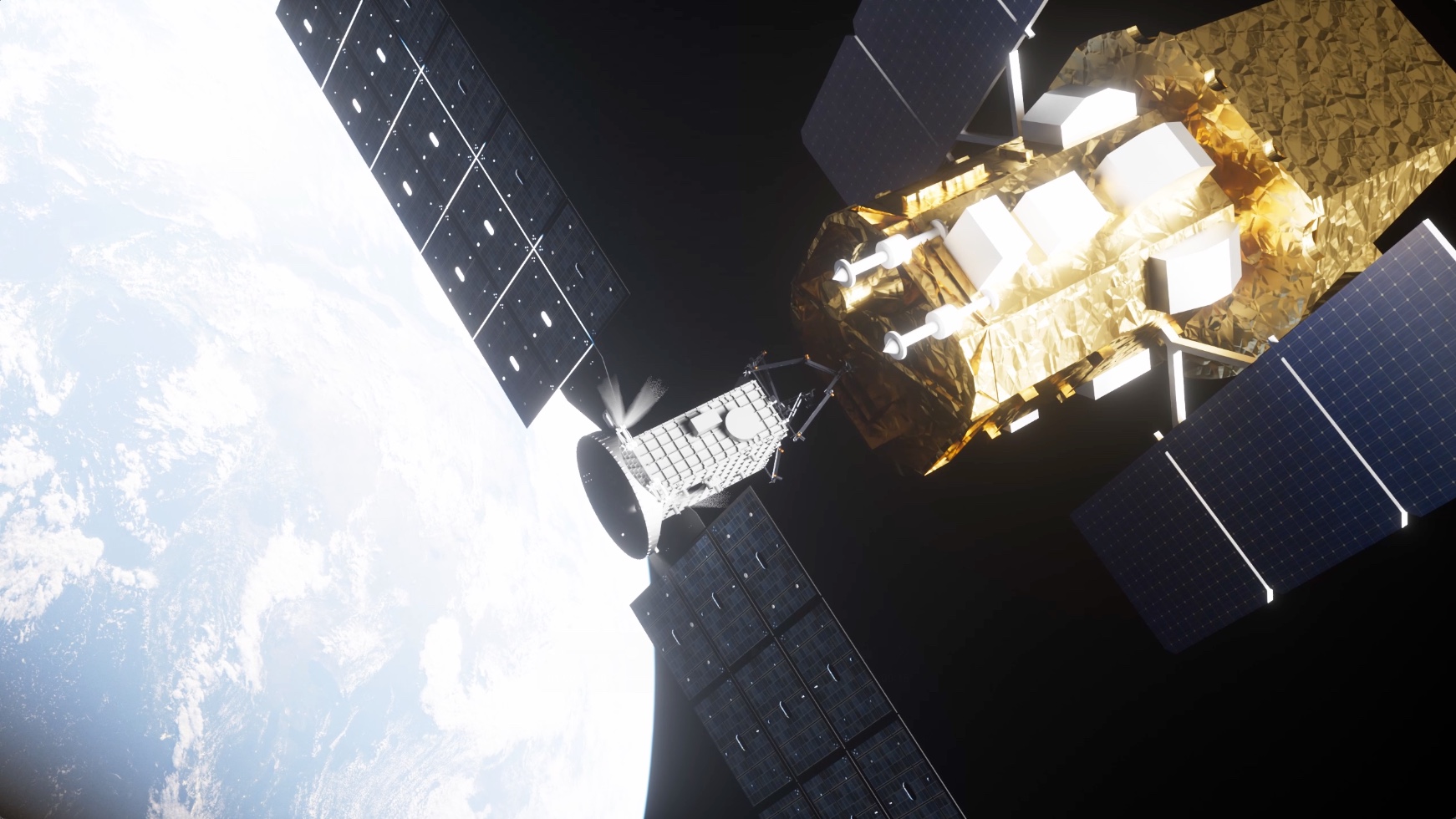
NASA and Katalyst Space jointly announced Aug. 19 that they had called off plans to have the company’s Link spacecraft, launched in July, attach to the agency’s Swift gamma-ray observatory and raise its orbit. That decision came after Link lost two of its three reaction wheels, causing attitude control problems.
While Link will no longer boost Swift, Katalyst Space continues to operate Link, with a new goal of approaching Swift and taking images of it.
“We believe that rendezvous is still on the table, that we’ll be able to get within close proximity and be able to image Swift with our sensors,” Ghonhee Lee, chief executive of Katalyst, said in an Aug. 26 interview during the Small Satellite Conference here.
The loss of the reaction wheels has created problems with fuel usage and controllability for Link. Engineers compensated for the lost reaction wheels by using the spacecraft’s main propulsion system, a set of Hall-effect thrusters, gimballing the thrusters to provide attitude control.