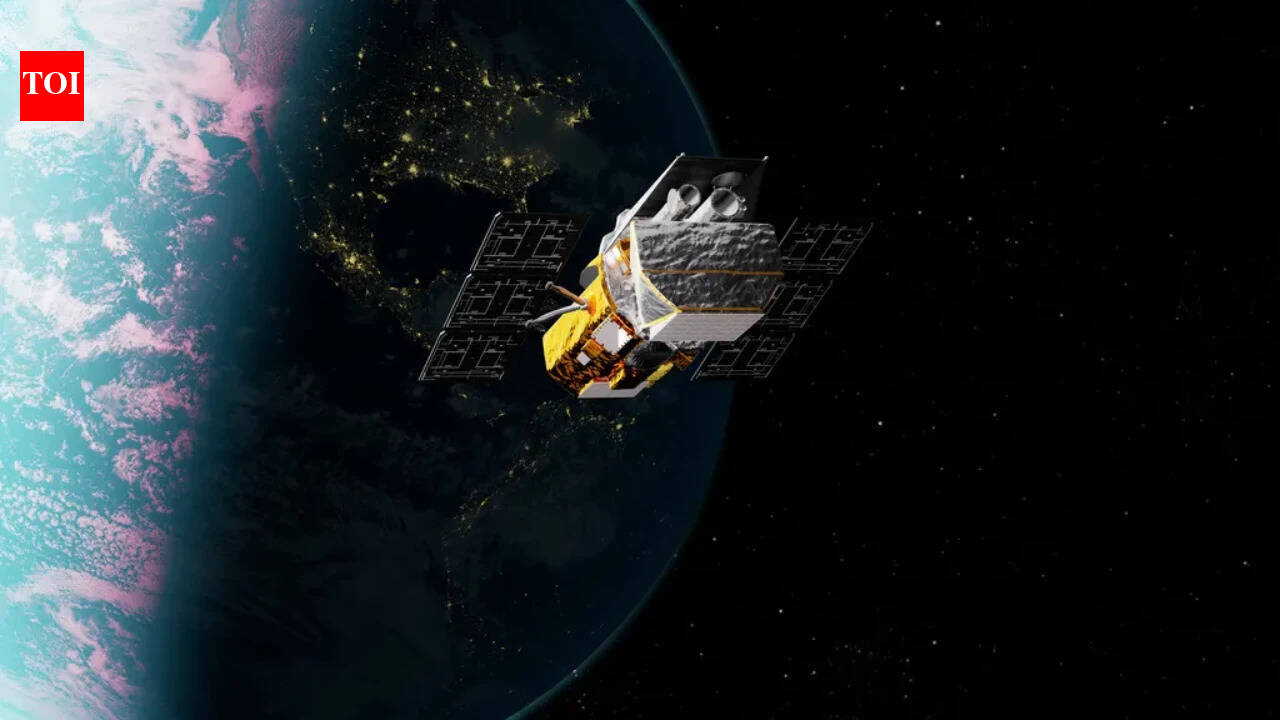
Nasa's ambitious attempt to save its ageing Neil Gehrels Swift Observatory has come to an unexpected end after the spacecraft sent to perform the rescue developed problems of its own.
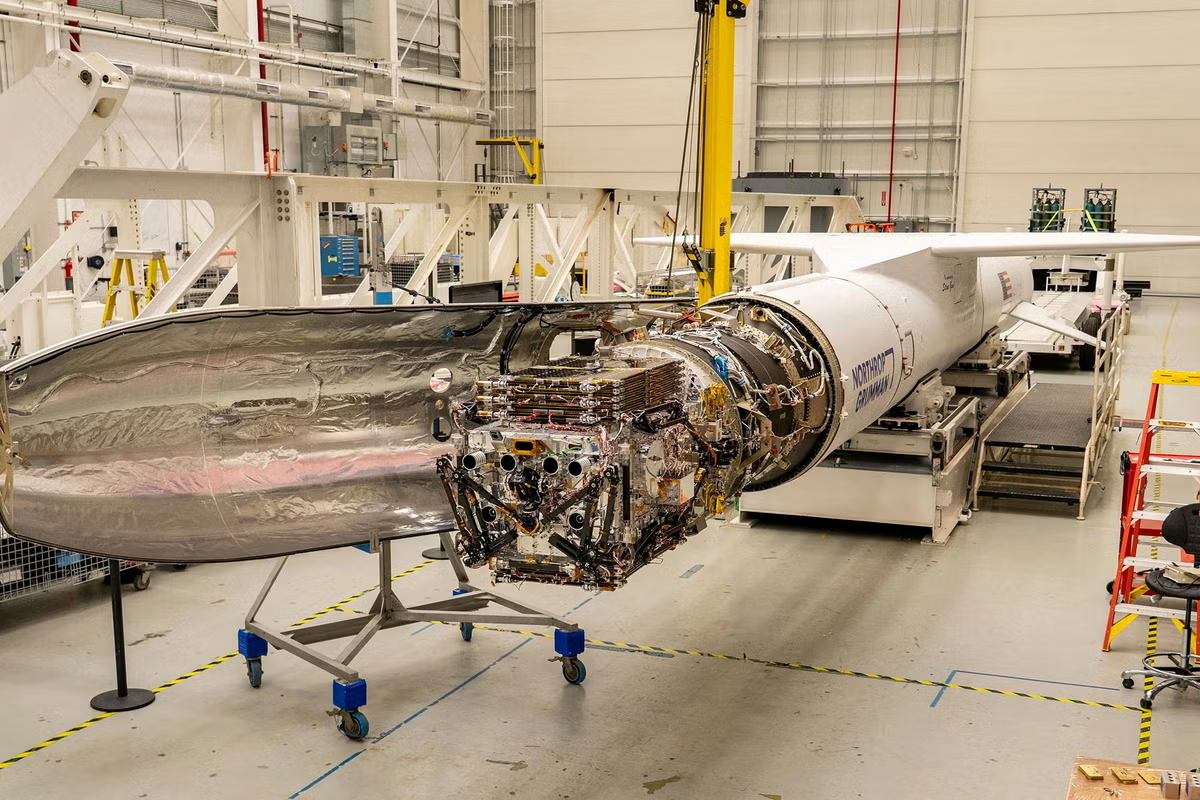
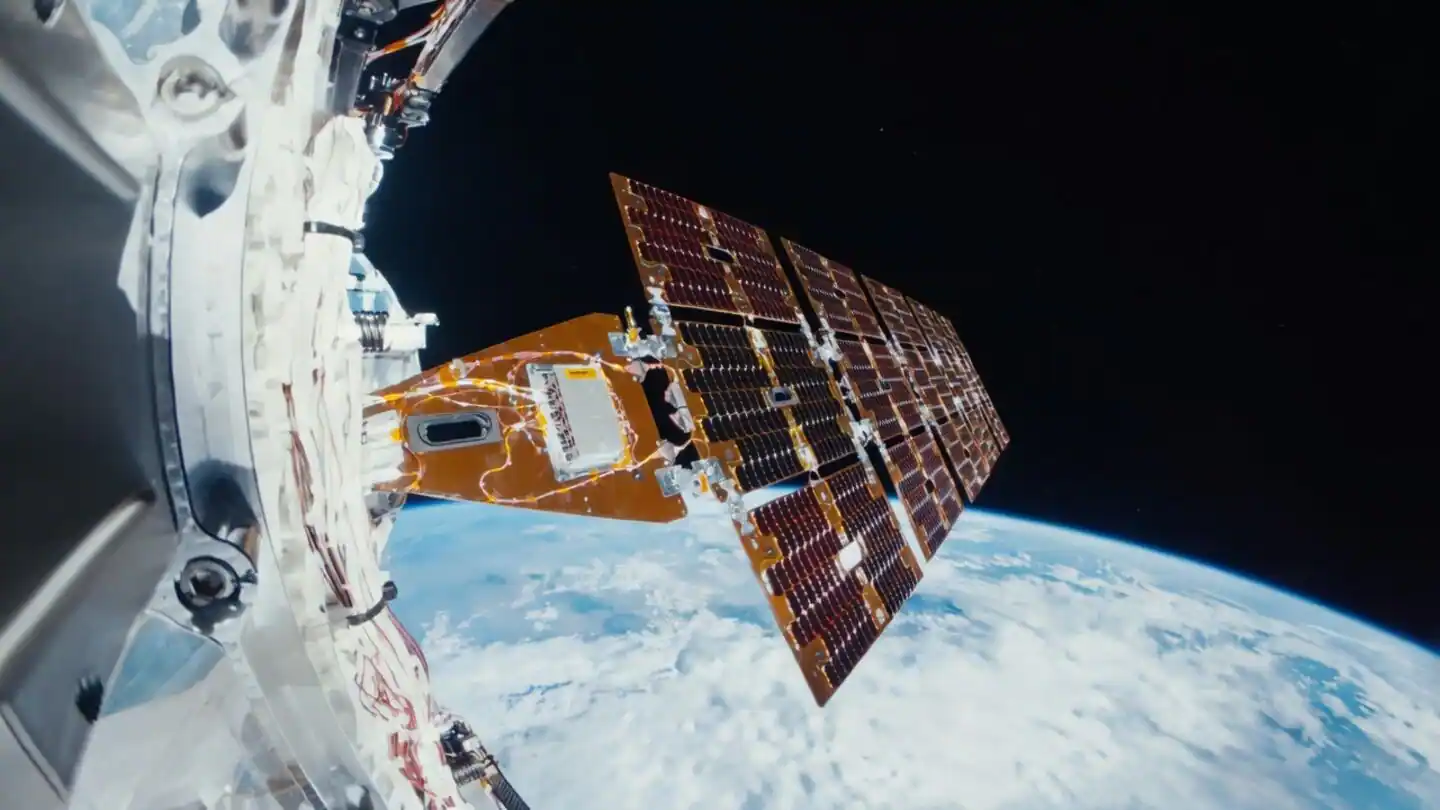
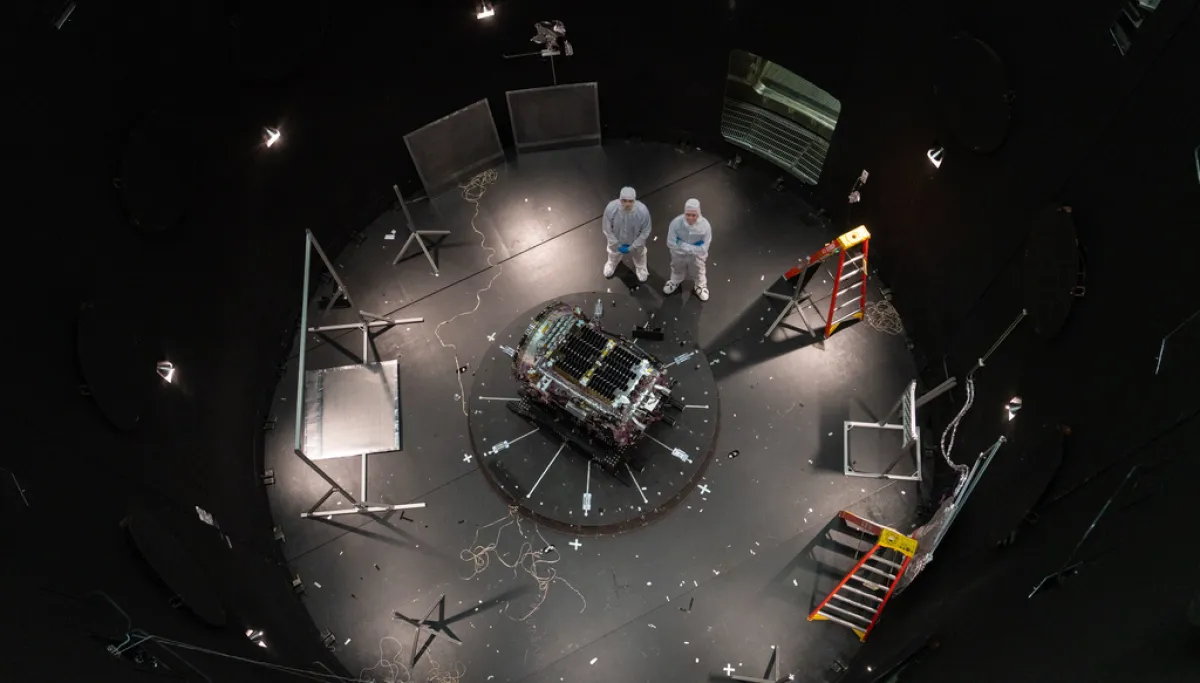
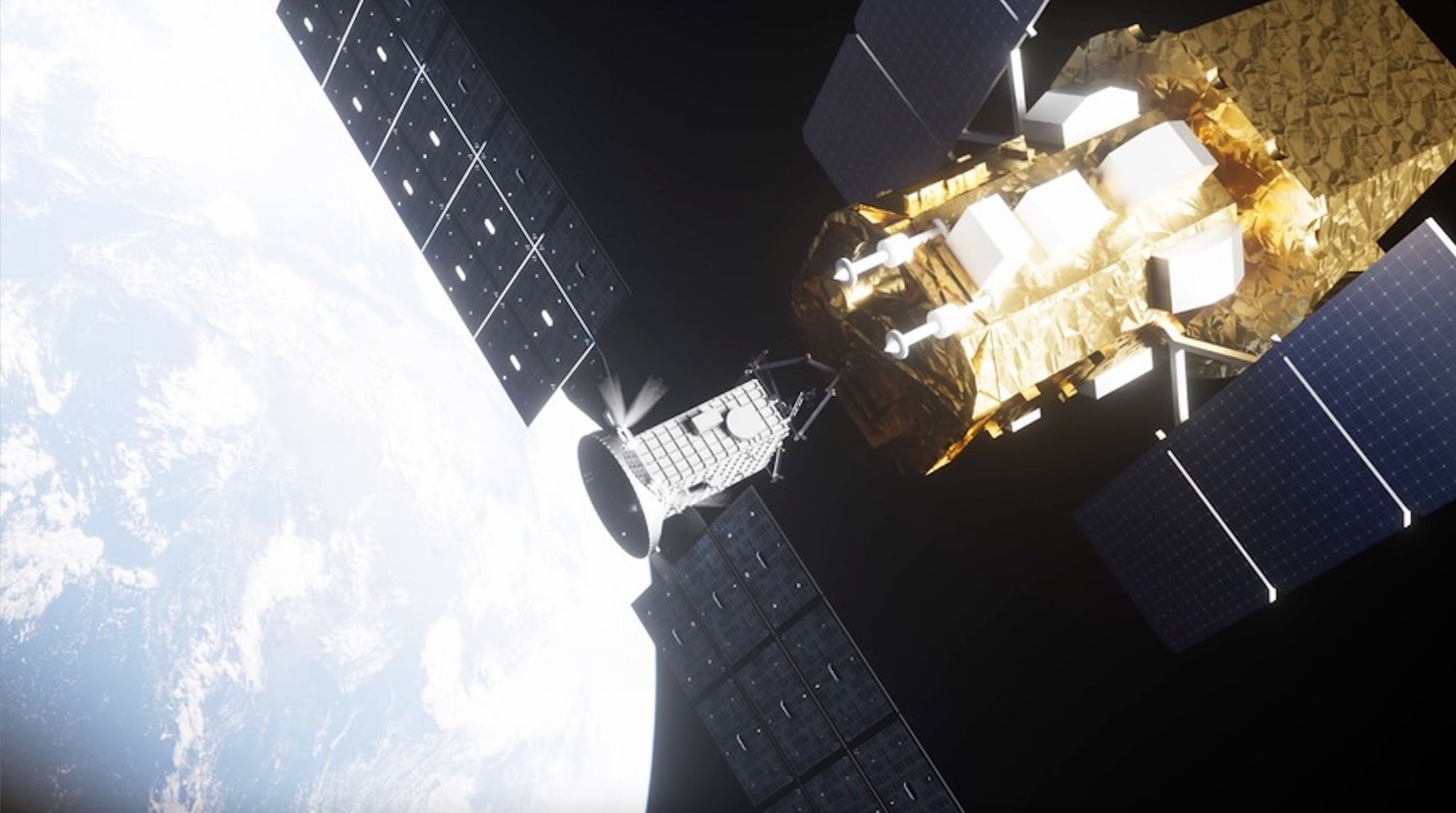
The agency had partnered with Katalyst Space Technologies to launch LINK, a robotic servicing spacecraft designed to rendezvous with Swift, capture the observatory and push it into a higher orbit, extending its scientific life.
LINK launched on July 3, 2026, but soon encountered an ongoing attitude-control problem that affected its ability to carry out the planned rescue.
On August 19, Nasa and Katalyst confirmed that LINK would no longer capture or boost Swift, although it will still attempt proximity operations to demonstrate technologies for future satellite servicing missions.
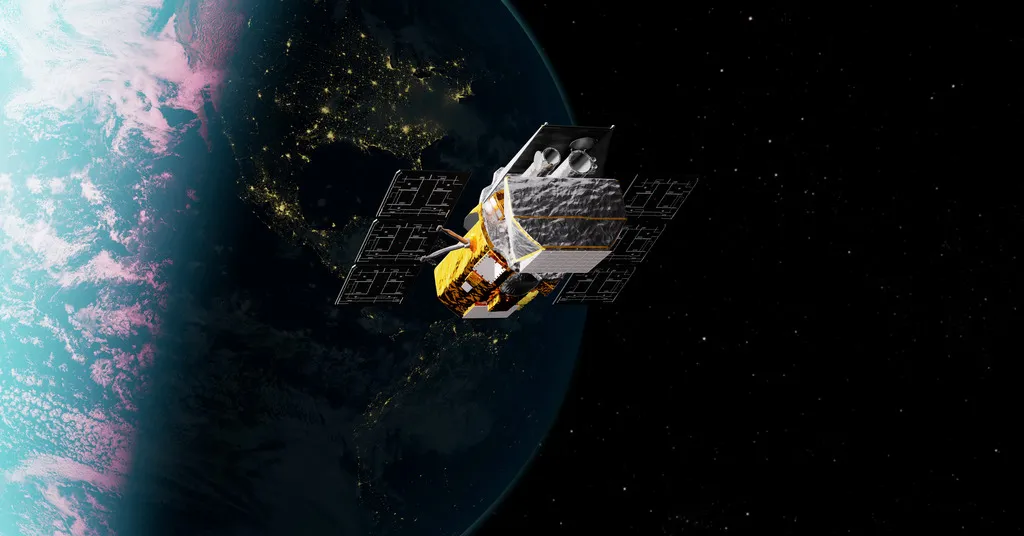
Swift has spent more than two decades studying some of the universe's most powerful and rapidly changing phenomena.Why Nasa needed to rescue the ageing Swift ObservatoryNasa's Neil Gehrels Swift Observatory has spent more than 20 years orbiting Earth and observing gamma-ray bursts, among the most powerful explosions in the universe, alongside other rapidly changing cosmic events.