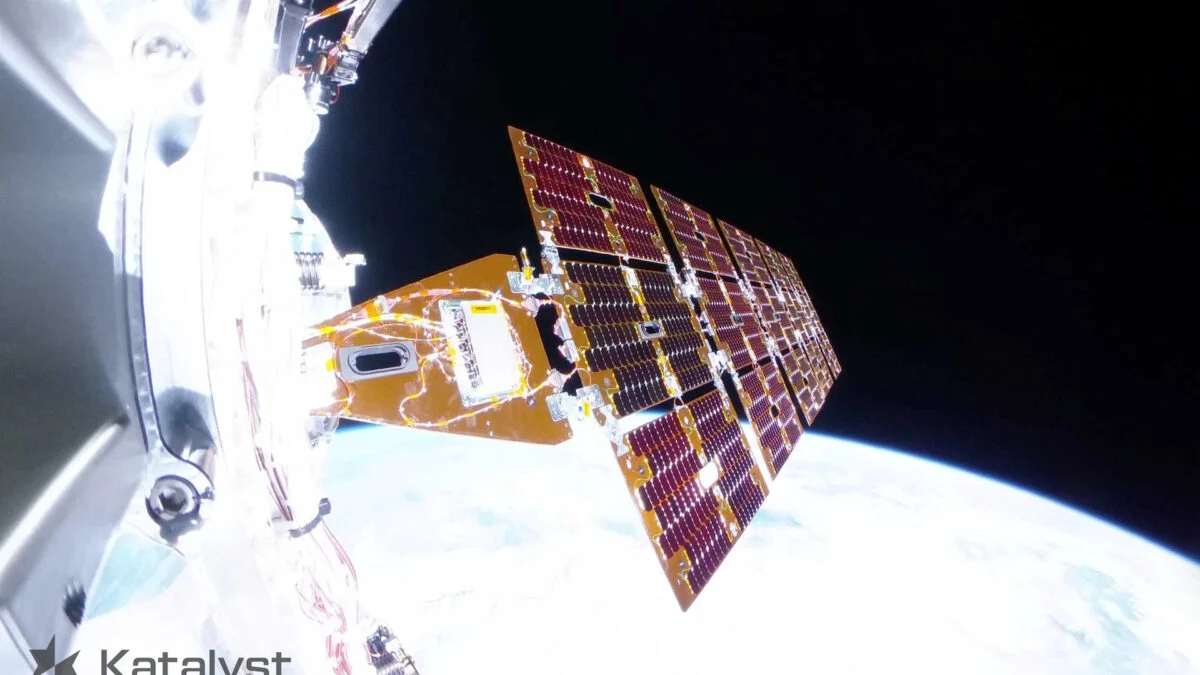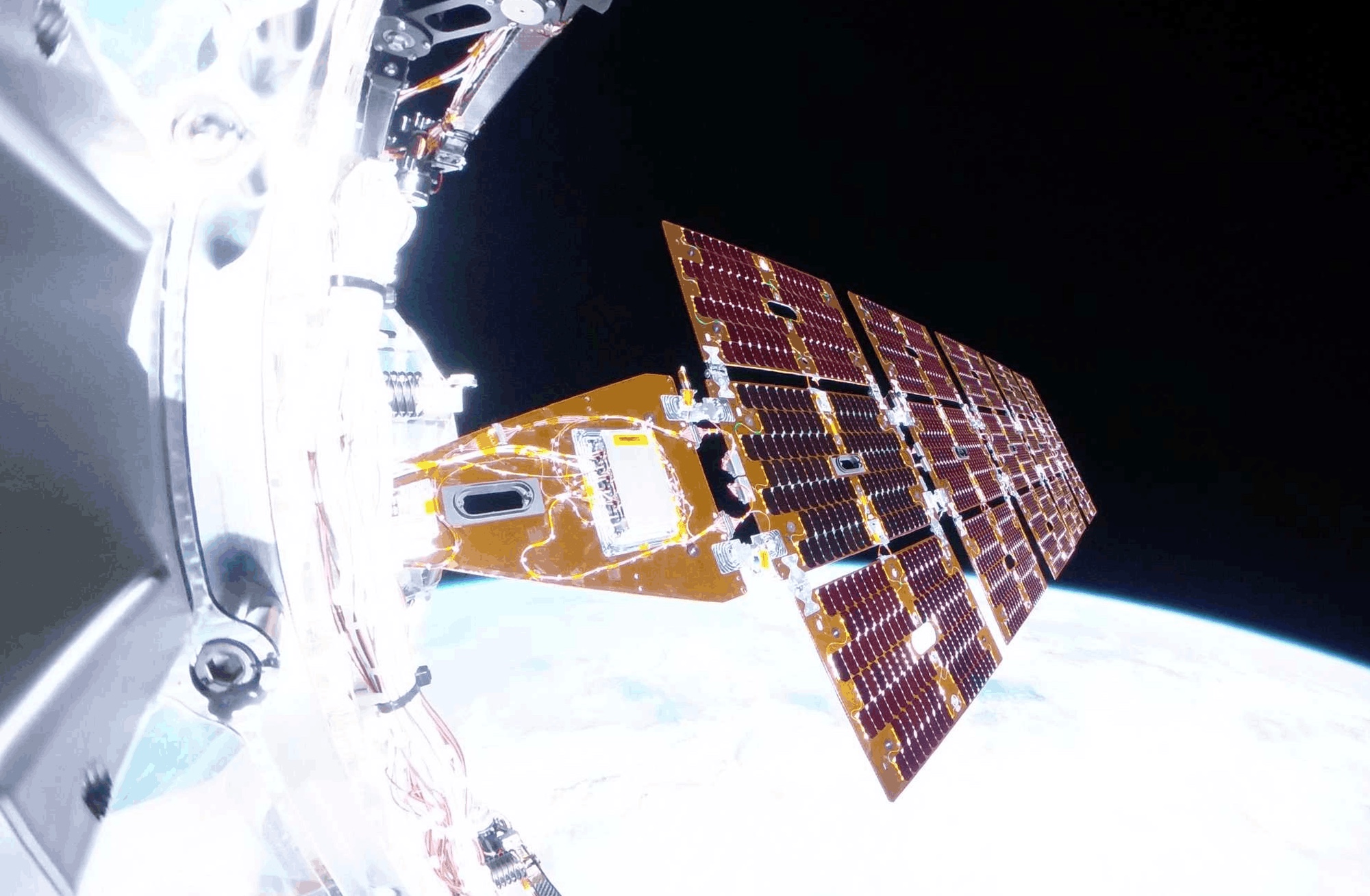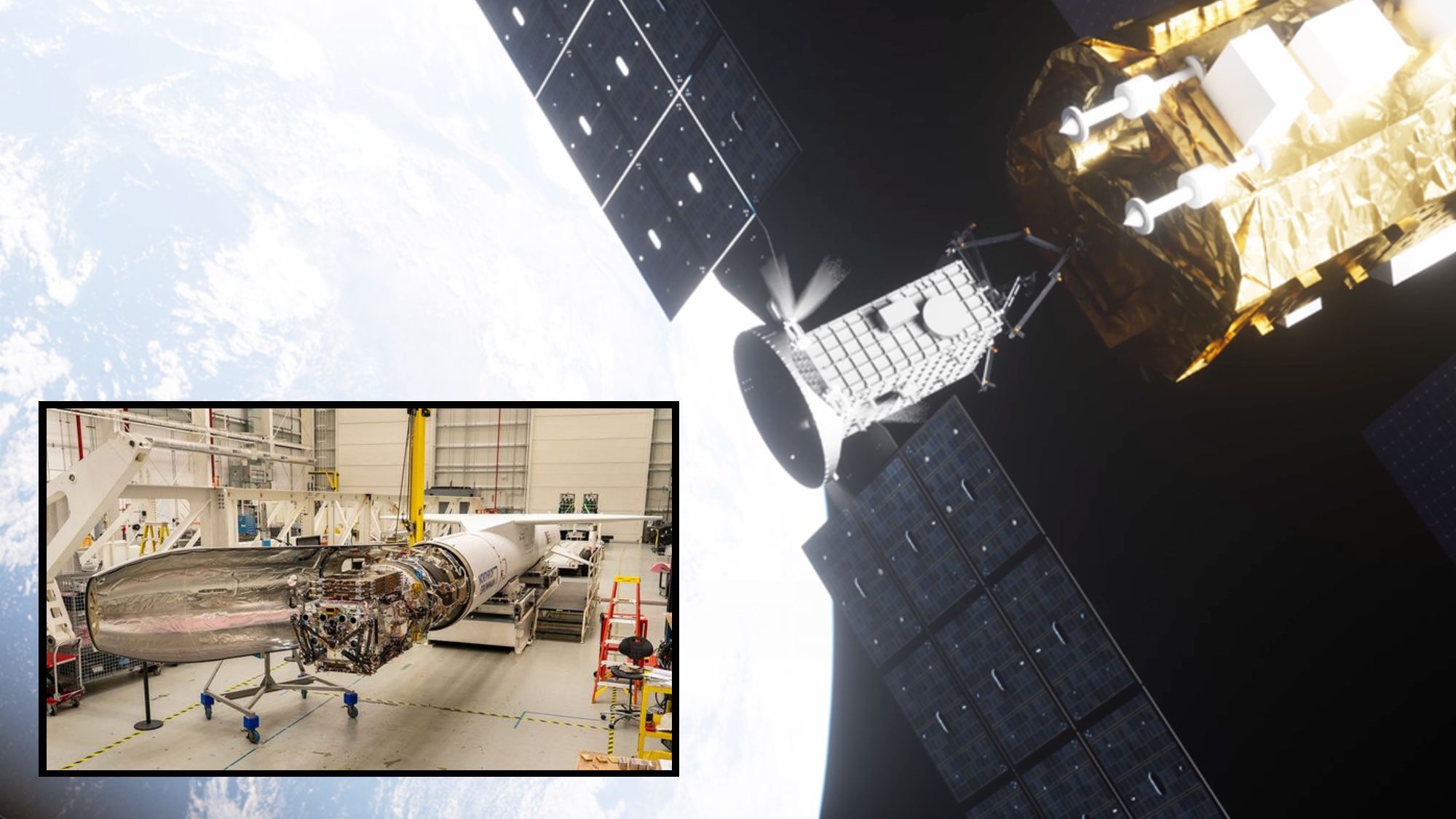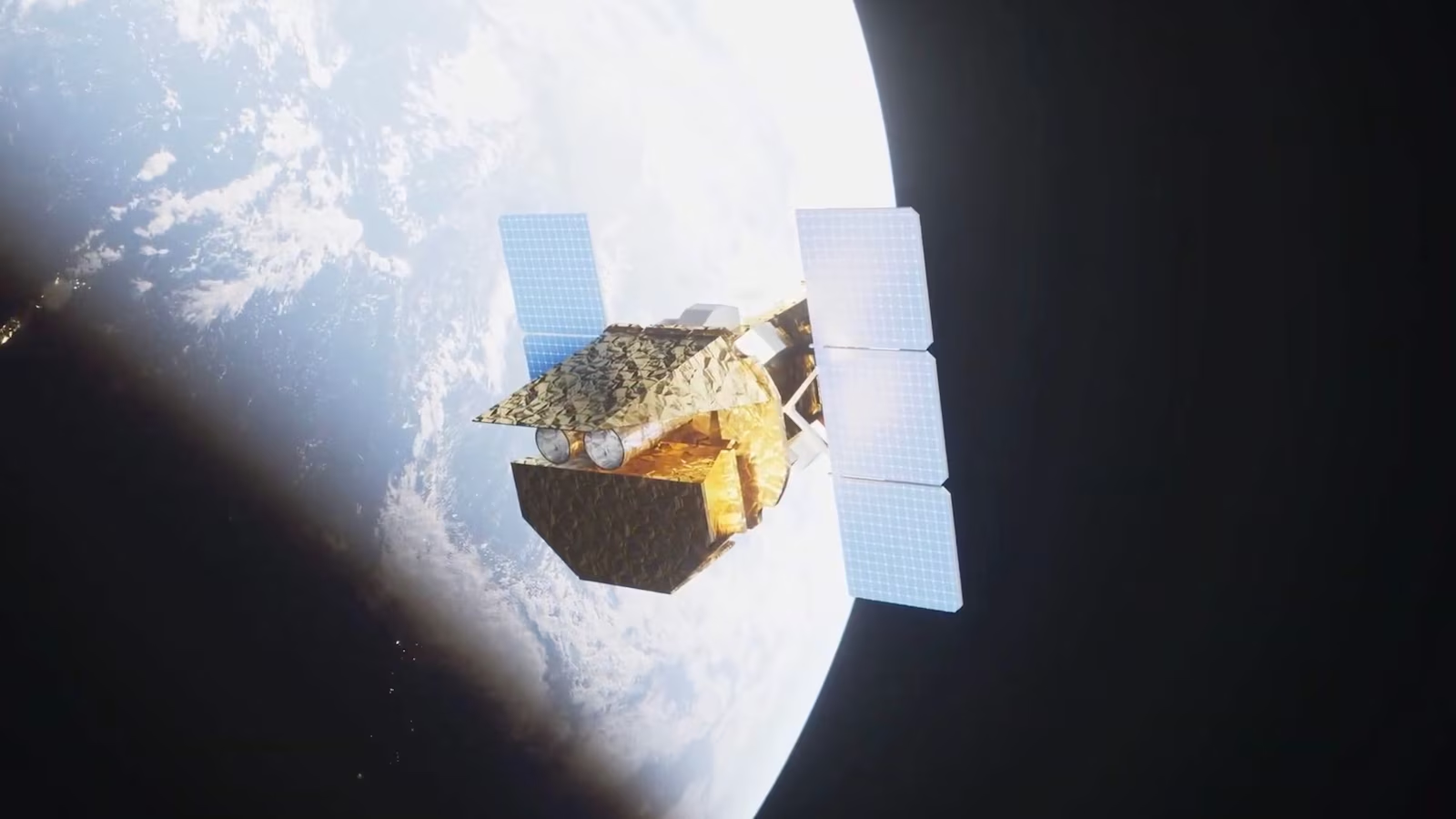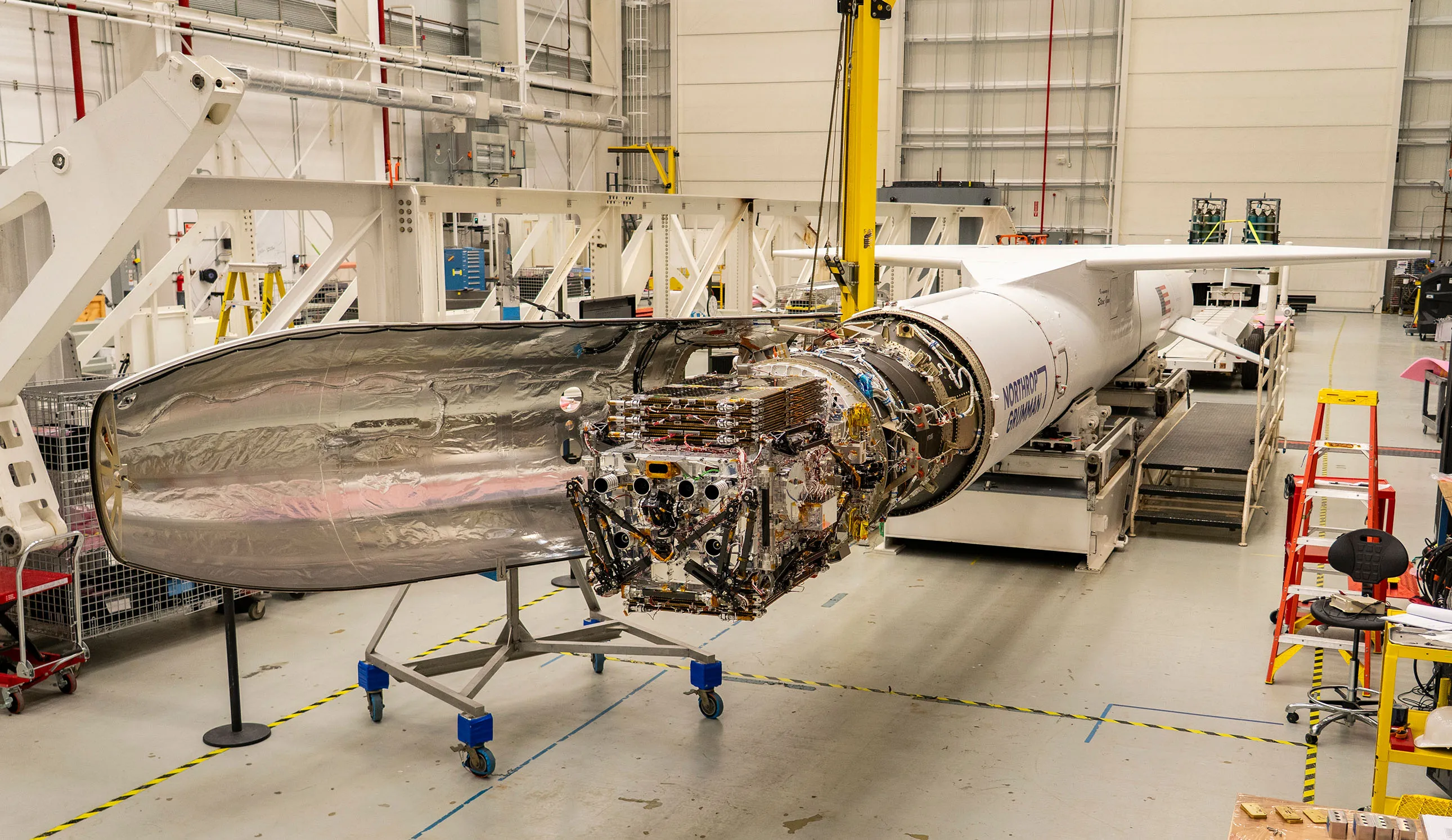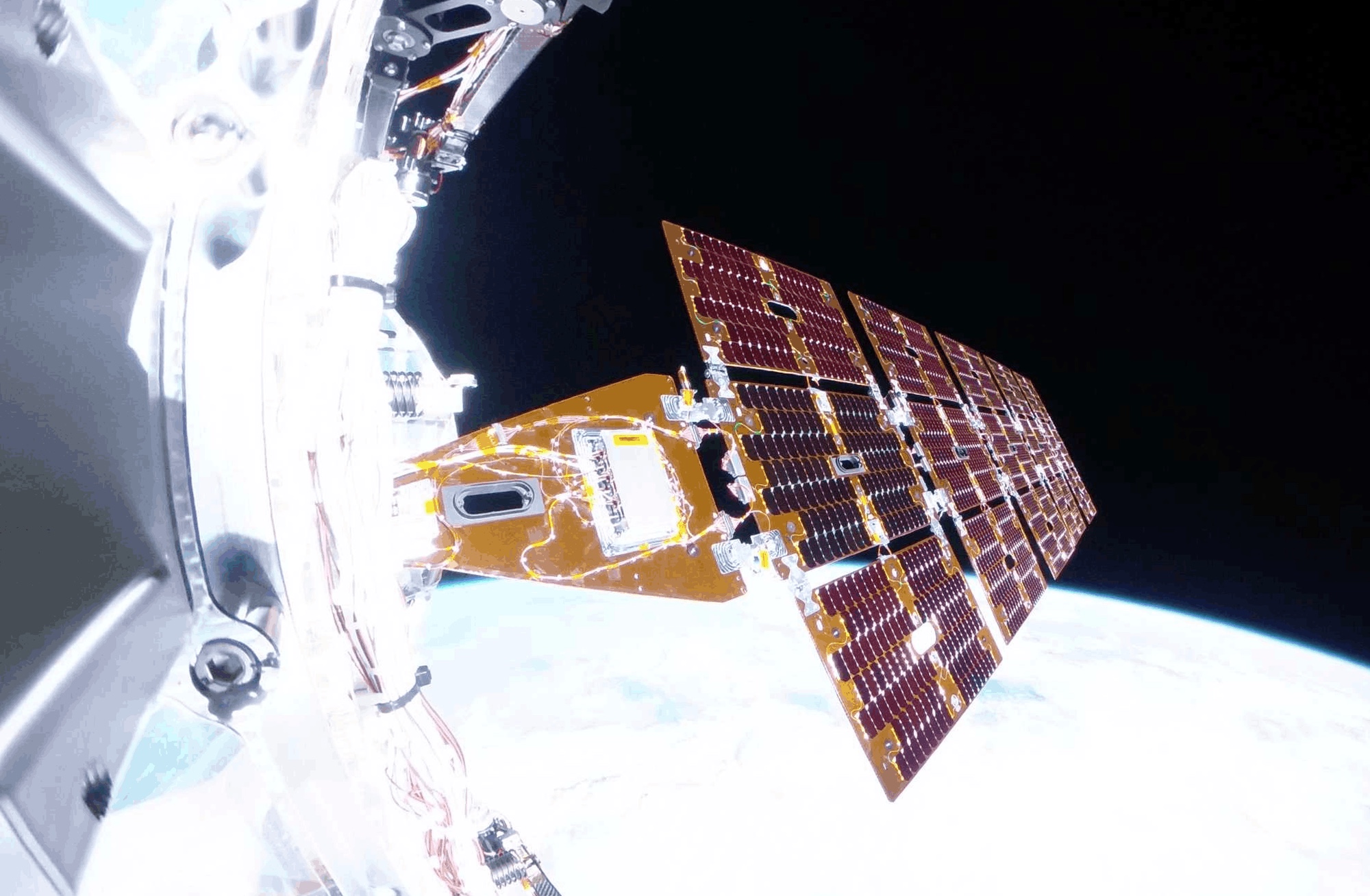
An image released by Katalyst Space Technologies showing a deployed solar panel on its Link spacecraft, launched July 3. Credit: Katalyst Space Technologies
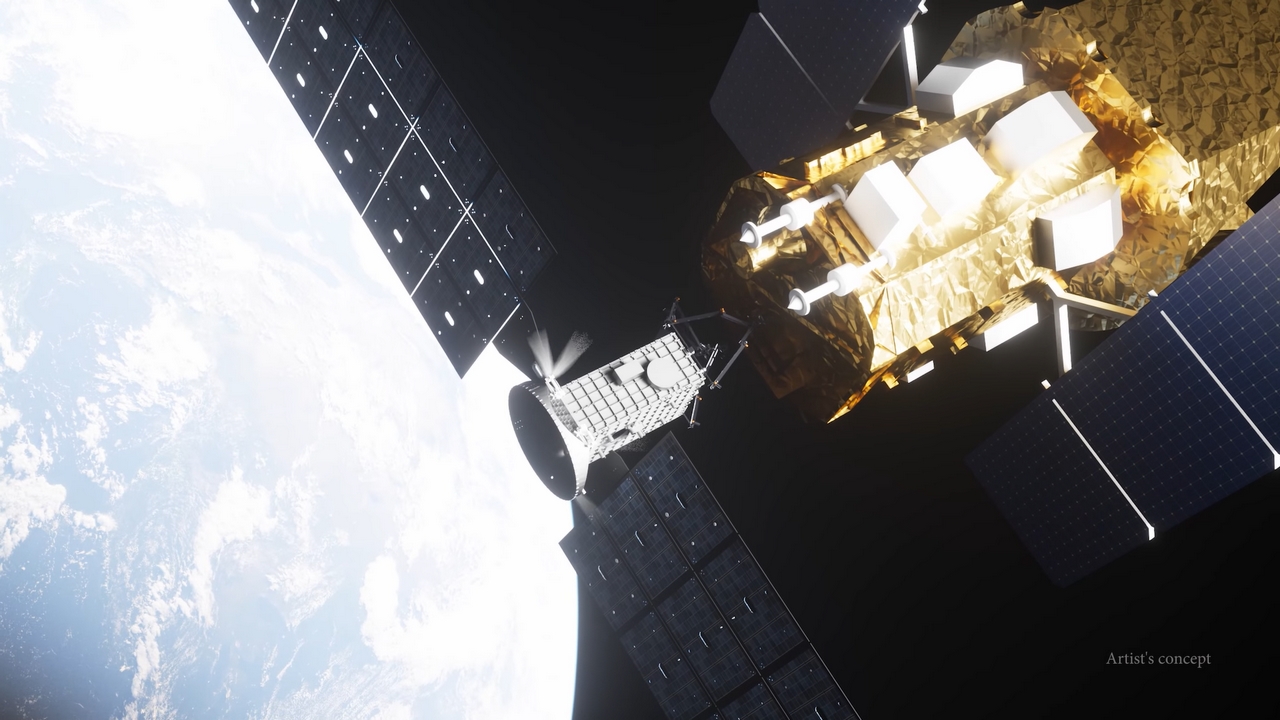
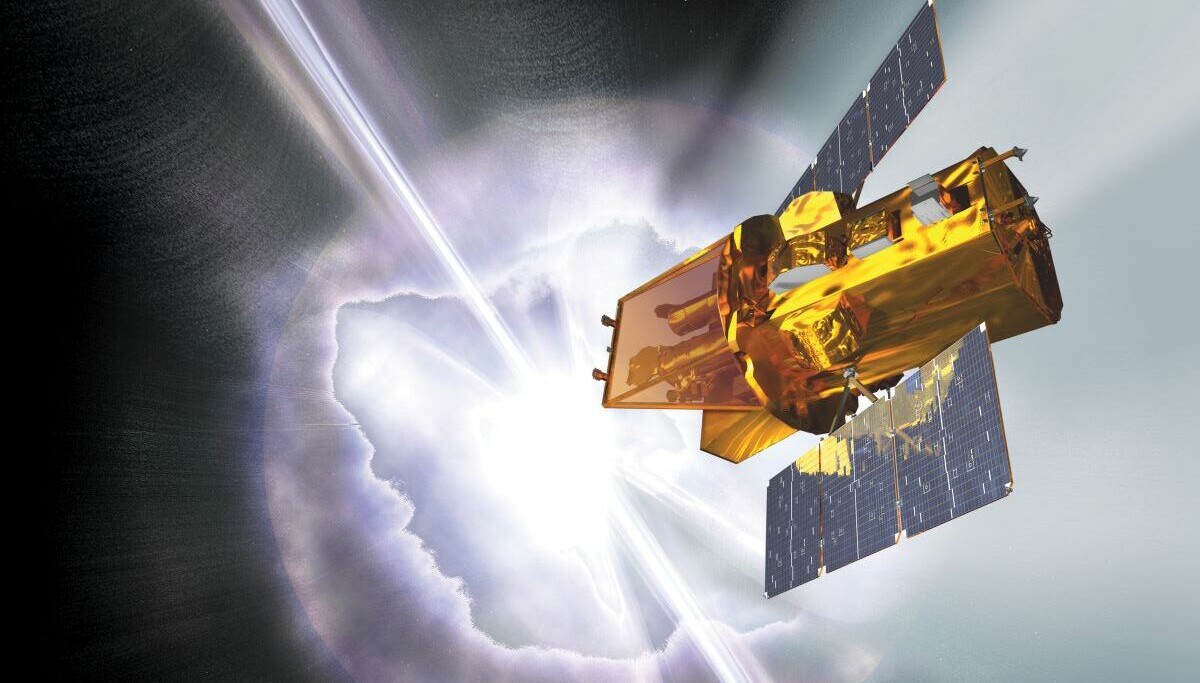
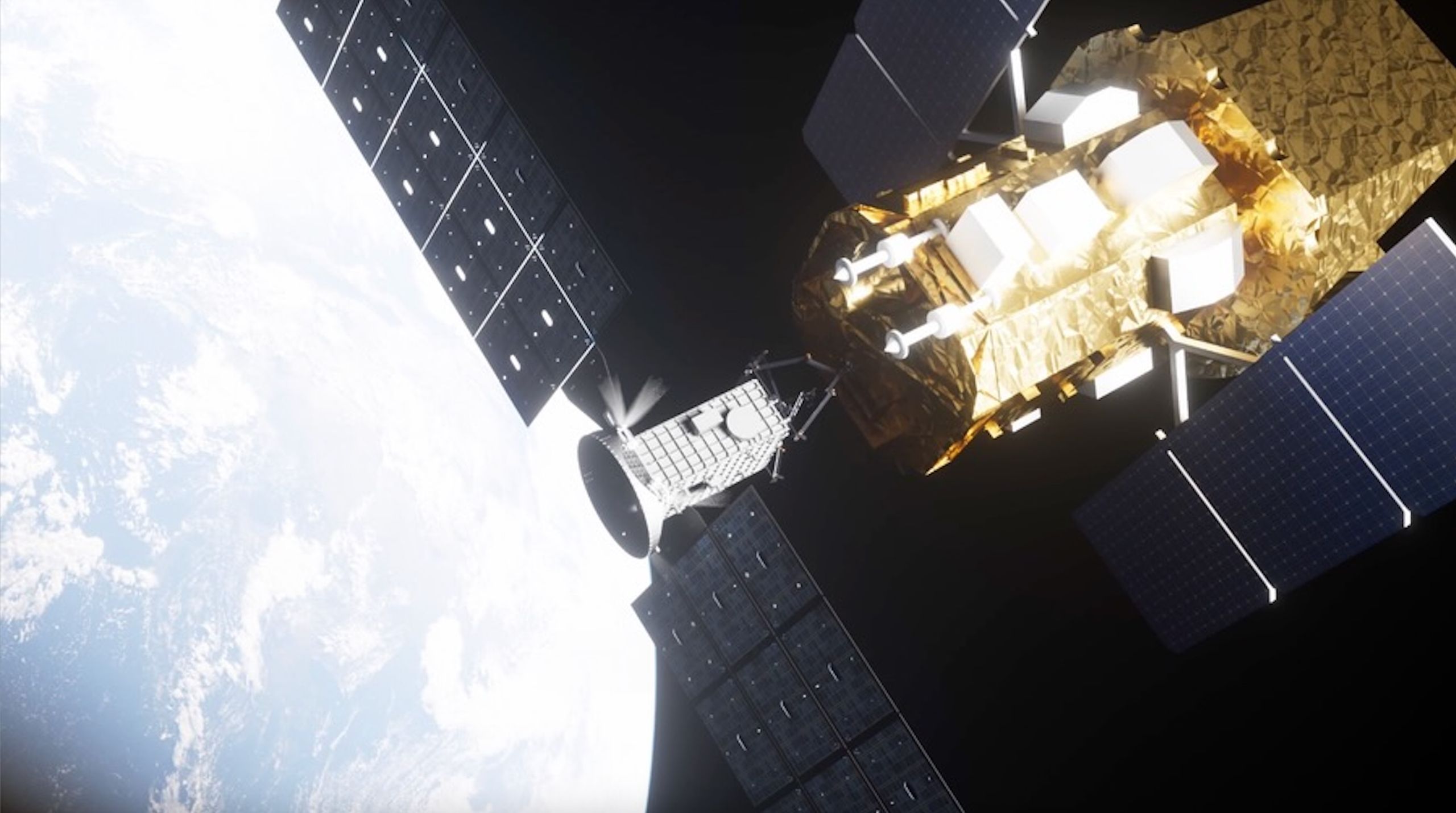
WASHINGTON — The company that developed a spacecraft to boost the orbit of a NASA observatory says it is making progress in recovering from its own spacecraft’s problems.
In a social media post last week, Katalyst Space Technologies said it had slowed the spin of its Link spacecraft, which had entered what the company said on July 28 was a “multi-axis spin” because of technical issues encountered during post-launch commissioning.
“LINK was spinning at approximately 9 degrees per second when recovery operations began,” the company stated. “The team has since reduced the spacecraft’s body rate to 1.47 degrees per second, where it will remain while the team prepares for the next phase of the mission.”
Controllers used one of the spacecraft’s electric thrusters to slow the spin, a process the company said consumed less than 100 grams of fuel. The company has not disclosed how much fuel remains on the spacecraft, but it said it was conserving propellant for later phases of the mission.