Spin slows as orbital rescue mission creeps forward
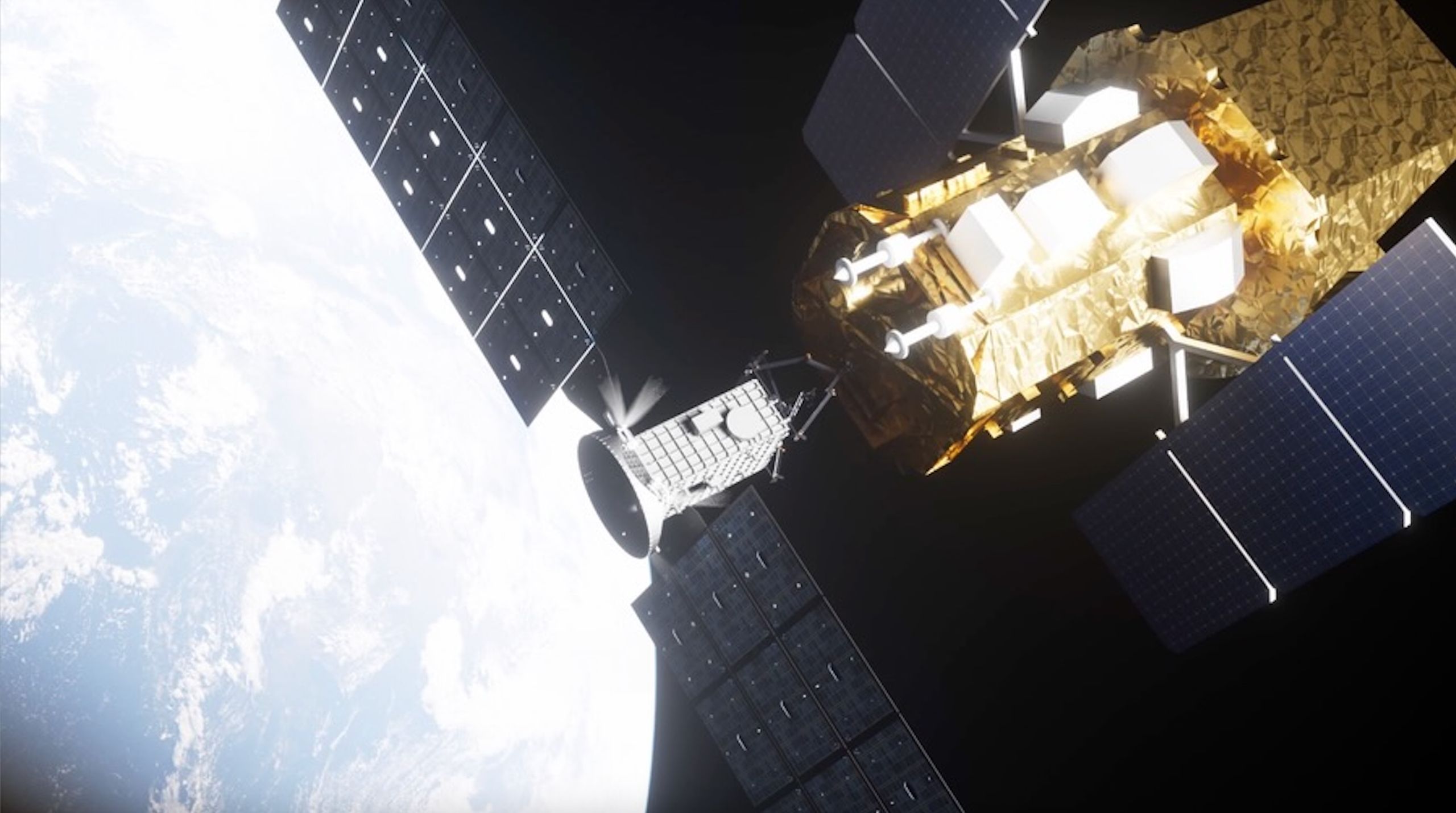
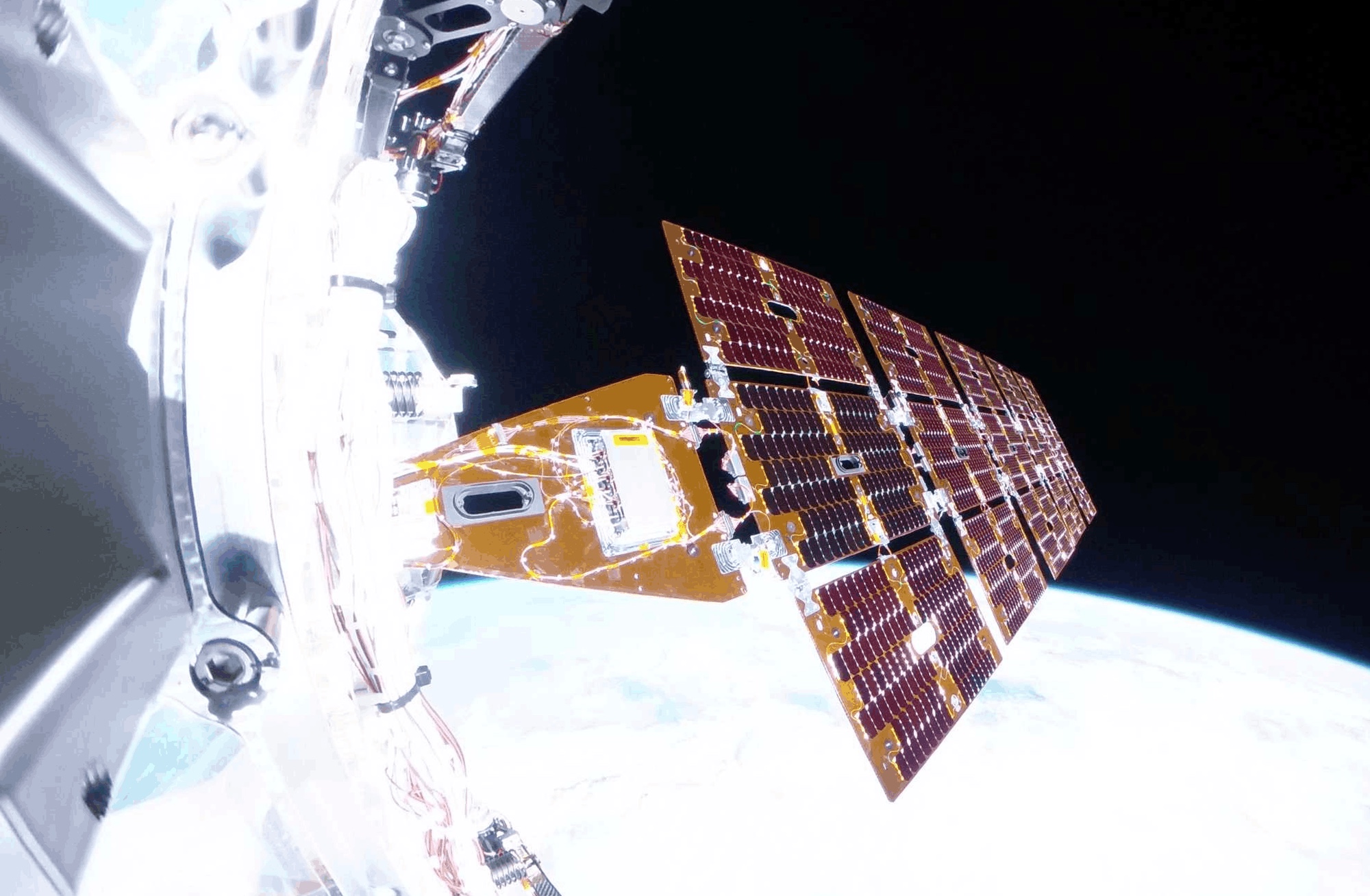
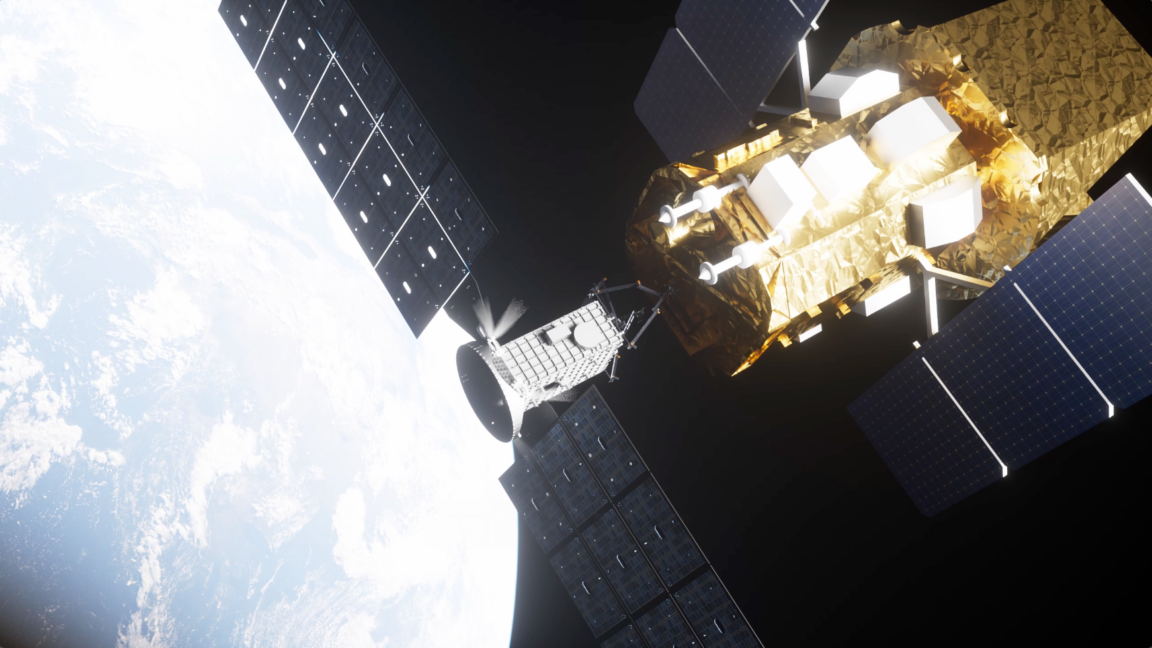
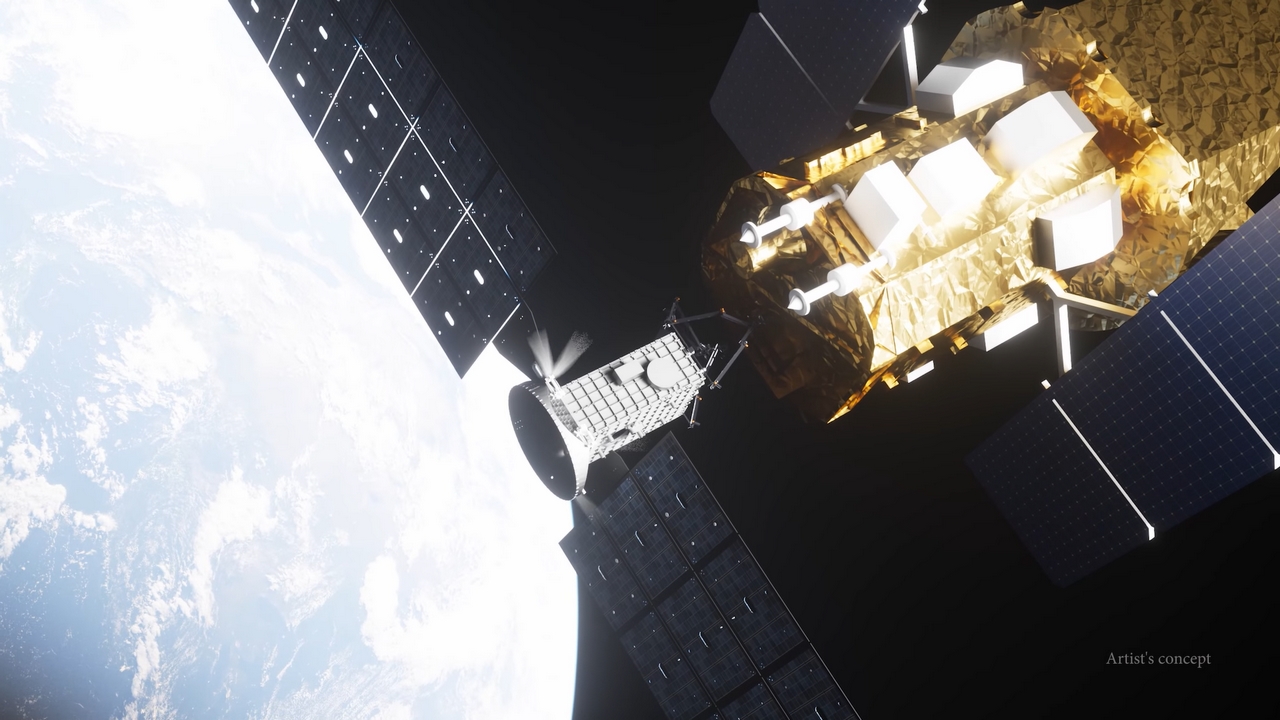
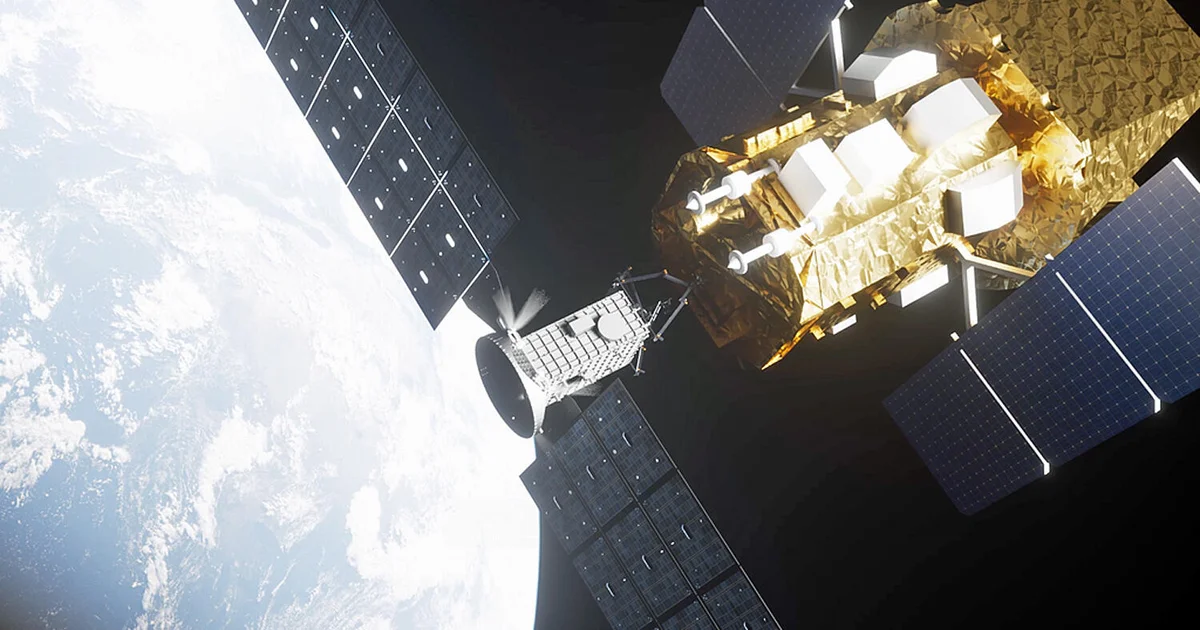
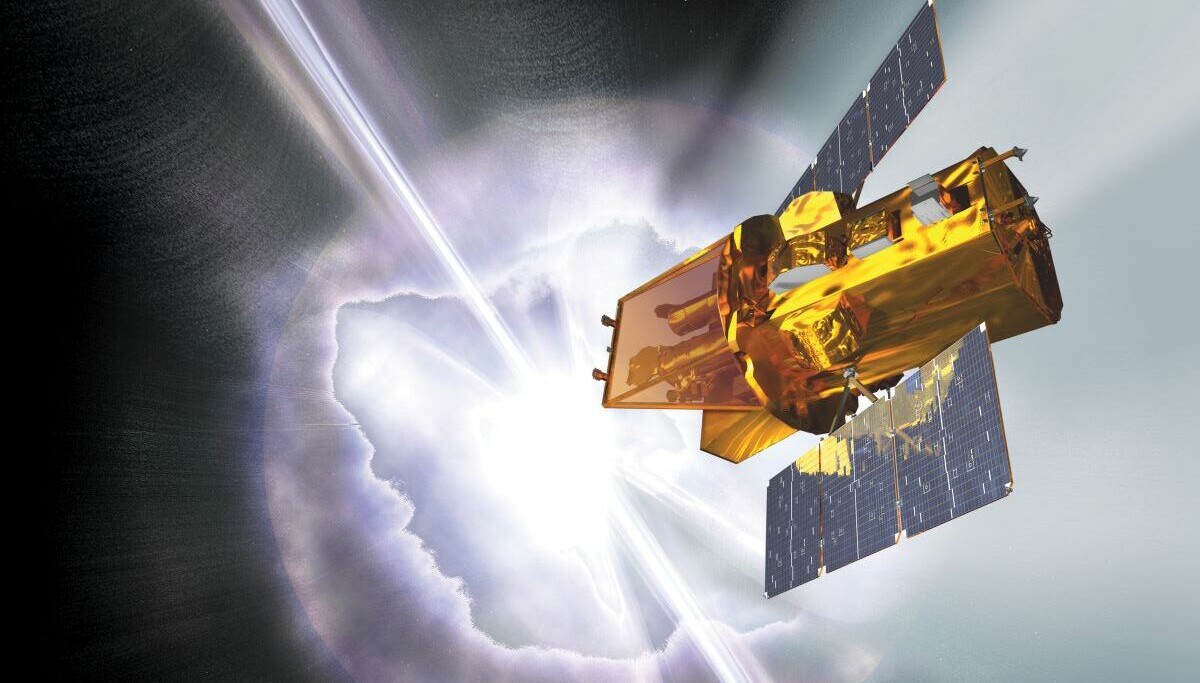
Katalyst Space is continuing to make progress in the rescue of the spacecraft that is supposed to rescue NASA's Swift observatory.The spin of the LINK vehicle, which was launched in July on a mission to raise the orbit of NASA's Swift observatory, is now 1.47 degrees per second, down from 9 degrees per second when recovery operations began. According to Katalyst Space, it will remain at there "while the team prepares for the next phase of the mission."The next step is a "significant" flight software update. With a substantial chunk of the attitude control system with which LINK launched now inoperable, a change was inevitable to reflect the spacecraft's new configuration. Katalyst Space stated, "This will restore full attitude control and allow the team to begin the phasing maneuvers needed to align LINK’s orbit with Swift."
The company also attempted to allay concerns about how much fuel had been expended in the recovery. One of LINK's electric propulsion thrusters was used to regain control of the spacecraft, and less than 100 grams of propellant was consumed "to conserve fuel for the rendezvous and boost phase of the mission." According to NASA, LINK's three ion thrusters are powered by approximately 130 pounds (60 kg) of xenon gas.