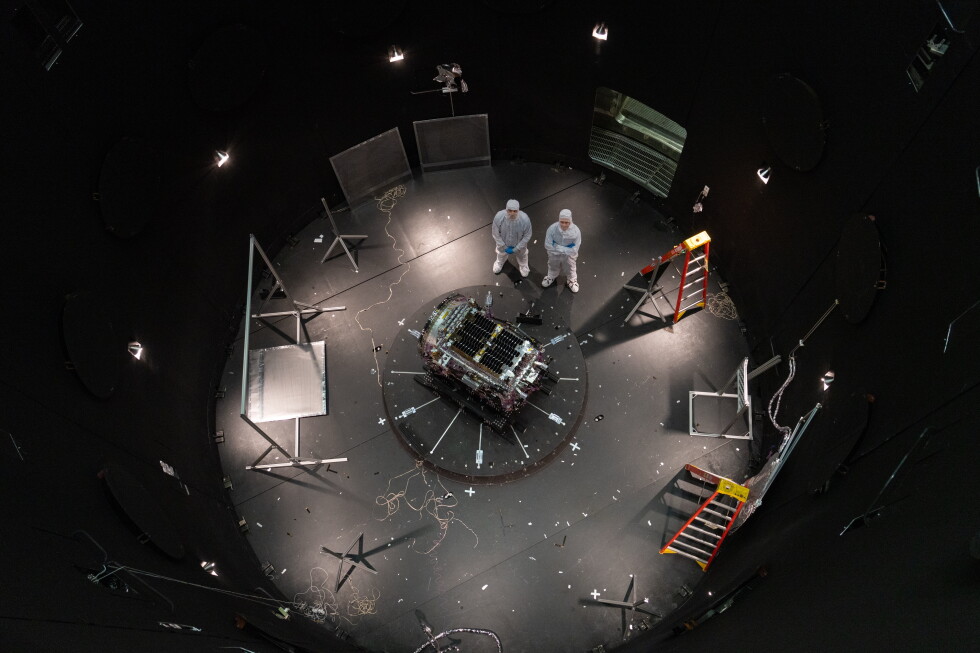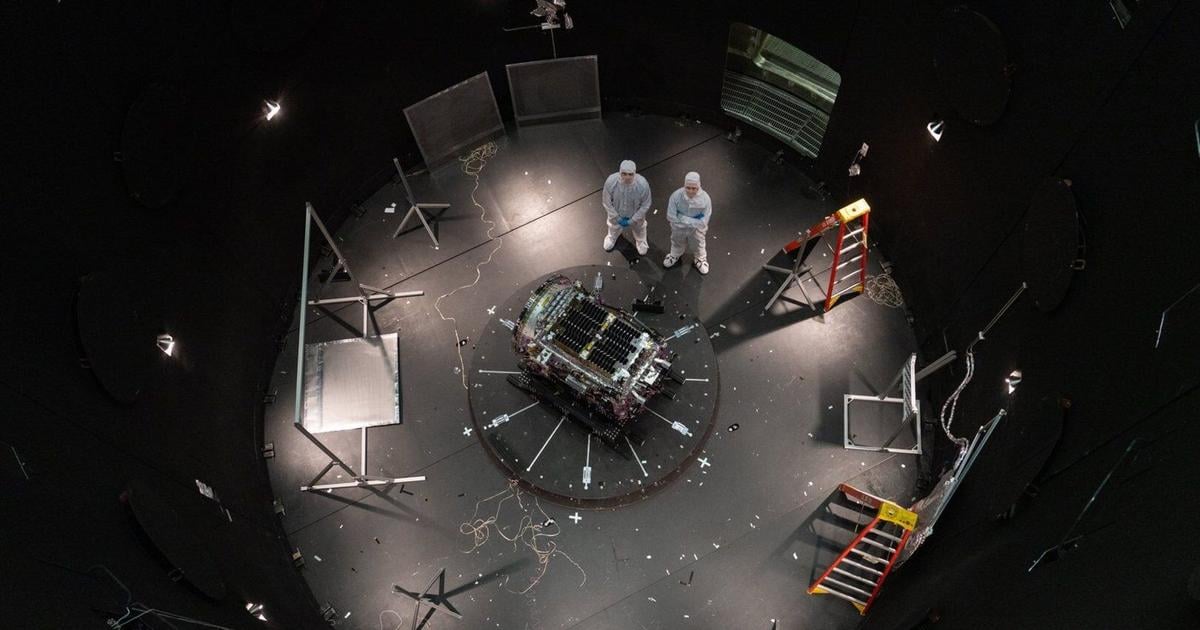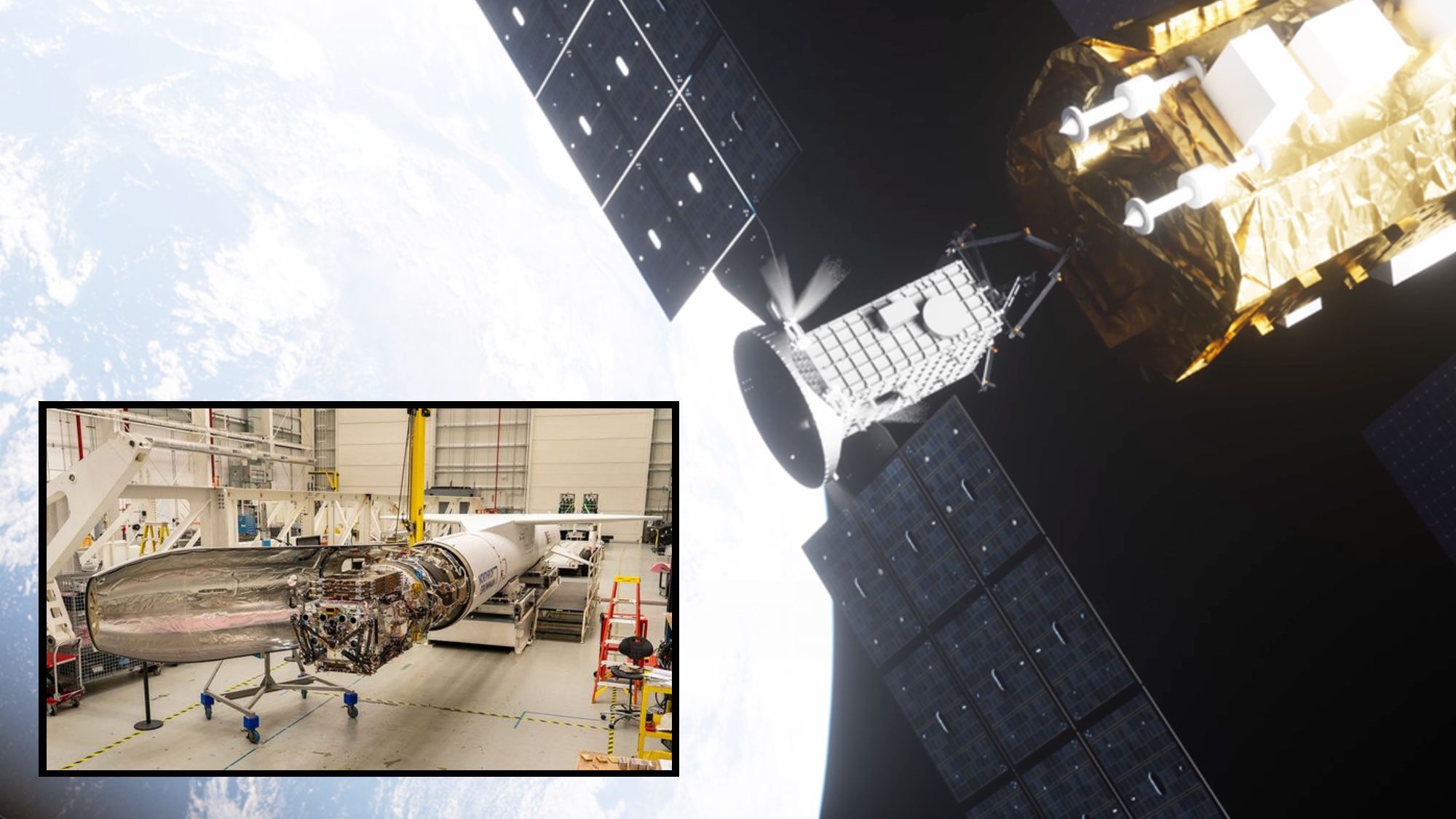
Earlier this month, NASA sent a servicing mission to stop one of its satellites from falling out of the sky. The satellite in distress is awaiting a slight nudge to move it into a safer orbit, but its long-awaited rescue is currently in jeopardy. The servicing spacecraft, developed by contractor Katalyst Space Technologies, experienced issues with attitude control over the weekend, NASA shared in an update. This has caused the spacecraft, dubbed LINK, to spin while in orbit and resulted in sporadic communications. The team behind the mission is currently working to stop LINK’s unfortunate orbital tumble and reestablish a stable attitude. Fix your attitude The three-armed LINK spacecraft took off on July 3 onboard a converted Lockheed L-1011 aircraft from Kwajalein Atoll in the South Pacific. LINK was then launched into space from an altitude of 7.6 miles (12.2 kilometers) using a Northrop Grumman Pegasus XL rocket.
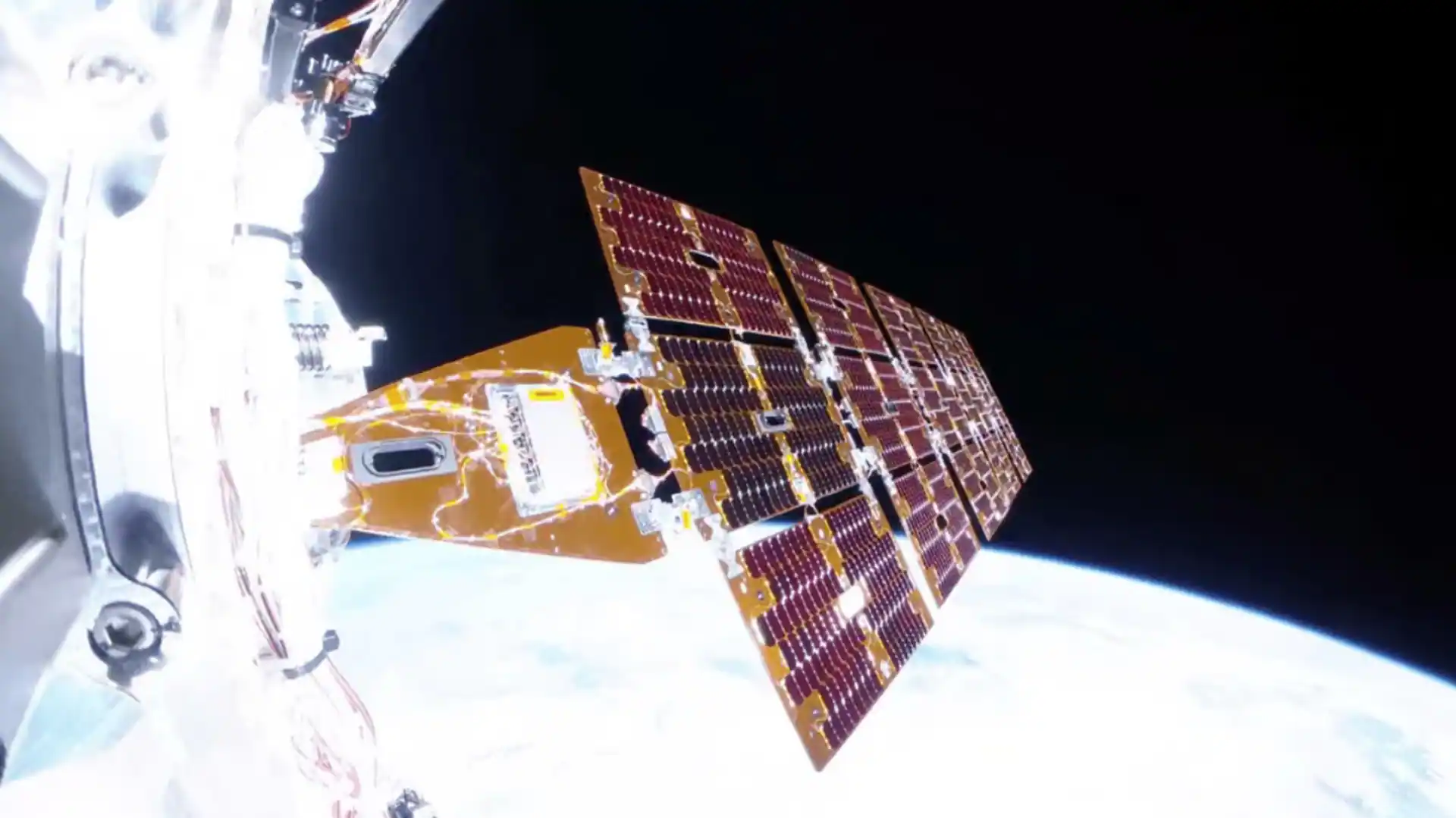
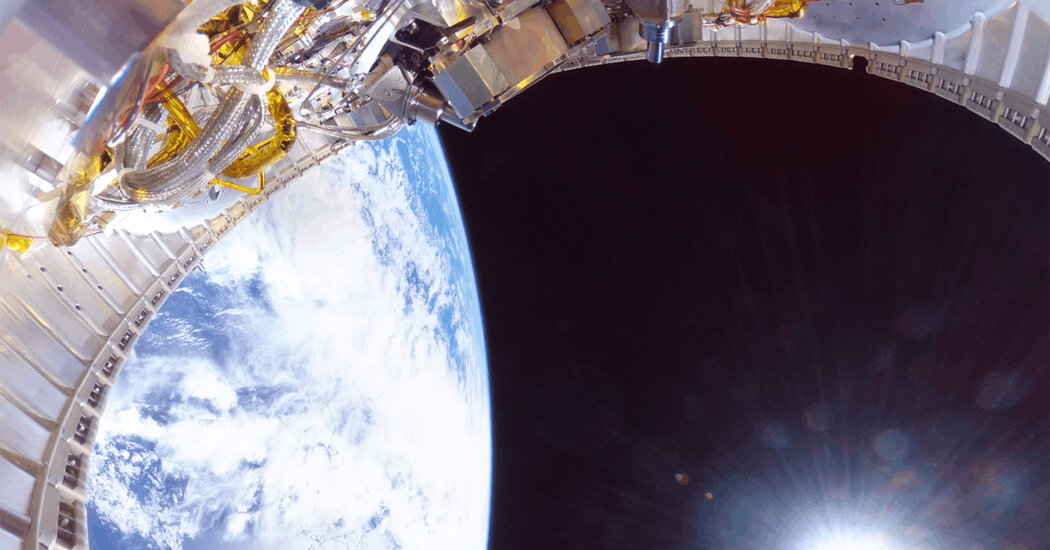
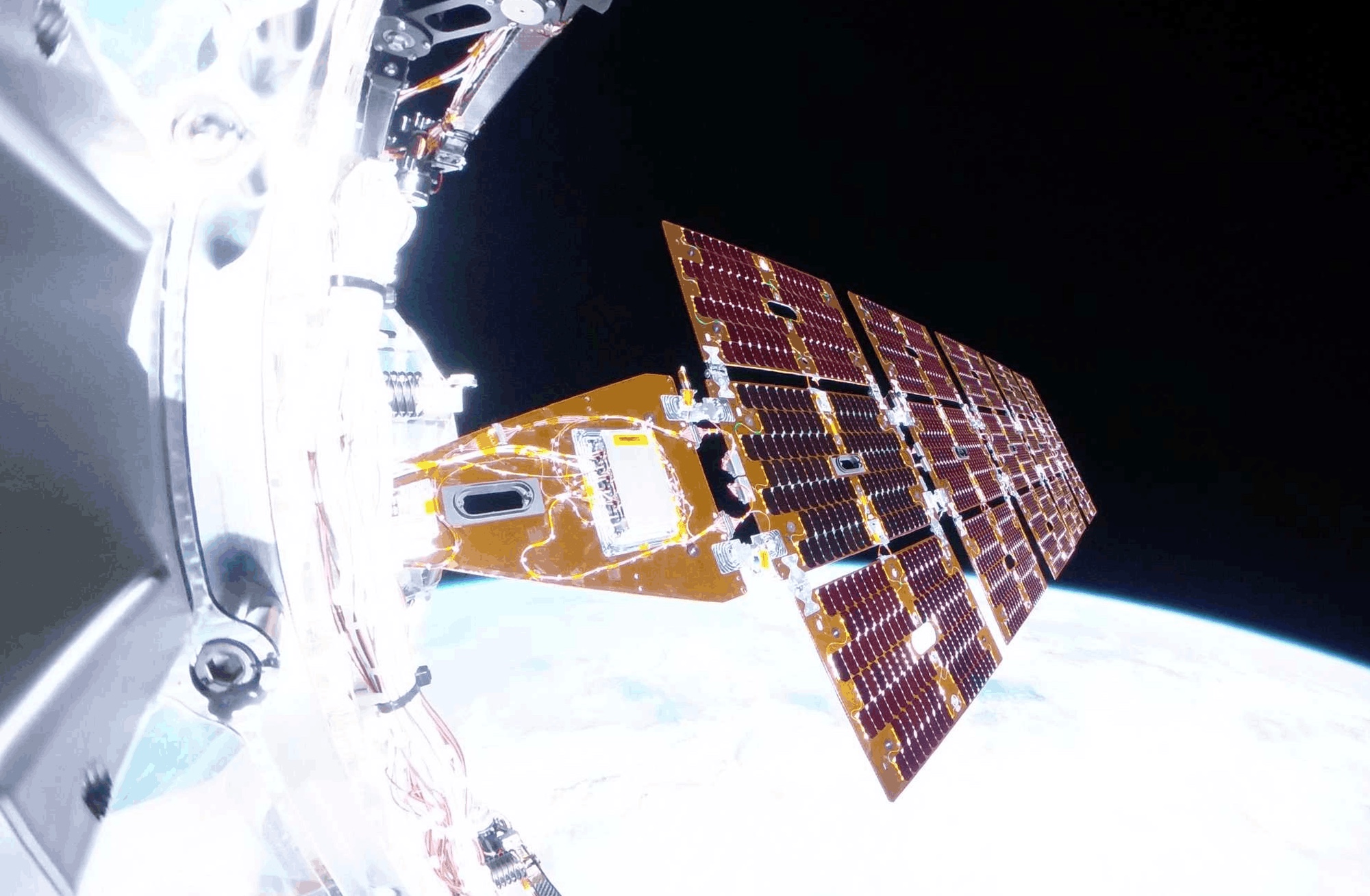
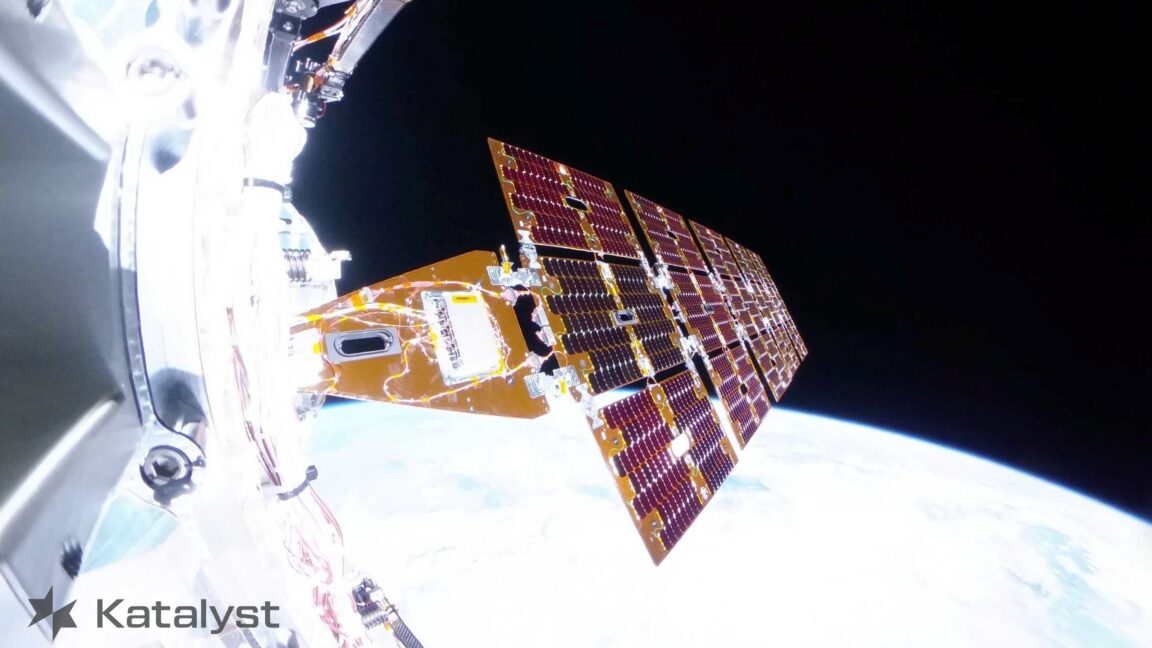
Things were looking good at first as Katalyst deployed LINK’s solar arrays and established communications with its spacecraft. There were, however, some earlier concerns regarding one of the spacecraft’s three reaction wheels. Reaction wheels control a spacecraft’s orientation and stabilize its rotation using electric motors to discharge momentum. “The Katalyst team also quickly addressed early communications and attitude control issues seen during flight operations, including an issue with one of the spacecraft’s three reaction wheels,” NASA wrote in an update on July 15. “After identifying the cause, they implemented flight software patches and operational updates that restored reliable communications and stable attitude control.”