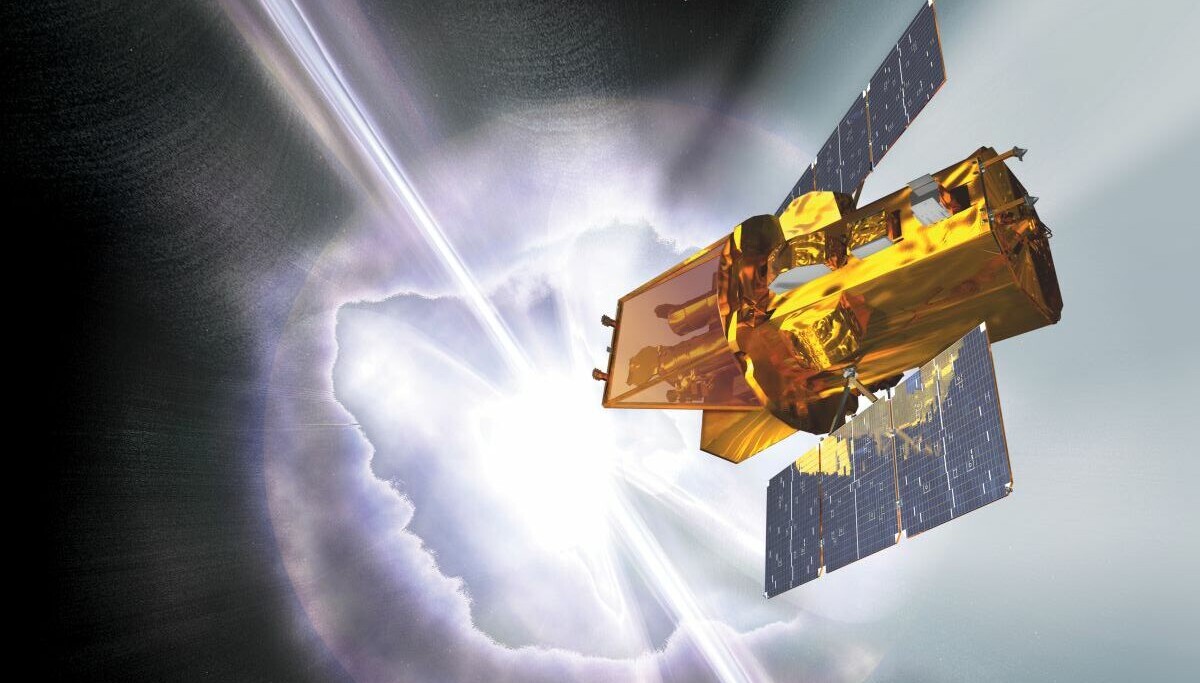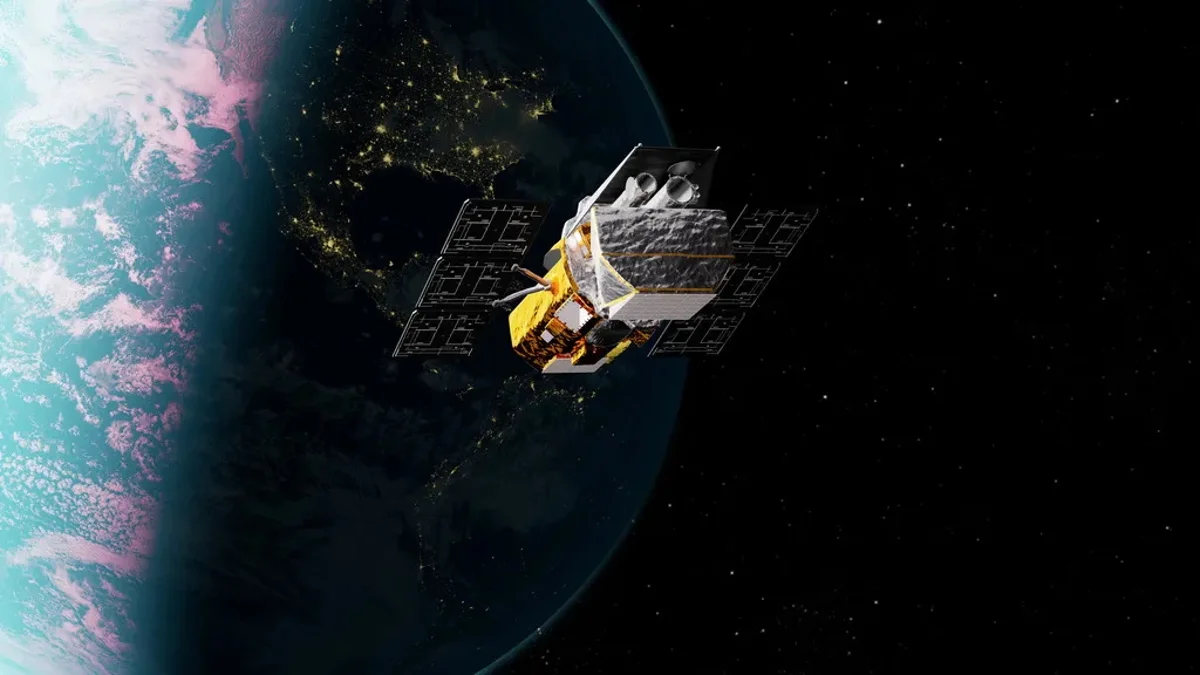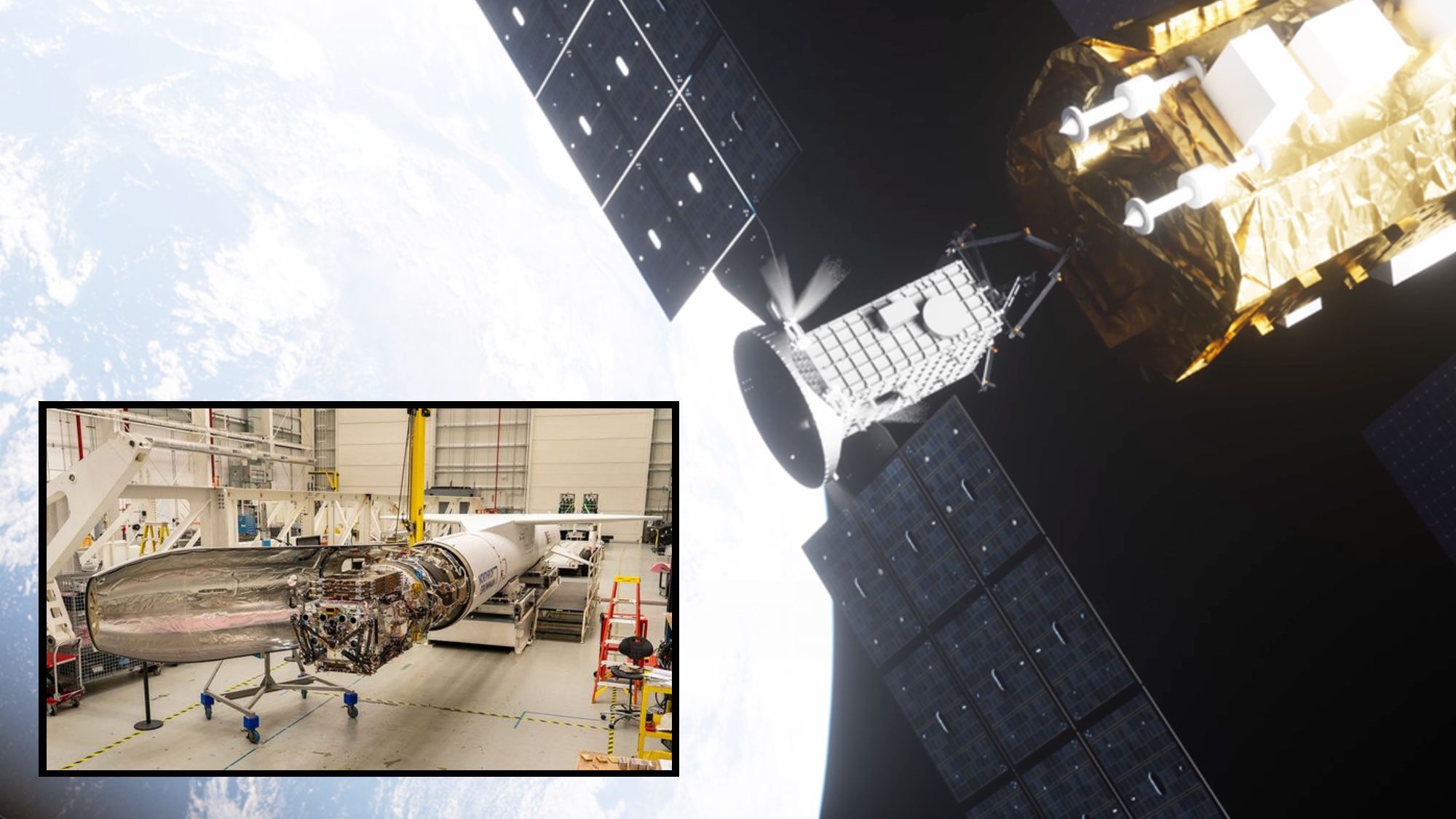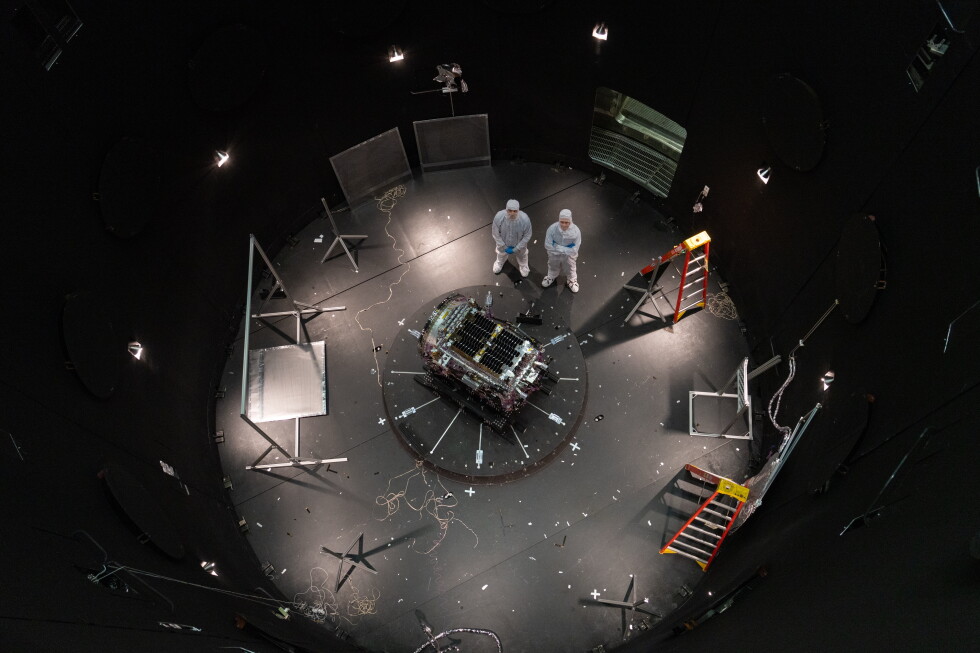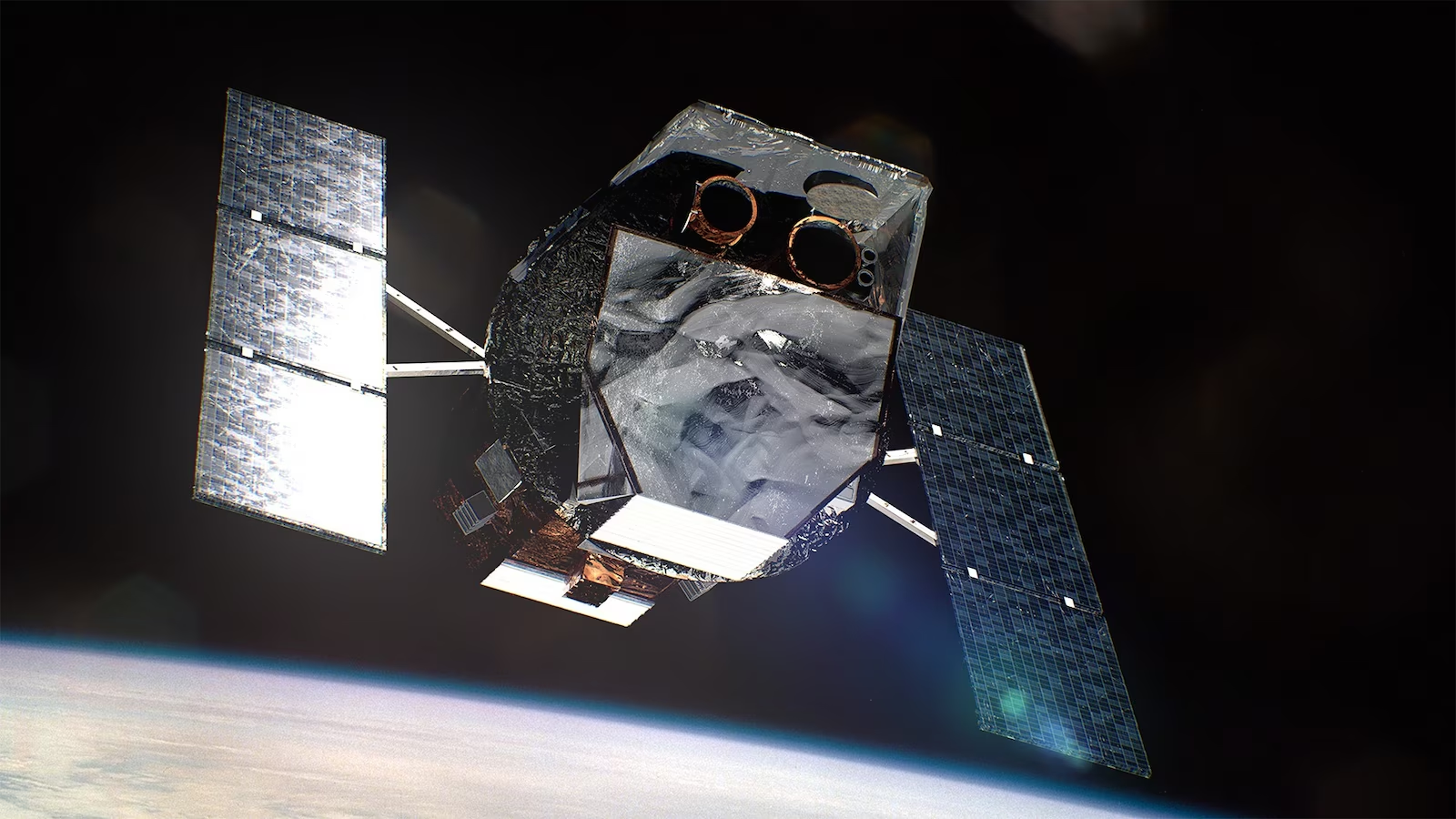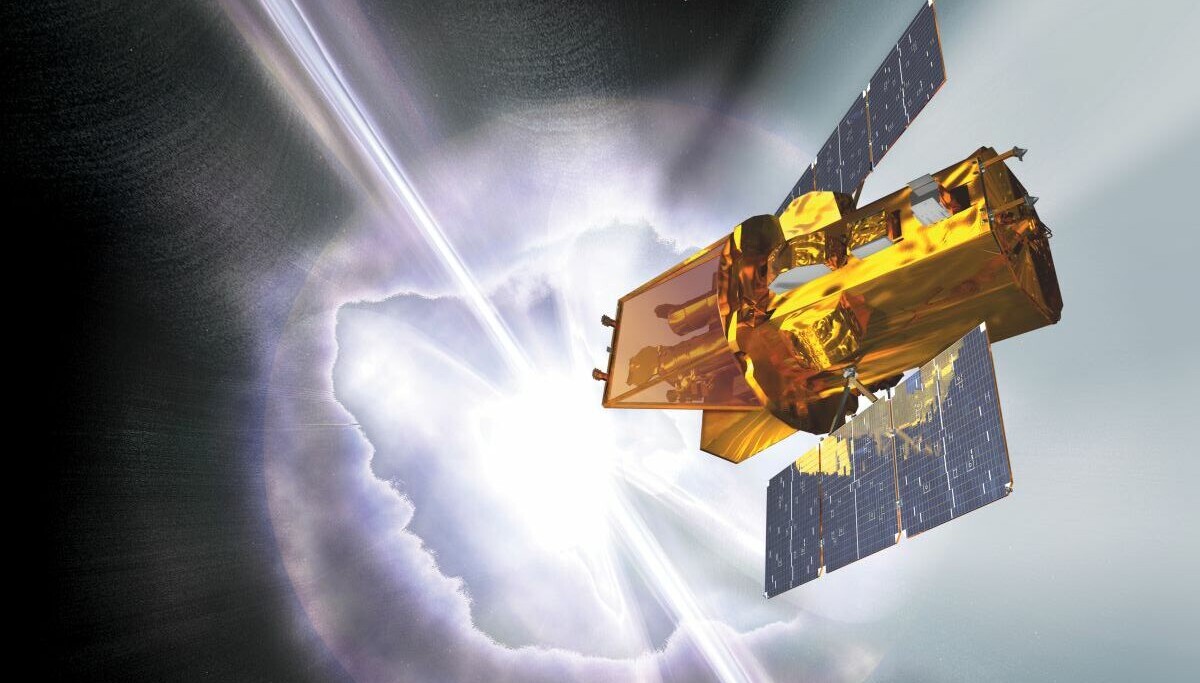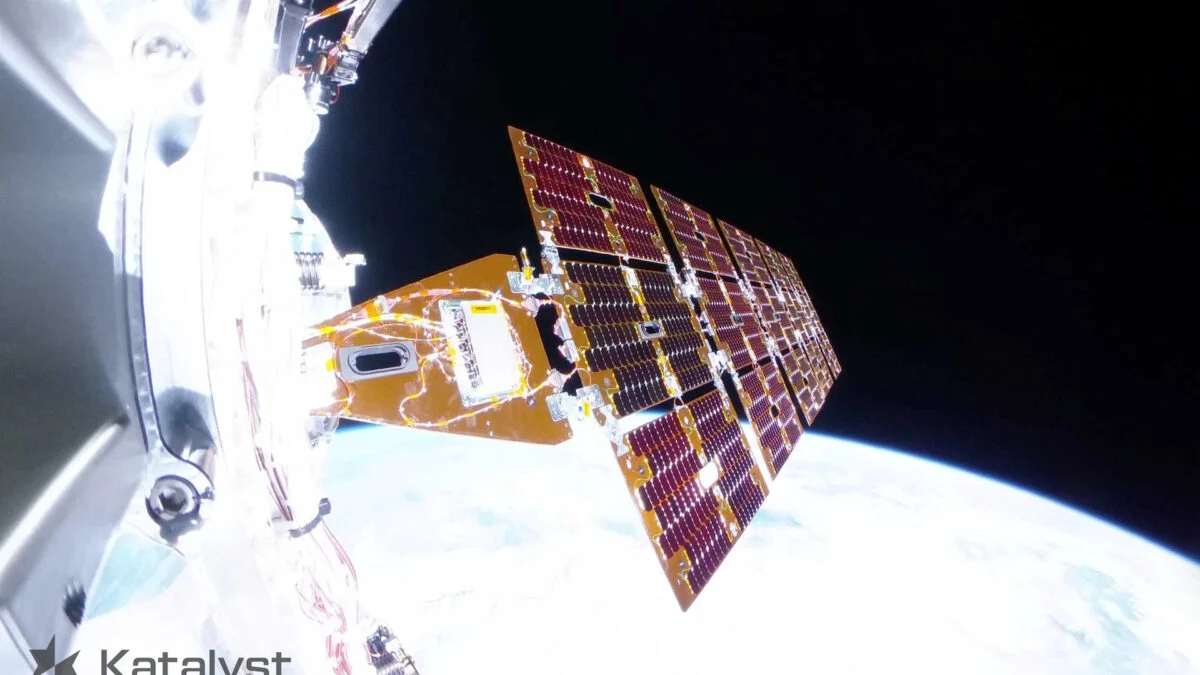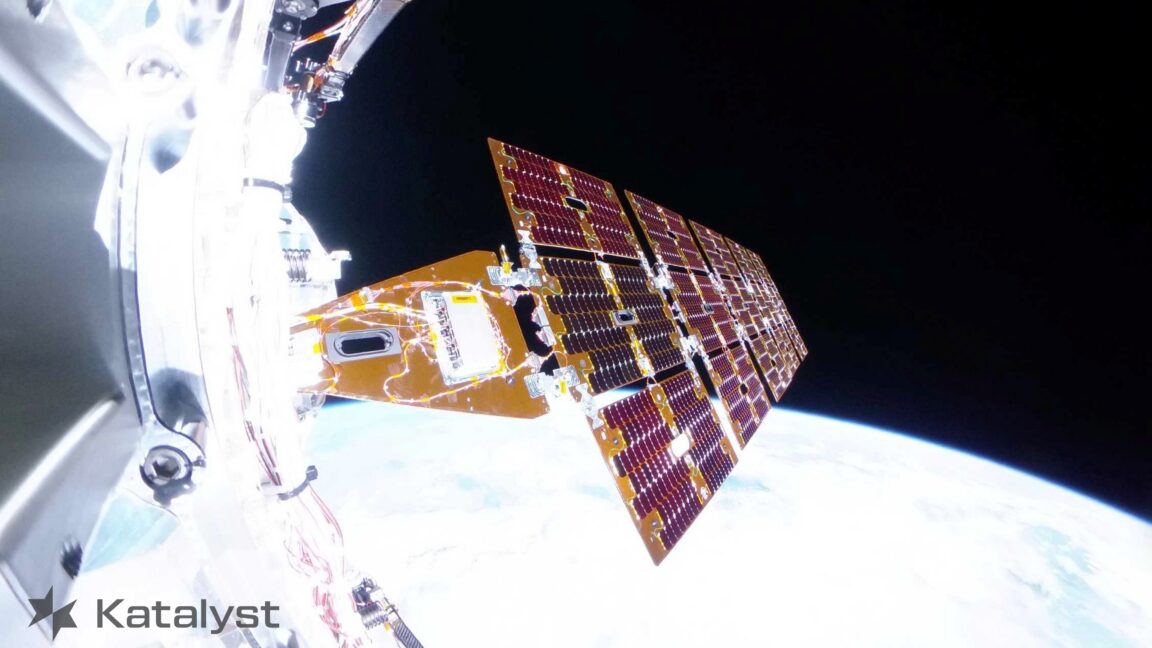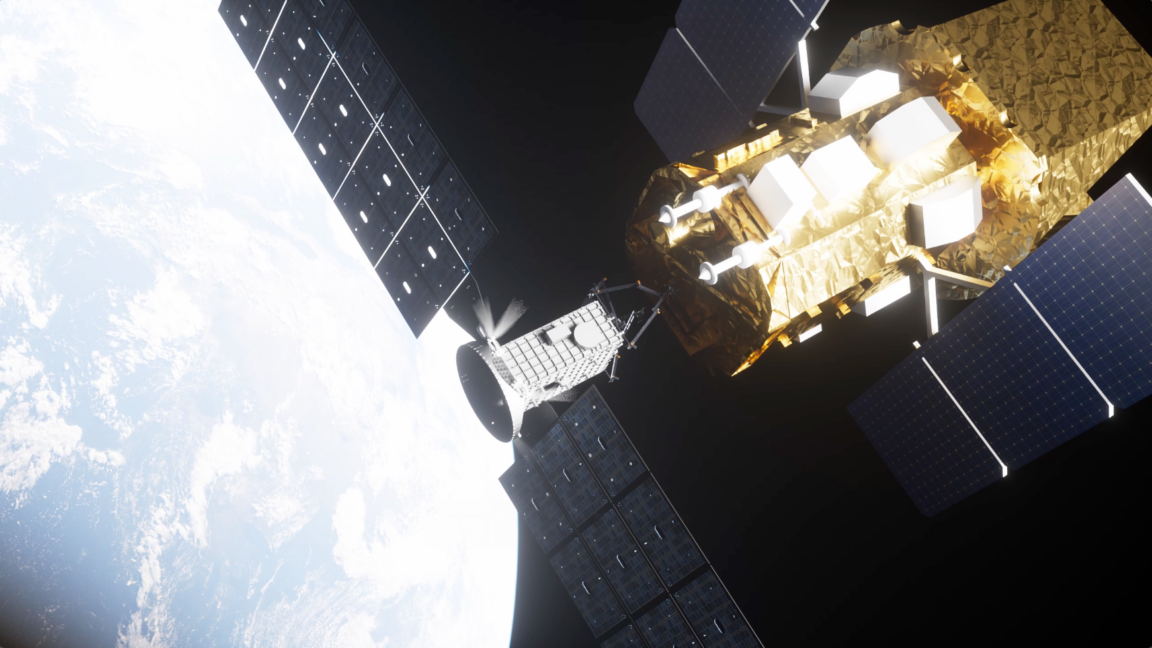
Extending Swift’s scientific mission was not the only consideration when NASA officials selected Katalyst to build and launch a satellite to boost Swift’s orbit. The space agency is using the rescue mission as a technology demonstration and as a way to test the mettle of the commercial satellite servicing industry.
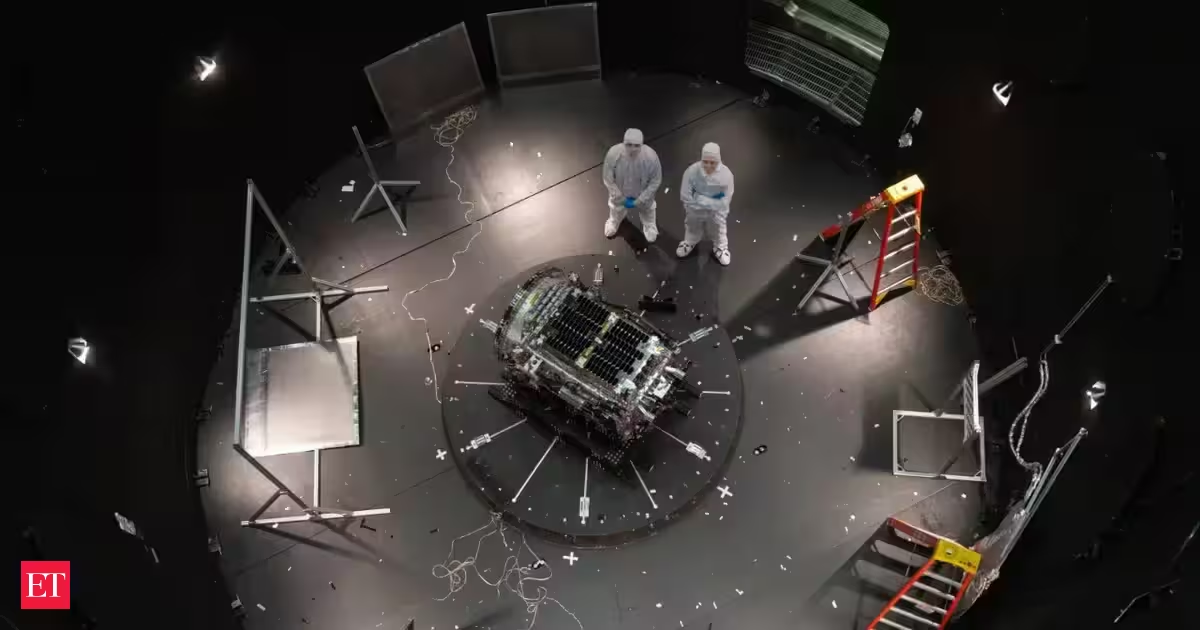
With Swift’s orbit rapidly decaying, NASA gave Katalyst nine months to build and launch the Link satellite, an unusually fast timeline for such a complex mission. Katalyst answered the call and delivered the Link satellite for integration with the Pegasus rocket in early June. Poor weather and a technical glitch with the rocket delayed the launch until July 3.
No matter the outcome of the Swift rescue attempt, NASA officials said last month they were already pleased with the results. “From a programmatics standpoint, I consider this a success already, just from the fact that we’re even going to try this,” said Shawn Domagal-Goldman, director of NASA’s astrophysics division.
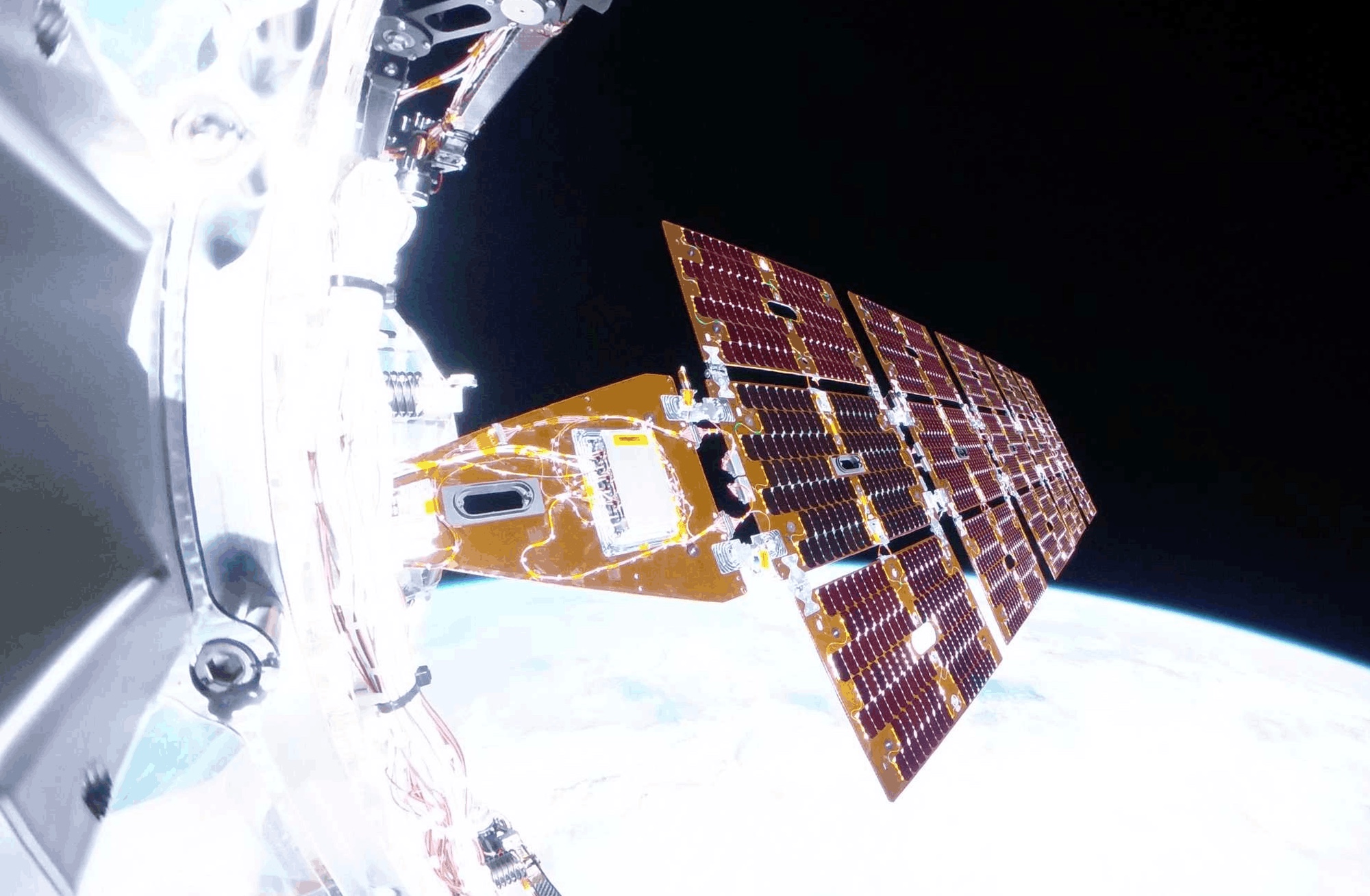
Katalyst’s Link spacecraft is still generating sufficient electrical power in communication with ground teams, NASA said. That gives engineers time to develop a plan to address the reaction wheel problems.