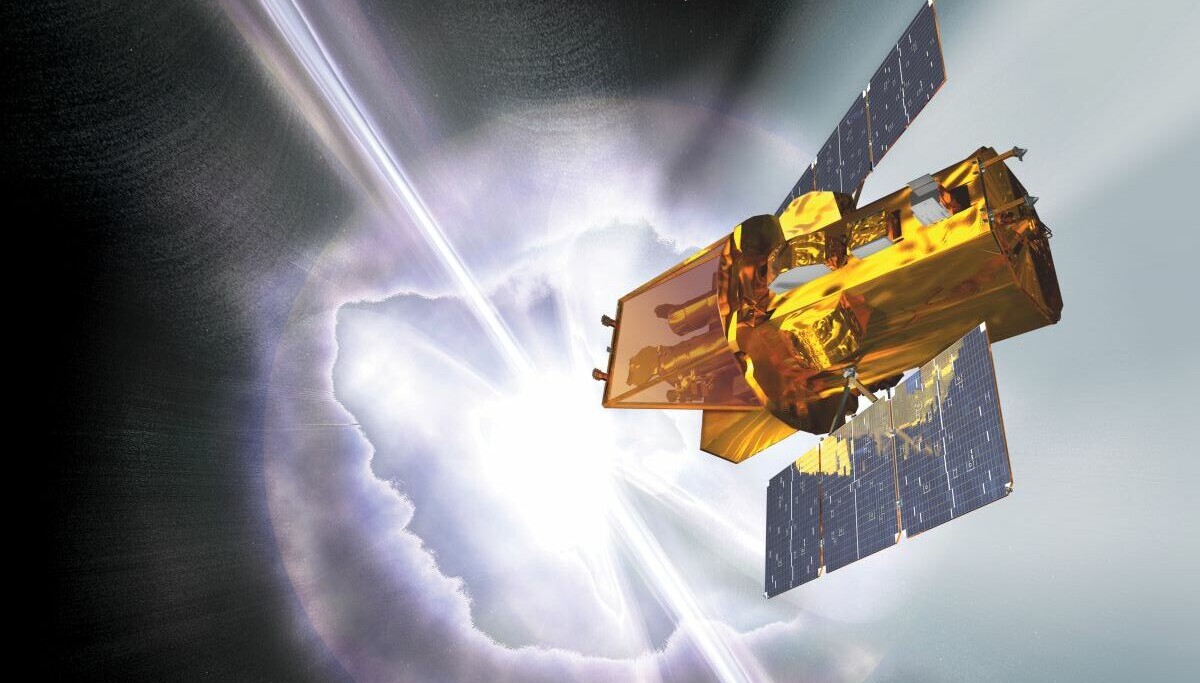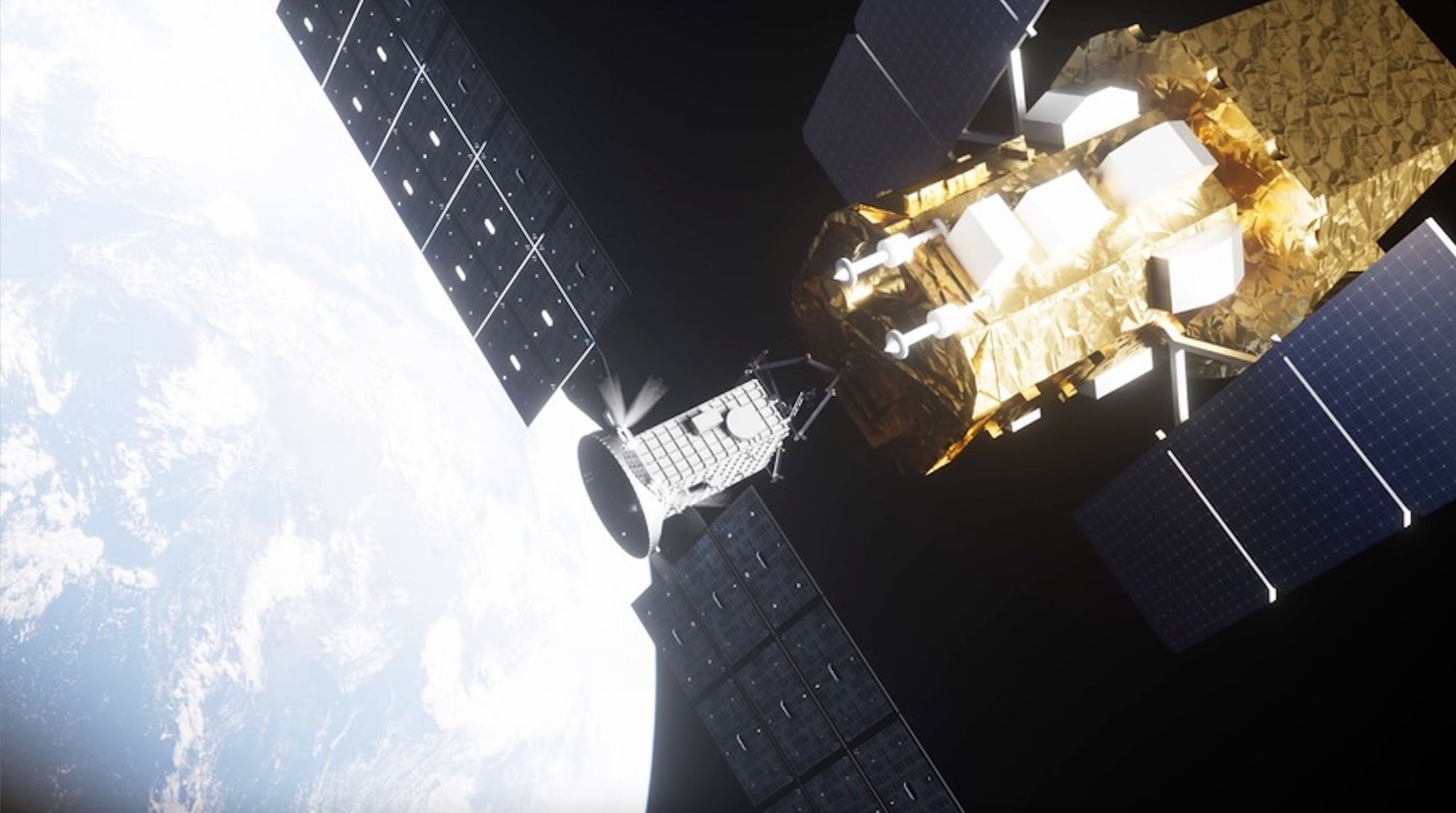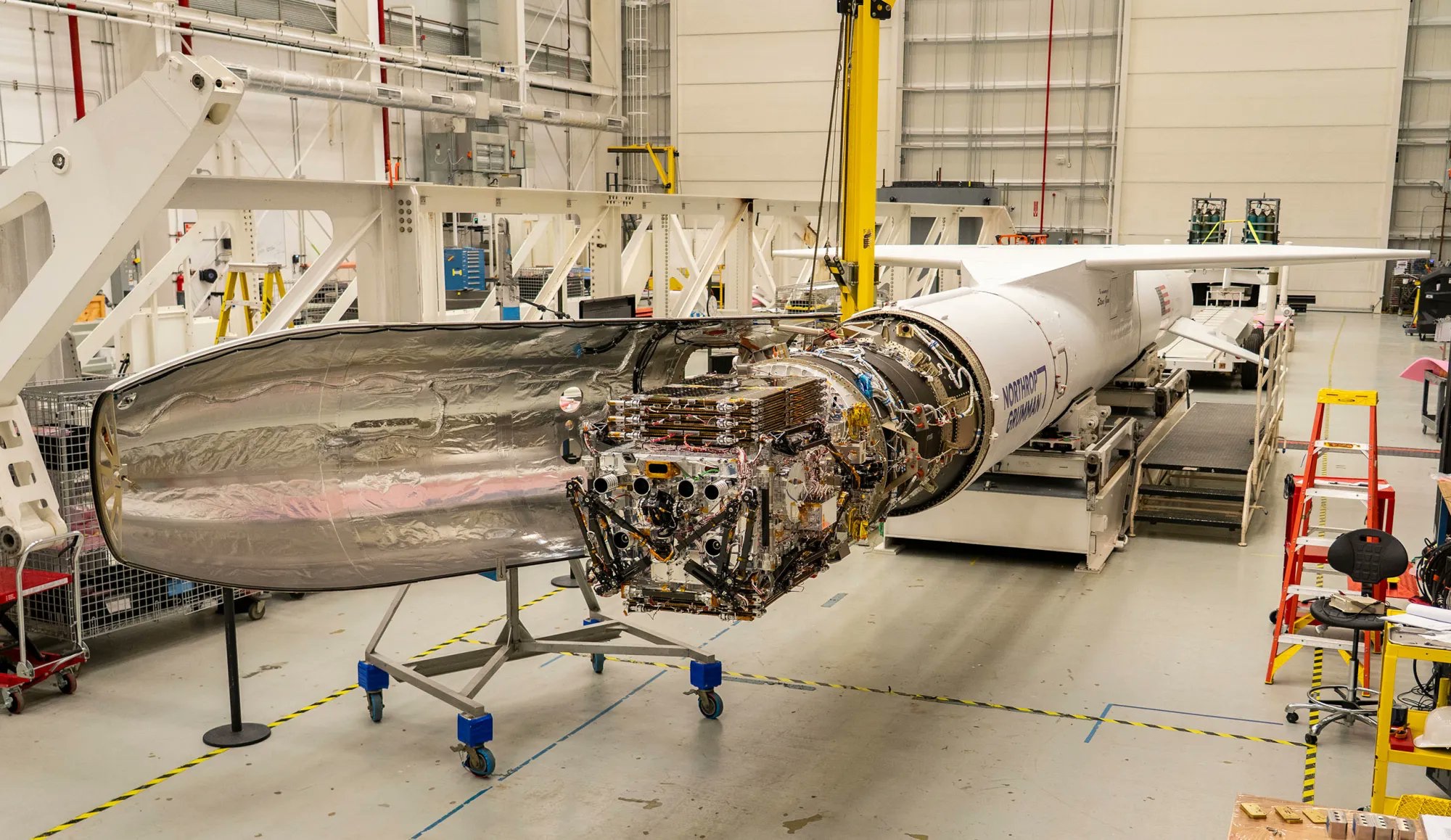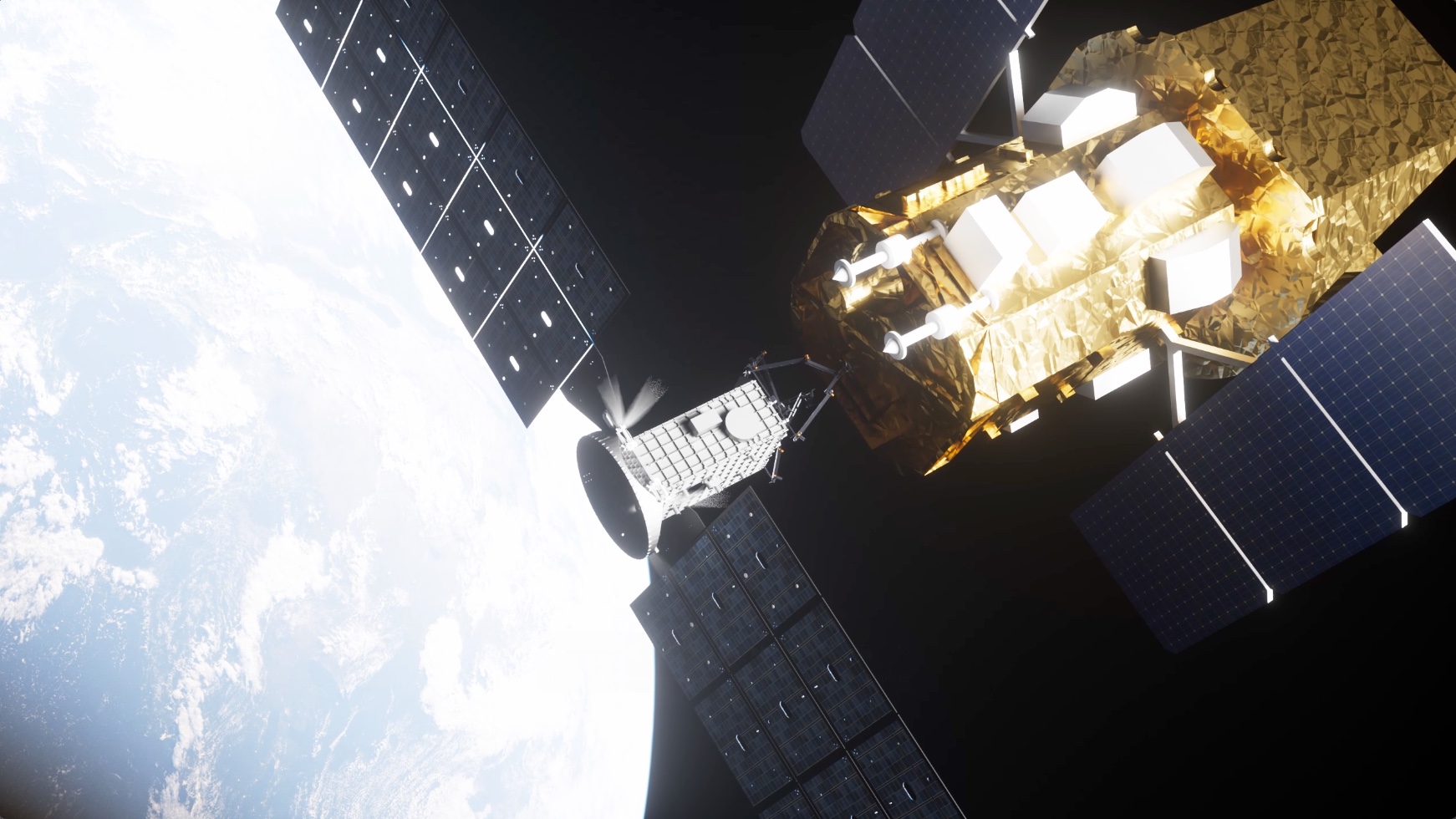
An illustration of Katalyst Space’s Link spacecraft (left) approaching NASA’s Swift gamma-ray observatory. Credit: Katalyst Space
WASHINGTON — Katalyst Space and NASA have called off plans to use the company’s Link spacecraft to raise the orbit of the agency’s Swift gamma-ray observatory, citing attitude-control problems with the spacecraft.
The company announced Aug. 20 that it concluded, in consultation with NASA, that its Link spacecraft will not attempt to grapple Swift and raise its orbit as originally planned. The company said the decision was based on “ongoing attitude control issues” with Link but did not elaborate.
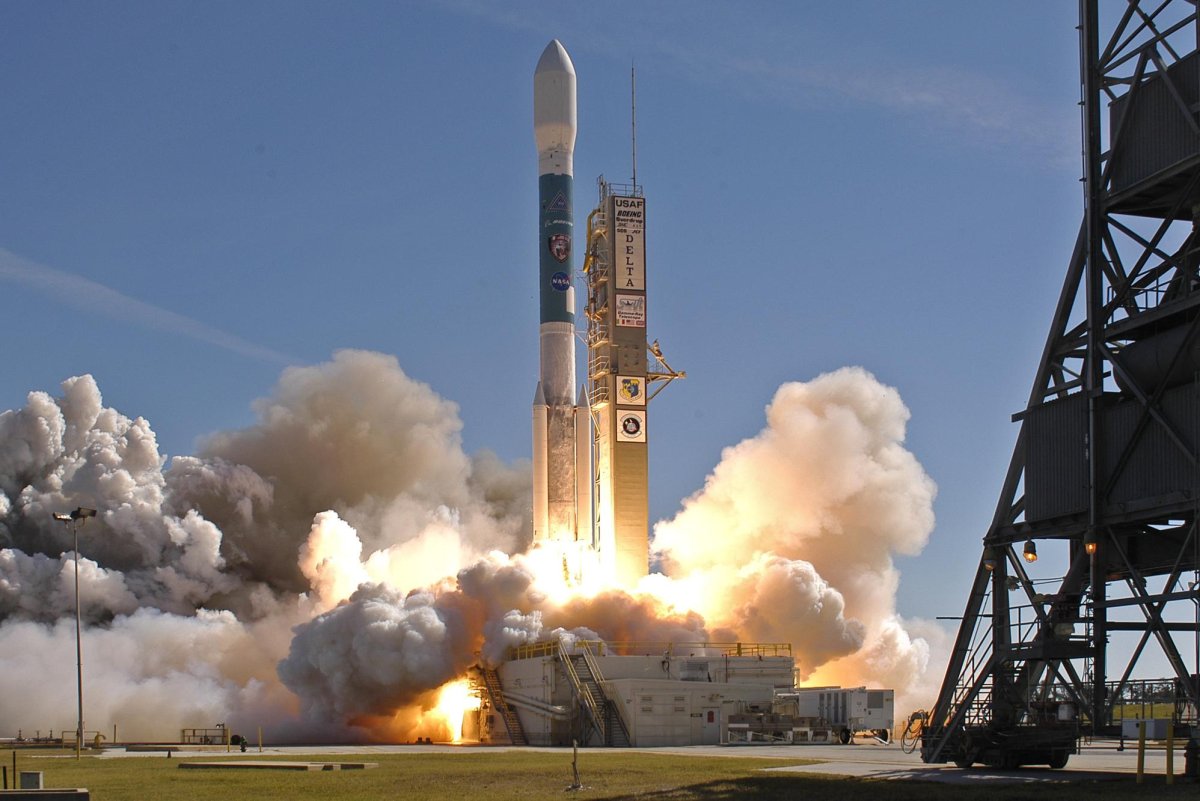
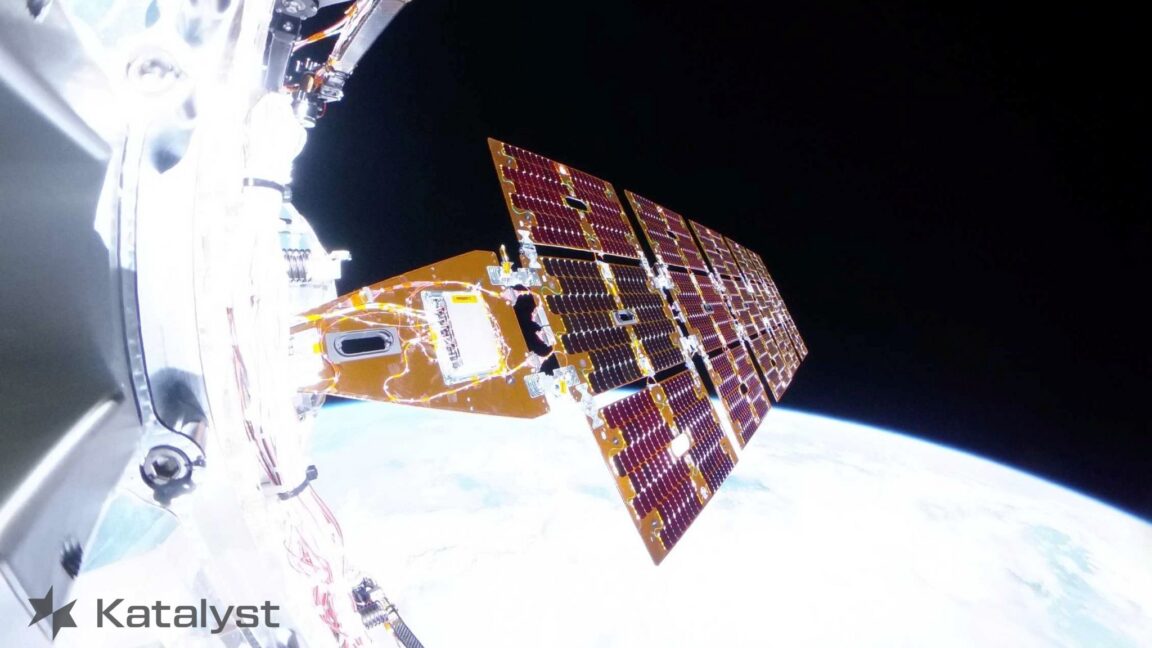
Katalyst launched Link July 3 on a Pegasus XL rocket on a mission to grapple Swift and raise its orbit. While the company initially reported Link was in good condition after launch, it stated July 28 that the spacecraft had entered a multi-axis spin caused by attitude-control problems, including the loss of two of its three reaction wheels. The spacecraft’s reaction control system thrusters were only partially working.
By early August, the company said it had slowed that spin from 9 degrees per second to 1.47 degrees per second by using the electric thrusters intended to change the spacecraft’s orbit.