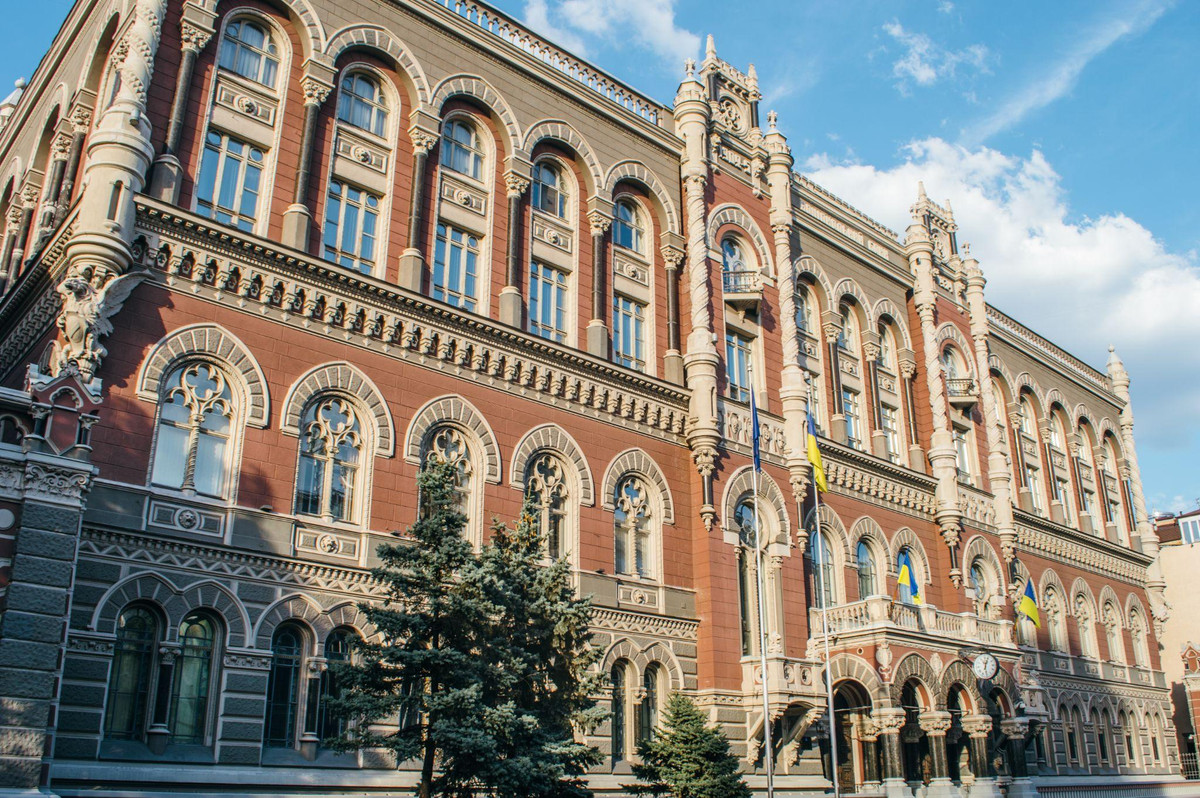
On July 30, Ukraine’s banking sector was surprised – the NBU announced banks could no longer place all their liquidity in 3-month deposit certificates and must now bargain on the rate. Over the past three years of full-scale war, Ukraine’s central bank, the National Bank of Ukraine (NBU), has worked to preserve public confidence in the hryvnia and encourage Ukrainians to keep their savings in the national currency. Alongside capital controls and, for a time, a fixed exchange rate, the NBU linked banks’ excess liquidity to three-month deposit certificates after its initial wartime interest rate hike failed to raise deposit rates as effectively as intended.JOIN US ON TELEGRAMFollow our coverage of the war on the @Kyivpost_official. Set up in March 2023, the 3-month deposit certificates let banks place liquidity tied to an equal amount of hryvnia deposits, at a fixed rate equal to the key policy rate. The NBU said it worked, however, critics said the NBU overpaid banks and should have redirected that liquidity to loans instead. Why rock the boat if the central bank stabilized the storm? The NBU warns that once the war ends and reconstruction capital flows in, deals will again jump to foreign currency. Ukraine needs a breathing money market with reliable benchmarks set by the banks themselves. In parallel, the NBU is developing a holding for future capital-market infrastructure. Critics call the new updates a loosening of monetary policy exactly when liquidity should be locked down in a country at war. The banks are watching. They’re either neutral or don’t share the excitement.
Ukraine's National Bank Tweaks Deposit-Certificate Rules to Push Banks Into Trading, Betting Wartime Skepticism Won't Sink the Plan
The NBU adjusted deposit-certificate rules to push banks into trading, risking trust earned since the 2022 invasion, but maybe leaving its comfort zone for good.
1,913 words~9 min read