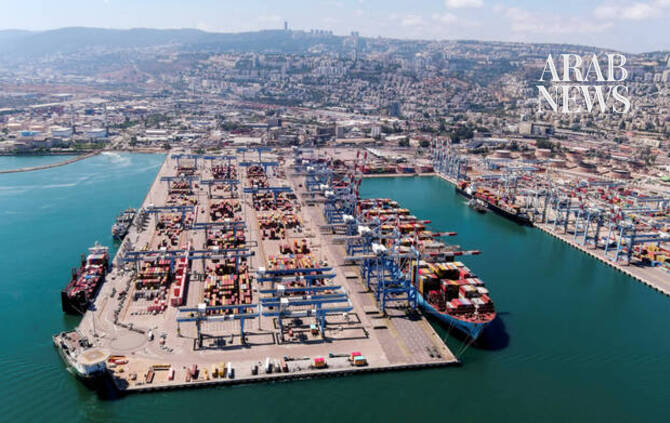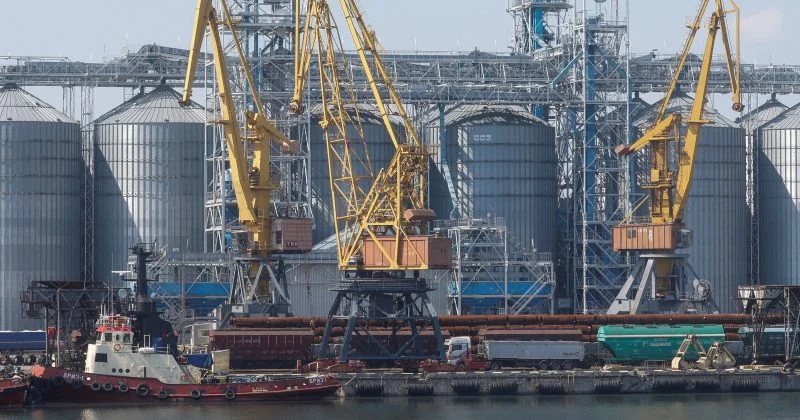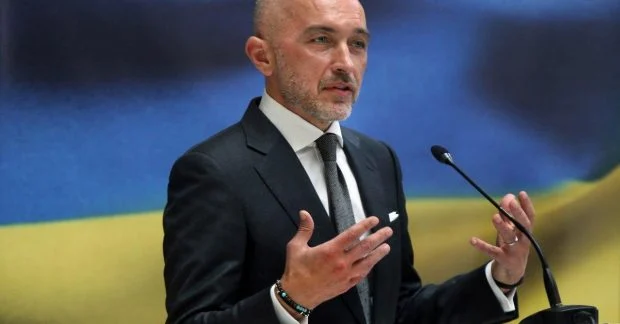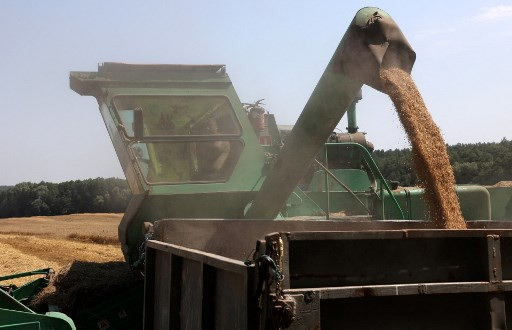
Ukraine’s central bank has rewritten the rules on how banks handle war-hit borrowers, letting lenders restructure short-term debt without booking a default, and letting agricultural producers pledge more collateral value against the grain sitting in their warehouses. The National Bank of Ukraine (NBU) adopted resolutions No. 88 and No. 89 on Aug. 7, both taking effect on Aug. 8. The changes amend the central bank’s wartime operating rules and its methodology for calculating credit risk, all signed by NBU Governor Andriy Pyshny.JOIN US ON TELEGRAMFollow our coverage of the war on the @Kyivpost_official. Russia’s escalating port strikes have pushed deep-water grain exports toward a standstill, with shipowners refusing new charters, insurers pulling back, and traders shifting cargo to the Danube, and Romania’s Constanța. Unlike the war’s early years, thin margins now leave little reason to risk the run, and it is still unclear whether exports will resume to a full volume. Banks have until Sept. 30 to update their internal documents and reflect the new rules, and until Dec. 1 to report the date to complete their first credit risk calculations under the revised methodology. Restructuring instead of war-caused default Under the revised rules, banks will not have to record a formal default when they grant a business or sole proprietor (FOP) a short-term restructuring, of up to one year, triggered by financial difficulty tied to Russia’s war. The relief applies only to restructurings carried out between July 1, 2026, and Sept. 1, 2027, and only where the bank has grounds to believe the borrower can overcome the disruption and resume payments, with no further changes made to the loan’s terms after the restructuring period ends.
NBU Waives Default Status for War-Restructured Loans, Raises Collateral Value for Agricultural Exporters Amid Russian Strikes
The NBU adopted two resolutions letting banks restructure war-hit debt without booking a default and letting agricultural producers borrow more against grain in storage, as Russian strikes keep disrupting export routes.
791 words~4 min read