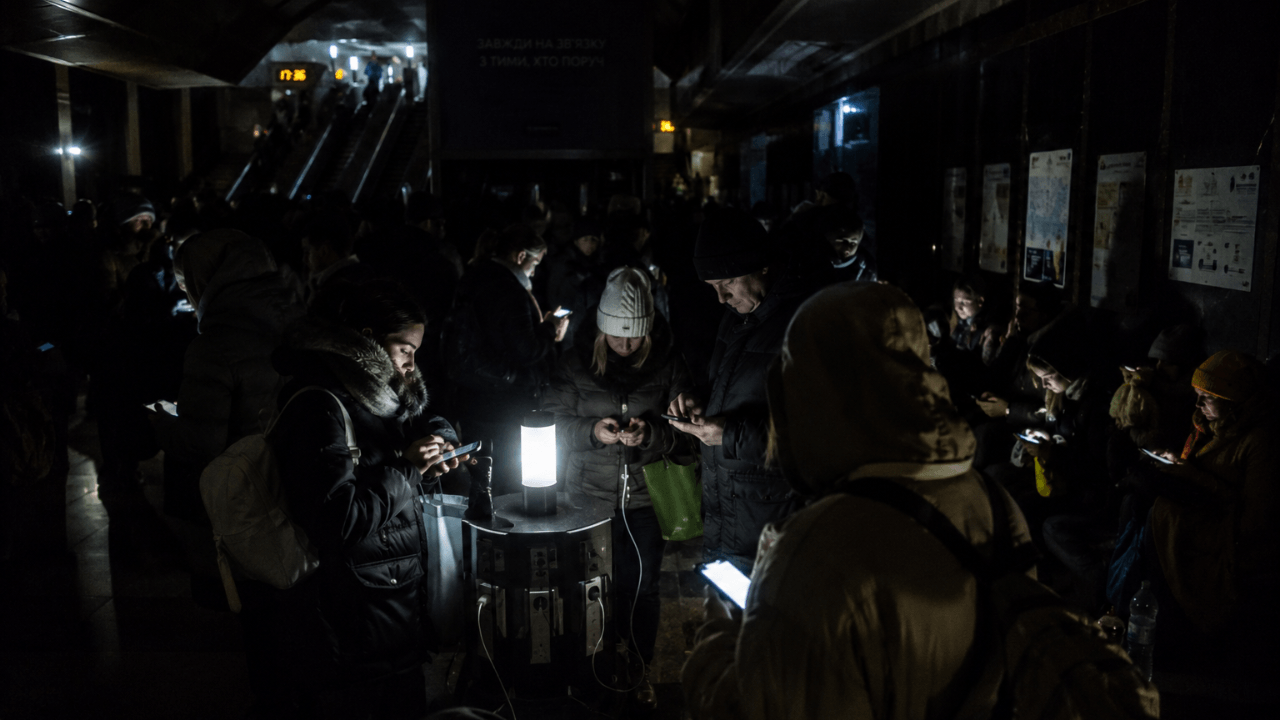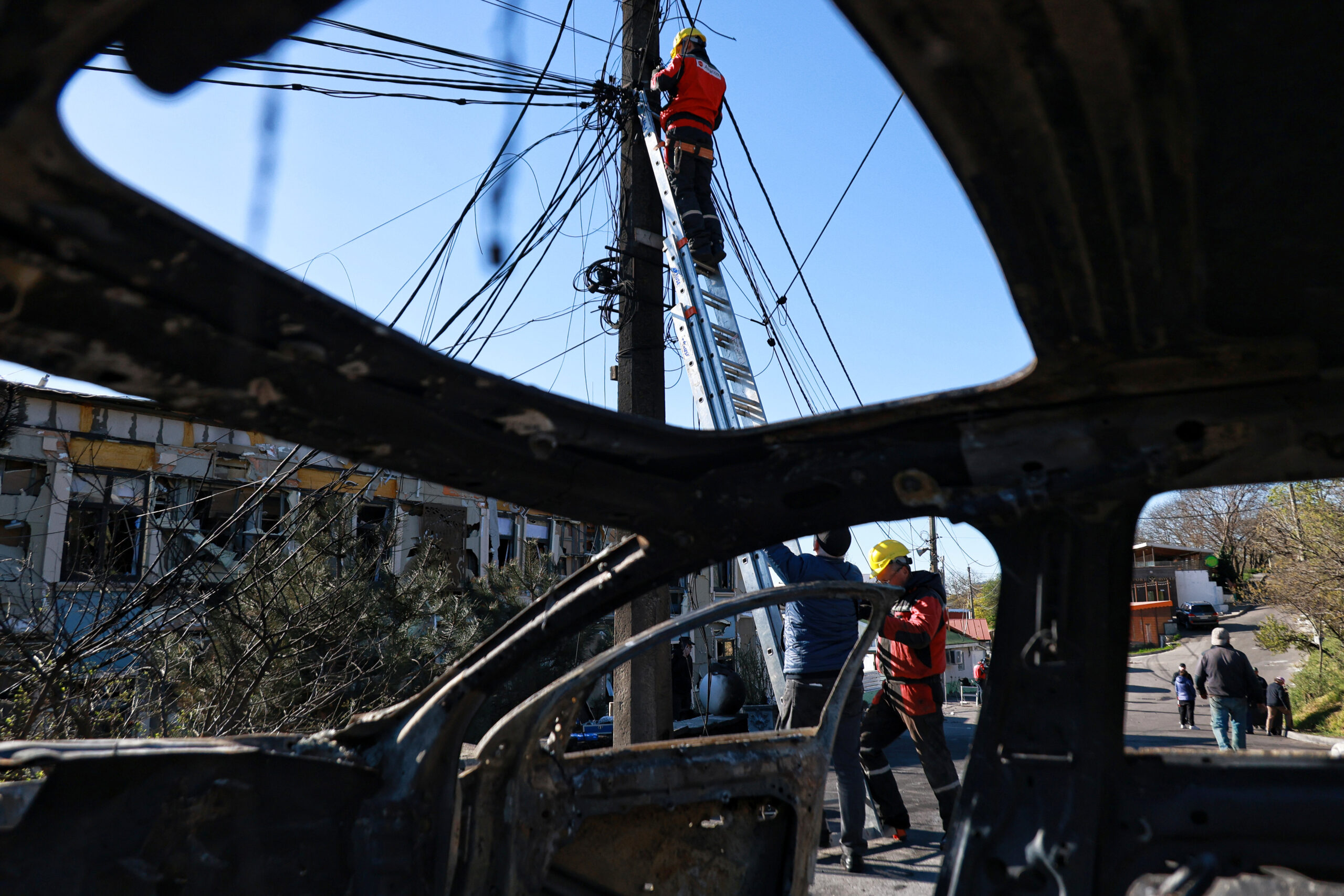
Over the past month, danger in Kyiv has felt particularly acute. I sense it in how often I find myself falling asleep in an underground parking lot. Ultimately, I feel a growing sense of danger in how often I wake up to news that another facility under my responsibility has been damaged, or the fear that my team may have been personally affected. Today, my office at PrivatBank reflects this reality more vividly than ever. Windows are boarded up with plywood sheets after a Russian strike. Yet despite the attacks, we have not stopped operating for a single day, helping to sustain roughly 20% of Ukraine’s tax revenues. This is no accident. Four years of war have turned Ukraine into a laboratory of stability. And as global instability grows, countries who understand what it means to live with a constant sense of threat are increasingly looking to Ukraine for lessons.JOIN US ON TELEGRAMFollow our coverage of the war on the @Kyivpost_official. So, what are those solutions for banks? Physical independence While there is little you can do to protect yourself from a direct strike, preparing for blackouts is entirely within your control. That means investing in alternative sources of power and connectivity – solar panels, generators, Starlink terminals and fiber-optic networks. Anything that reduces dependence on external infrastructure. Today, half of our branches can operate independently during prolonged outages. The rest will reach the same standard by the end of the year.
Ukraine’s Banks Show How Stability Is Engineered Under Fire
Ukraine’s banks operate through strikes, blackouts and cyberattacks, proving that stability in wartime comes from systems, not luck – with several key lessons for global resilience.
984 words~4 min read