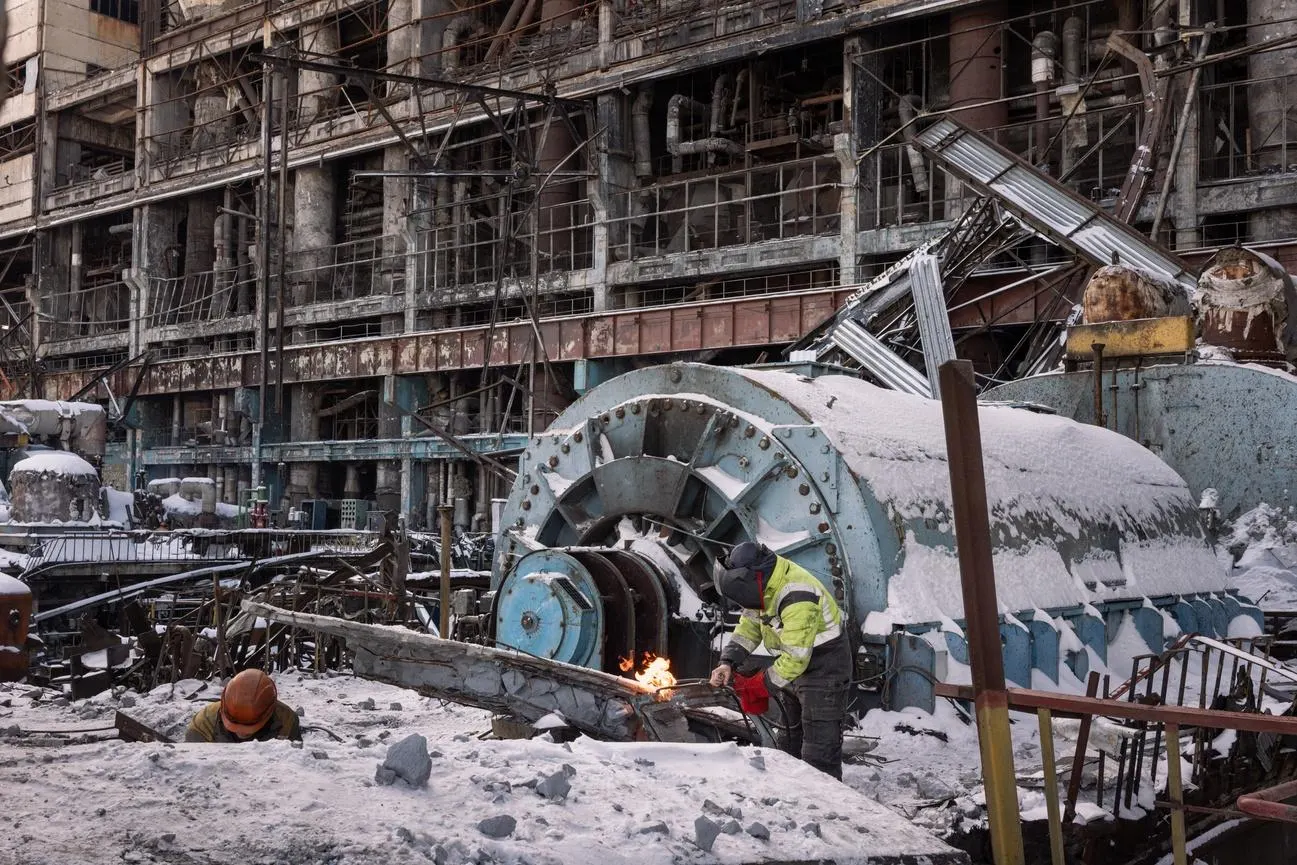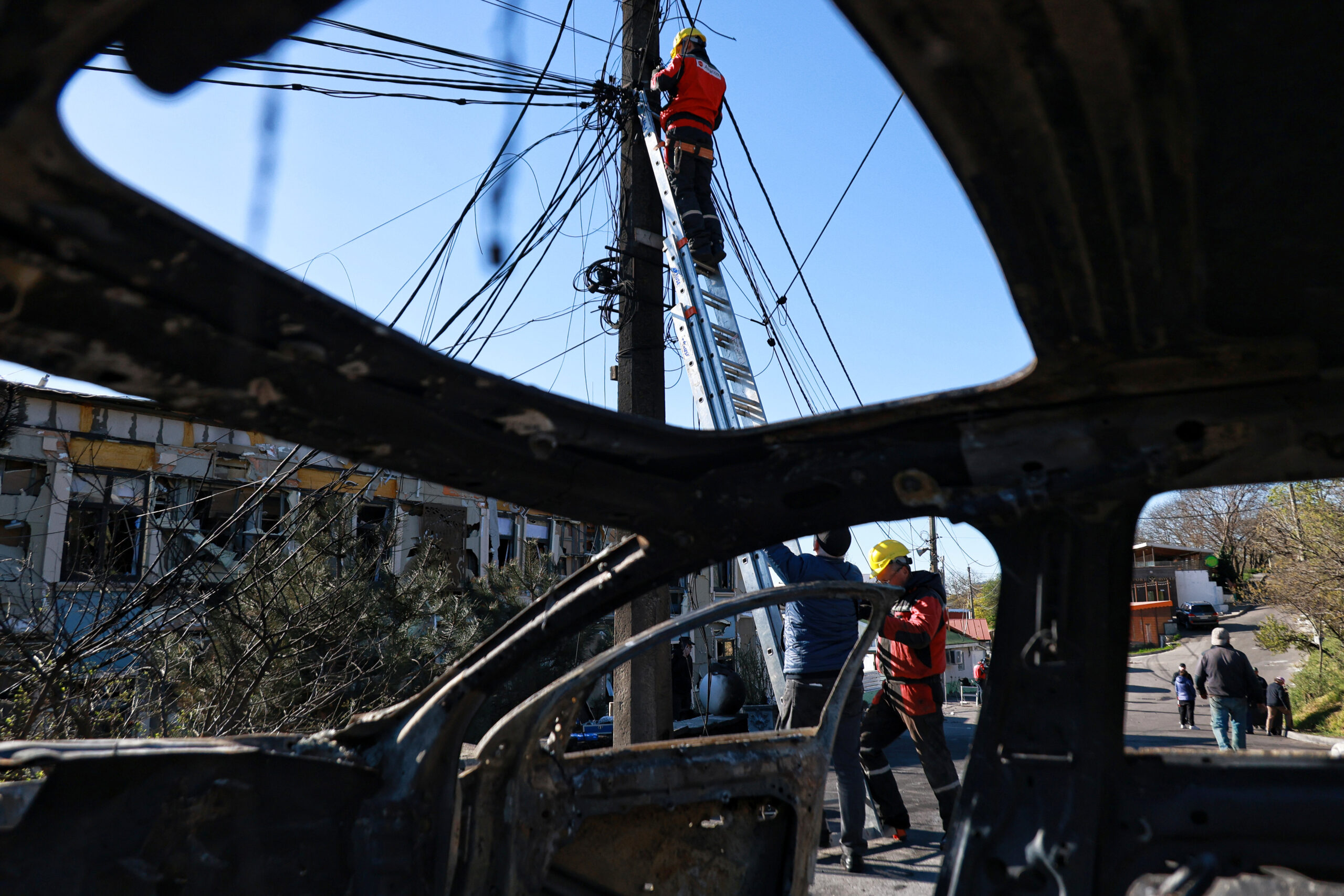
Last winter, many expected Ukraine’s energy system to collapse. Russia had spent the months approaching the winter season conducting its most intensive bombing campaign of Ukraine’s power infrastructure, destroying or damaging a significant share of the country’s generating capacity. Some suggested an energy collapse could hand Putin victory in a war he was unable to win on the battlefield.
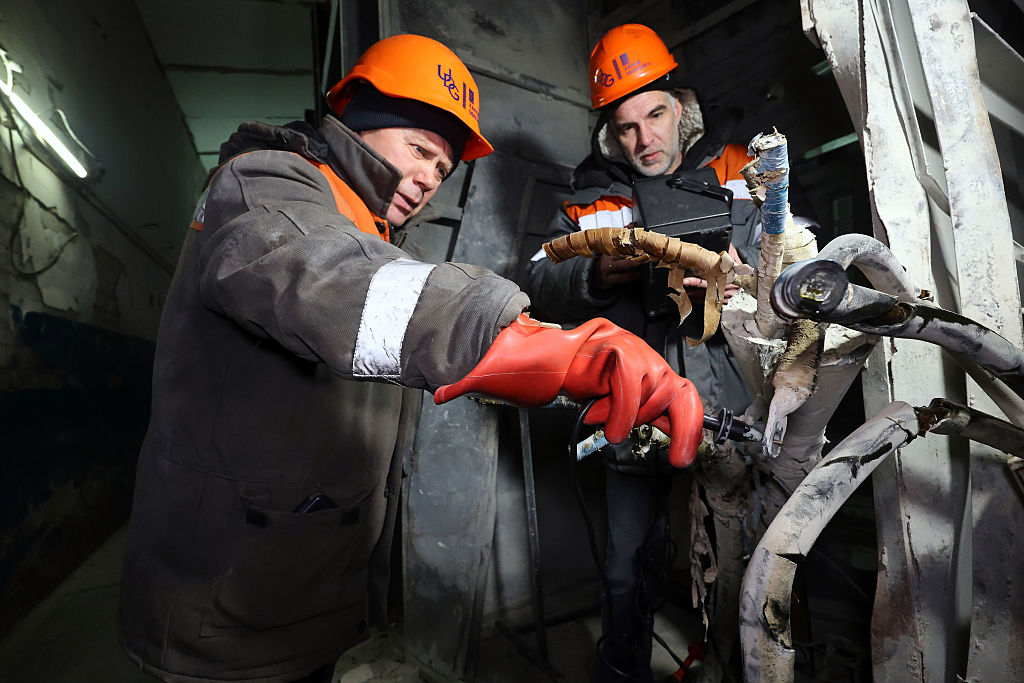
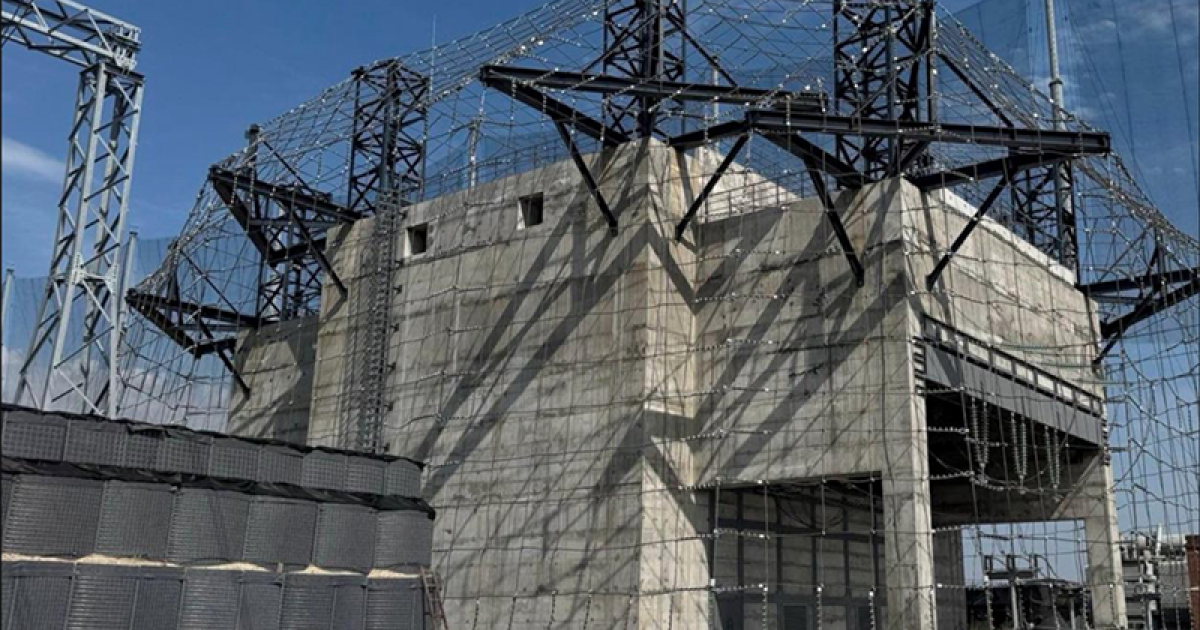
We now know this did not happen. Instead, Ukraine kept the lights on and the heat running through the most difficult winter in its modern history. That outcome was not down to good luck or mild weather. It was the result of a comprehensive, battle-tested system for defending, hardening, decentralizing, and rapidly restoring energy infrastructure under sustained attack.
Ukraine has spent the past four years building an energy system capable of surviving in extremely challenging wartime conditions. This energy resilience is a valuable strategic asset that offers important lessons for the wider international community.
In recent months, Iranian drones have struck oil refineries in Saudi Arabia, LNG facilities in Qatar, and fuel terminals in the UAE and Bahrain. These attacks underlined the fact that energy infrastructure is now a priority target. Ukraine has been aware of this new military reality for more than four years and moved rapidly in spring 2026 to share its expertise, deploying over two hundred counter-drone specialists to the UAE, Qatar, Saudi Arabia, Kuwait, and Jordan.