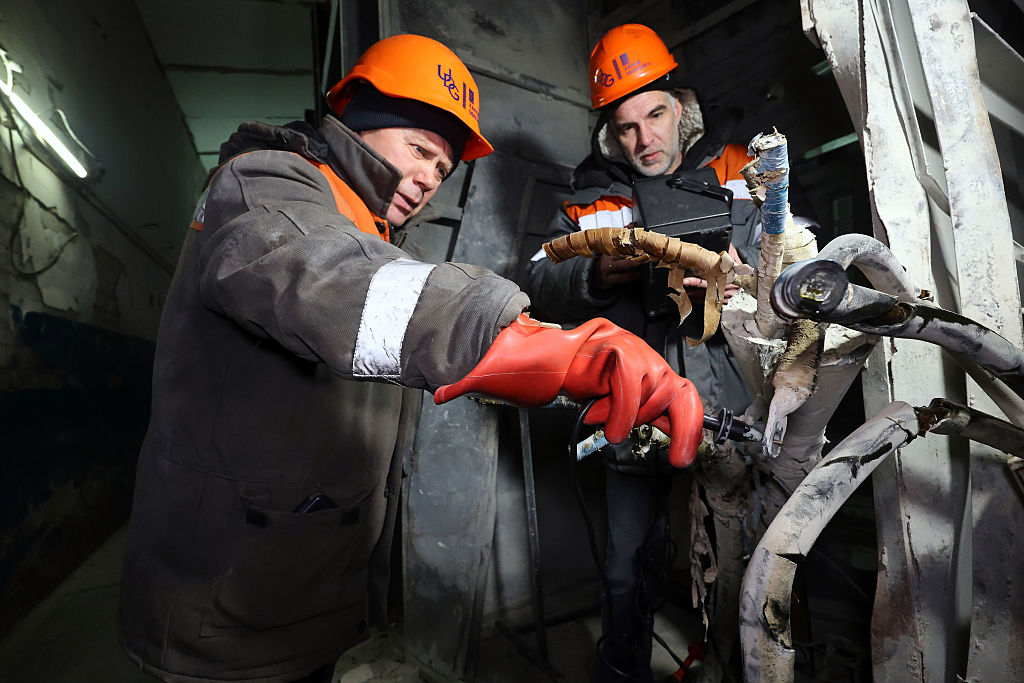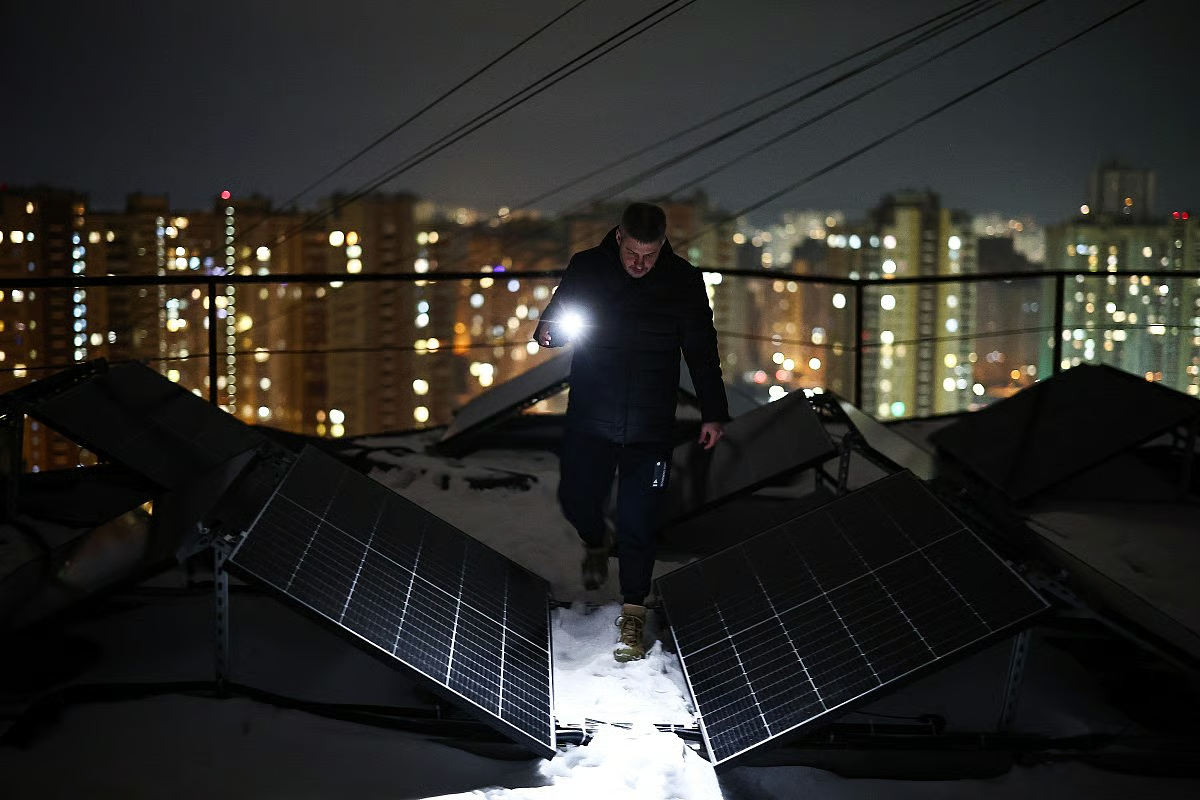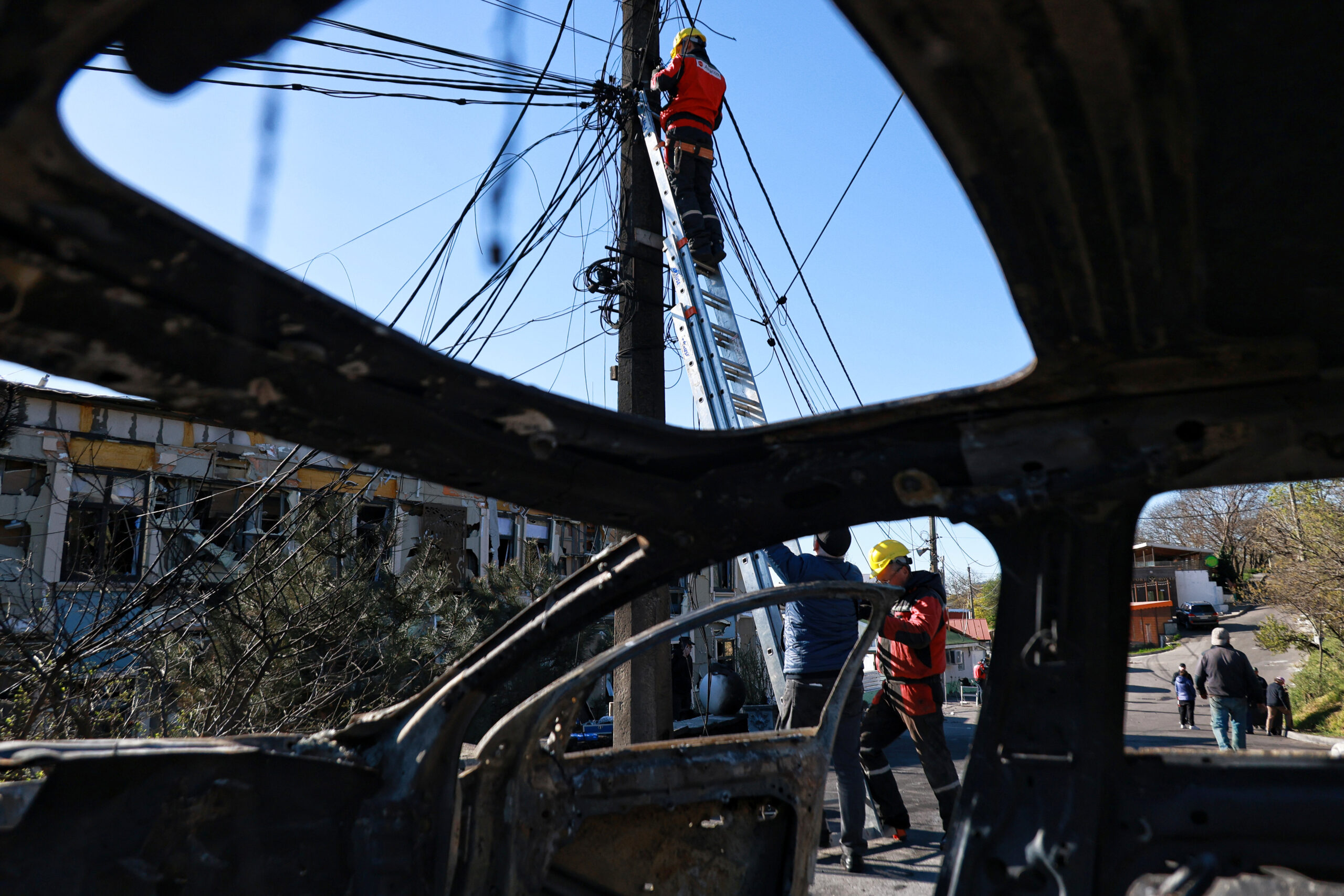
Ukraine’s energy system has paid an exceptionally high price for the old Soviet logic of centralization. When a few large nodes supply millions of consumers, every massive strike on infrastructure becomes an attack on the whole country. The lesson of this war is not only that Ukraine needs more generation. It is that Ukraine needs a different energy architecture. Decentralization is no longer a distant “green” ambition. It is a matter of survival, resilience and economic common sense. Solar generation, batteries, biogas units, small flexible plants and local backup systems can make Ukraine harder to paralyze. But there is another question that receives too little attention: who will own and govern this new decentralized energy system?JOIN US ON TELEGRAMFollow our coverage of the war on the @Kyivpost_official. Ukraine should not replace centralized generation with a new landscape of decentralized assets owned only by the state, large corporations or well-connected investors. If the country wants real resilience, it must combine decentralized generation with decentralized ownership. That means creating the conditions for energy communities and energy cooperatives. Across the EU, citizens have already moved from being passive consumers to active participants in the energy transition. Citizens, municipalities and local businesses jointly produce, consume, store and share electricity. This is not a marginal experiment. After the EU’s Clean Energy for All Europeans package, energy communities became part of the new European energy architecture. The European Commission has reported that there are already more than 8,000 energy communities across the EU.
Community Power Could Rebuild Ukraine’s Energy Future
Ukraine must transition to decentralized, community owned energy to boost resilience, empower citizens and avoid rebuilding a vulnerable centralized system.
1,212 words~6 min read